A Foreign Ambassador Shocked by Struga's Landfill: 30 Metres of Garbage Next to Lake Ohrid
09.06.2026


09.06.2026

09.06.2026

09.06.2026

09.06.2026

09.06.2026

09.06.2026

09.06.2026

07.06.2026

06.06.2026

09.06.2026

09.06.2026

09.06.2026

09.06.2026

08.06.2026

07.06.2026

09.06.2026
08.06.2026

07.06.2026

09.03.2026

27.02.2026

19.02.2026

09.06.2026

22.05.2026

19.05.2026

14.04.2026

07.11.2025
07.11.2025

23.04.2026

23.04.2026

12.04.2026

You wake up with jaw pain, tightness in the face, a stiff neck and a headache before you've even had coffee. Most people normalise this and chalk it up to stress or poor sleep. But behind the teeth-grinding - known as bruxism - there's often something less obvious: a magnesium deficiency.
Magnesium is key to dozens of processes in the body, but most important is that it regulates the nervous system and keeps the balance between muscle tension and relaxation. "When levels are low, the body can get stuck in a constant state of tension," explains a pharmacist and nutritionist. With little magnesium, the jaw struggles to relax and the nervous system stays over-activated - the ideal ground for nighttime grinding.
"Bruxism isn't always just stress," experts stress. Many adults today have an over-activated nervous system and muscles that are almost permanently clenched. A magnesium deficiency is especially common in women, due to hormonal changes, contraceptive use, digestive problems or a mineral-poor diet.
Still, here comes an important caveat. Doctors warn that no supplement is a complete fix for bruxism - the scientific evidence that magnesium alone removes the problem is insufficient. Which means: if you grind your teeth regularly, the first step is a doctor, not the pharmacy. A supplement can help with the muscle tension, but it doesn't replace a diagnosis.
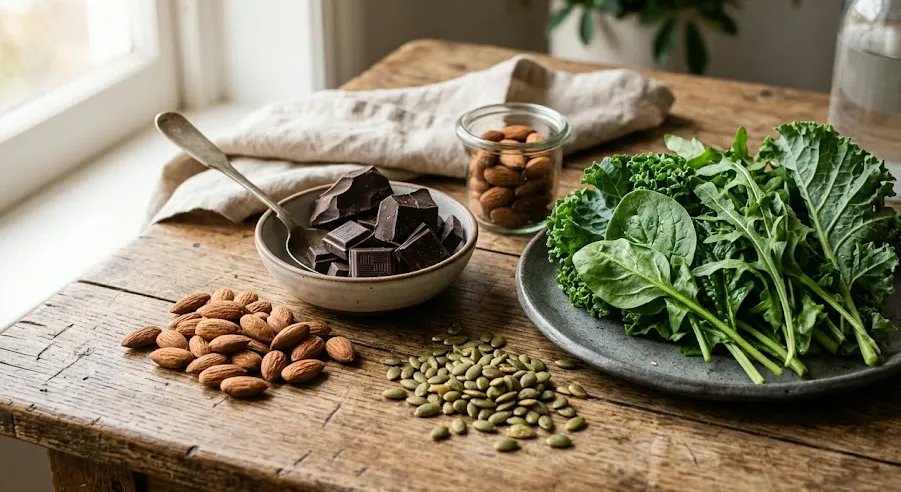
The good news is that magnesium doesn't have to come from a bottle. Leafy green vegetables, legumes, walnuts, seeds, wholegrains, pumpkin and sesame seeds, almonds and pure cocoa are natural sources. Dark chocolate with a high cocoa content is perhaps the most pleasant way to help yourself - advice few will turn down.
The latest 10 news from this category

The whole secret is one restaurant technique - smashing the meat while it's still soft. Crispy, juicy and fresh, no...

The secret isn't in the technique, it's in the fish. The less you add, the more the cod itself comes...
Not one of them is remembering everything. And the good news - most of it isn't inherited, it's built.
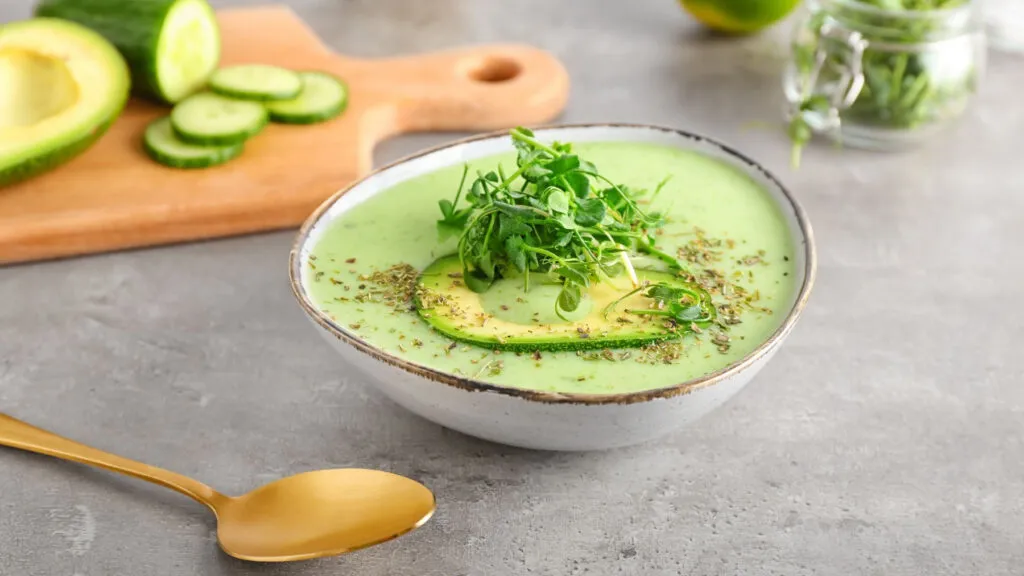
When the hot days arrive, nobody looks at the stove. This gazpacho changes the rule - instead of red from...

A psychologist argues that cheerfulness is trained like a muscle, with four concrete exercises and about 66 days of consistency....

You can spend eight hours in bed and your brain still won't recover, without you having any idea. The question...
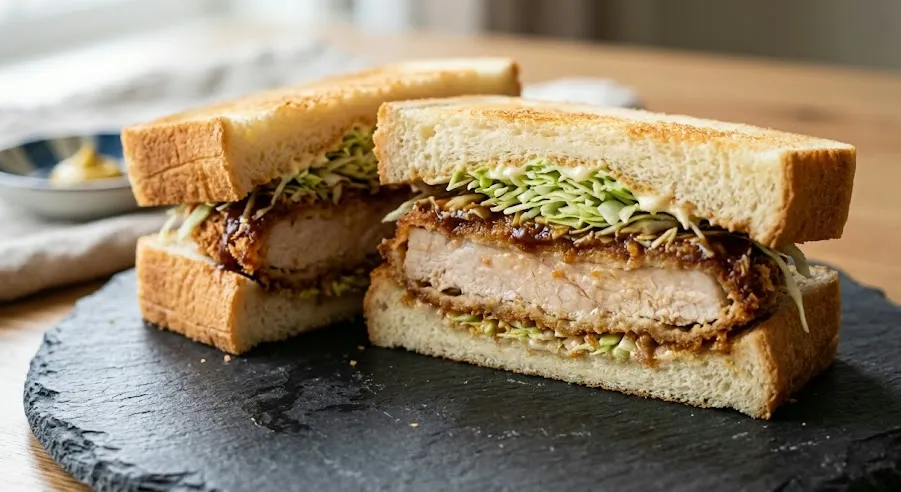
Crispy chicken, soft bread, one secret most people skip. No exotic ingredients - just don't rush at the wrong moments.

There's no medical diagnosis, but loss can throw off the immune system, the heart, the whole body. The question matters...
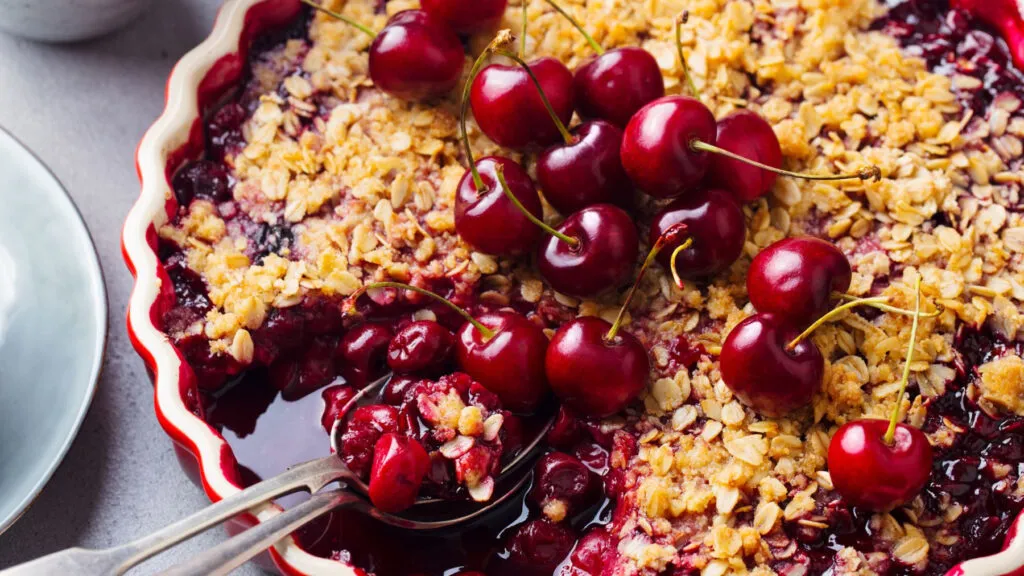
When cherries are in season, this is the easiest dessert you practically can't get wrong. Juicy fruit below, a crisp...

The internet has repeated one rule for years. A neurophysiologist explains why it's unnecessary for most - and what really...