

Ohrid man beat his girlfriend unconscious, and his mother, a former head of the anti-corruption commission, reports her father
16.11.2026


16.11.2026

16.11.2026

16.11.2026

16.11.2026

16.11.2026

16.11.2026

16.11.2026

16.11.2026

15.11.2026

16.11.2026

16.11.2026

15.11.2026

16.11.2026

16.11.2026

16.11.2026

16.11.2026

15.11.2026

14.11.2026

16.11.2026

15.11.2026

14.11.2026

16.11.2026

16.11.2026

15.11.2026

16.11.2026

15.11.2026

15.11.2026

23.04.2026

23.04.2026

12.04.2026


Europe is feeling inflation again. According to Eurostat's flash estimate, annual inflation in the eurozone rose to 4 percent in October, up from 3.8 in September. The main culprit is energy: it is 20.8 percent more expensive than a year ago.
In six eurozone countries prices rose by at least 5 percent. Lithuania is at 6.1, Bulgaria at 6, Greece and Italy at 5.6 each, Cyprus at 5.4 and Belgium at 5.2 percent. Italy jumped from 4.2 to 5.6 percent in a single month. At the other end are Malta at 2.3, Germany at 2.8 and Slovakia at 2.9 percent.
The region isn't spared. In Croatia, according to the first estimate by the national statistics bureau, consumer prices in October were 4.9 percent higher than a year ago and 0.7 percent higher than in September - the fourth straight month of acceleration. Energy there rose 20.7 percent, services 7.5. Food, drinks and tobacco, meanwhile, rose only 0.2 percent.
Macedonia's "zero"
And here? According to the latest data from the State Statistical Office, inflation in September compared with August was 0 percent. It sounds as if Macedonia is an island of stable prices in the middle of the European wave.
It isn't. The office's data show that the cost of living in September 2026 was 2.7 percent higher than in September last year. The zero is monthly, not annual. And it is the result of transport getting 3.4 percent cheaper and recreation, sport and culture 3.7 percent cheaper, while food and soft drinks rose 0.5, household goods 1.3 and housing and energy 0.2 percent in a month.
Both numbers are correct. But only one of them usually ends up in the headlines. When the shopping basket costs more than last year, the comfort that "this month it's zero" doesn't pay for anything at the checkout.
Macedonia's October data are yet to come out. If energy in the eurozone is already a fifth more expensive, the real question is whether, and with how much delay, it will reach our market too - and who will then be explaining the next "zero".
The latest 10 news from this category
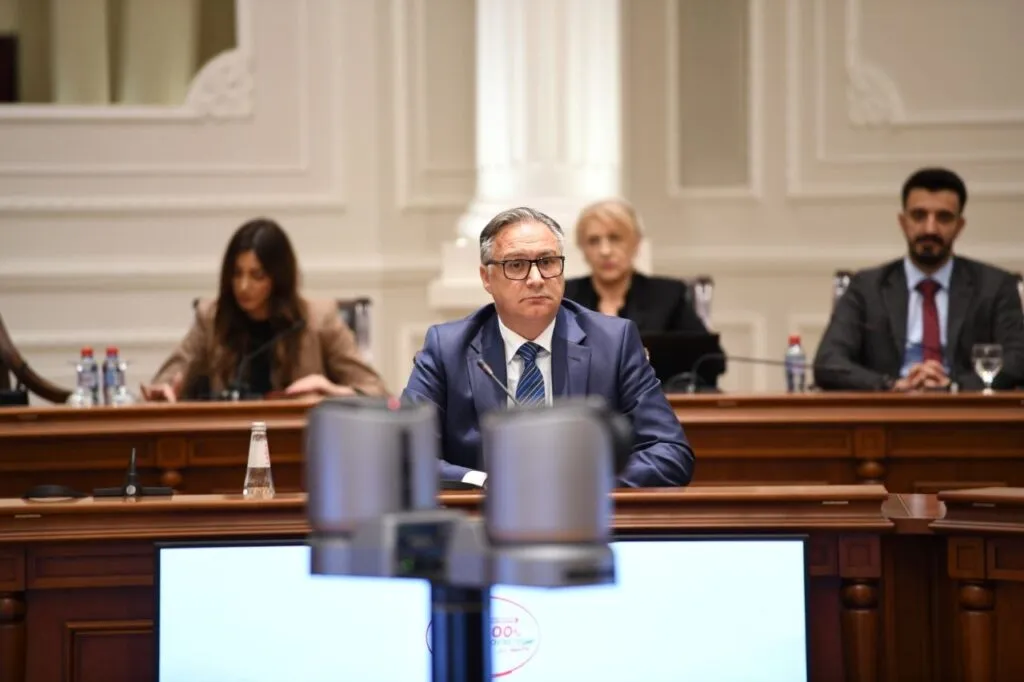
Current pensioners got a guarantee that their acquired rights won't be touched. For those paying in today, Memov's report has...

More than three times as much money goes to repaying old debts as to new roads and railways. The 732-million-euro...

The OECD mapped Europe's staffing gap, and in Germany 83 percent of employers can't find people. The Balkans read lists...

According to OpenAI, people already ask more than 300 million health questions a week. Apple isn't chasing them with yet...

India poured billions into becoming China's alternative in chips, and it still isn't there. One New Delhi startup is trying...

Publishers don't sell you an e-book, they rent it to you - and they can change it or delete it...
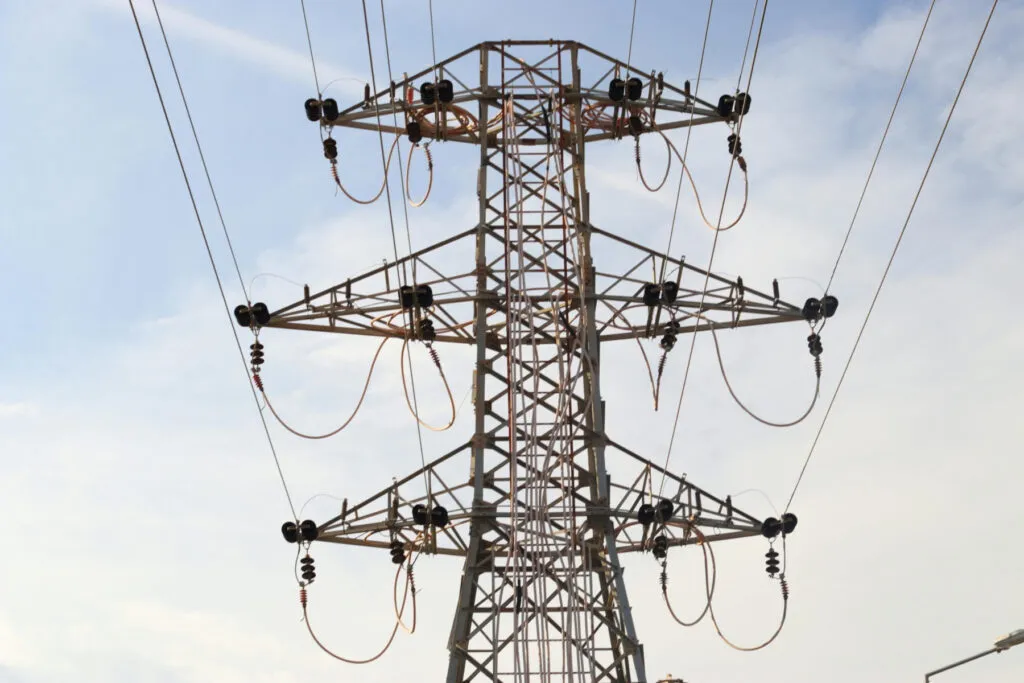
Eurostat: 11.68 euro cents per kilowatt-hour of electricity versus 28.32 in the EU. For gas, Macedonia ranks first in Europe...
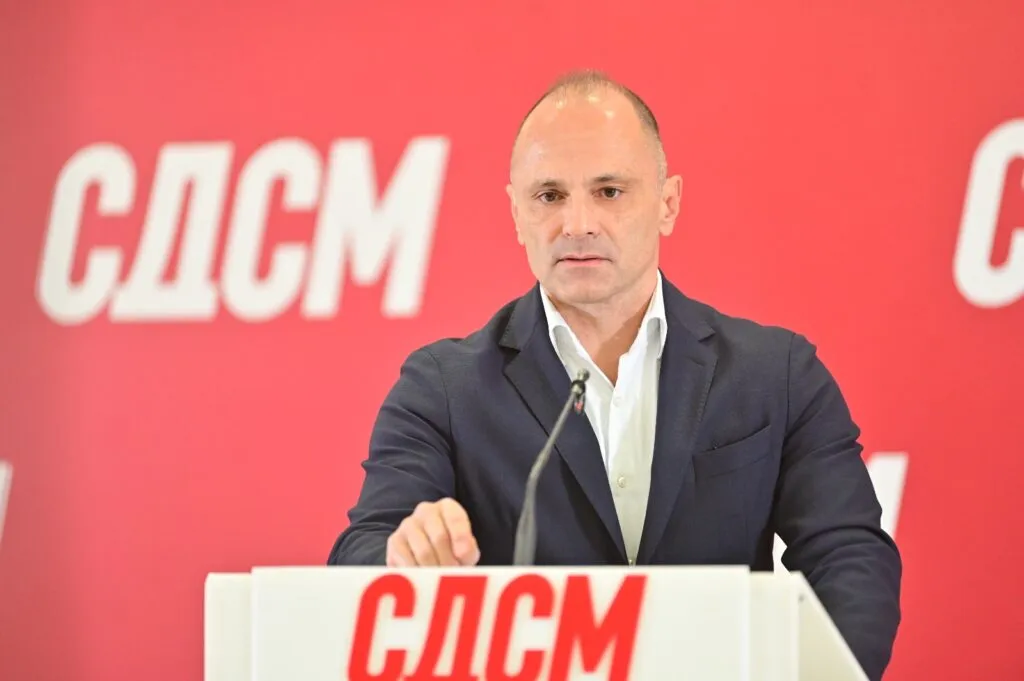
SDSM is waving the IMF projection for GDP per capita, the government the growth rate and inflation. One side measures...

Growth is 28 percent, and the minister is also announcing off-season charters for Ohrid, not yet confirmed. The missing number...

The cable company, the driver's licence office, the restaurant that won't take online bookings: Meta's AI agent now makes the...
This site uses cookies - is that okay? Learn more
Be the first to know when Metla launches something new
Leave your email and we'll write to you when there's a new guide or something new on Metla.




