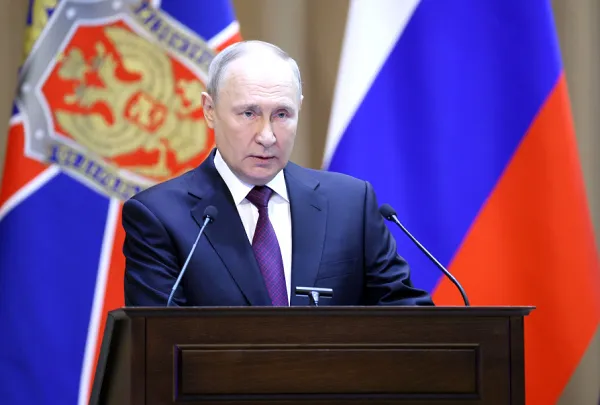
Путин бара олигарсите да ја финансираат војната - рускиот буџетски дефицит надмина 90% од проекциите
27.03.2026



25.03.2026

12.03.2026

03.03.2026

27.02.2026

27.02.2026

29.01.2026

09.03.2026

27.02.2026

19.02.2026

16.11.2025

16.11.2025
16.11.2025

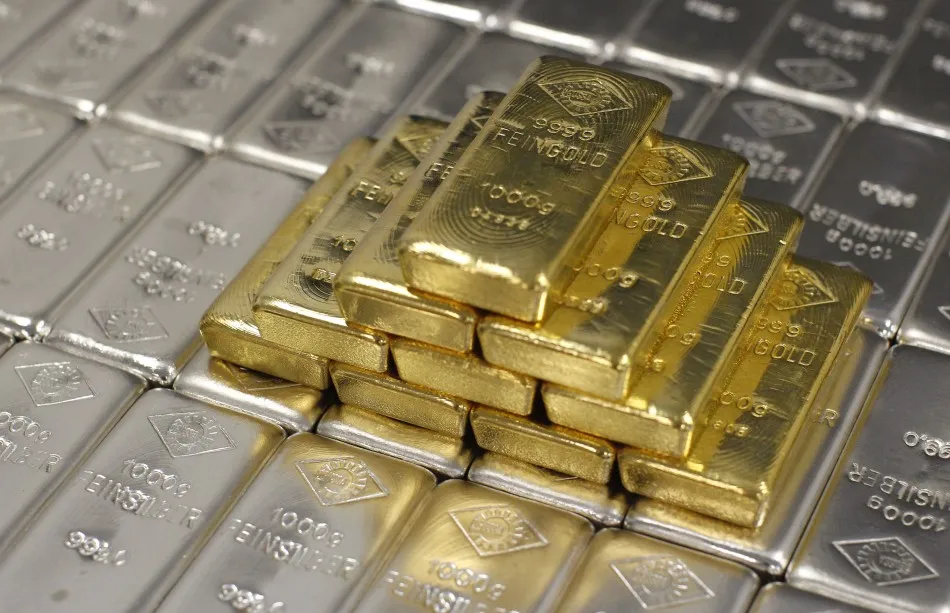
Over the past year, global markets have witnessed a dramatic shift - silver prices surged over 300%, while gold recorded growth of 200%. These figures are not only historic, but raise serious questions: has humanity undervalued the true worth of these precious metals for centuries, or are we witnessing mass market manipulation?
Gold and silver have always been symbols of stability, wealth and security. But such unexpected and extreme price growth undermines that traditional perception. If their value is truly this high, how were they relatively stable for decades? Is technology, industry and new demand revealing their \'true price,\' or is someone inflating reality?
Suspicions are growing louder that stock market speculation lies behind this growth. Today, in over 90% of countries worldwide, citizens and investors have no real ability to physically possess gold and silver in significant quantities. Instead, they invest through digital platforms, certificates and \'paper\' gold - meaning a vast share of trading occurs virtually, without actual delivery of the metal.
This raises a serious dilemma: are prices dictated by real supply and demand, or by financial instruments that exist only on screens? In such a system, a small number of major players can significantly influence prices, creating a bubble with no direct link to the physical value of the metals.
History shows that the true value of precious metals has been recognized for thousands of years. But today\'s financial system is radically different - digitalized, centralized and susceptible to manipulation. Therefore, the 200% and 300% growth does not necessarily mean the world has finally \'discovered\' their value, but rather that we may be entering a new phase of global financial games.
The question remains open: is this the new reality - or just another bubble waiting to burst?
The enormous price oscillations over the past two months further confirm the suspicion that this is not stable, natural growth, but a market under heavy influence of speculative movements. Instead of gradual, logical increases, there are sudden surges and drops that resemble stock market waves rather than real economic value.
Such instability is a clear signal that gold and silver prices are currently driven not exclusively by supply and demand for the physical metal, but by financial instruments, algorithms and major players who can shift the market\'s direction in very short periods.
For precisely this reason, instead of viewing this growth as the final discovery of \'true value,\' it increasingly appears that we are witnessing an unstable system where value is relative and easily subject to manipulation - a system that itself sends a warning that something is not right.
The latest 6 news from this category
Цената на златото се искачи на историски максимум од 142 долари за грам, што е јасен аларм дека глобалниот финансиски...
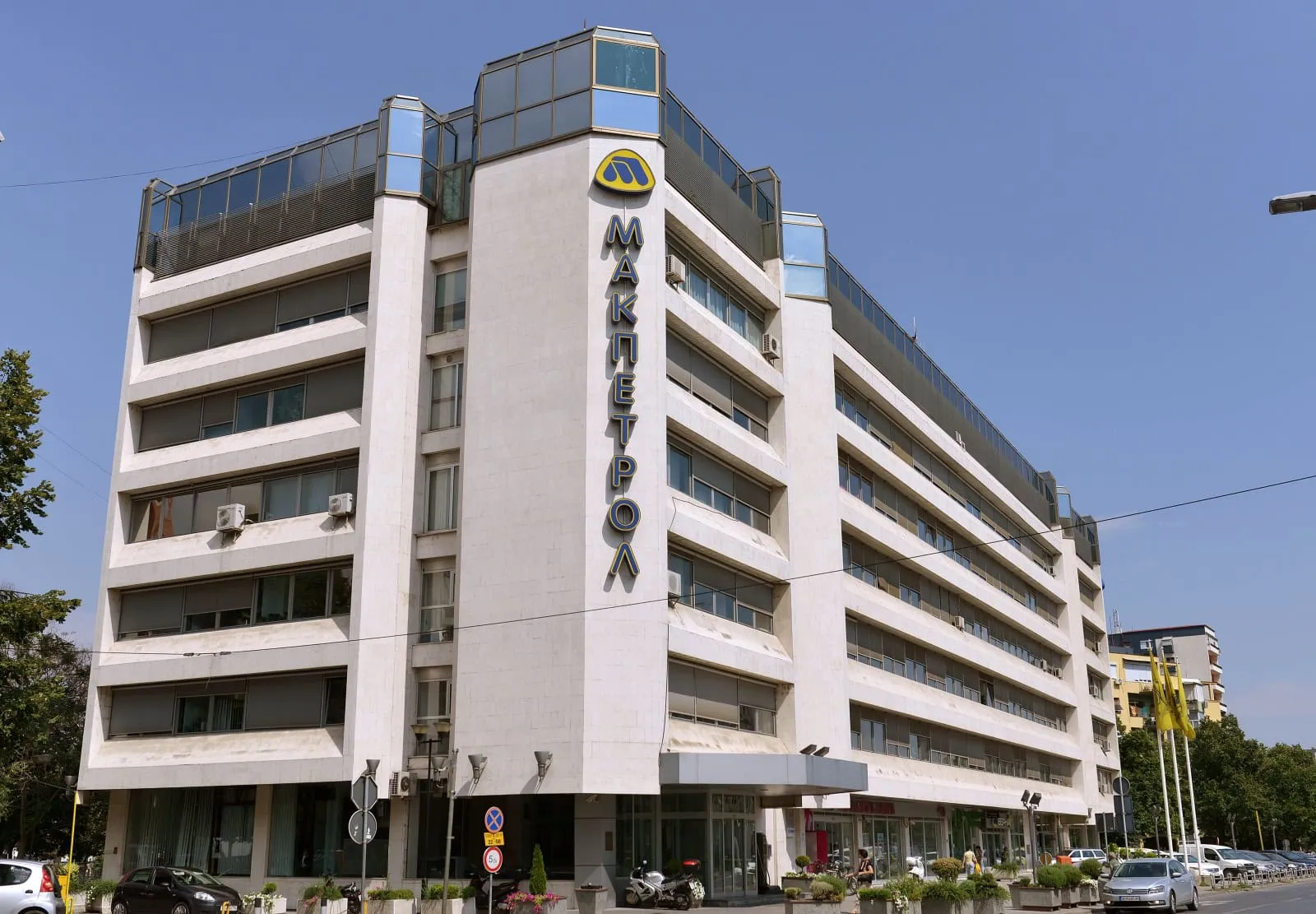
Шифрата MPT доминира на страницата на Македонската берза во делот за блок-трансакции, каде во последните месец и половина се забележани...
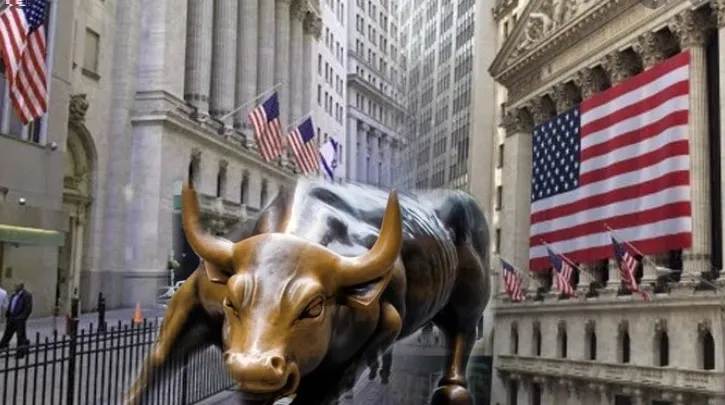
Американските берзански индекси забележаа значителен пад во четврток, откако акциите на водечките компании поврзани со вештачка интелигенција (AI) беа под...
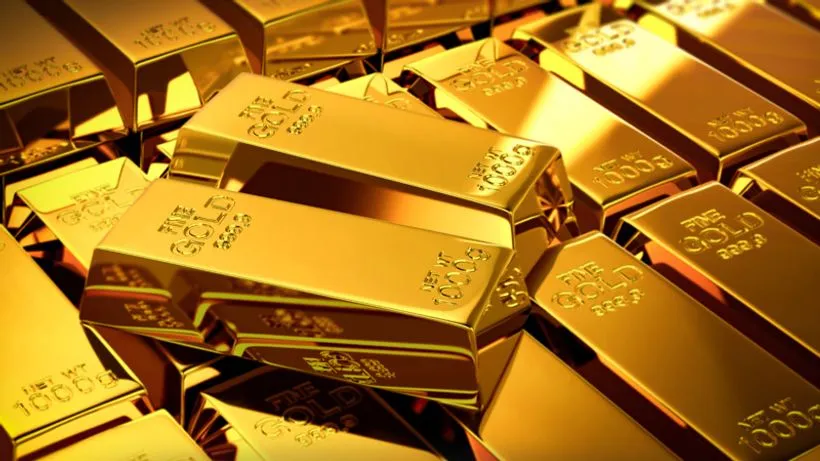
Во последната деценија, златото го потврди својот статус на најсигурна светска инвестиција. Од 2015 година до денес, цената на златото...
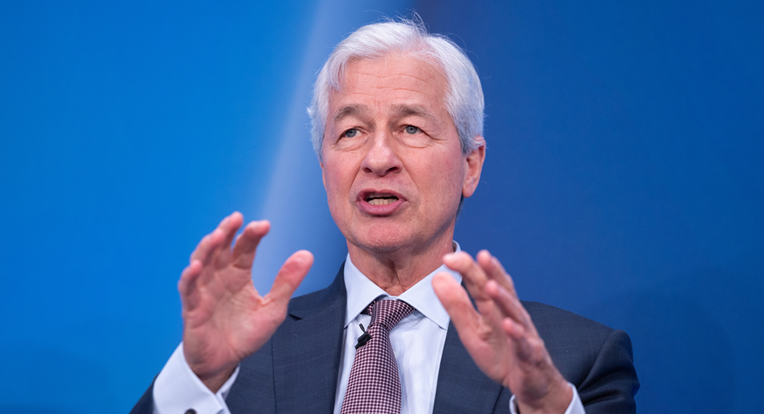
Постои многу поголем ризик од сериозен пад на американските акции отколку што пазарот моментално покажува, изјави шефот на JP Morgan...
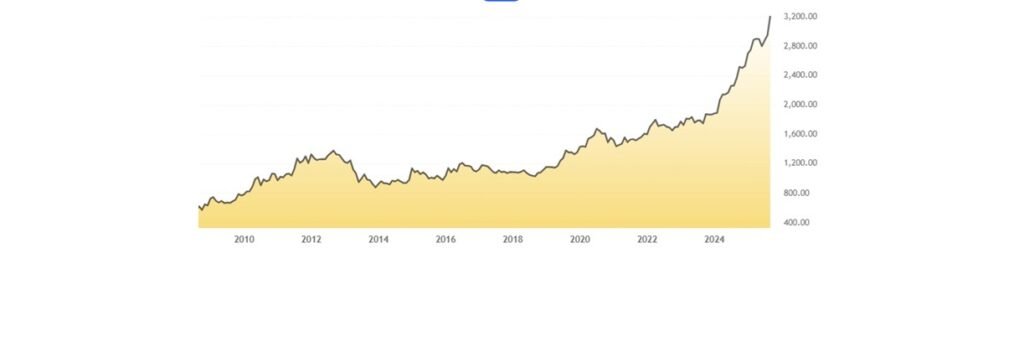
Според актуелните податоци: На GoldAvenue цената на грам злато изнесува ~ $120,95 USD На APMEX, цената на грам е $121,17...