
Има ли експерти кои ќе ги учат градоначалниците на планско трошење?
20.03.2026



27.02.2026

27.02.2026

29.01.2026

09.03.2026

27.02.2026

19.02.2026

16.11.2025

16.11.2025

16.11.2025

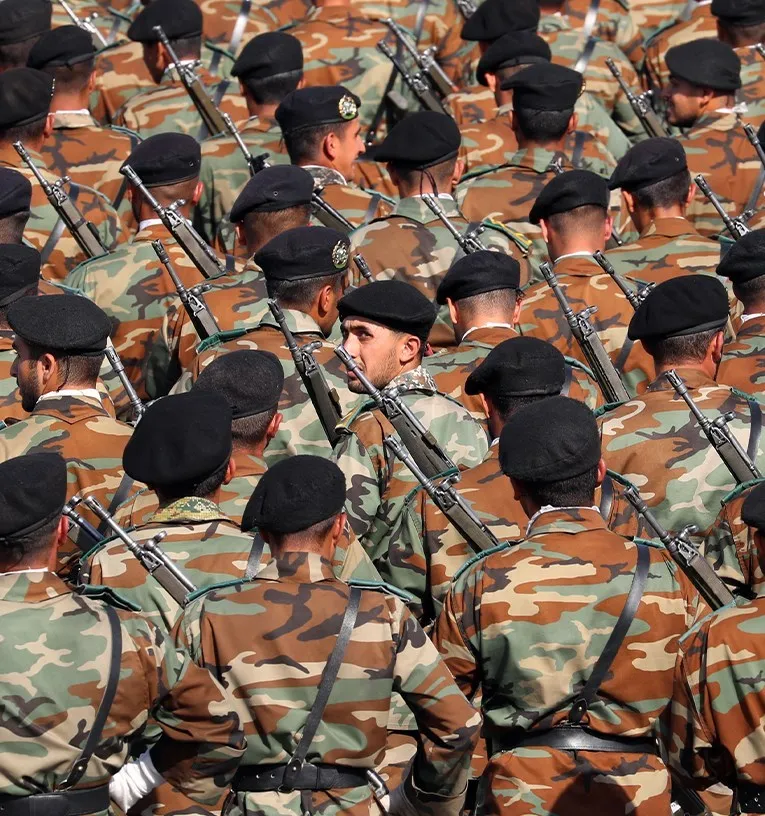
Following massive Israeli-American air strikes on Iran, the world is watching with apprehension for Tehran's next move. Military analysts are examining several scenarios, warning that escalation could be devastating for the entire region.
Iran's arsenal includes significant stockpiles of ballistic missiles, cruise missiles and drones. Analysts note that "if you send 100 or 500 missiles, the sheer number provides dominance." Iran has already demonstrated a willingness for mass projectile launches in previous exchanges with Israel.
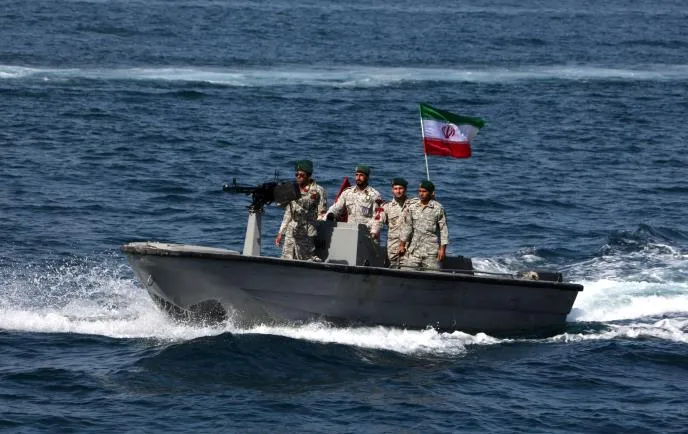
One of the key questions is whether Iran will decide to blockade the Strait of Hormuz. Some 20–25 percent of the world's maritime oil imports pass through it, and a blockade would trigger a global spike in energy prices. However, Iran itself is economically dependent on exports through the strait, making this option risky for both sides.
The conflict has already caused the closure of airspace over Iraq and Iran, cancellation of international flights, and a rise in the oil market. The US military contingent in the region – including aircraft carriers and air units – is at its highest level since 2003.
International diplomatic actors, including the UN and regional players, called for restraint and de-escalation, warning that a wider military conflict would have devastating consequences not only for the Middle East but also for the global economy.
The latest 10 news from this category

Нови прописи ја укинуваат подобноста за комерцијални возачки дозволи за странски државјани, загрозувајќи ги синџирите на снабдување.
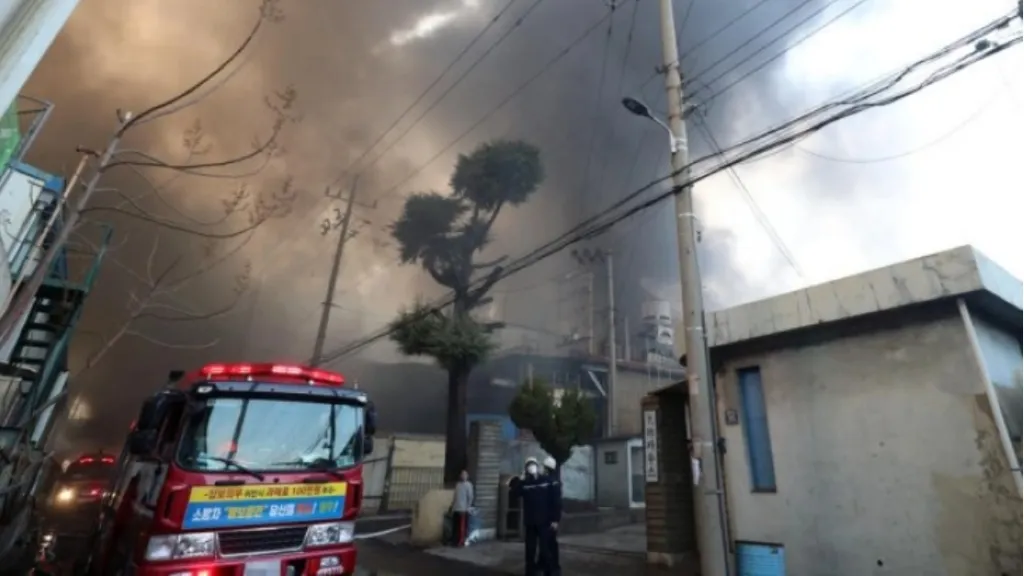
Националната противпожарна служба прогласи национална мобилизација по пожарот во градот Деџон, 35 лица се во критична состојба.

Joe Kent, former US counterterrorism director, claims he and other senior officials were prevented from expressing concerns about a potential...
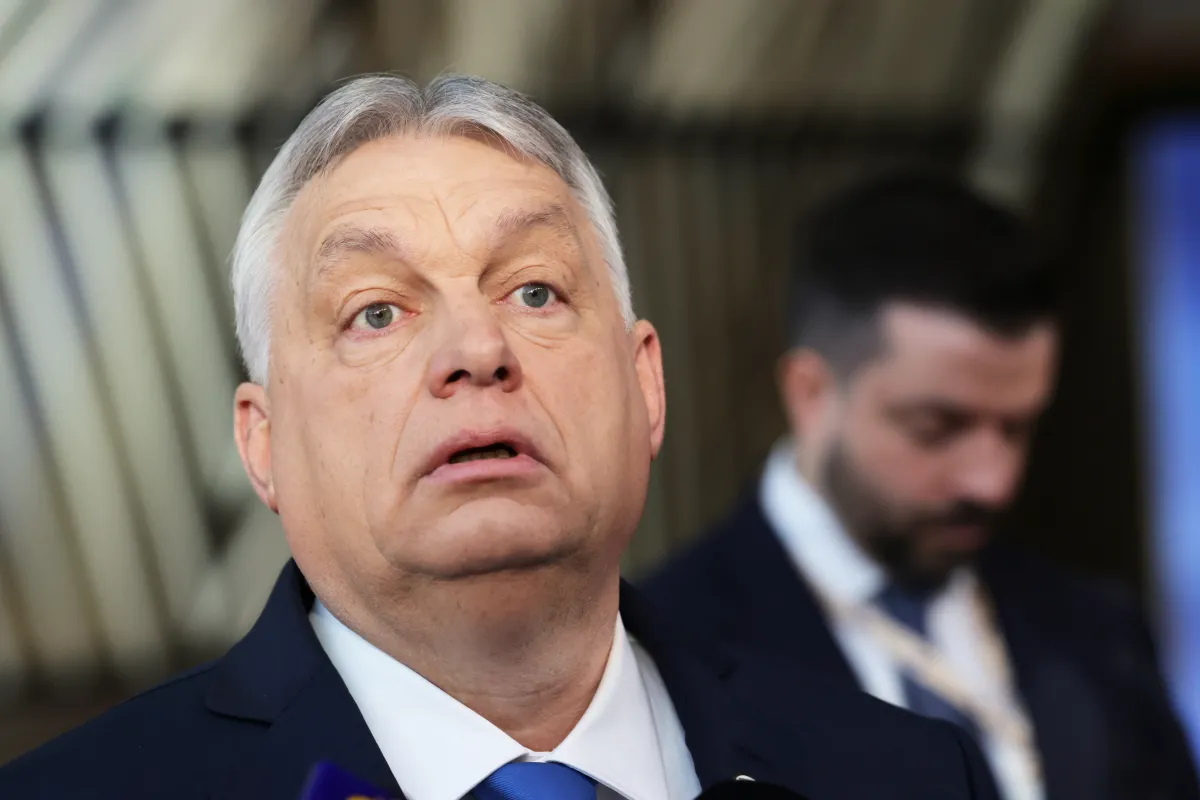
Orban blocks 90 billion euro Ukraine loan at EU summit, causing paralysis in Brussels.

Father of fallen soldier contradicts Defense Secretary Hegseth's claims about war conversation.
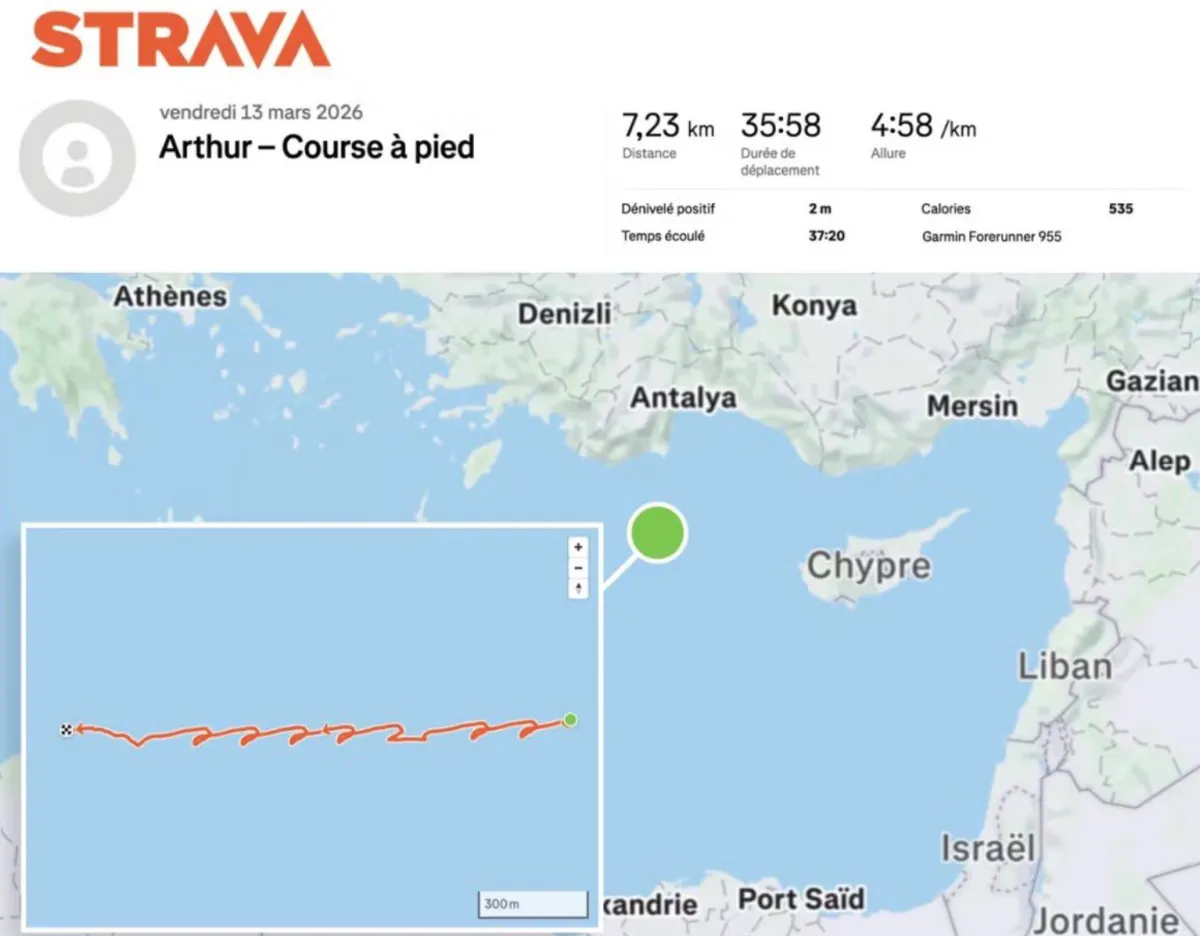
French naval officer revealed the location of carrier Charles de Gaulle through Strava fitness app.
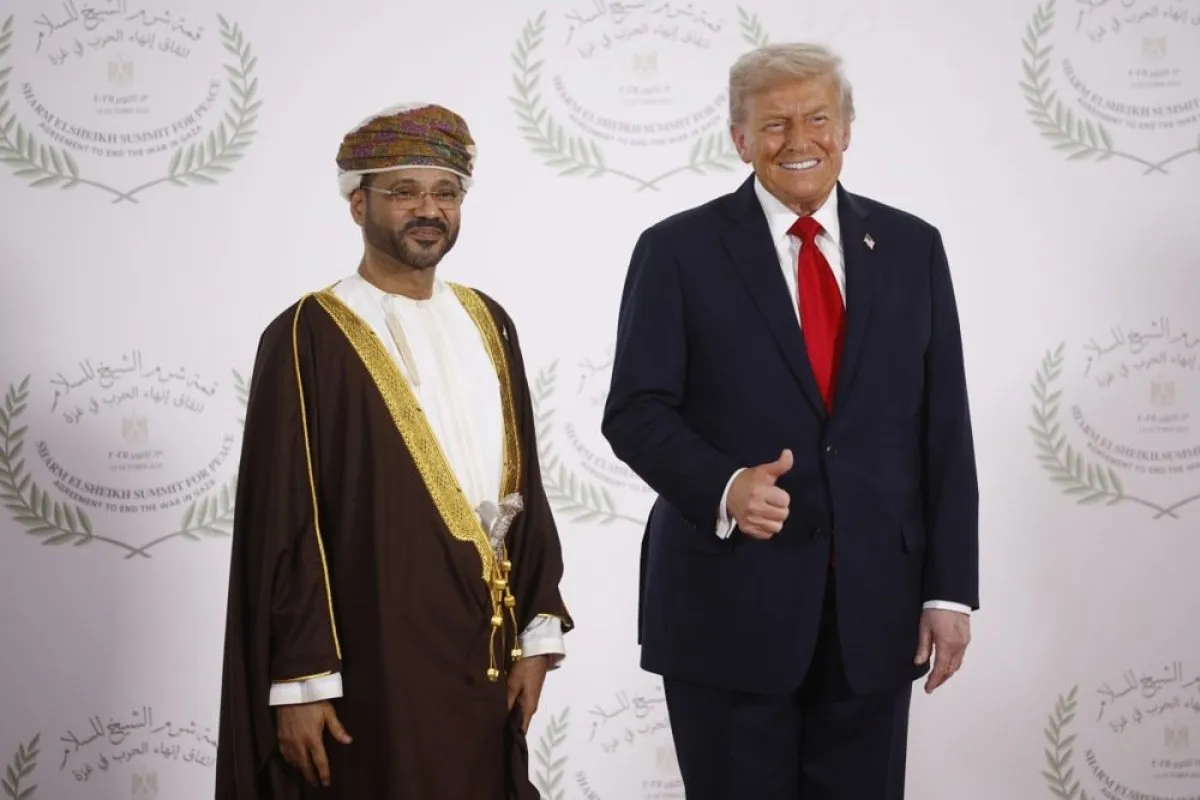
Oman's foreign minister stated that a peaceful resolution with Iran was possible, but the American administration allowed itself to be...
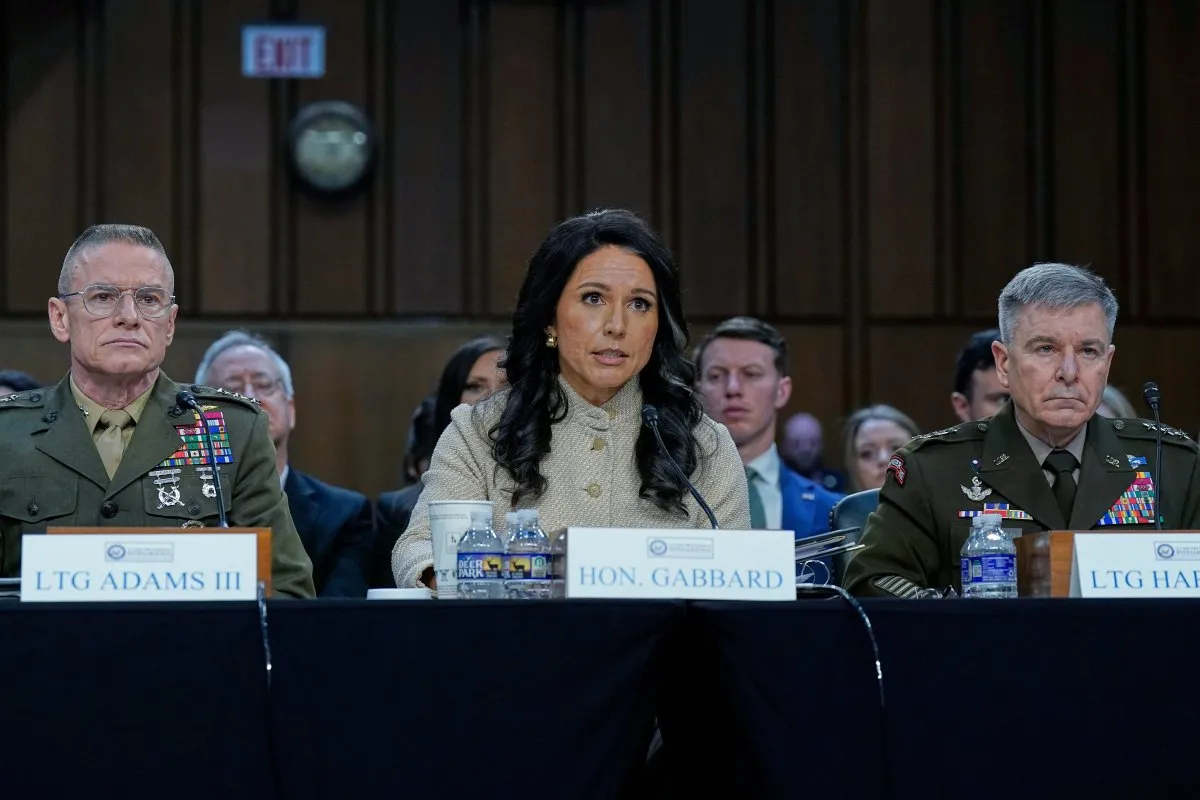
The US intelligence director stated that Russia has no intention of abandoning its military goals and will continue its war...

Starting in April, visitors from a total of 50 countries will need to pay a deposit when entering the US....
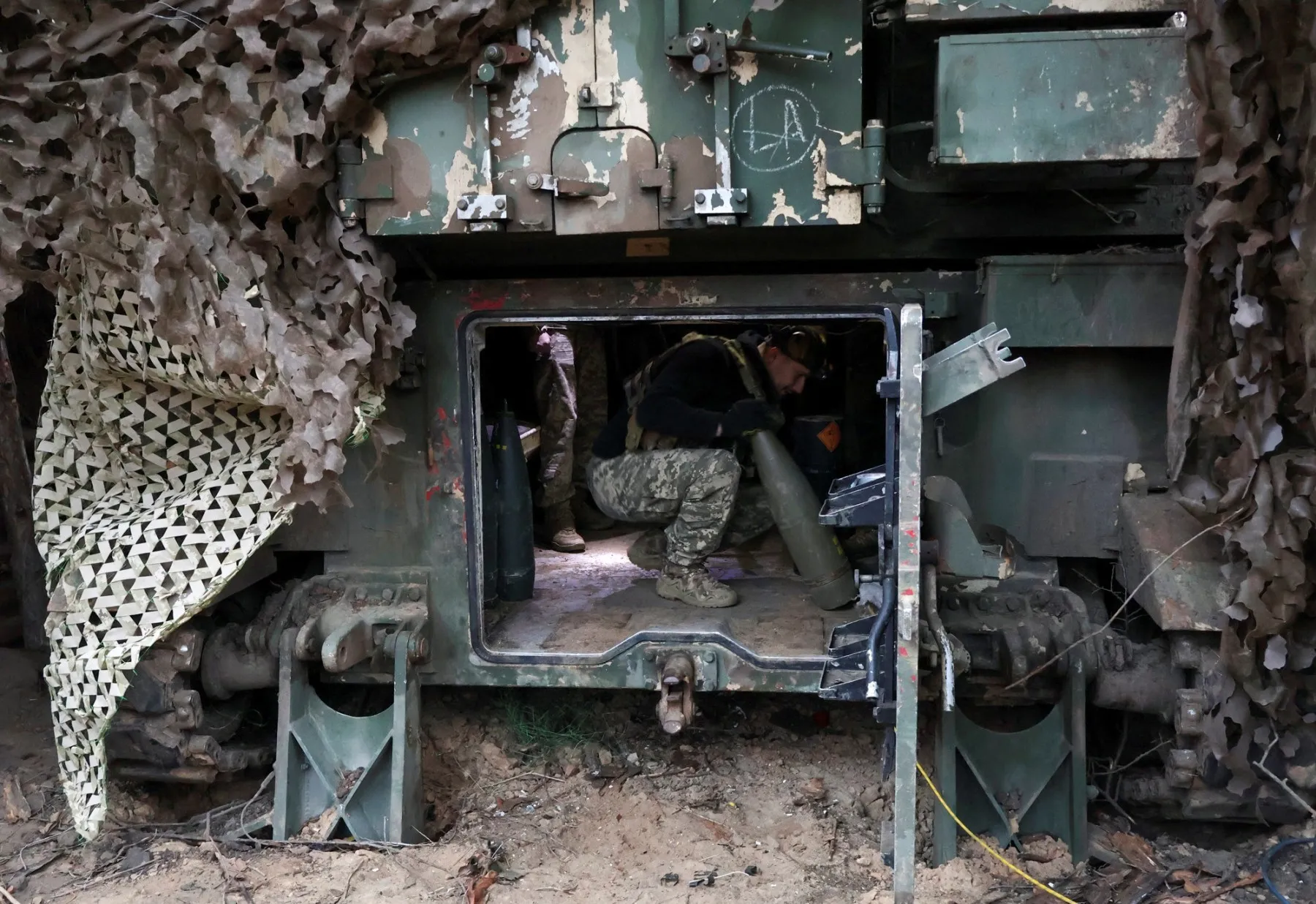
The Kremlin confirmed that trilateral negotiations with the US and Ukraine are on hold as the Middle East conflict absorbs...