Одборот за мир на Трамп остана без пари, само три земји уплатија
11.04.2026



09.03.2026

27.02.2026

19.02.2026

16.11.2025

16.11.2025

16.11.2025


The European Commission announced that more than 27,000 people have been denied entry into the European Union since the new Entry/Exit System (EES) came into force, replacing traditional passport stamps with digital biometric controls.
The system, which has become fully operational at all external borders of the Schengen zone, automatically records the entries and exits of third-country nationals. Instead of manual stamping, border services now use electronic verification with biometric data.
The European Commission identified three main reasons for entry refusals: exceeding the permitted stay of 90 days within a 180-day period, missing or incomplete biometric data required for verification, and security reasons related to individuals flagged as a risk in any member state.
The implementation of EES has already caused significant congestion at border crossings, particularly at entry points to Croatia from Serbia and Bosnia and Herzegovina, where travelers waited for hours. Problems have also been observed at European airports, where airlines warned of the need for additional time to process passengers.
The Commission welcomed the full implementation of the system, emphasizing that every entry is transparent and legally established, and the system enables immediate detection of individuals who have overstayed their permitted period. Citizens traveling to the EU are advised to allow extra time at border crossings and to ensure their documents are complete and up to date.
The latest 10 news from this category

Zoran Stevanović from the far-right party Resni.ca elected as Assembly Speaker with 48 votes, paving the way for Janez Janša...

Peter Magyar's Tisza party leads with 52 versus 39 percent ahead of Fidesz, but the large number of undecided voters...

Employees at N1 Serbia have expressed concern over editorial independence following the removal of a senior editor, raising fears about...

Greek authorities seized nearly 43 kilograms of processed cannabis resin on Rhodes island following a precise tip-off.
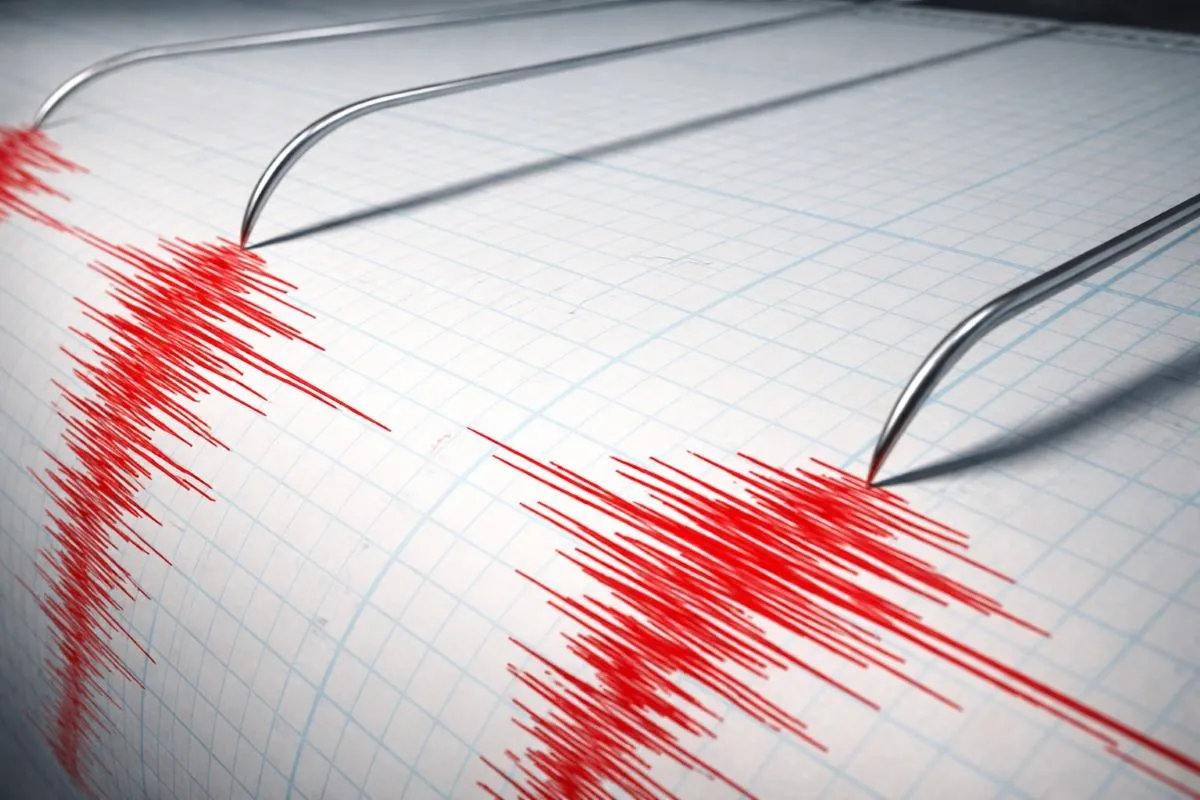
Four consecutive earthquakes hit the Epirus region. No injuries or significant material damage reported so far.

Wealth accumulated by Orban's inner circle fuels growing discontent. Transparency International ranks Hungary as the most corrupt EU country.
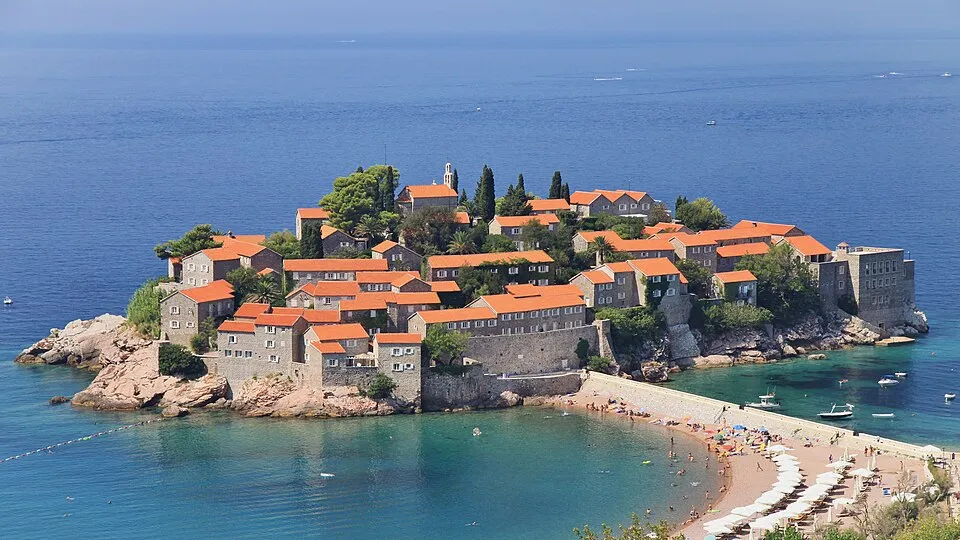
The luxury resort Sveti Stefan in Montenegro may reopen after five years of closure following a government agreement with the...

A hurricane-force storm with gusts of 160 kilometers per hour hit the Kvarner region in Croatia. Krk island is practically...

Cyclone Erminio brought floods and strong winds to Greece. One person died in Attica, a tornado overturned a truck, and...

Serbian parliament speaker Ana Brnabic announced that the party will discuss with Vucic his candidacy for prime minister in potential...