Руте по средбата со Трамп: Тој е без дилеми разочаран од НАТО
09.04.2026



09.04.2026

09.04.2026
09.04.2026

09.03.2026

27.02.2026

19.02.2026
16.11.2025
16.11.2025
16.11.2025
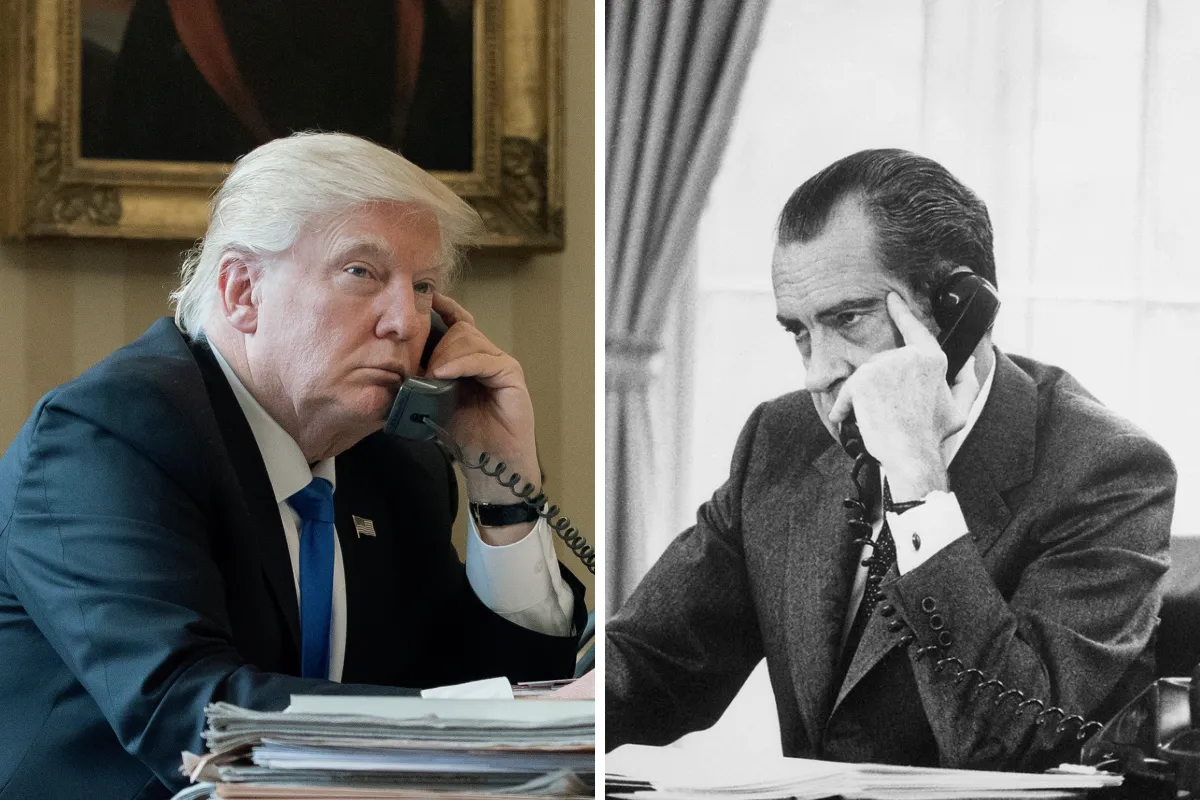
President Trump has long admired Richard Nixon, despite the Watergate scandal and subsequent resignation. Now this admiration has taken on a new dimension - threatening to "wipe out Iran as a civilization" before backing down when Tehran agreed to open the Strait of Hormuz.
This approach mirrors Nixon's "madman theory" in diplomacy - a concept where the adversary is convinced you are unpredictable and prepared to do anything to achieve your goals, thereby forcing them to make concessions they would not otherwise accept.
During a walk with future chief of staff Bob Haldeman in 1968, Nixon articulated this strategy: "I call it the madman theory, Bob. I want North Vietnam to believe I've reached the point where I might do anything to stop the war." He later instructed aides to convey to Soviet representatives that their leader was "a bit unstable."
Critics point out that Nixon's strategy in Vietnam resulted in the devastating bombing of Hanoi at Christmas 1972, and the peace terms were nearly identical to those before the bombing. A similar parallel is drawn now - Tehran agreed to open Hormuz but charges 2 million dollars per ship, meaning it profits more financially than ever before.
"Having not achieved a clear success in this conflict, he probably needs a significant move that would allow him to withdraw and declare victory," assesses Ali Vaez, director of the Iran program at the International Crisis Group. The question is: how many times can such tactics extract you from self-created problems?
The latest 10 news from this category
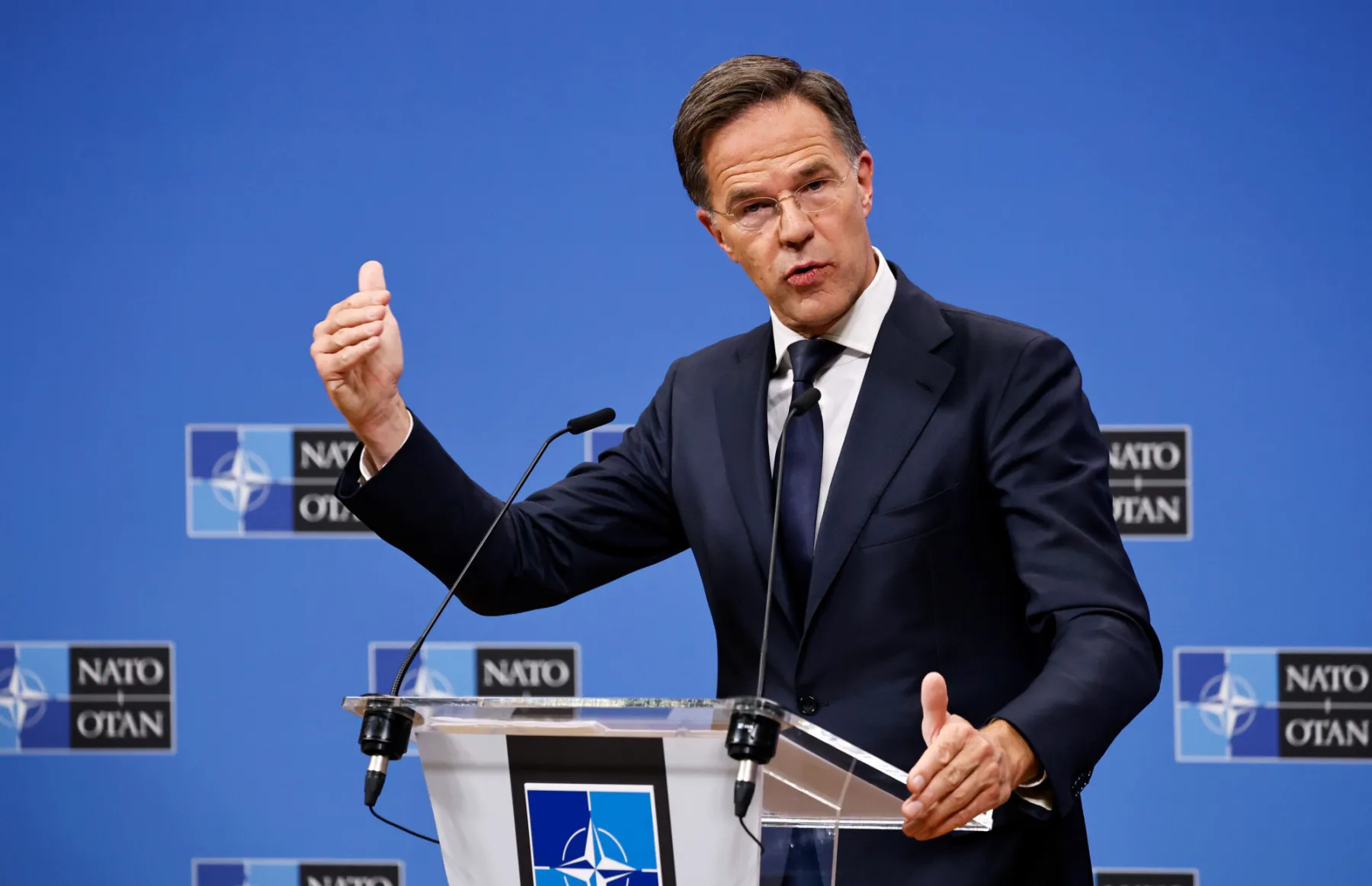
The NATO Secretary General acknowledged that Trump clearly expressed his frustration with European allies who are not spending enough on...
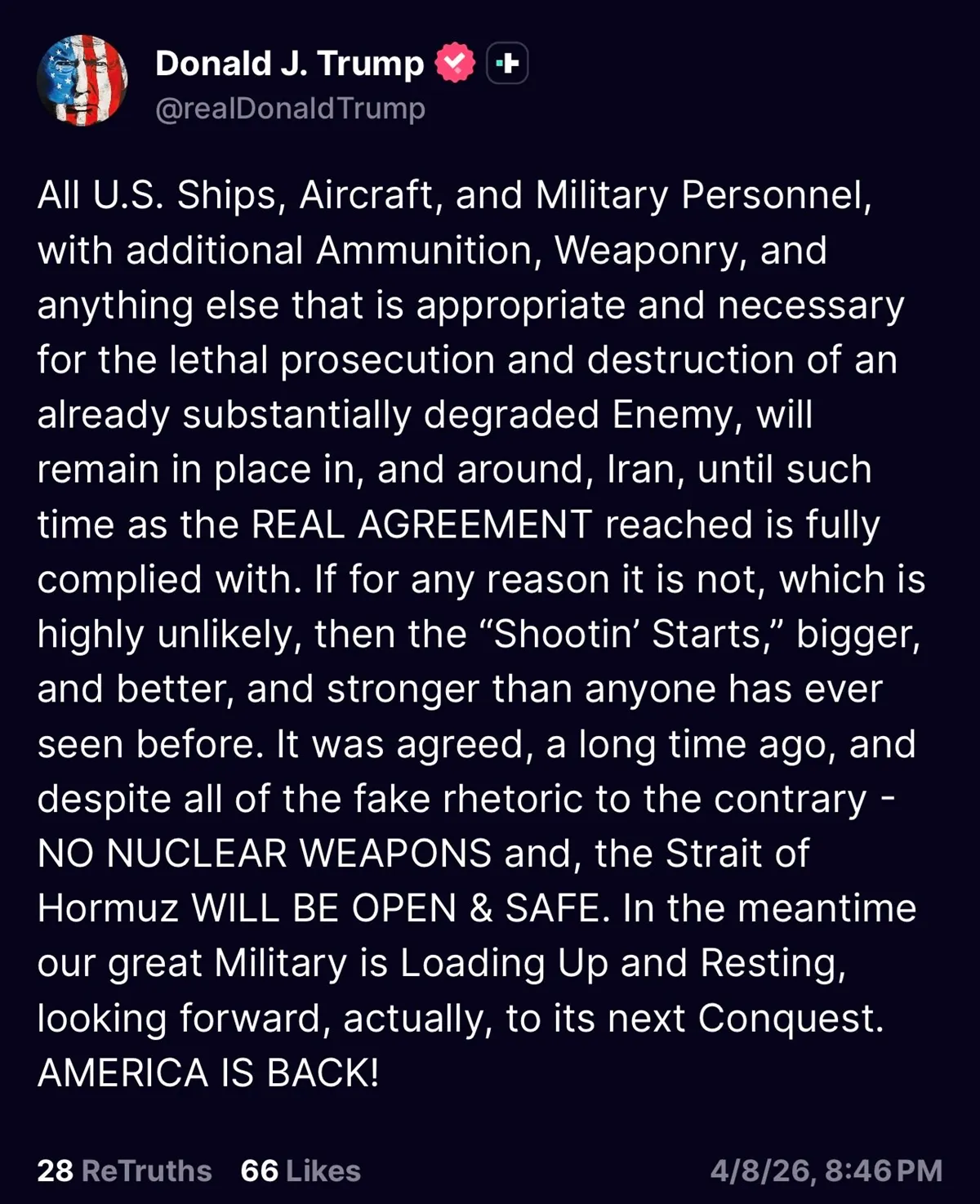
The American president announced that military forces remain positioned in and around Iran until the deal is fully implemented.
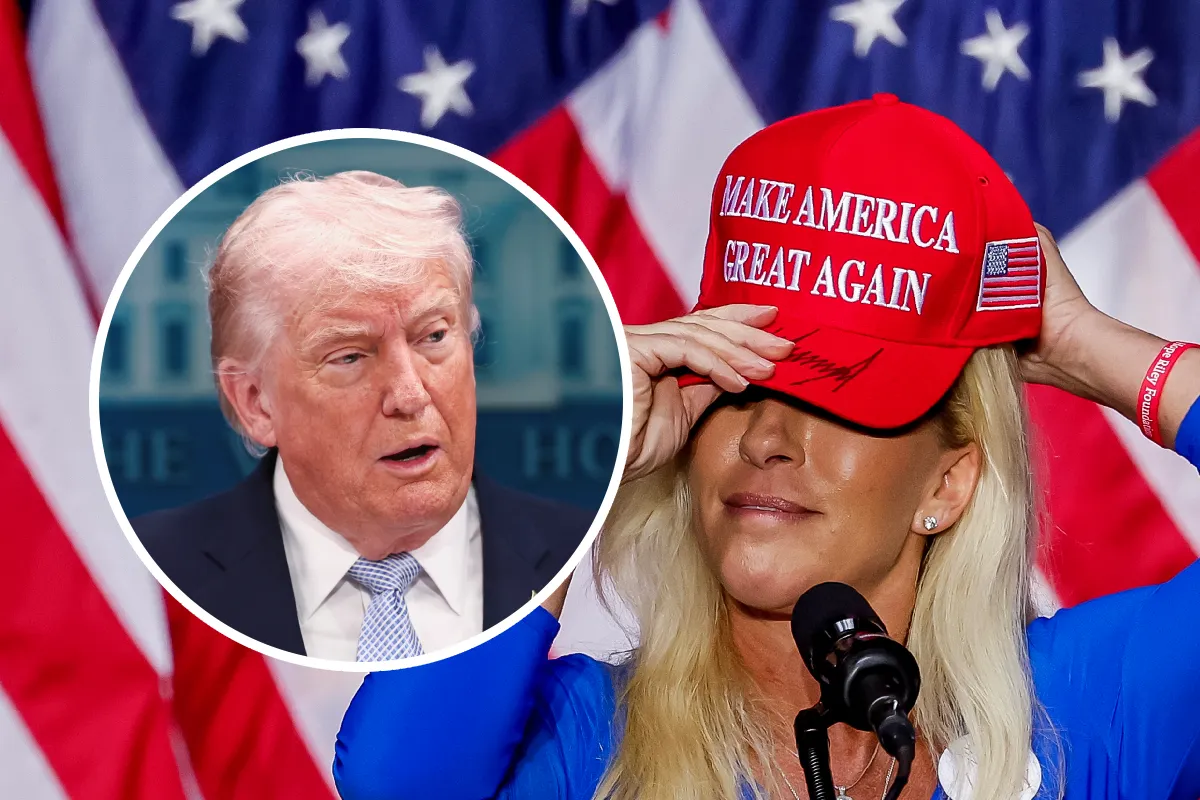
Former close allies in fierce clash: Greene calls for invoking the 25th Amendment against Trump over his Iran threats, and...
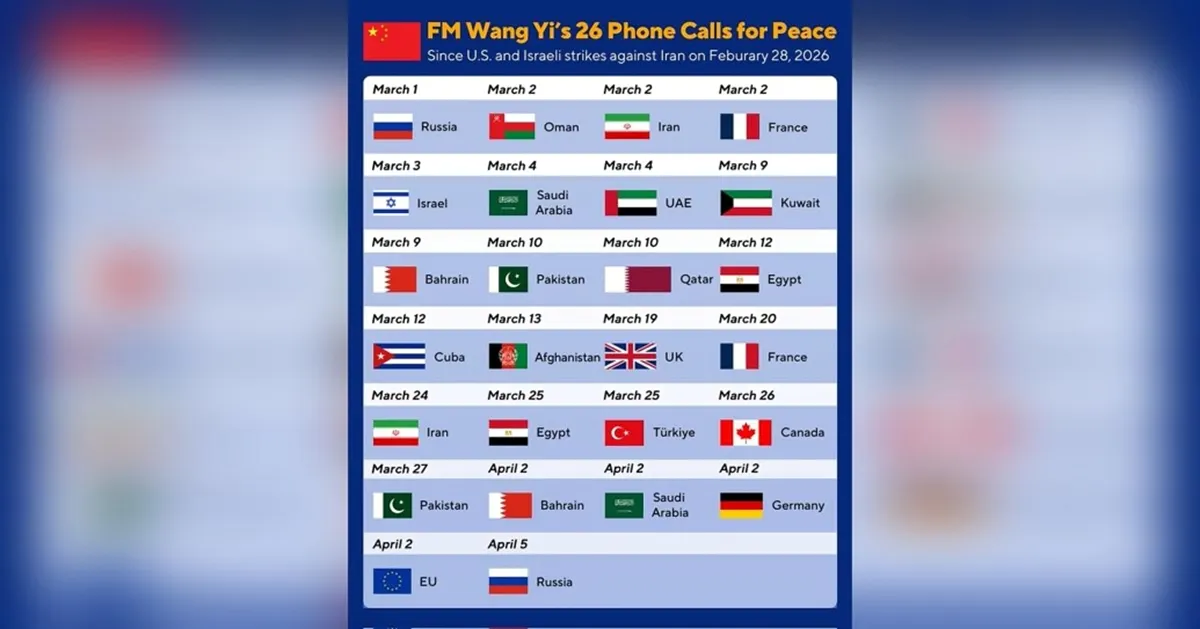
Beijing confirmed its role in the US-Iran ceasefire, while the White House revealed intensive high-level talks with China.
Russia secured an ally in Madagascar after the October coup, gaining access to a key port through which a third...
The American president said the US will cooperate closely with Tehran, revealing that a large part of 15 negotiation points...
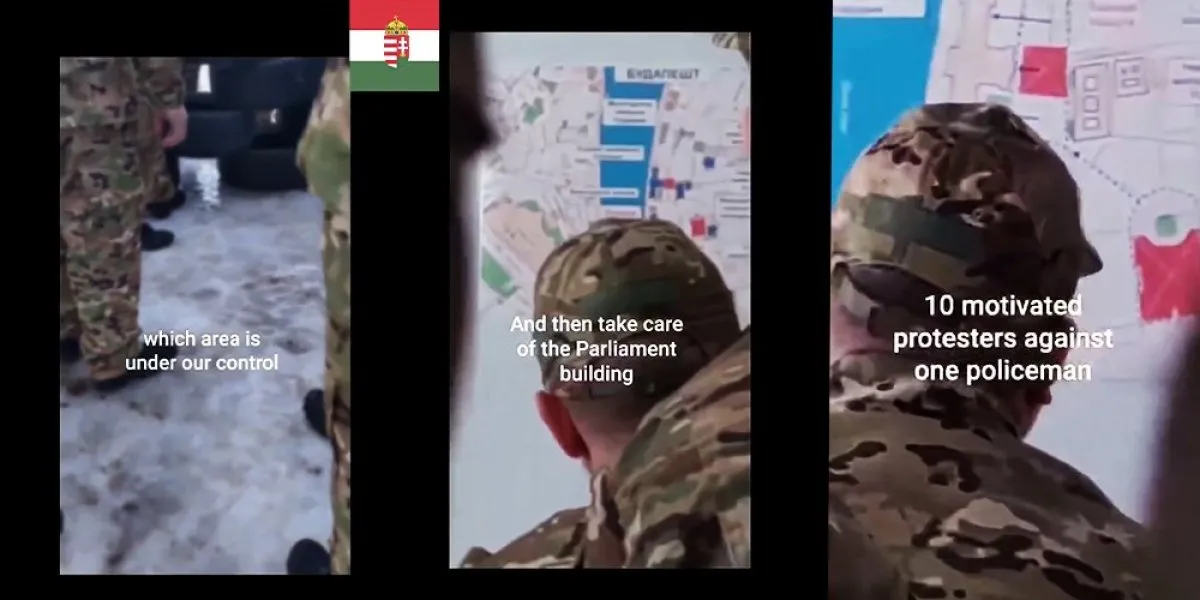
A video circulating on social media allegedly shows Ukrainian soldiers planning mass protests in central Budapest aimed at breaching parliament.
The American president announced secondary tariffs taking effect immediately. Analysts consider Russia and China most vulnerable to the new measure.
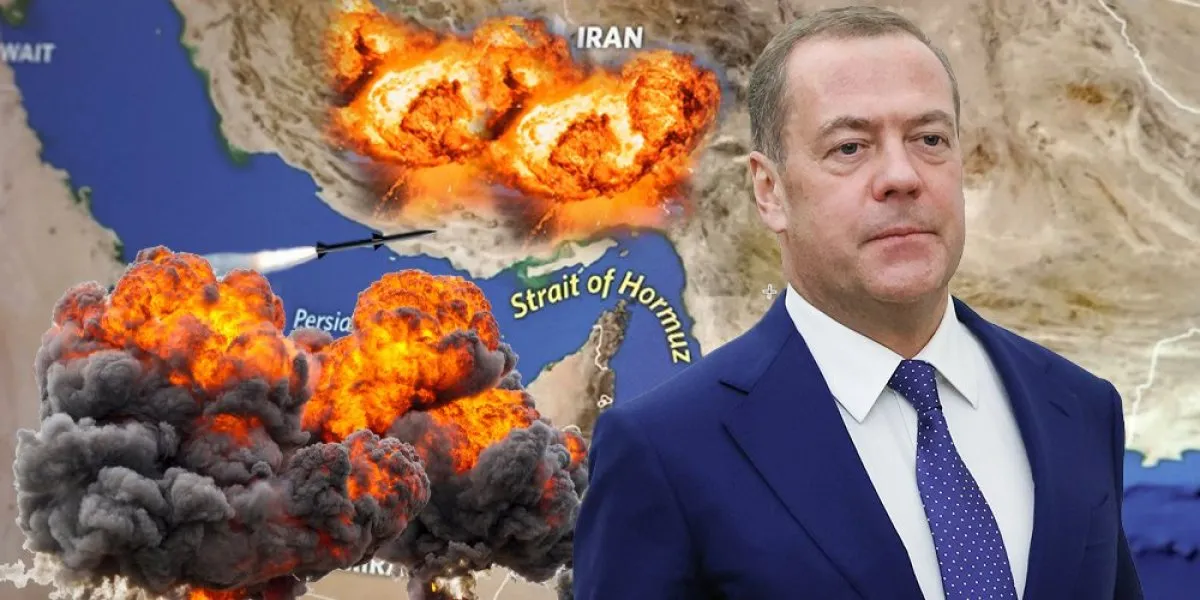
The deputy chairman of Russia's Security Council said Iran demonstrated its nuclear weapon's potential through the closure of the Strait...
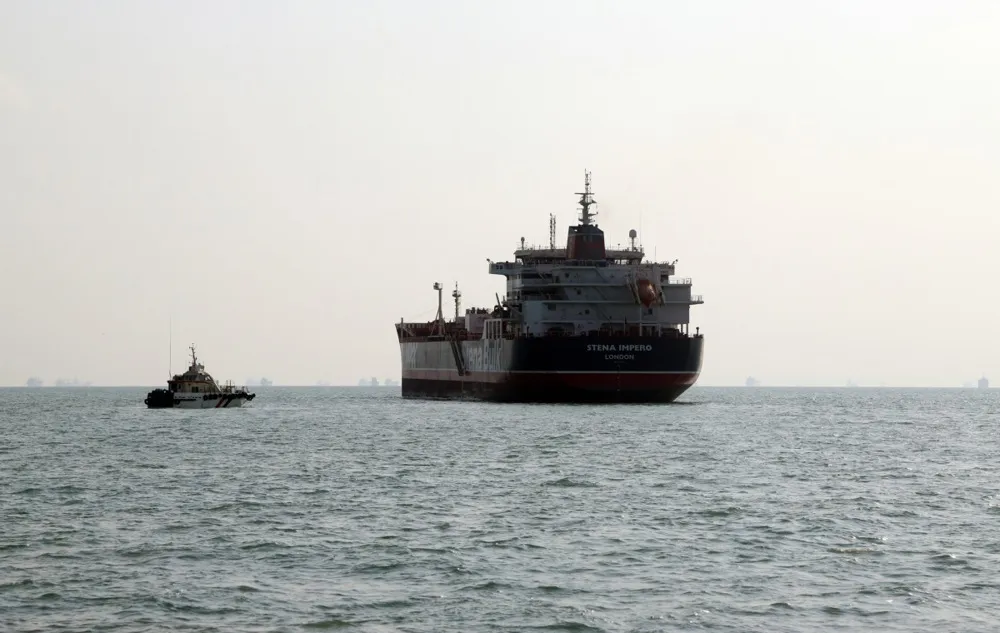
Iran and Oman will impose a toll on ships during the ceasefire, while tankers still wait at the strait entrance.