Ирански амбасадор предупредува: Воени бази во Европа можат да станат легитимна цел
13.03.2026



27.02.2026

27.02.2026

29.01.2026

09.03.2026

27.02.2026

19.02.2026

16.11.2025

16.11.2025
16.11.2025

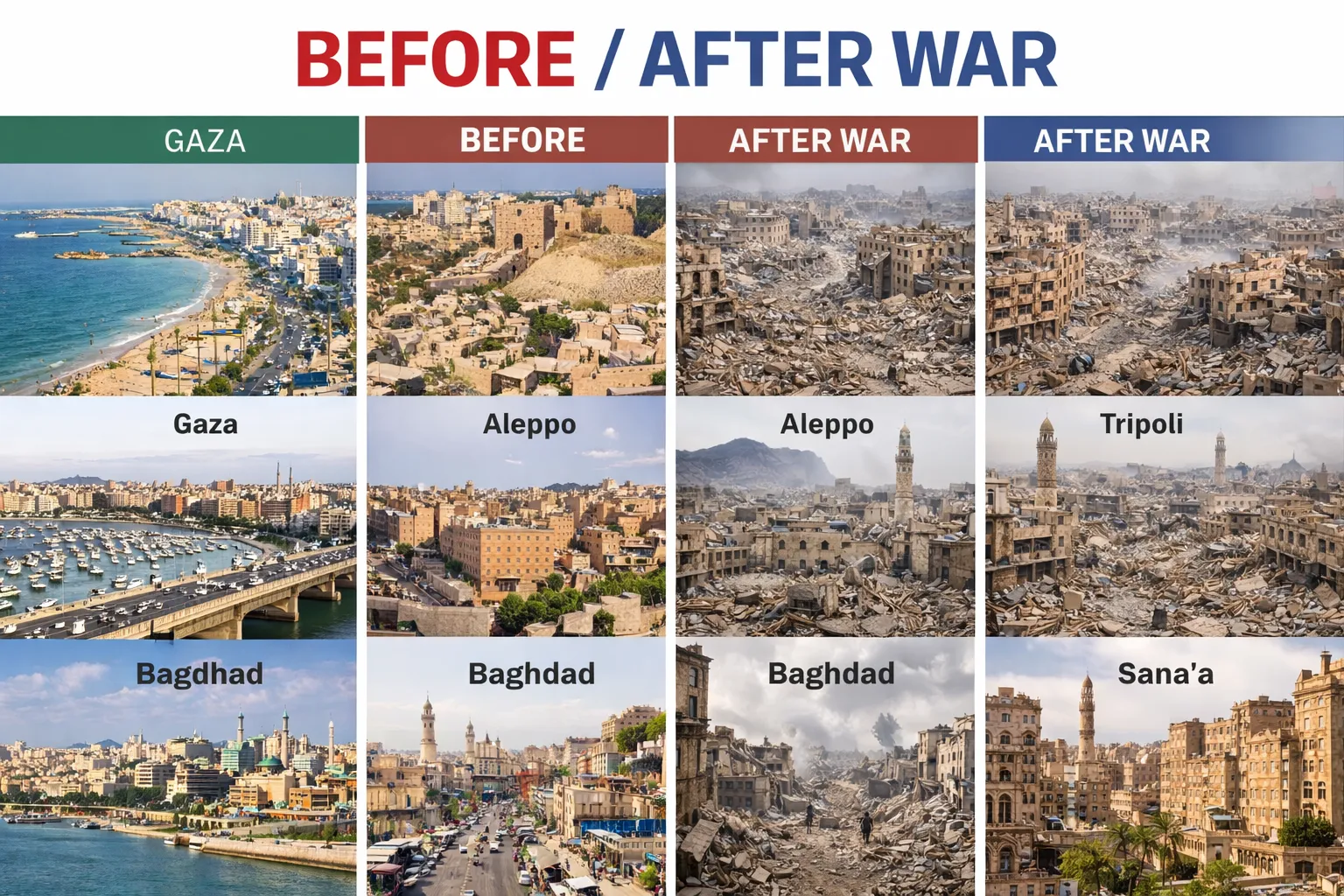
The Middle East is a region with civilizations that have existed for thousands of years. From the ancient cities of Iraq and Syria, to the historic centers of Yemen and Afghanistan, these lands were the cradle of culture, trade, and religion millennia before the United States and Israel were created.
The cultural and religious mosaic of these countries is very different from Western societies. They are interwoven with diverse ethnic communities, traditional tribal structures, Islamic religious schools, and local political systems. As a result, their social and political development followed a different historical path from that of Western democracies.
Iran has been under sanctions since 1979 to this day, more than 45 years, with brief periods of partial relief.
The sanctions against Iran are among the longest economic sanctions in modern history, and they have had a major impact on the country's economy, trade, and international relations, effectively destroying its development.
The first US sanctions against Syria began in 1979, when the country was placed on the list of state sponsors of terrorism, and were significantly tightened in 2004.
Before being devastated by war, both Libya and Iraq were also under sanctions.
Military operations were then carried out in the already-ruined states, completely destroying them while artificially replacing their leadership.
What is the result, according to recognized data (however adjusted they may be):
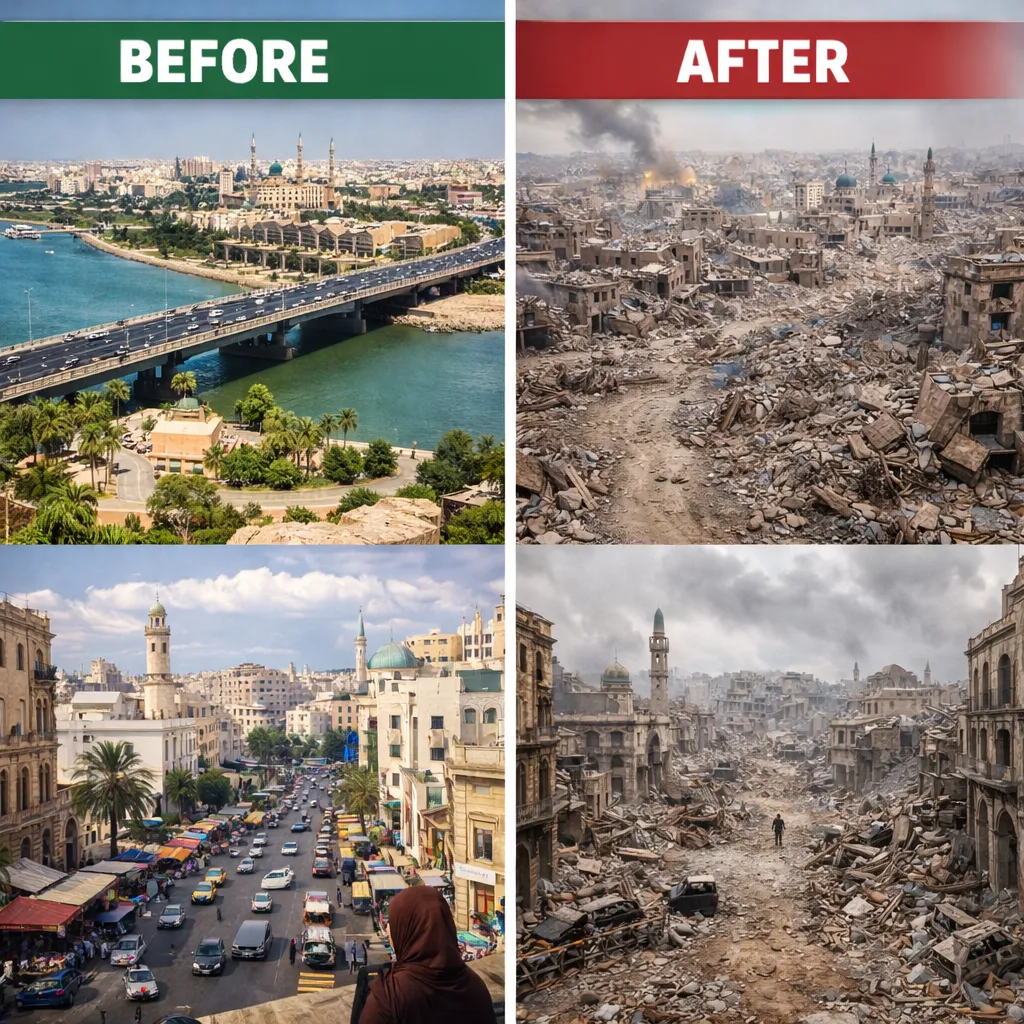
About 9 million Iraqis were displaced at various periods of the conflict.
Of these:
500,000 victims
4–5 million became internally displaced persons
2–3 million fled to other countries
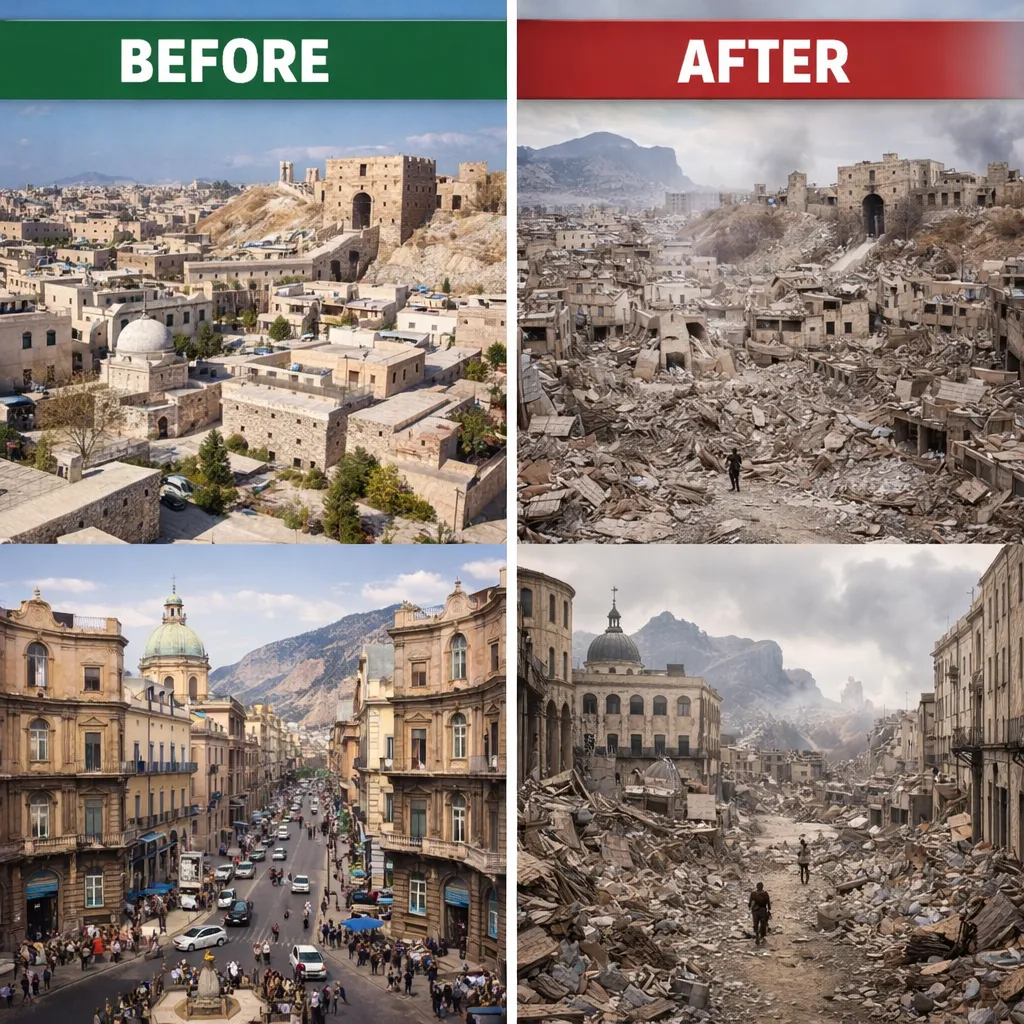
The conflicts in Libya began in 2011 with the civil war and the fall of the Muammar Gaddafi regime, after which the country entered a long period of instability and divided governance.
50,000 victims.
About 1 million people were displaced at various periods of the conflict.
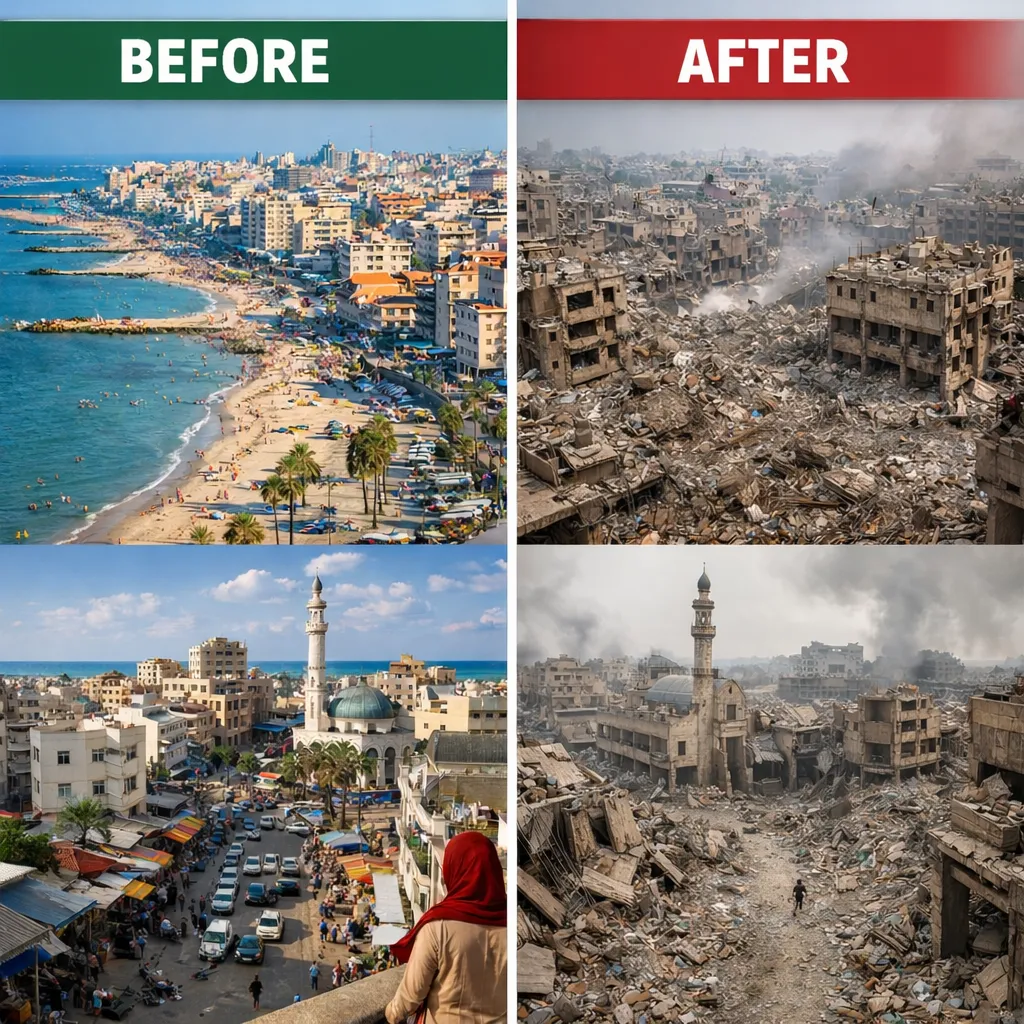
Palestine: Because refugee status is passed on to descendants, today according to data from the United Nations Relief and Works Agency for Palestine Refugees in the Near East:
70,000 victims
About 5.9 million Palestinians are registered as refugees.
The death toll in the war in Syria is very high, and the exact number is difficult to determine because the conflict has been ongoing since 2011 and involves multiple armies, militias, and foreign forces.
Over 500,000 people have lost their lives since the war began.
Over 6 million refugees outside the country
About 7 million displaced within the country
The conflict in Afghanistan has lasted for decades, but the greatest number of casualties are linked to the war that began after the United States and its allies intervened in 2001.
About 240,000–260,000 people died between 2001 and 2021.
About 3.5 million are internally displaced in Afghanistan
About 3 million are refugees in other countries
The war in Yemen began in 2014 and quickly became one of the world's worst humanitarian conflicts.
About 350,000–400,000 people are estimated to have lost their lives.
About 4.5 million people were forced to leave their homes in Yemen.
That is at least 1,780,000 victims and over 20,000,000 displaced — and now a new war that will cause the complete destruction of the Middle East.
These figures show how high a price ordinary people pay when political and military conflicts are waged in the name of ideologies and geopolitical interests. Instead of stability, entire generations grew up in war, destroyed cities, and displacement.
The history of these conflicts is often described as an attempt to create political systems and changes in governance. But for millions of people on the ground, the reality remains much simpler and much harder — lost lives, ruined homes, and a long road back to normal life.
Regardless of political interpretations, one thing is certain: the human cost of these conflicts is enormous, and their consequences will be felt for generations to come.
The latest 10 news from this category
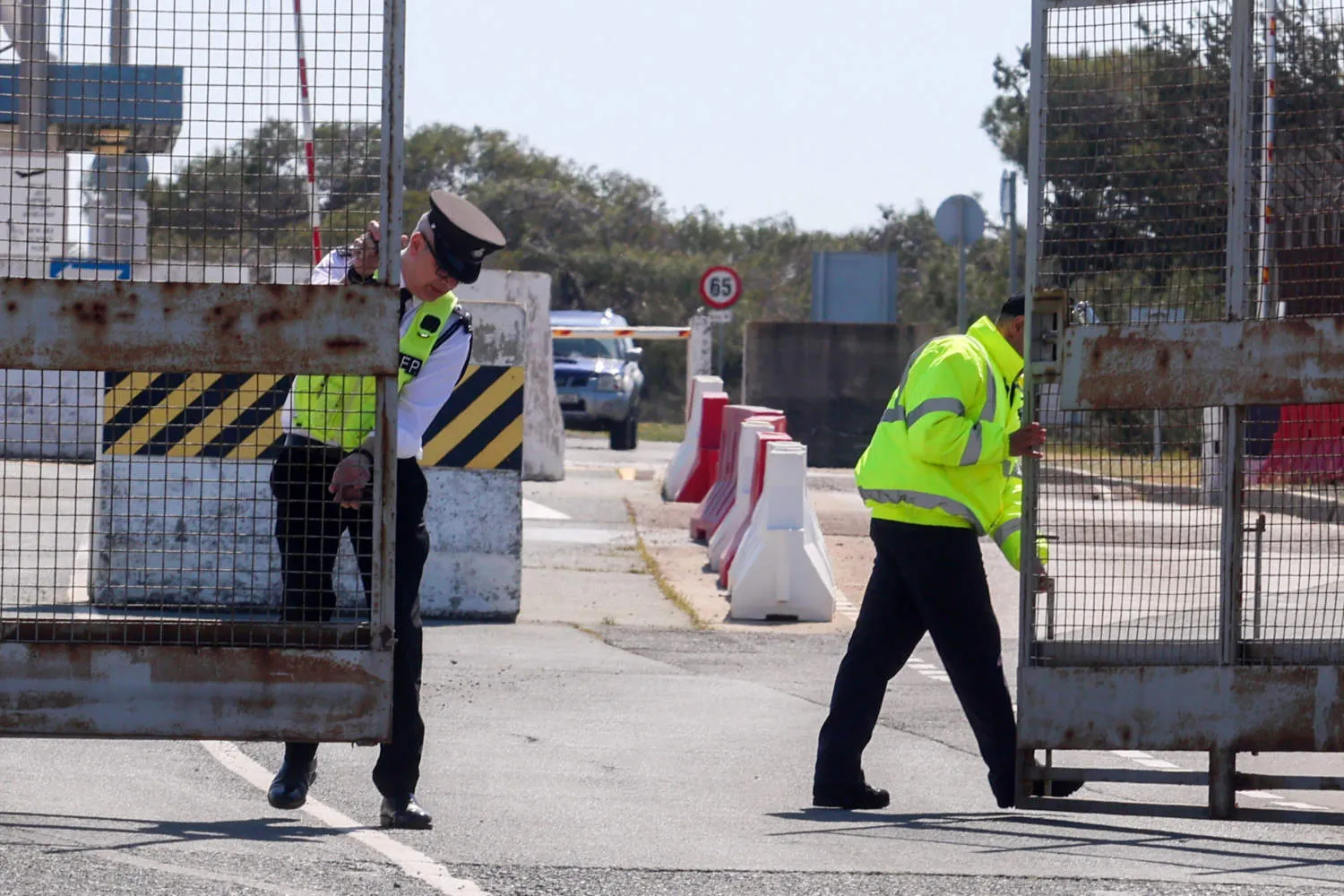
Iran's ambassador to the UN in Geneva warned that any military base used for attacks against Iran, including those on...
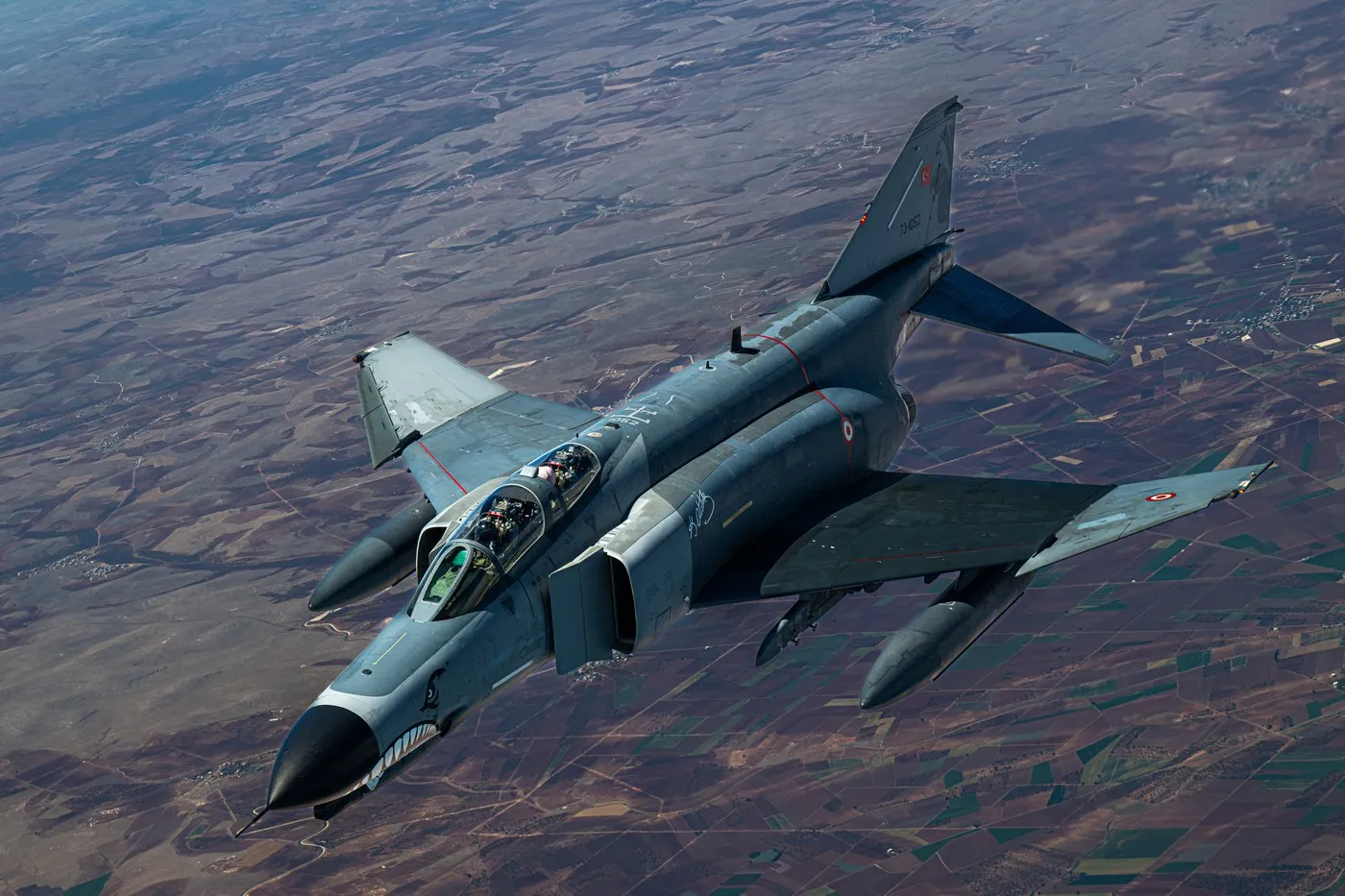
Alarm sirens went off at NATO's Incirlik base in Turkey and air defense systems intercepted two ballistic missiles. The US...
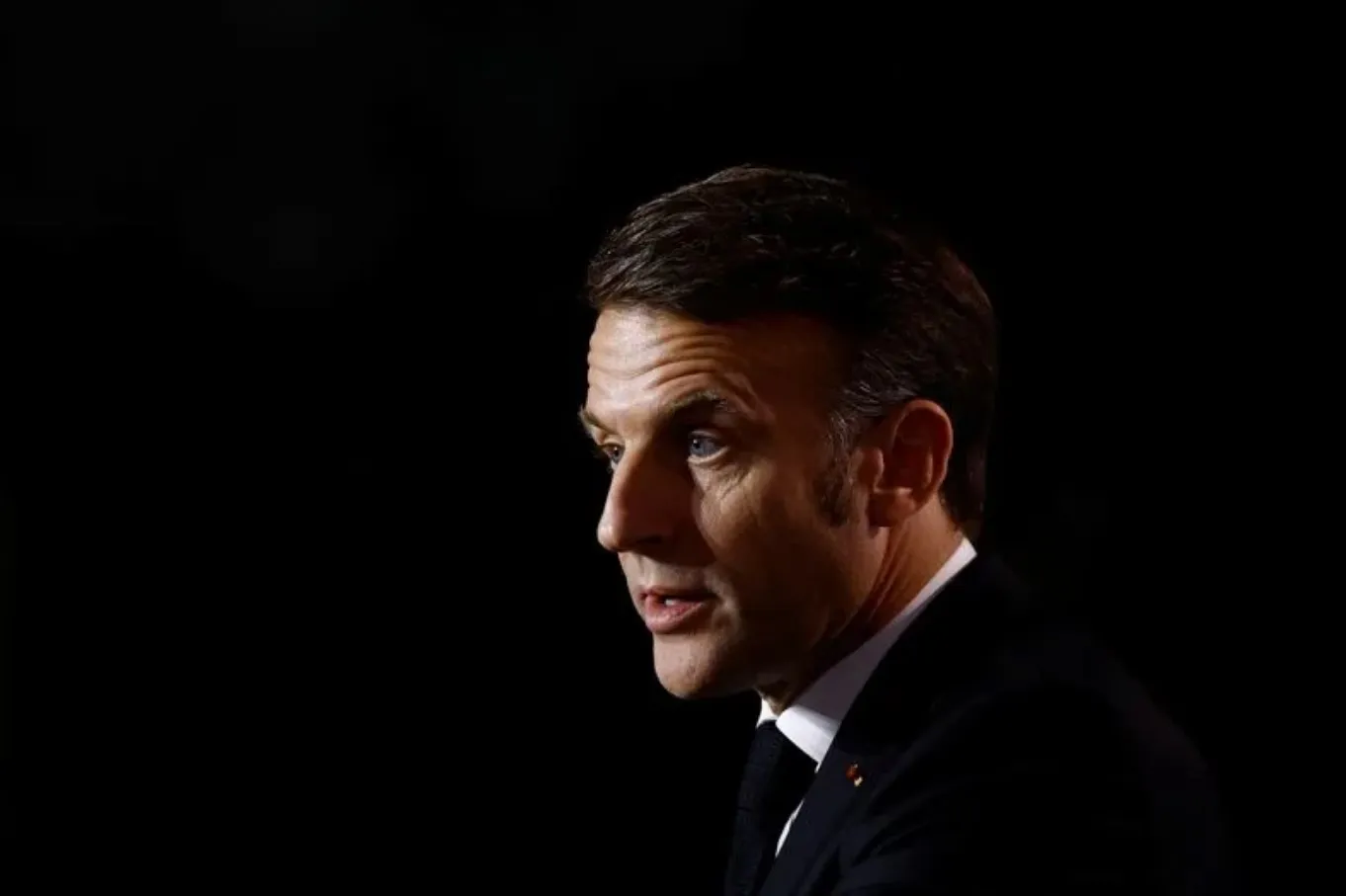
One French soldier was killed and six others were wounded in a drone attack on a military base in Iraq....
A magnitude 5.5 earthquake struck Turkey in the morning, with its epicenter 46 kilometers north of the city of Tokat....
Serbian President Aleksandar Vucic said the decision on calling snap parliamentary elections will not depend on the outcome of local...
Serbian President Aleksandar Vucic confirmed the purchase of Chinese hypersonic ballistic missiles, warning that neighboring countries are just waiting for...

The Foreign Ministry concluded an evacuation contract worth 59.8 million denars (972,000 euros). Four flights, 458 evacuated citizens.

The Minister of Environment confirmed a public hearing will be organized for the renewal of the operating permit for Usje...

ZNAM leader Maksim Dimitrievski stated that SDSM is in serious political crisis and that much of the opposition's activity is...

Nearly a third of online shoppers in the EU encountered problems when shopping online. In North Macedonia, 29.41% reported difficulties...