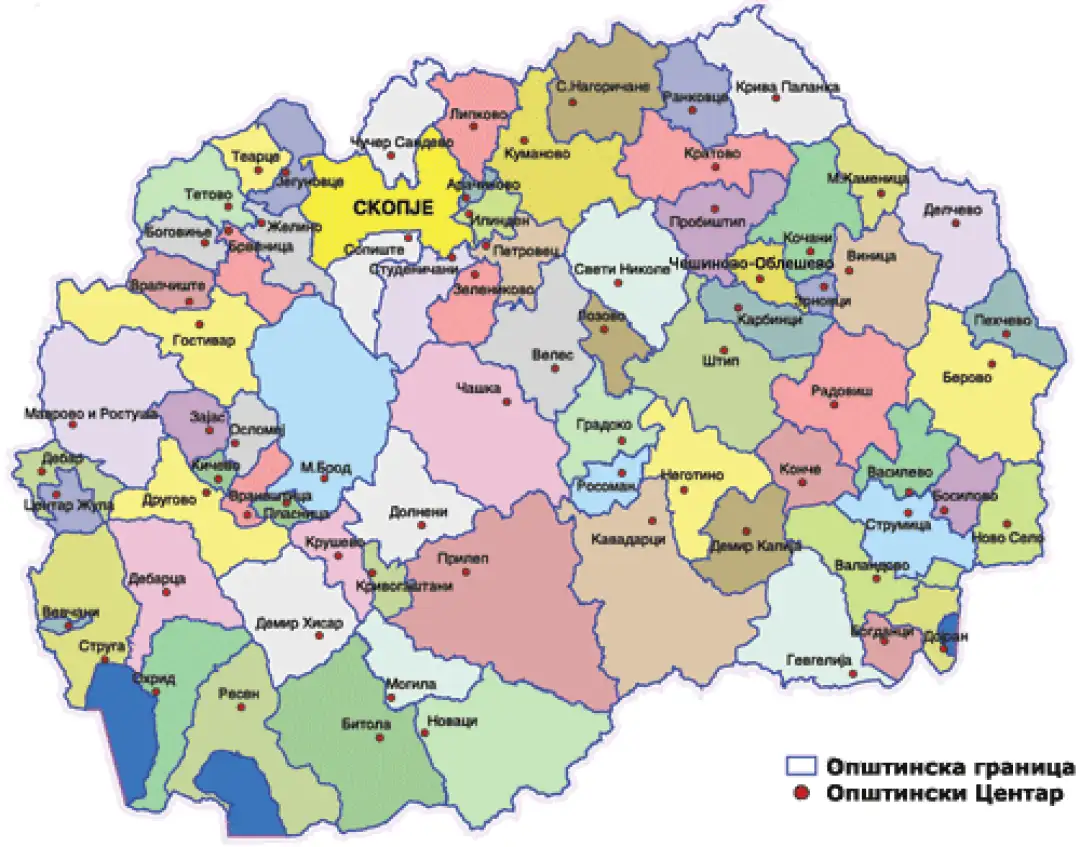
Има ли експерти кои ќе ги учат градоначалниците на планско трошење?
20.03.2026



27.02.2026

27.02.2026

29.01.2026

09.03.2026

27.02.2026

19.02.2026

16.11.2025

16.11.2025

16.11.2025

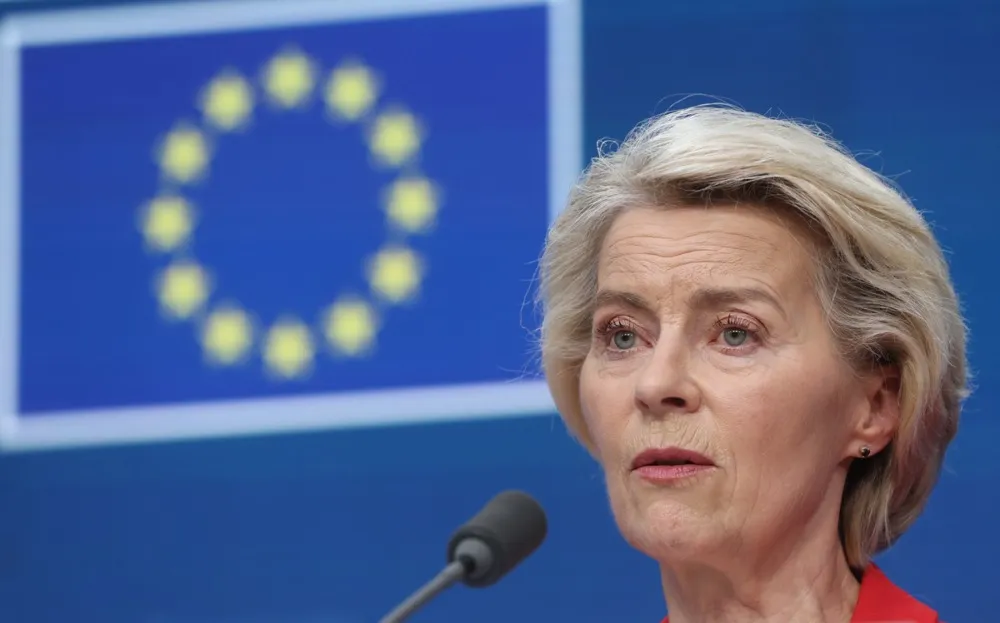
The European Commission presented member states with three possible approaches to future EU enlargement, but the proposal for so-called reverse enlargement — under which new members would join with limited rights and privileges — was met with near-unanimous rejection from member state ambassadors.
The concept was put forward with the aim of avoiding situations where new members could impose vetoes. The proposal was rejected during diplomatic discussions in Brussels regarding Montenegro's accession process.
The Commission considered three scenarios: first, maintaining current practice and membership criteria; second, gradual integration into certain European policies in parallel with negotiation progress; and third — the rejected scenario of limited membership with gradually expanding rights. Several member states remained open to the second scenario, which would give candidate countries access to certain initiatives, such as the SEPA payment system.
Montenegro has set the ambitious goal of becoming the EU's 28th member by 2028, but significant hurdles remain — 20 of 33 negotiation chapters still need to be closed. France, ahead of its 2027 presidential elections, remains cautious about enlargement. Serbia has previously expressed willingness to join without full veto rights.
The latest 10 news from this category

Нови прописи ја укинуваат подобноста за комерцијални возачки дозволи за странски државјани, загрозувајќи ги синџирите на снабдување.

Националната противпожарна служба прогласи национална мобилизација по пожарот во градот Деџон, 35 лица се во критична состојба.
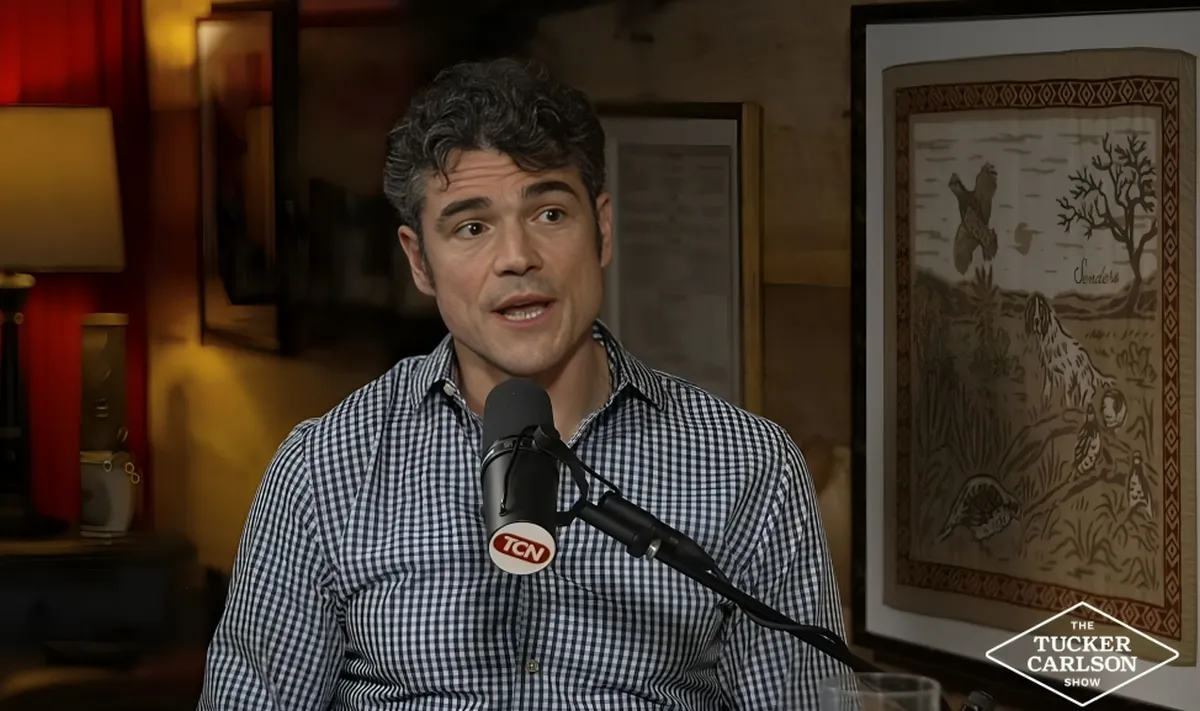
Joe Kent, former US counterterrorism director, claims he and other senior officials were prevented from expressing concerns about a potential...
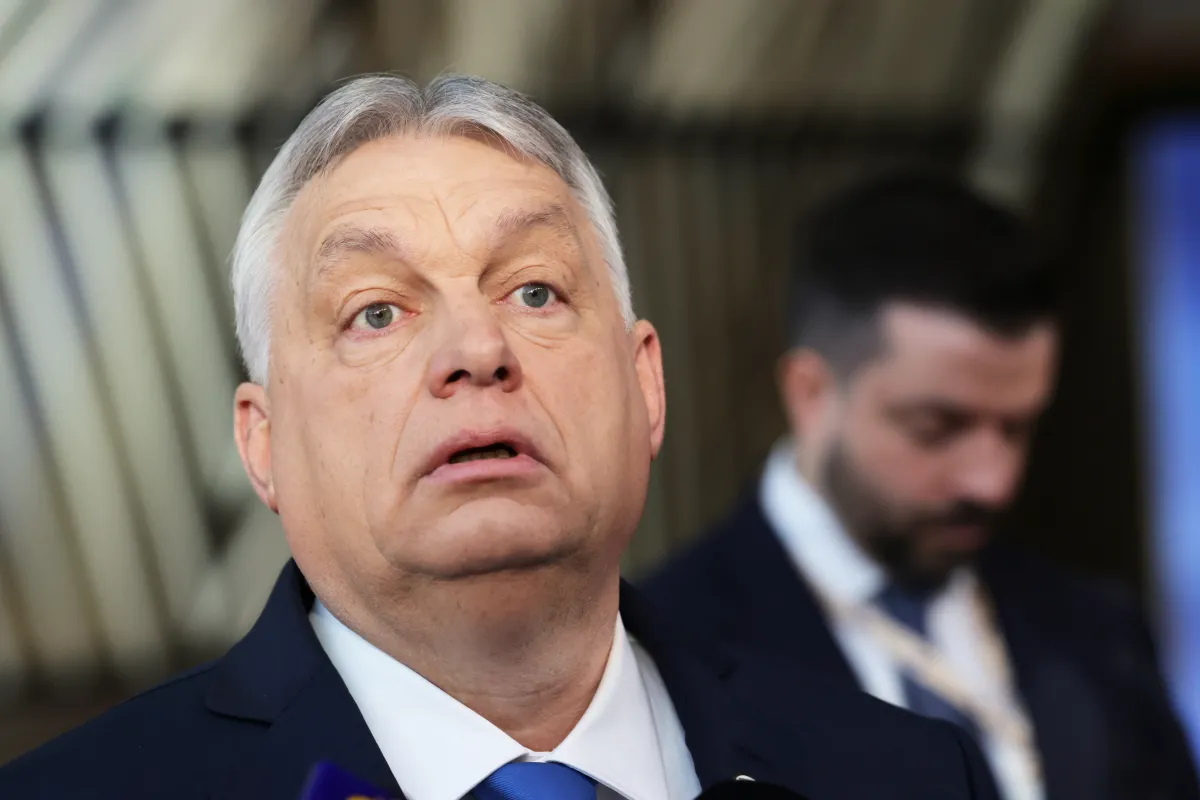
Orban blocks 90 billion euro Ukraine loan at EU summit, causing paralysis in Brussels.
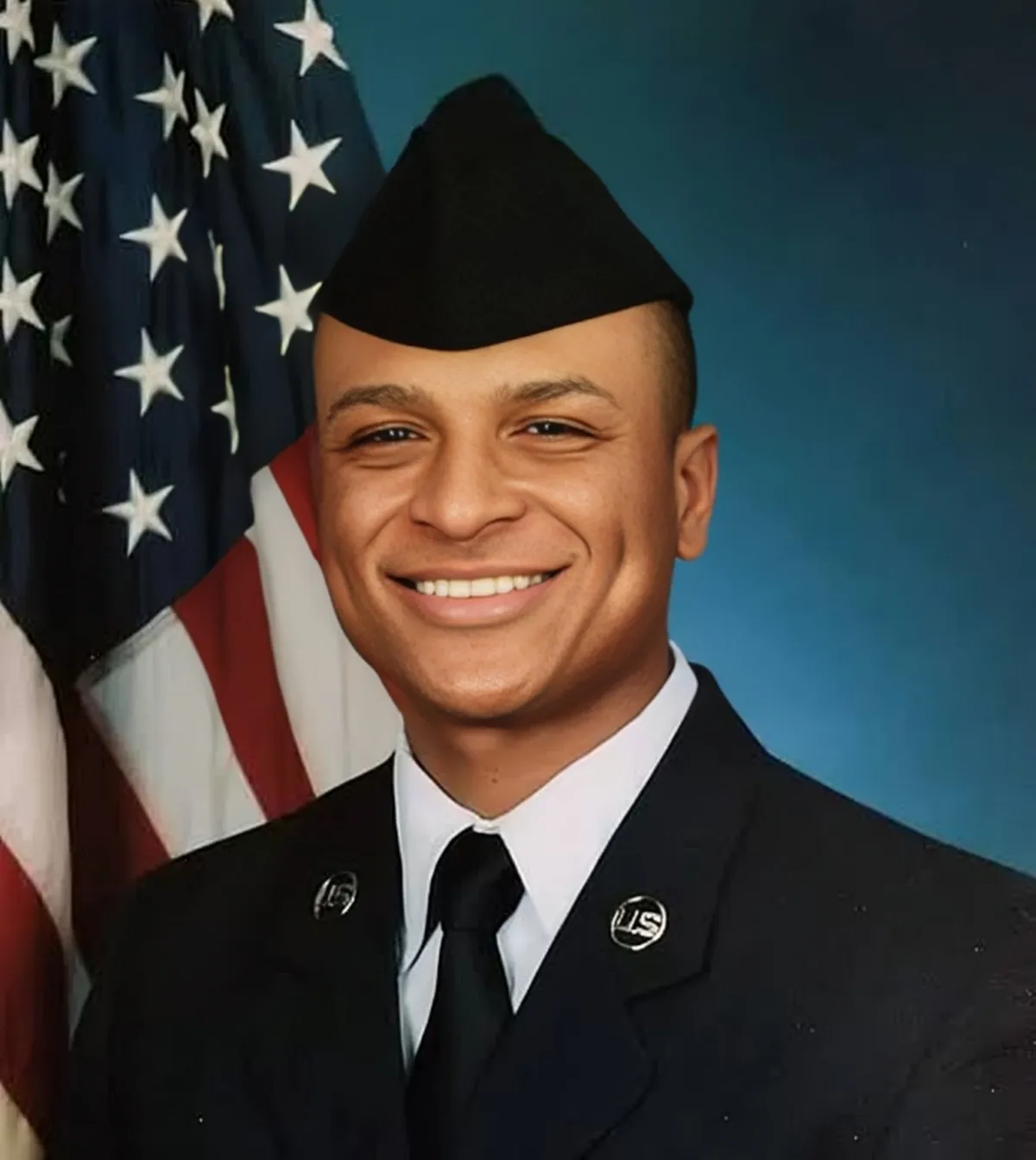
Father of fallen soldier contradicts Defense Secretary Hegseth's claims about war conversation.
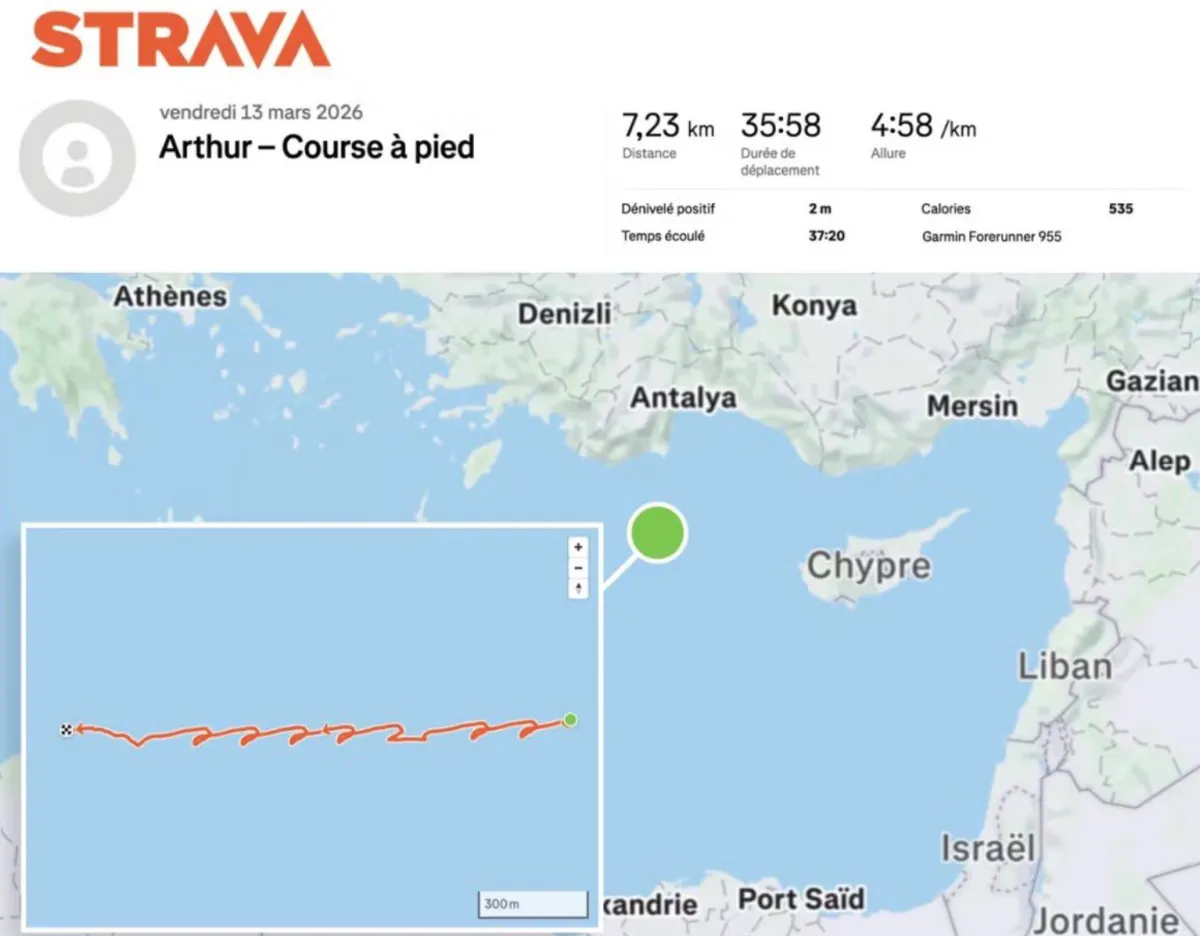
French naval officer revealed the location of carrier Charles de Gaulle through Strava fitness app.
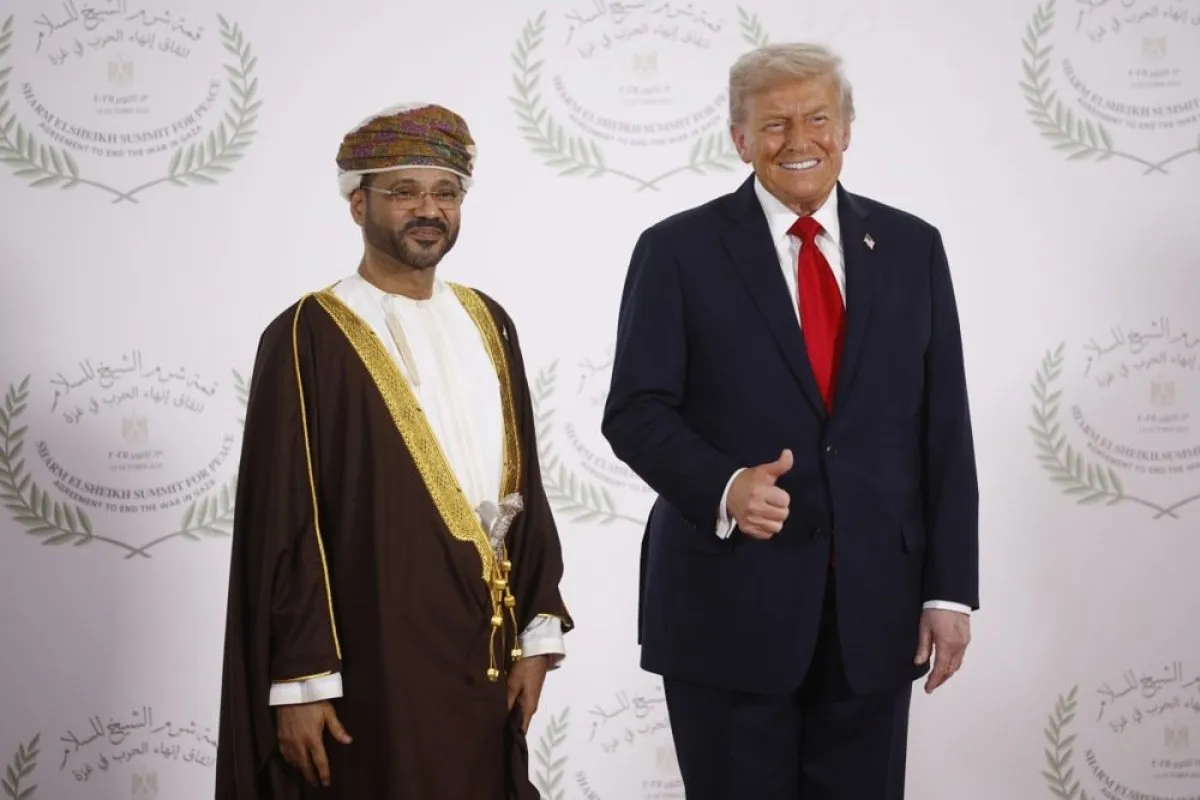
Oman's foreign minister stated that a peaceful resolution with Iran was possible, but the American administration allowed itself to be...
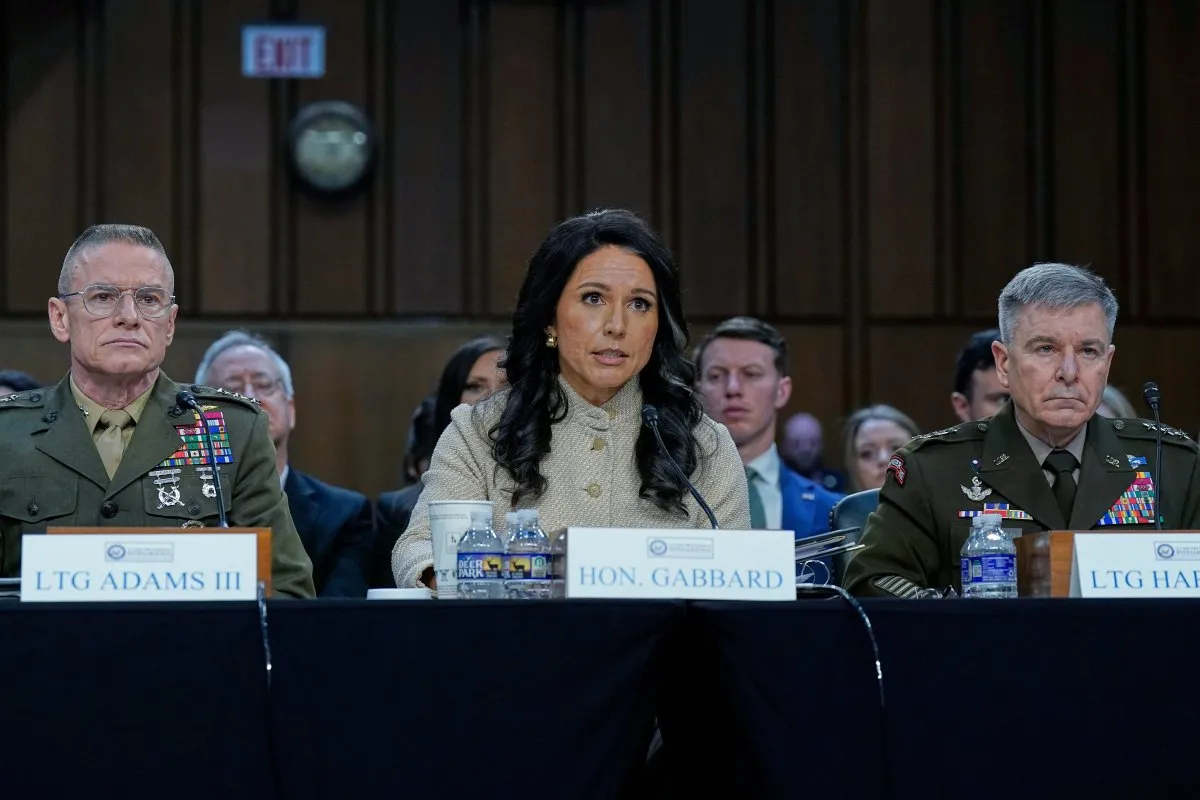
The US intelligence director stated that Russia has no intention of abandoning its military goals and will continue its war...
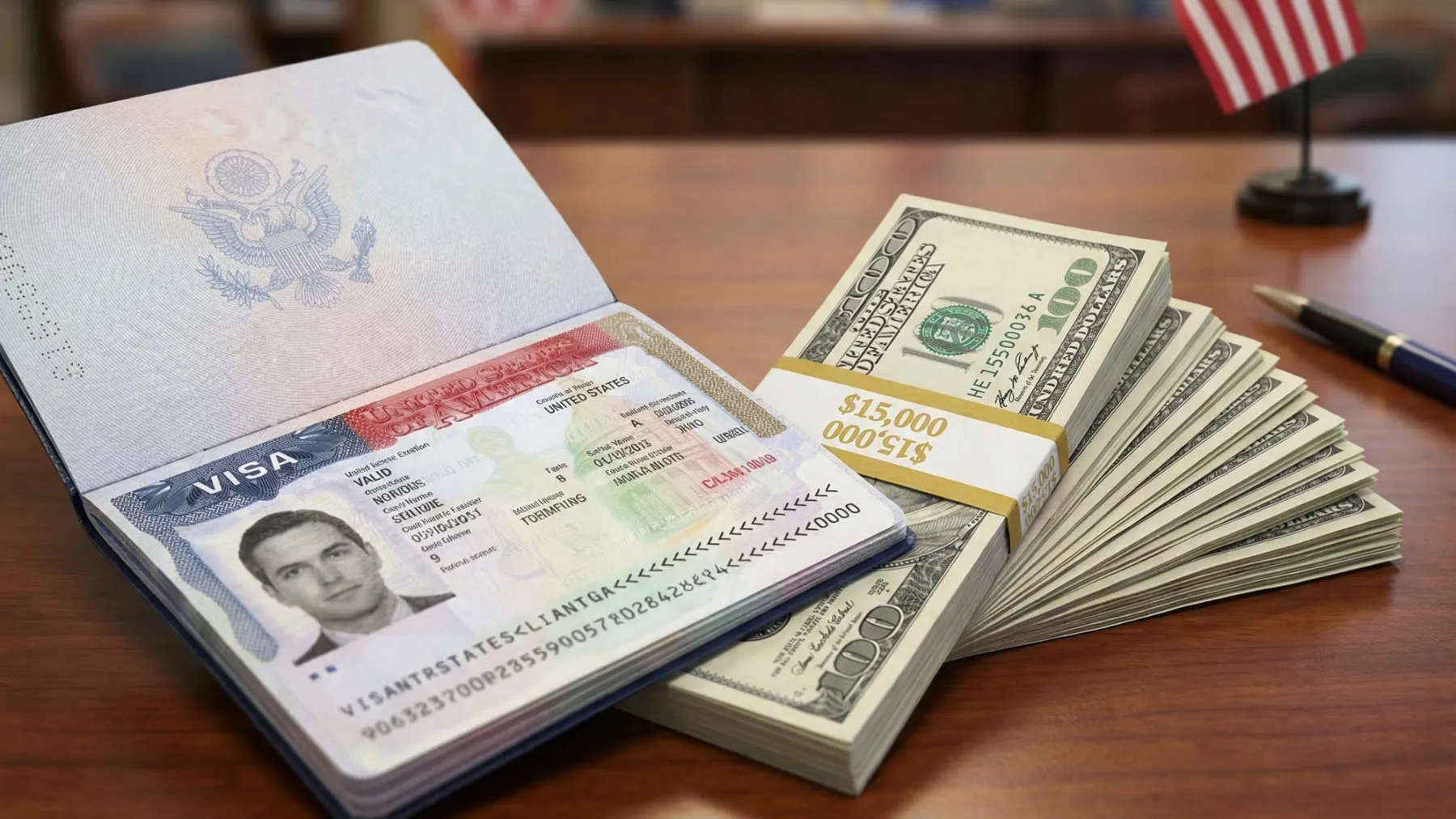
Starting in April, visitors from a total of 50 countries will need to pay a deposit when entering the US....
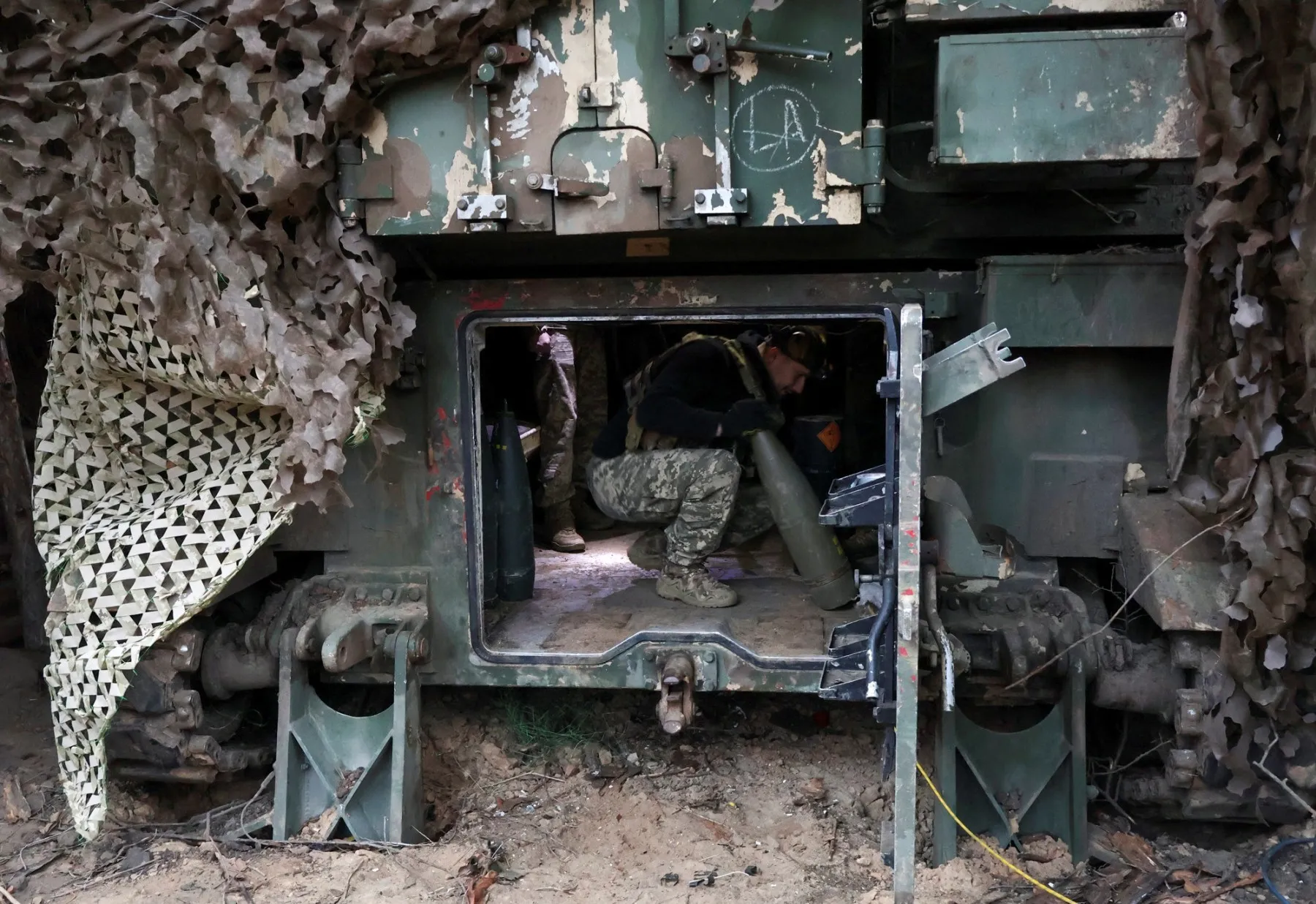
The Kremlin confirmed that trilateral negotiations with the US and Ukraine are on hold as the Middle East conflict absorbs...