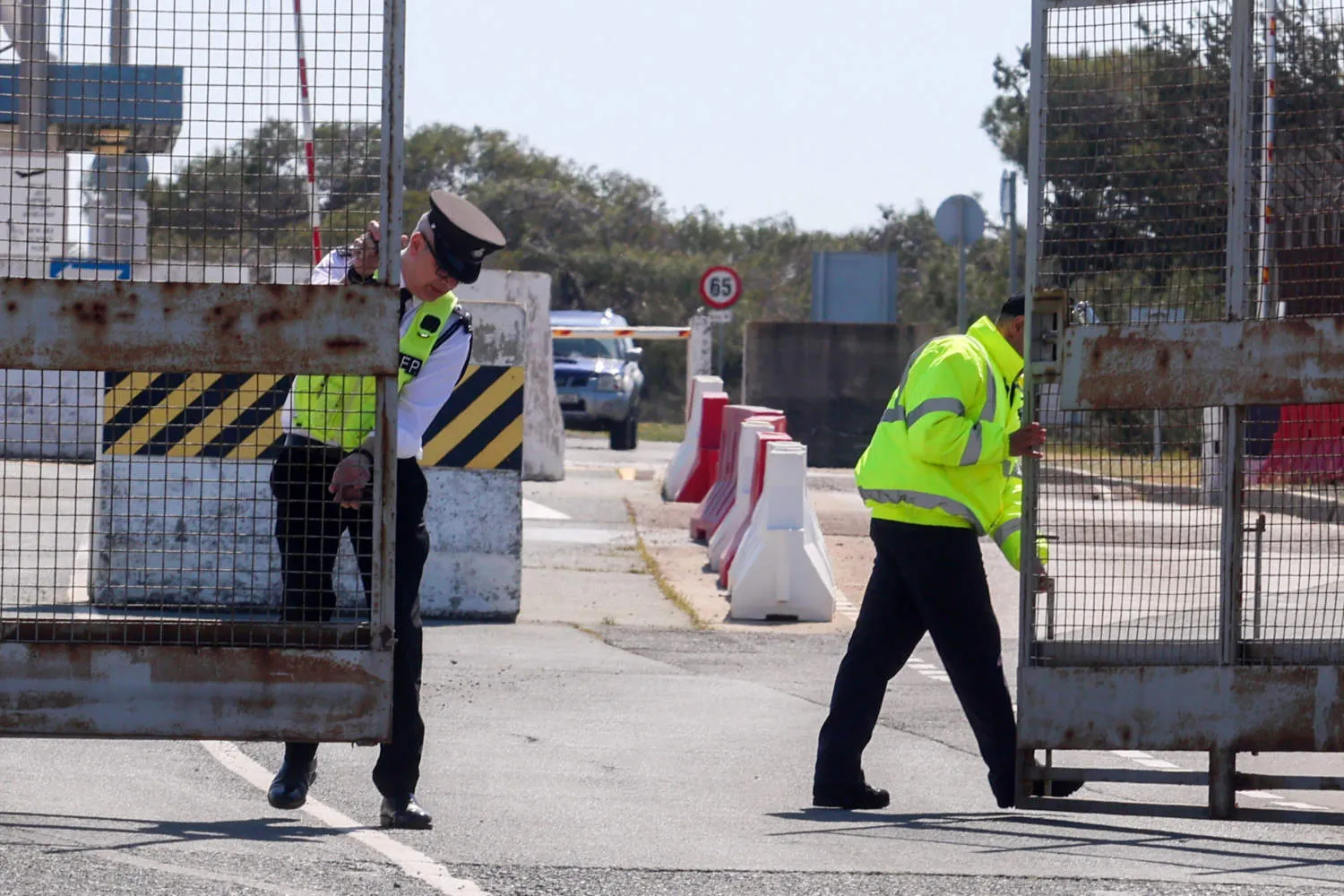
Ирански амбасадор предупредува: Воени бази во Европа можат да станат легитимна цел
13.03.2026



27.02.2026

27.02.2026

29.01.2026

09.03.2026

27.02.2026

19.02.2026

16.11.2025

16.11.2025

16.11.2025

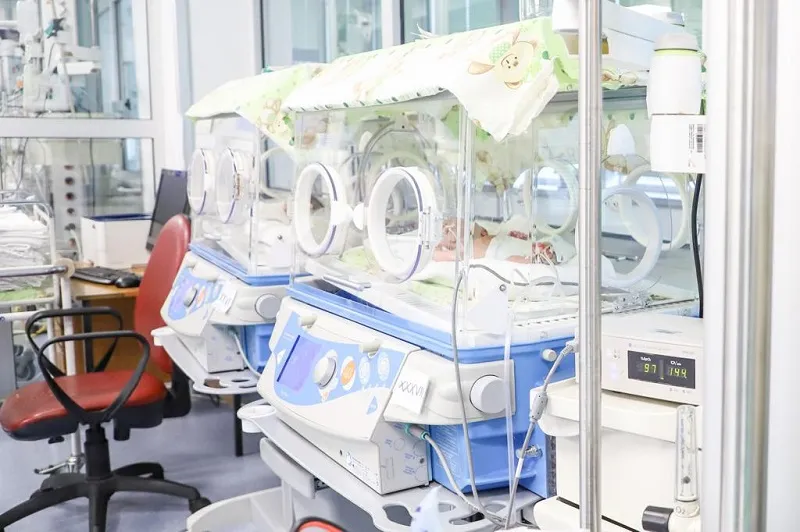
In 2024, the European Union recorded 3.55 million births — a decline of 3.3 percent compared to 2023. The EU fertility rate stands at 1.34 children per woman, down from 1.38 the previous year. Both values are far below the 2.1 children per woman needed for natural population replacement.
Macedonia, with a fertility rate of 1.44, is somewhat better compared to the EU average, but is also below the natural replacement threshold. Over the past decade, the country's rate has fallen from 1.52, and the number of newborns has decreased from 44,095 in 1960 to just 16,061 in 2024.
Fertility rates vary significantly among member states. Malta records the lowest rate in the EU — just 1.01 children per woman — while Bulgaria leads with 1.72. Spain and Lithuania also record low rates — 1.10 and 1.11 respectively.
The average age of women at the birth of their first child in the EU reached 29.9 years in 2024, up from 25 years in 2004. Macedonian women give birth to their first child at an average age of 27.8 years.
The latest 10 news from this category

The Foreign Ministry concluded an evacuation contract worth 59.8 million denars (972,000 euros). Four flights, 458 evacuated citizens.

The Minister of Environment confirmed a public hearing will be organized for the renewal of the operating permit for Usje...

Nearly a third of online shoppers in the EU encountered problems when shopping online. In North Macedonia, 29.41% reported difficulties...
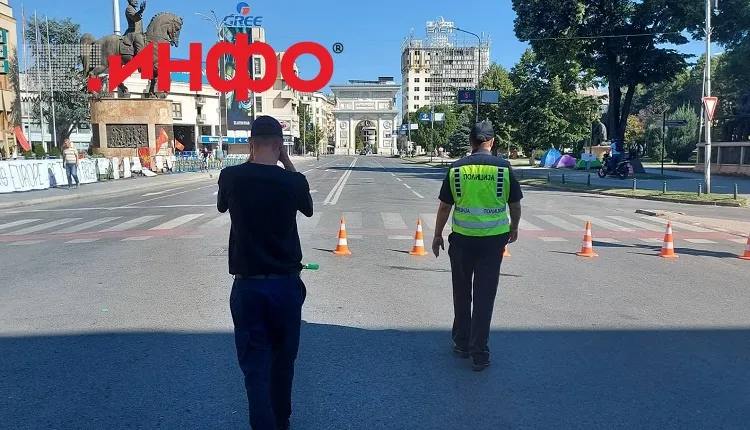
The Federation of Trade Unions of Macedonia is organizing a protest in central Skopje. The march will pass through central...

The Ministry of Interior announced that six cases of domestic violence were reported in a single day across several cities,...

Skopje police arrested a 52-year-old teacher suspected of sexually harassing an 18-year-old student between February 25 and March 2 and...

The third group of Macedonian citizens evacuated from Qatar, Kuwait, Saudi Arabia and Bahrain arrived at Pristina Airport. Mucunski confirmed...
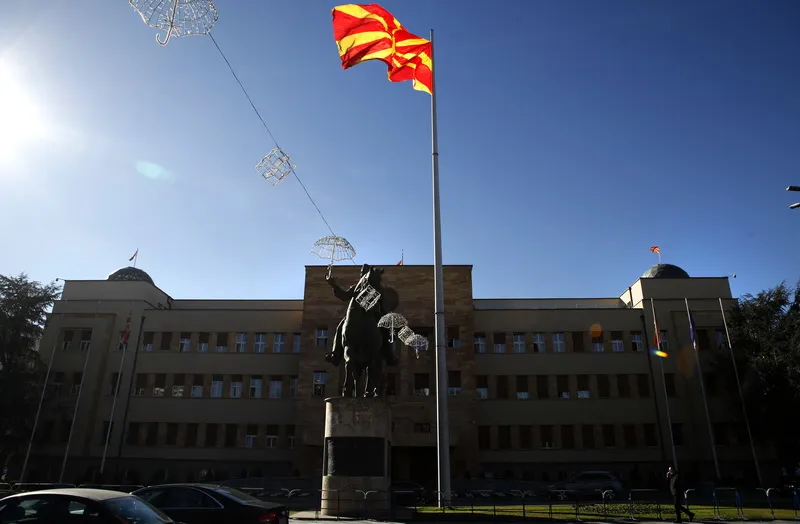
The Macedonian parliament today held a commemorative session for the anniversary of the nightclub fire in Kocani, in which 63...
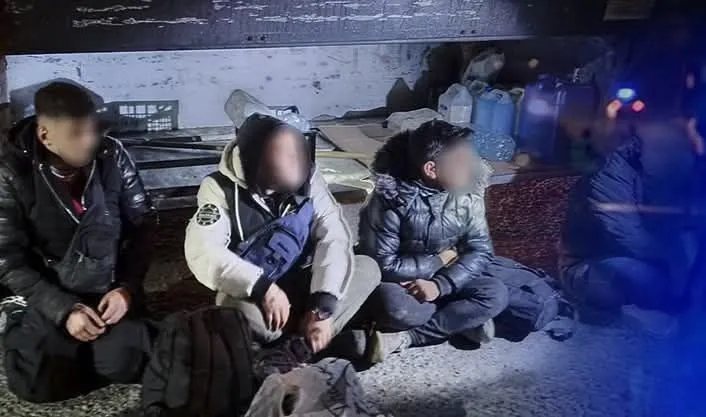
Police detained a 24-year-old resident of Studeničani suspected of migrant smuggling after the driver failed to stop at a police...
The Skopje Basic Civil Court issued an emergency protection order, evicting a 68-year-old man from his home after he threatened...