Сејф Сити со резултати: 100 сообраќајки помалку, но 47.000 прекршоци за брзина
13.04.2026


12.04.2026

11.04.2026
11.04.2026

09.03.2026

27.02.2026

19.02.2026

12.04.2026

16.11.2025

16.11.2025

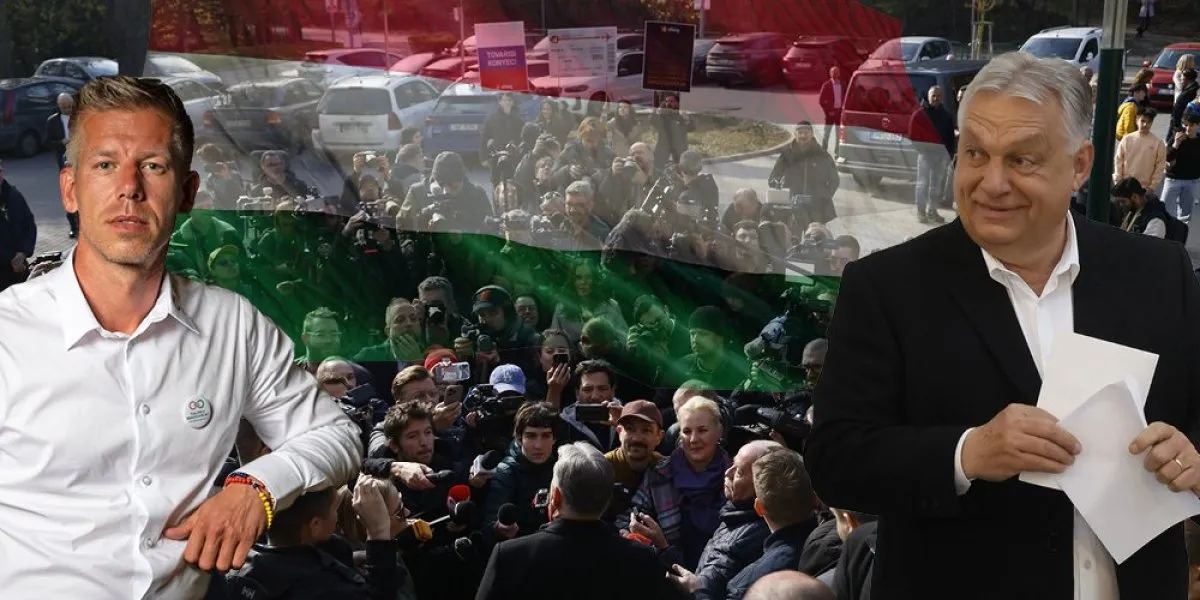
The elections in Hungary are not decisive for the country's foreign policy, but they have a direct connection with current politics in Europe and the Balkans, diplomatic sources assess.
For the first time, elections in an EU member state have directly transcended the national framework and become a factor influencing the broader European and global context. It is particularly significant that senior US representatives openly supported one candidate immediately before the elections - a precedent in transatlantic relations.
Analysts assess that this is a contest between the current administration in Brussels and the one in Washington. The high turnout shows how strong the international aspect of these elections is.
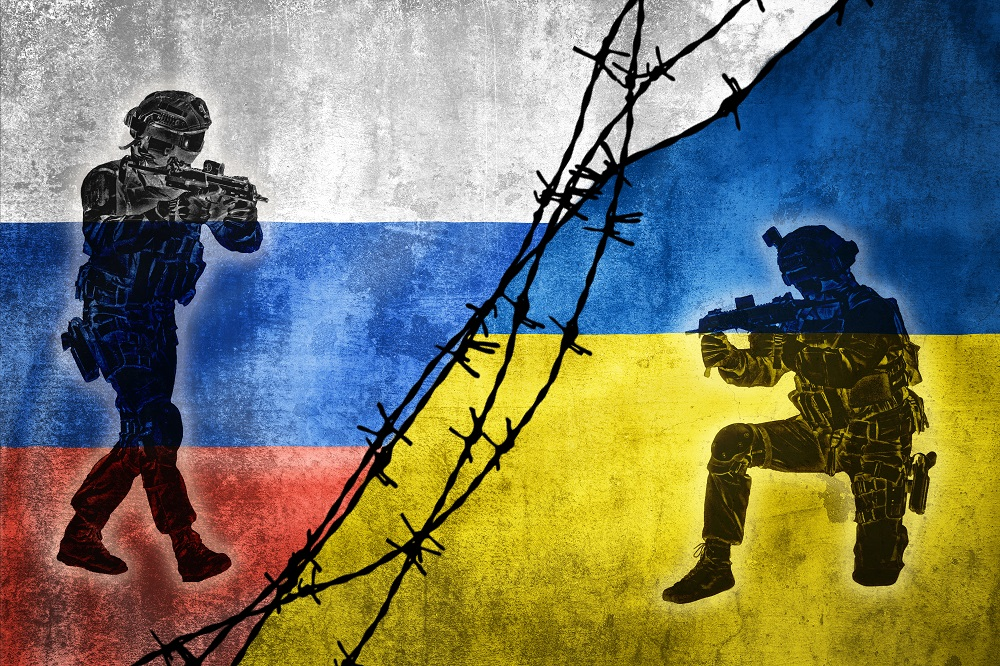
The victory of the candidate close to Brussels policy could lead to the unblocking of financial funds and the continuation of current EU policy toward the war in Ukraine. On the other hand, an Orban victory would have strengthened resistance to that policy.
A potential new government in Hungary with a simple majority would not be able to implement Brussels' key demands for releasing 17 billion euros, without a two-thirds majority, including changes in the area of rule of law.
The election result could have direct consequences for countries in the region as well. If the foreign policy is unblocked, it means greater pressure on Balkan countries in accession negotiations and greater pressure for imposing sanctions against Russia.
The latest 10 news from this category
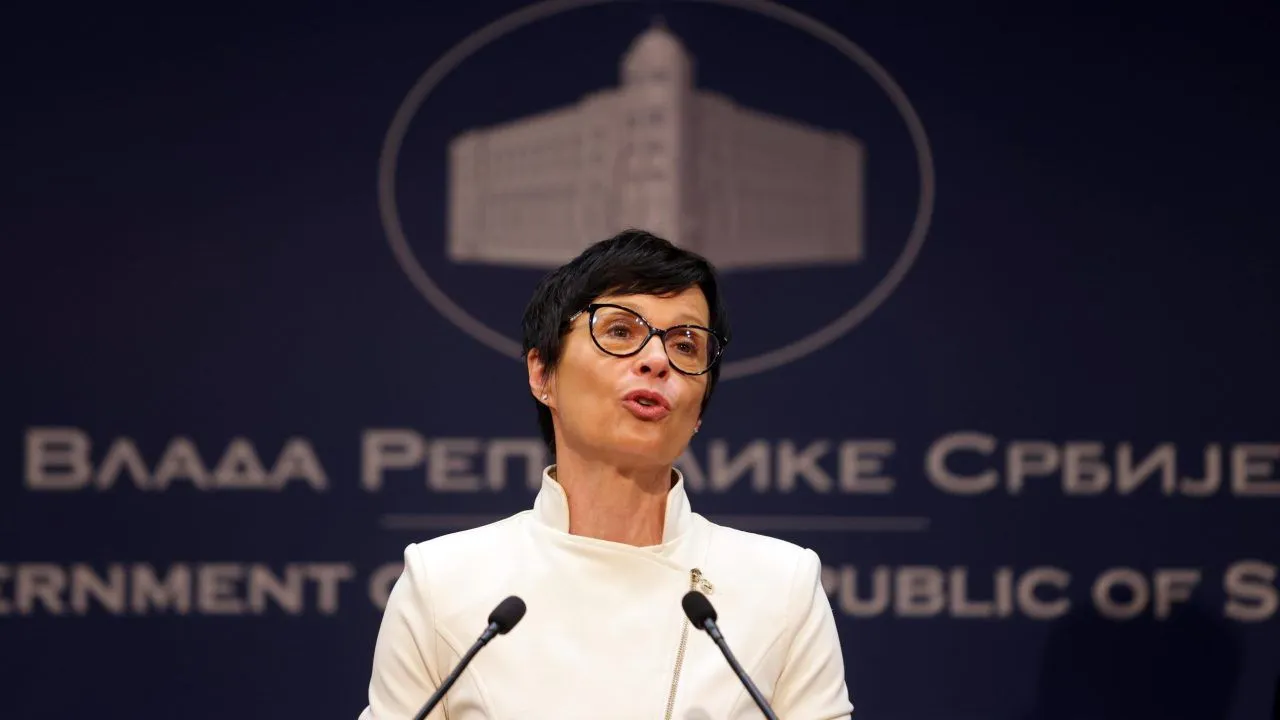
The European Commission is considering suspending financial support for Serbia over concerns about judicial independence and pressure on the media.
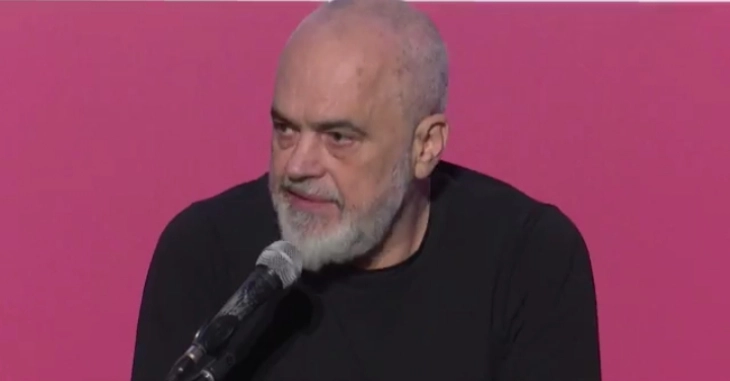
Albanian Prime Minister Edi Rama categorically denied opposition leader Sali Berisha's claims that nine EU member states are blocking Albania's...
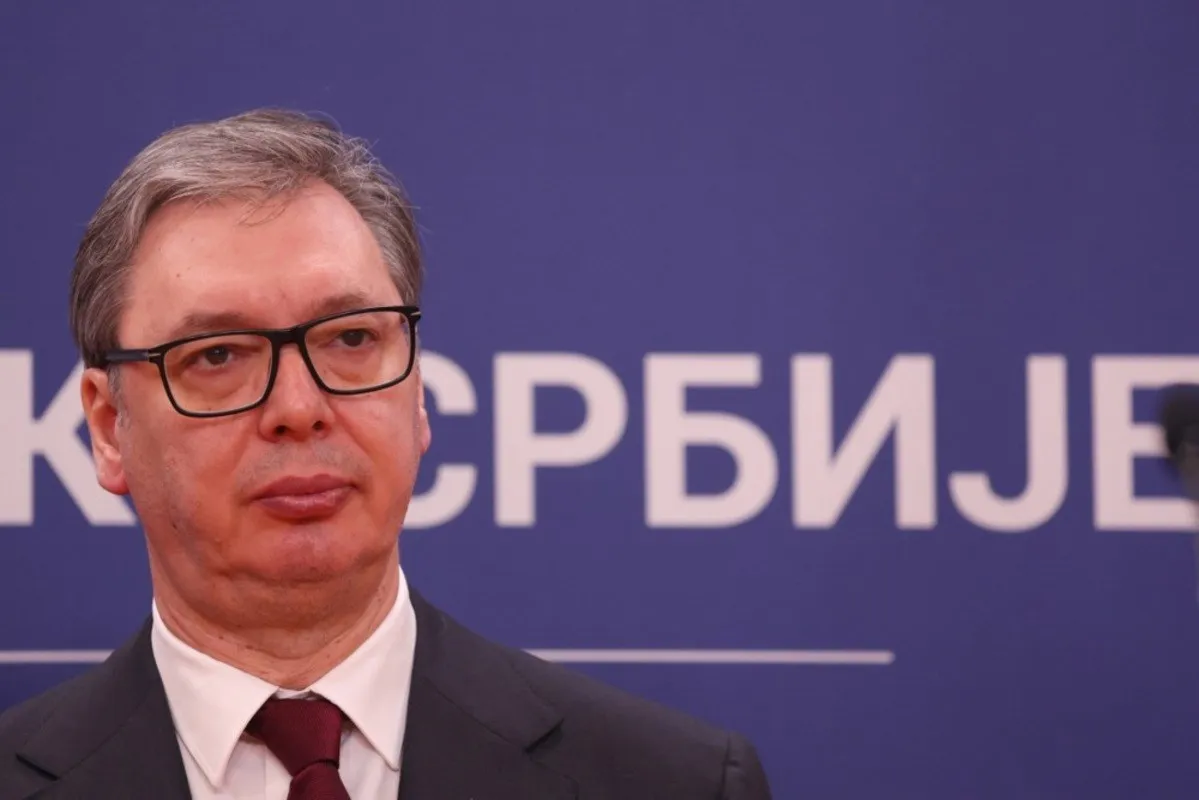
The European Commission is considering freezing funding for Serbia over concerns about judicial reforms, protest crackdowns, and close ties with...
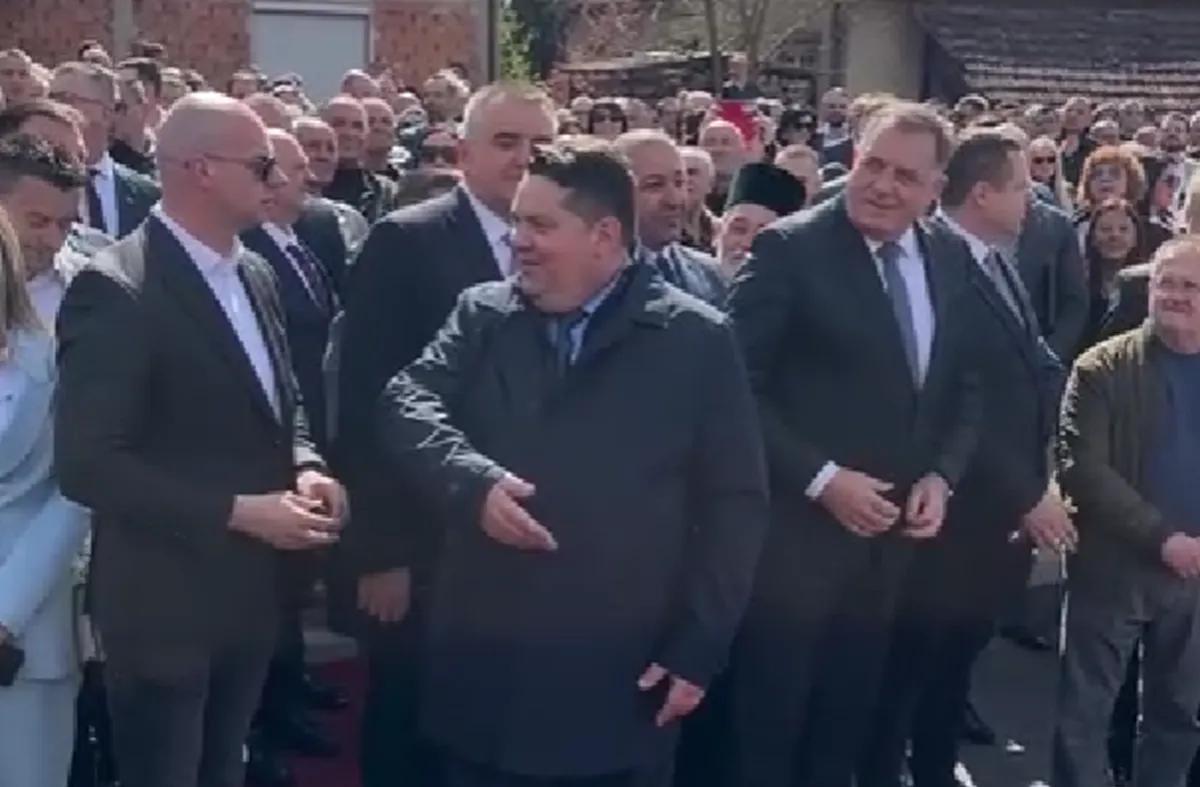
The mayor of Banja Luka refused to pose with the president of Republika Srpska at the ceremony for the Cesma...
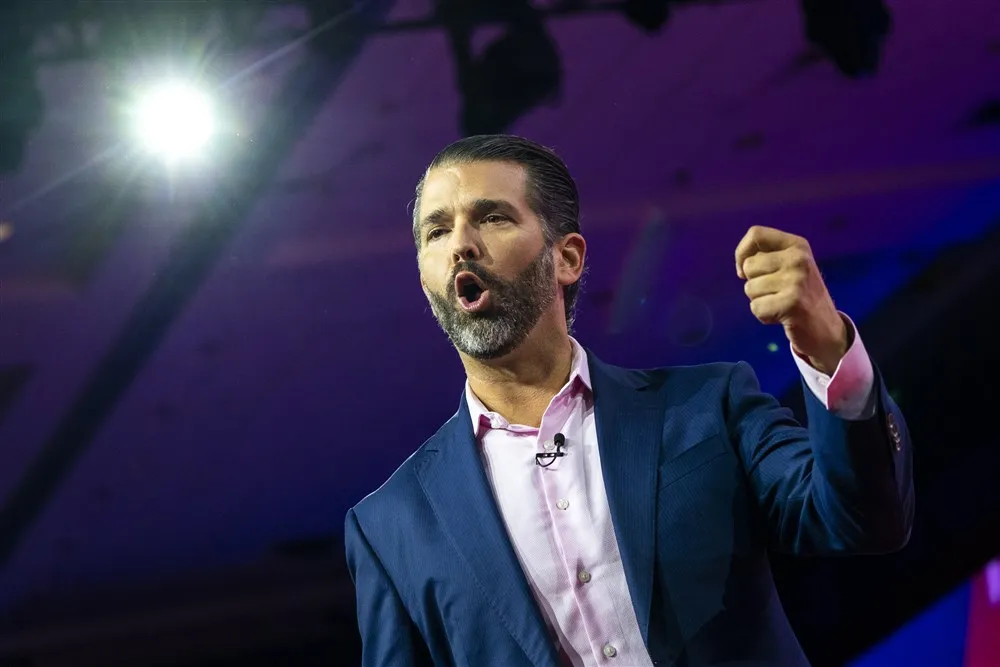
The son of the American president gave a speech in a private capacity, while his appearances typically cost between 100,000...
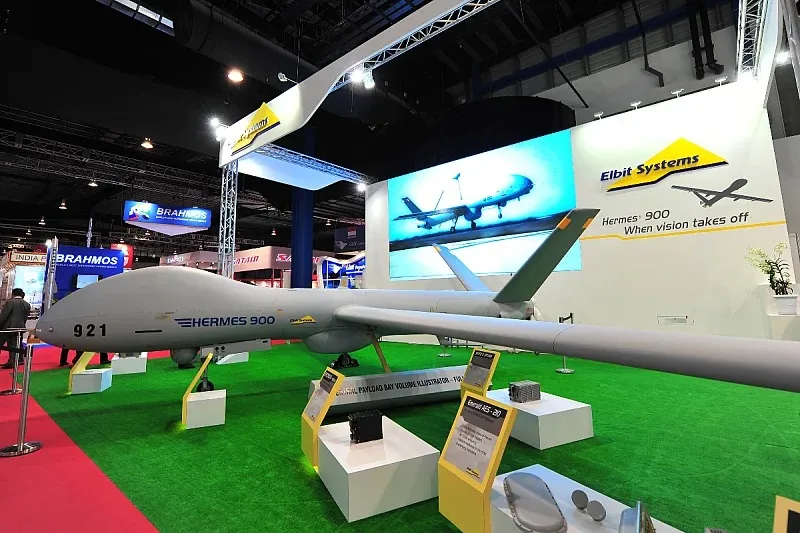
Israeli Elbit Systems and Serbian SDPR will produce two types of military drones at a factory in Šimanovci, 30 km...

A man dressed in a priestly robe stood in front of the Bulgarian foreign minister's government car and shouted curses...
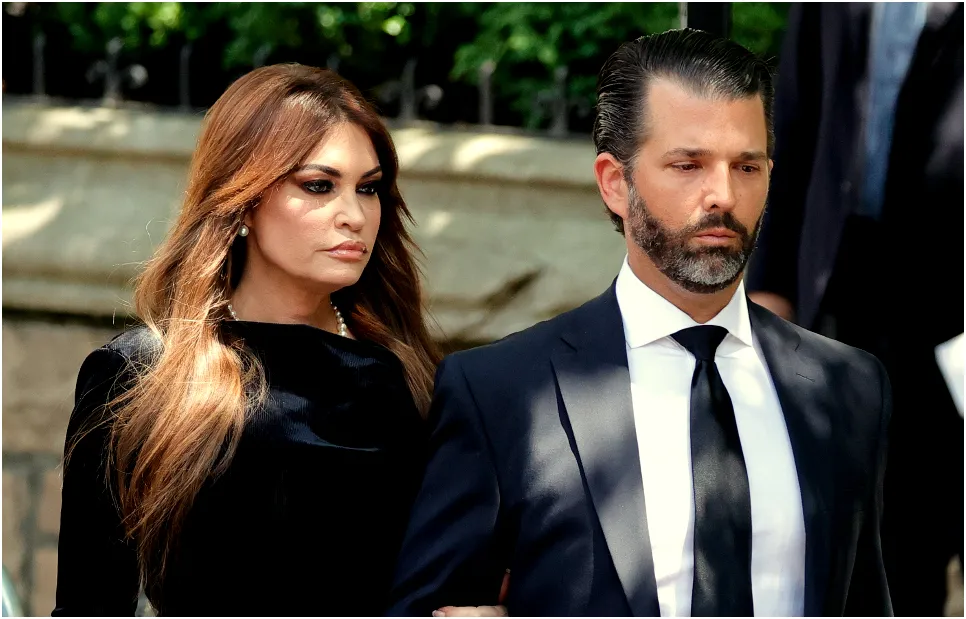
Trump's son visited Banja Luka where he called the EU a disaster, while Igor Dodik announced American investments in hydropower...
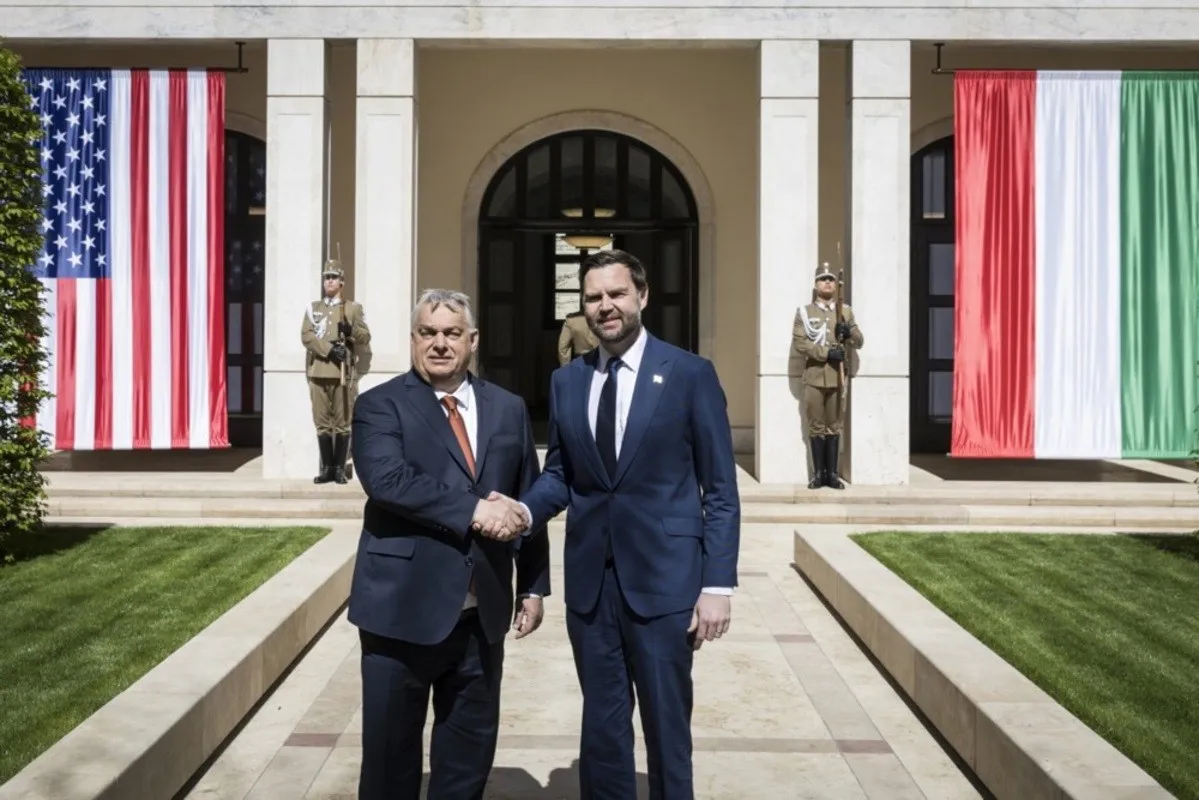
US Vice President Vance criticized the EU for interfering in Hungarian elections, while Trump called in to support Orban at...
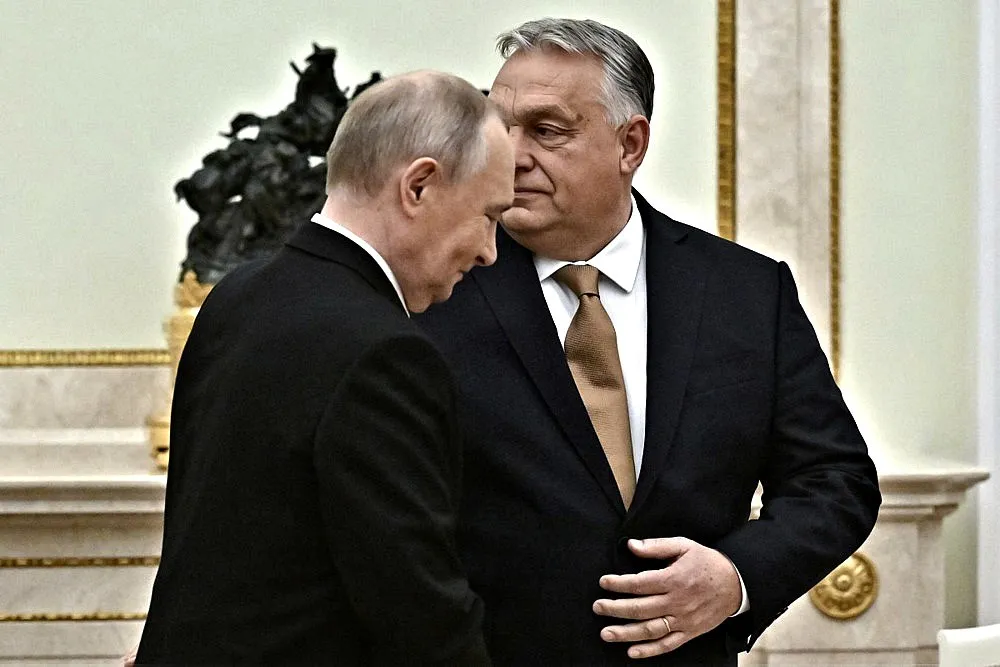
New documents reveal an agreement between Hungary and Russia to strengthen cooperation in energy, trade and culture, amid upcoming Hungarian...