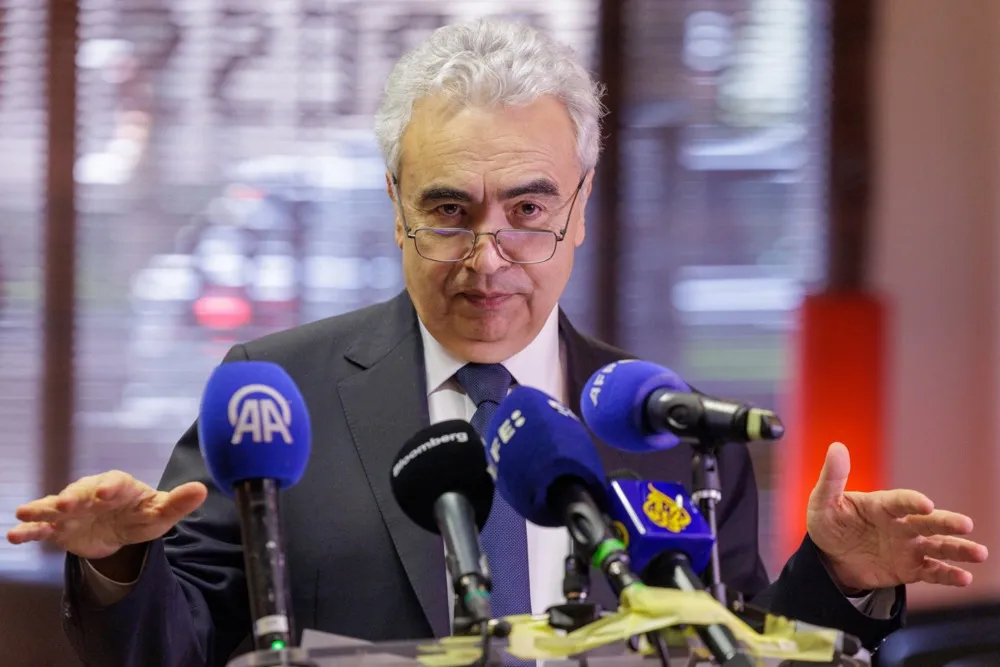
Муцунски: Кочани ја покажа вистинската сила на дипломатијата - 115 пациенти добија помош во Европа
14.03.2026


14.03.2026

14.03.2026
14.03.2026

27.02.2026

27.02.2026

29.01.2026

09.03.2026

27.02.2026

19.02.2026

16.11.2025

16.11.2025

16.11.2025
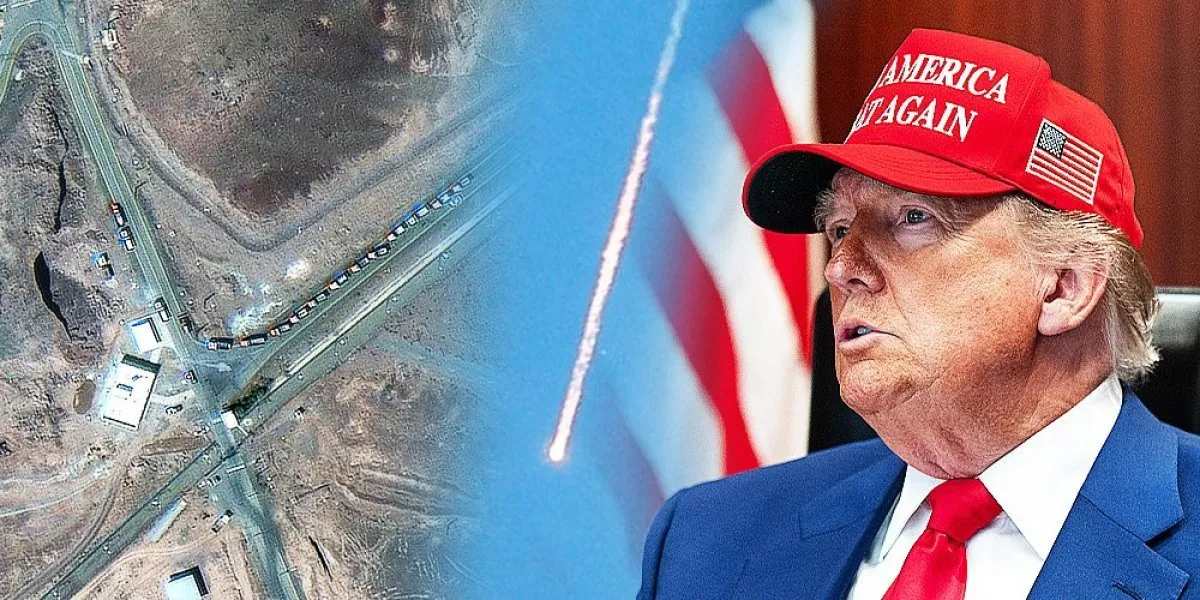
Iran's military performance in the opening phase of the conflict has exposed significant gaps in US intelligence assessments, according to officials and analysts familiar with the situation. The Trump administration entered the campaign with expectations shaped by assessments that proved, in the words of one Pentagon official, substantially inaccurate. The intensity and coordination of Iranian strikes in the first week alone surpassed what military planners had modeled as a likely worst case.
Most strikingly, the death of Supreme Leader Khamenei and other senior members of Iran's leadership did not produce the command paralysis US and Israeli planners had anticipated. Iran's military and political structures continued to direct operations with apparent coherence, launching successive waves of strikes against Israeli territory and American military installations across the region. The durability of the command chain suggested a degree of decentralization and institutional resilience that pre-conflict assessments had not fully credited.
US and Israeli strikes targeting Iranian military and infrastructure assets began on February 28, with operations extending into Tehran itself. Iran's retaliatory response unfolded rapidly and at scale, hitting back at Israeli territory and US bases stretching from Iraq to the Persian Gulf. The mismatch between expected and actual Iranian capabilities has prompted urgent internal reviews within the administration as the conflict enters a phase its architects did not foresee.
The latest 10 news from this category
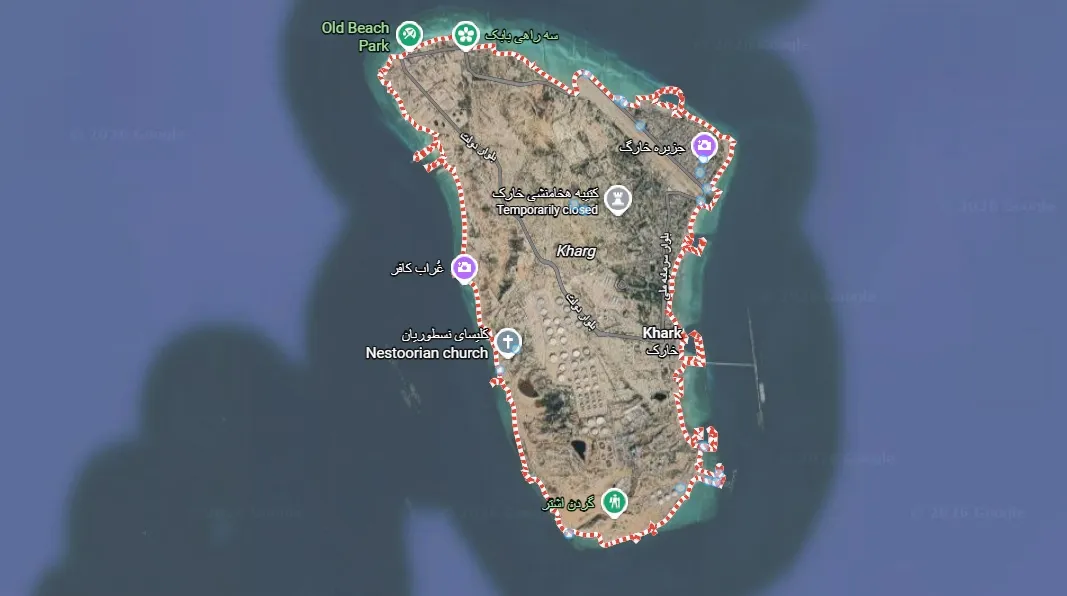
The Iranian deputy governor claims that operations at the Kharg Island oil terminal continue without interruption despite American airstrikes.
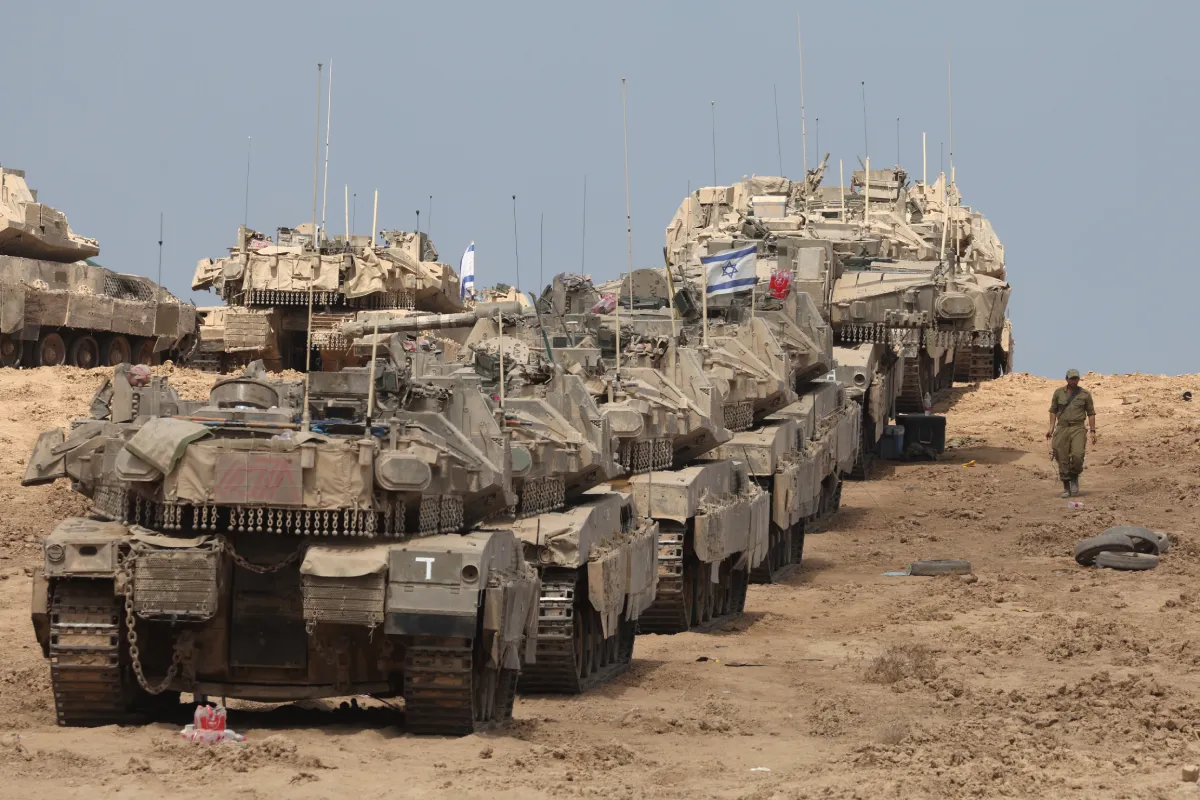
Israel is planning a major ground offensive to control territory south of the Litani river and destroy Hezbollah's military infrastructure.
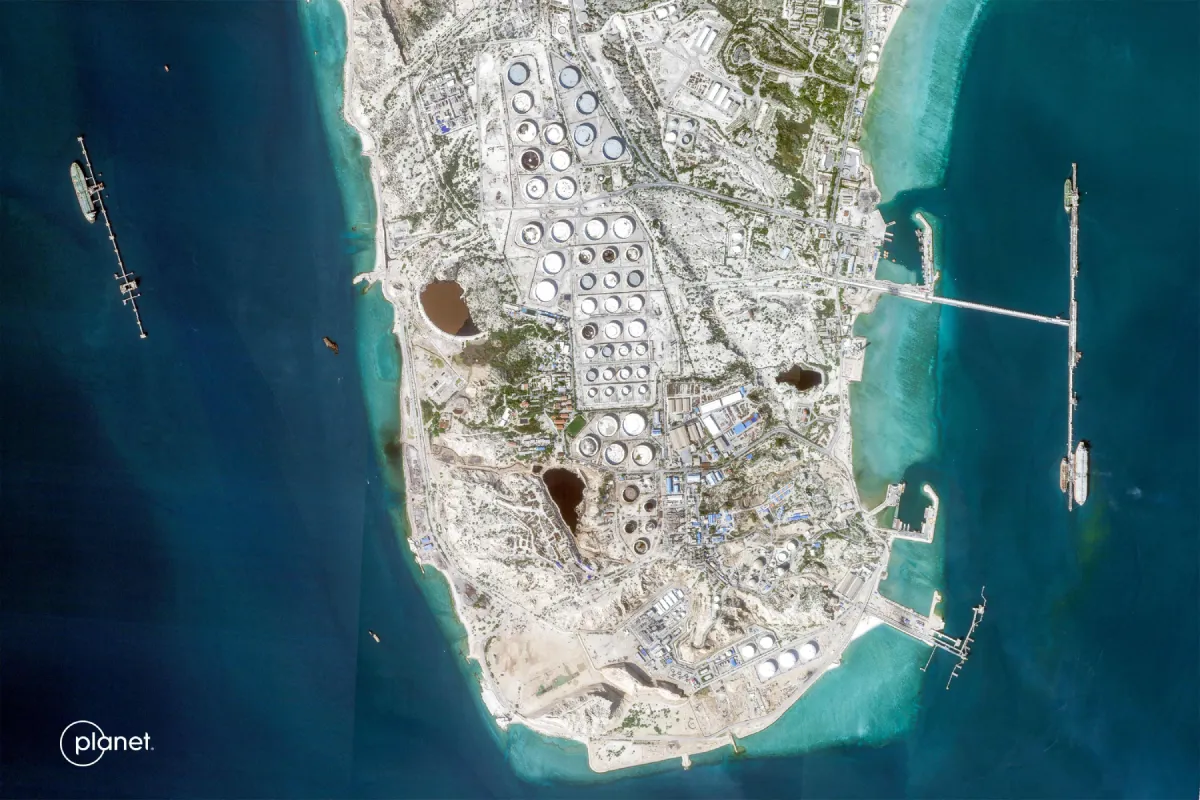
Following drone attacks, flames engulfed an important oil port in the UAE; Trump announced sending warships while Dubai real estate...
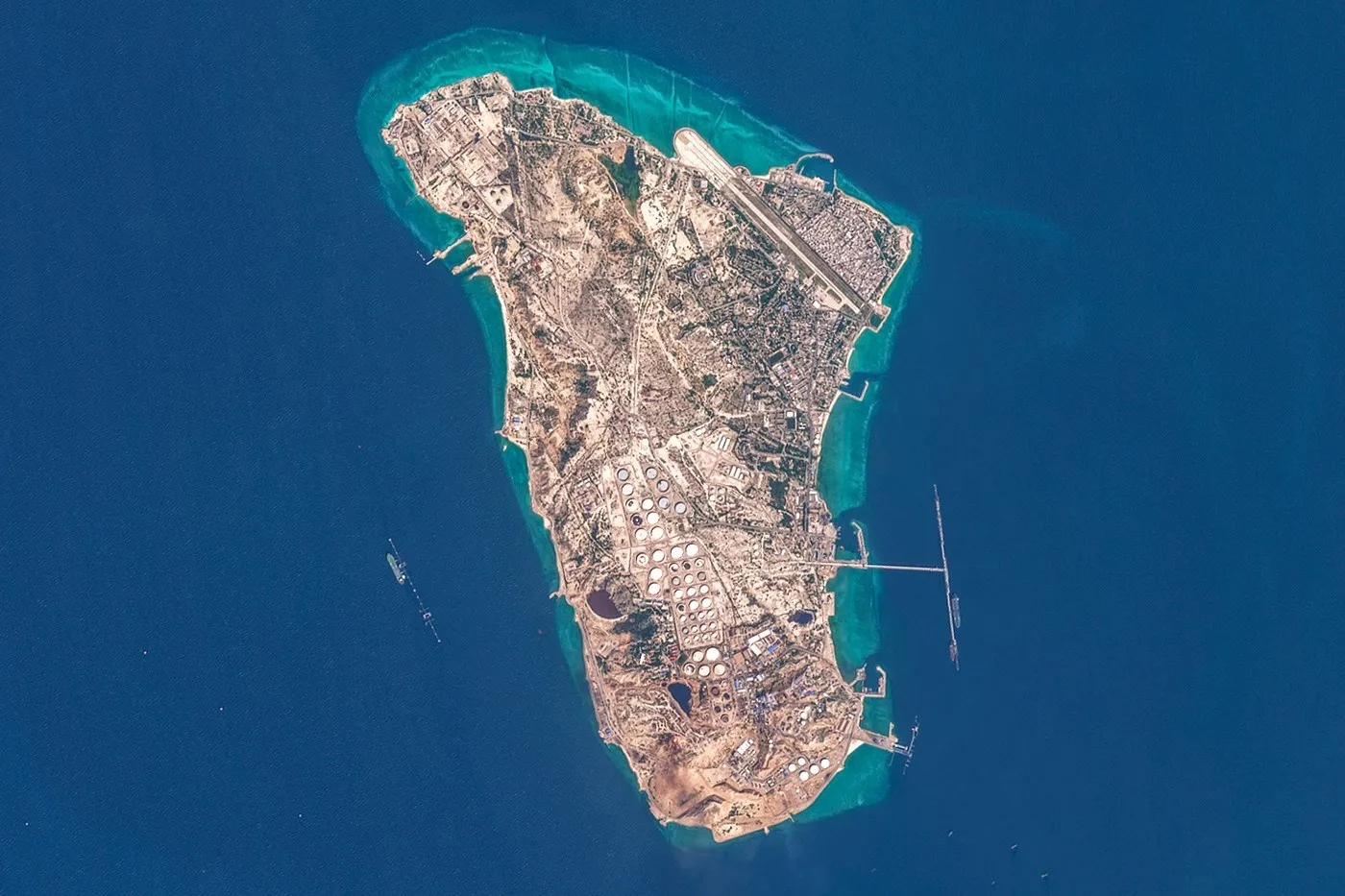
US President Trump stated the attack on Kharg Island is historic, while the number of casualties in the US-Israel-Iran conflict...
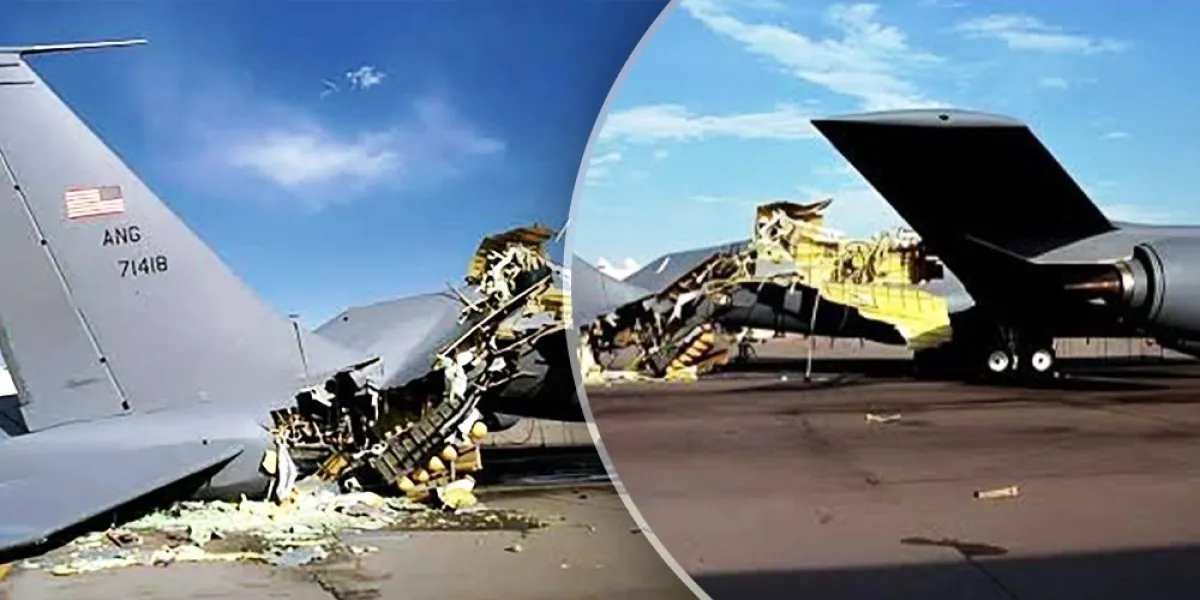
Iranian forces targeted the Prince Sultan air base in Saudi Arabia, damaging five US Air Force tanker aircraft with no...
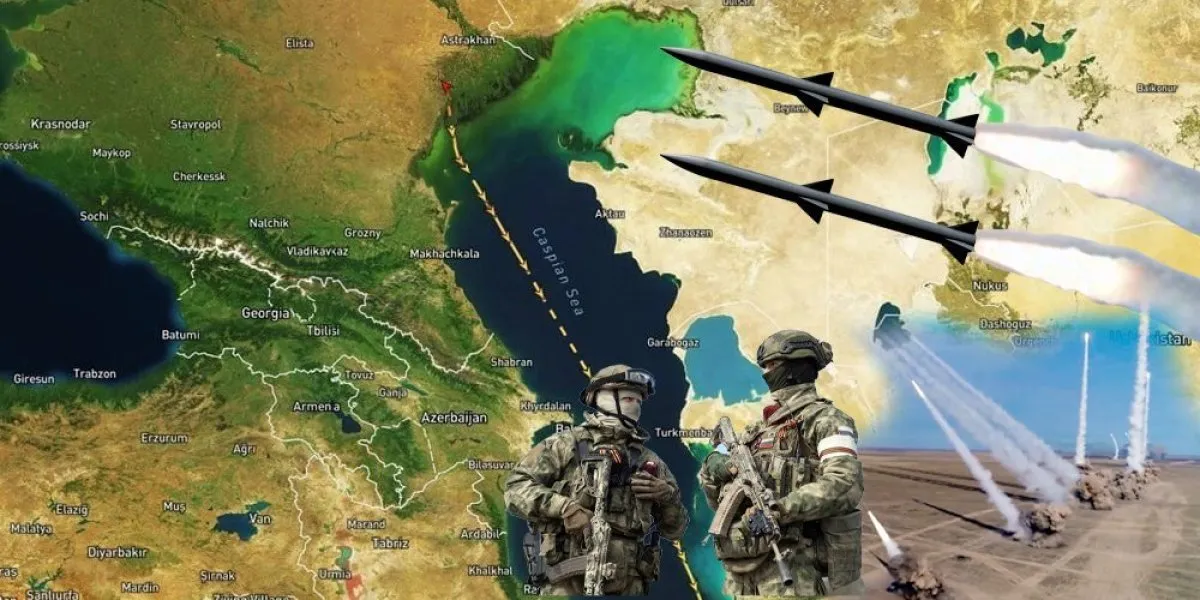
Russian military analyst Sergei Lipovoy claims Iran preserved a massive arsenal in underground mountain bunkers, and the hypersonic missiles are...
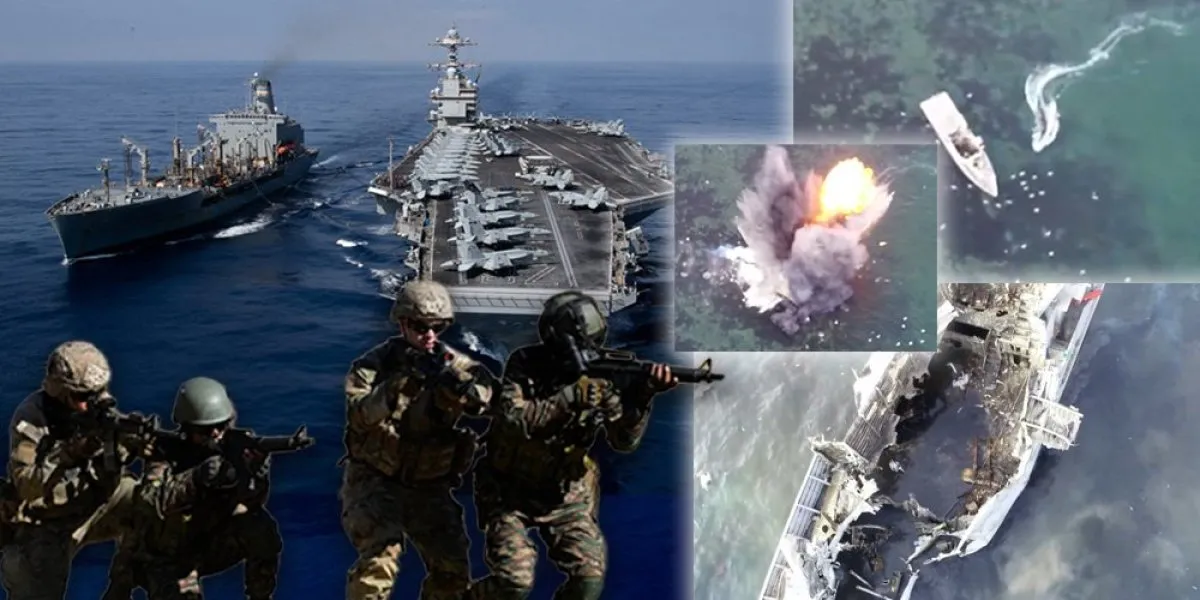
The Iran-backed Houthis from Yemen remain the main unknown in the conflict - their involvement could trigger a global energy...
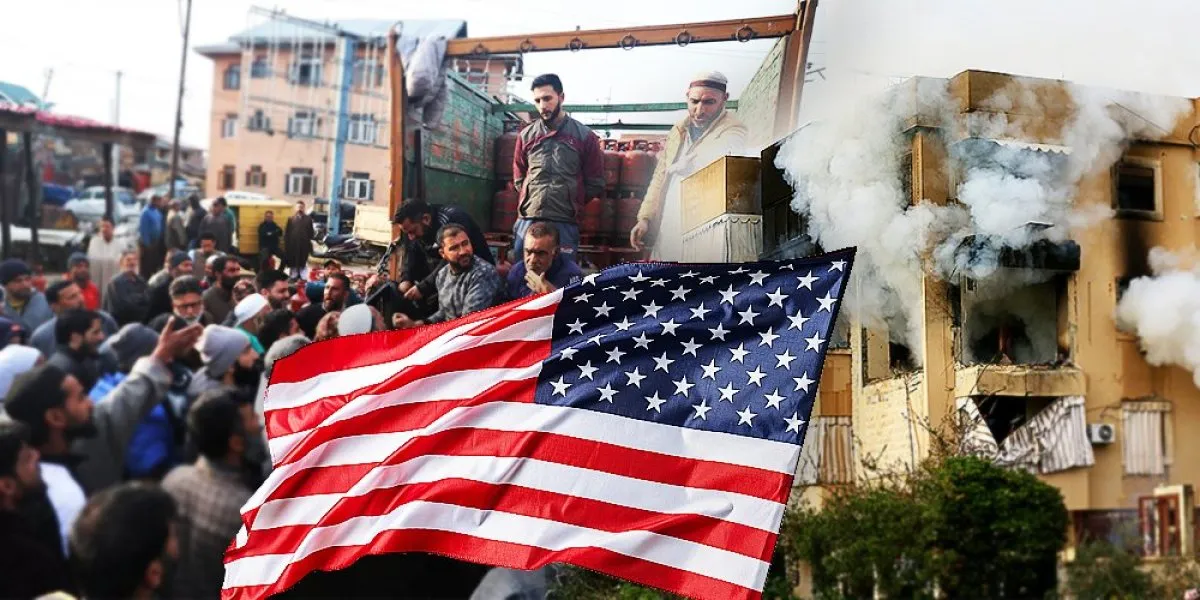
On day 15 of the US-Israel-Iran military conflict, missile attacks shook the region - Jerusalem under fire and the Strait...
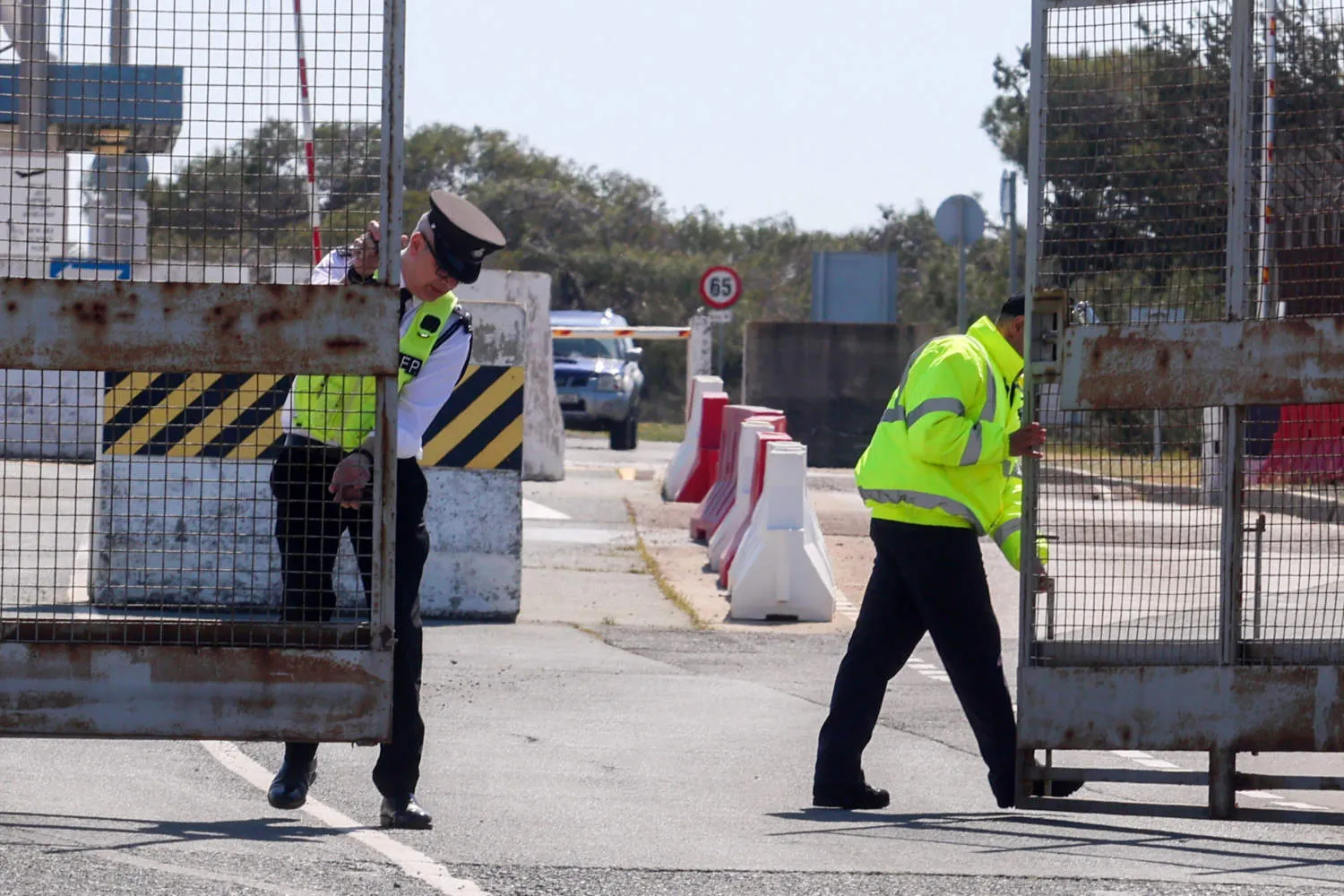
The Iranian ambassador to the UN in Geneva warned that any military base used for attacks against Iran, including those...
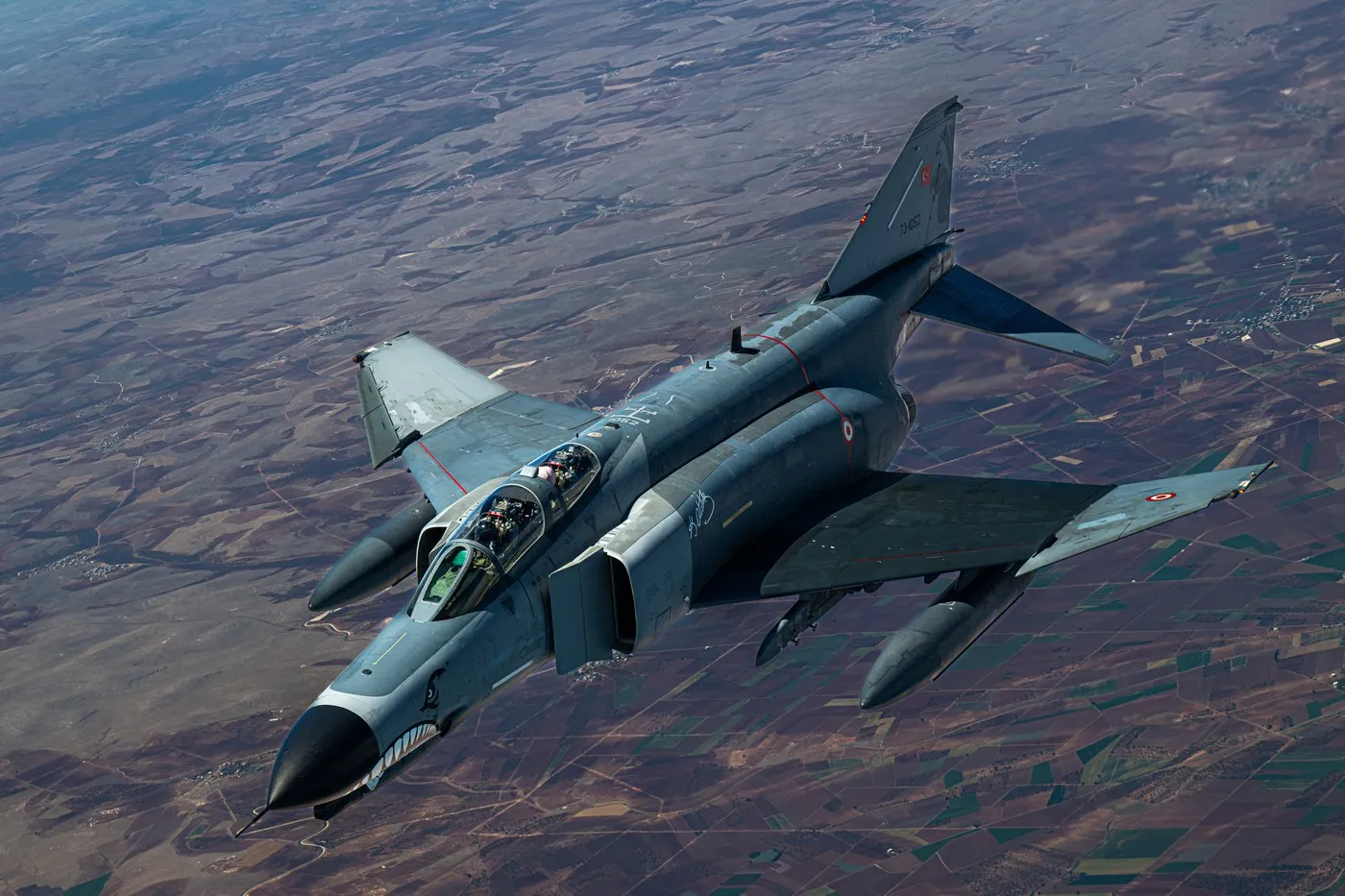
Alarm sirens sounded at NATO's Incirlik base in Turkey, and air defense systems intercepted two ballistic missiles. The US State...