
Муцунски: Кочани ја покажа вистинската сила на дипломатијата - 115 пациенти добија помош во Европа
14.03.2026


14.03.2026

14.03.2026
14.03.2026

27.02.2026

27.02.2026

29.01.2026

09.03.2026

27.02.2026

19.02.2026

16.11.2025

16.11.2025
16.11.2025

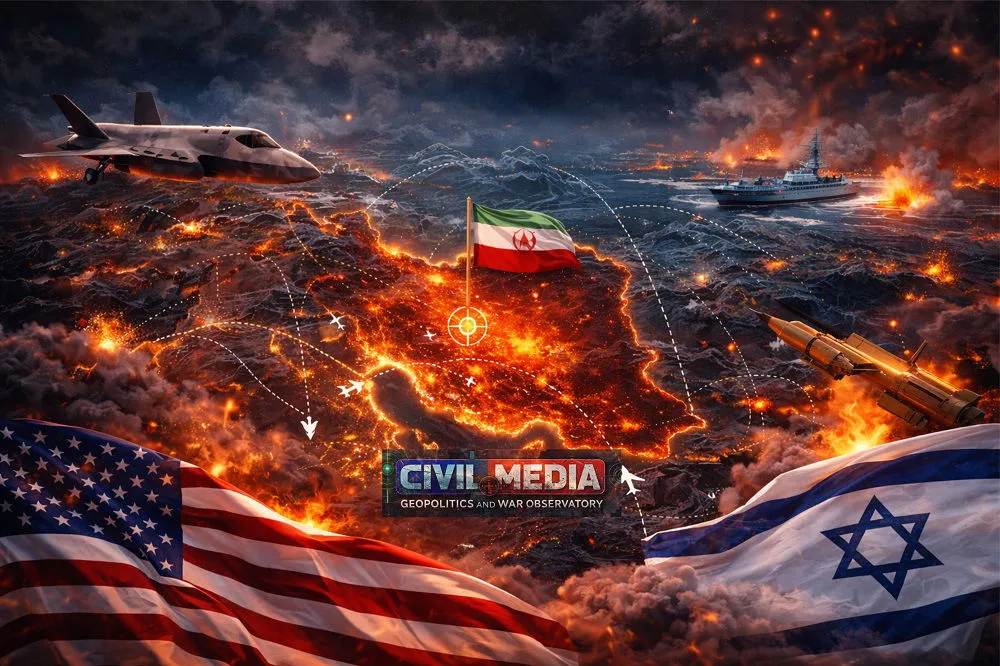
Iran is developing a strategy called "mosaic warfare" – a combination of asymmetric warfare, drones, ballistic missiles, and proxy networks – which so far enables it to resist the American-Israeli military pressure. But this does not mean Tehran's position is comfortable: decades of American diplomacy have built a virtually impenetrable ring of alliances around Iran, turning the conflict into a strategic labyrinth.
The "balance of threat" theory in international relations analysis explains why Iran has virtually no allies. Tehran's aggressive rhetoric, support of proxy actors on multiple fronts, and sub-threshold operations created a strong perception of threat among neighboring countries, which themselves then sought shelter under the American security umbrella. Thus, rather than being forced, the regional acceptance of American security architecture came naturally and durably.
However, Iranian citizens are paying the heaviest price. More than 90 million people are trapped between American-Israeli bombs and a suffocating state apparatus that prevents any form of dissent with even greater force. Paramilitary Basij units patrol the streets, the internet is blocked, and authorities distribute threats that documenting events is punishable. People describe apocalyptic scenes: "Night became morning, morning became night" – the sky lit by explosions, covered in smoke.
Although NATO missile defense systems in Turkey have already intercepted Iranian rockets, raising the question of triggering Article 5 on collective defense, Iran for now resorts to its proxy networks rather than direct confrontation with the Alliance. The vigilance of the international community is critical: a strategic vacuum has no place in an unstable regional balance where decisions are made in seconds and consequences are measured in decades.
The latest 10 news from this category
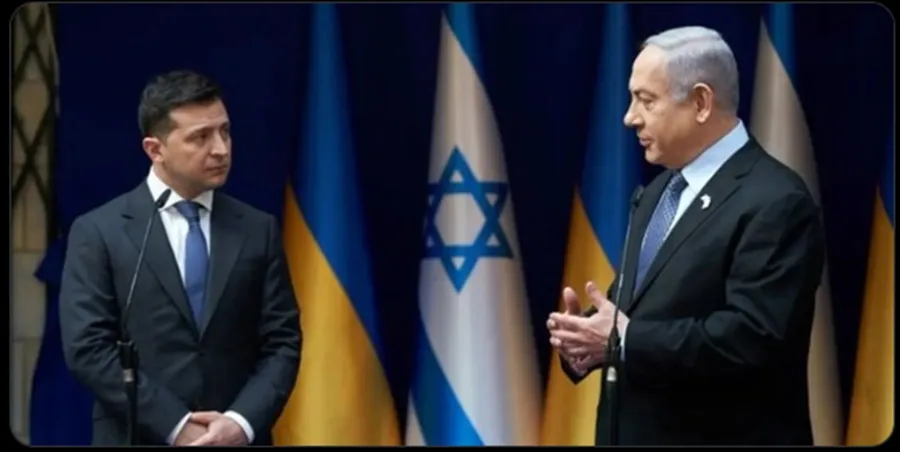
An Iranian envoy stated that Ukraine, by supplying drones to Israel, entered the conflict and its territory is now a...
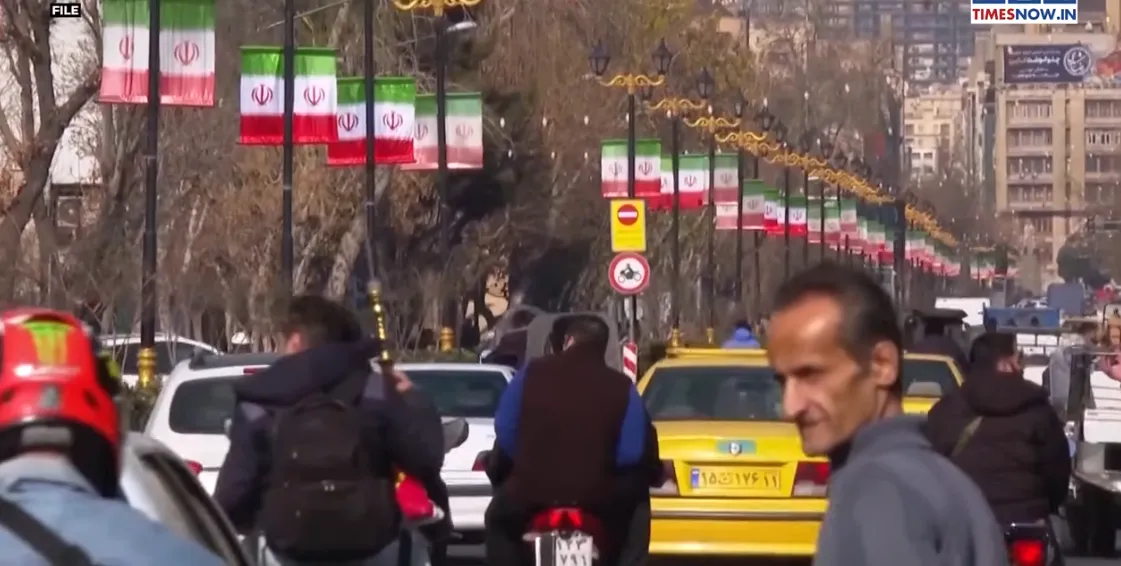
World analysts warn the conflict is exceeding regional borders - Iran's mosaic defense and control of the Strait of Hormuz...
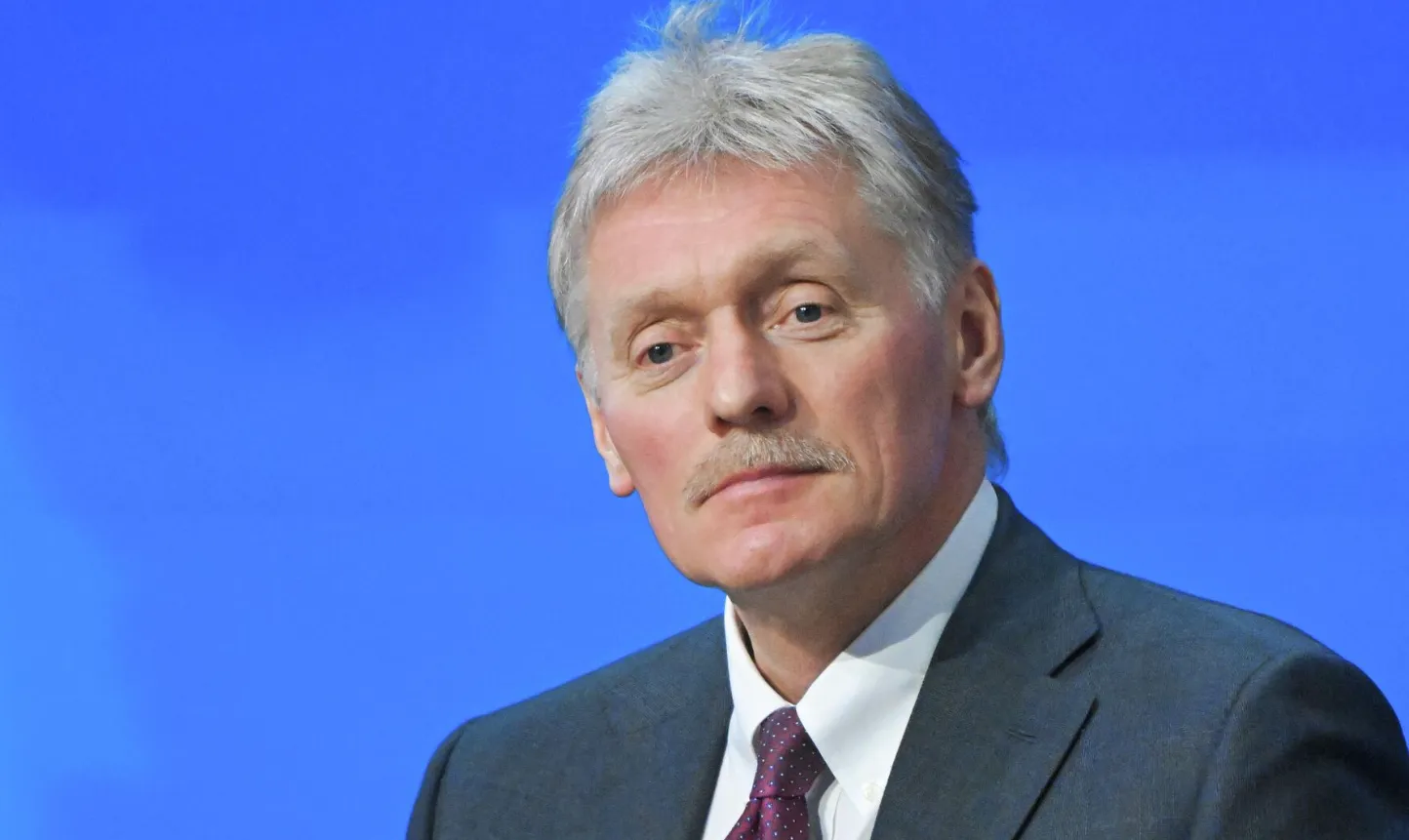
The Kremlin stated that global markets urgently need Russian oil due to the Hormuz blockade, while Washington temporarily suspended sanctions...
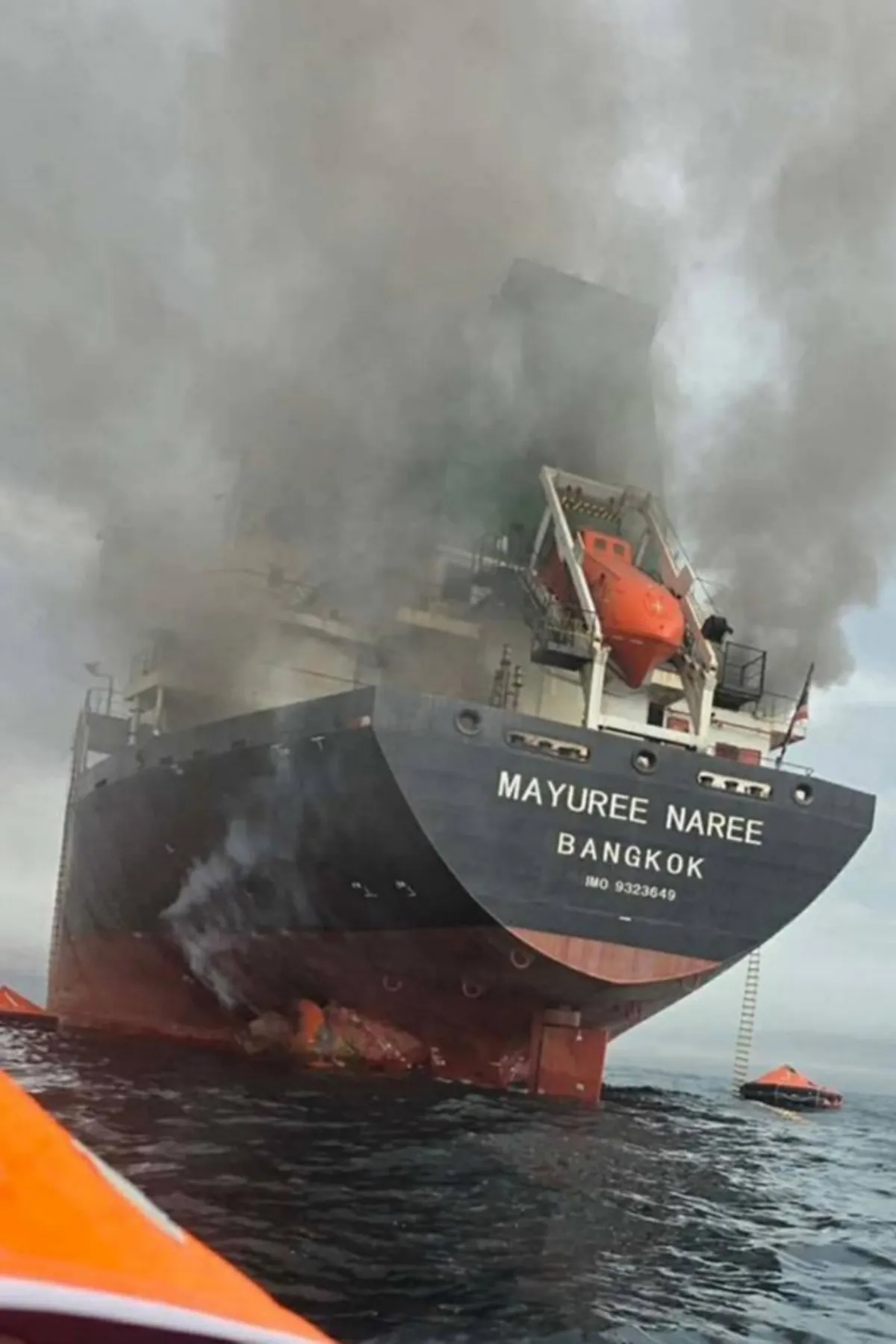
By deploying drones near the Strait of Hormuz, Iran forced insurers to withdraw and collapsed oil transit by 70 percent...
A 5.5 magnitude earthquake hit Turkey in the morning, with its epicenter 46 kilometers north of the city of Tokat....
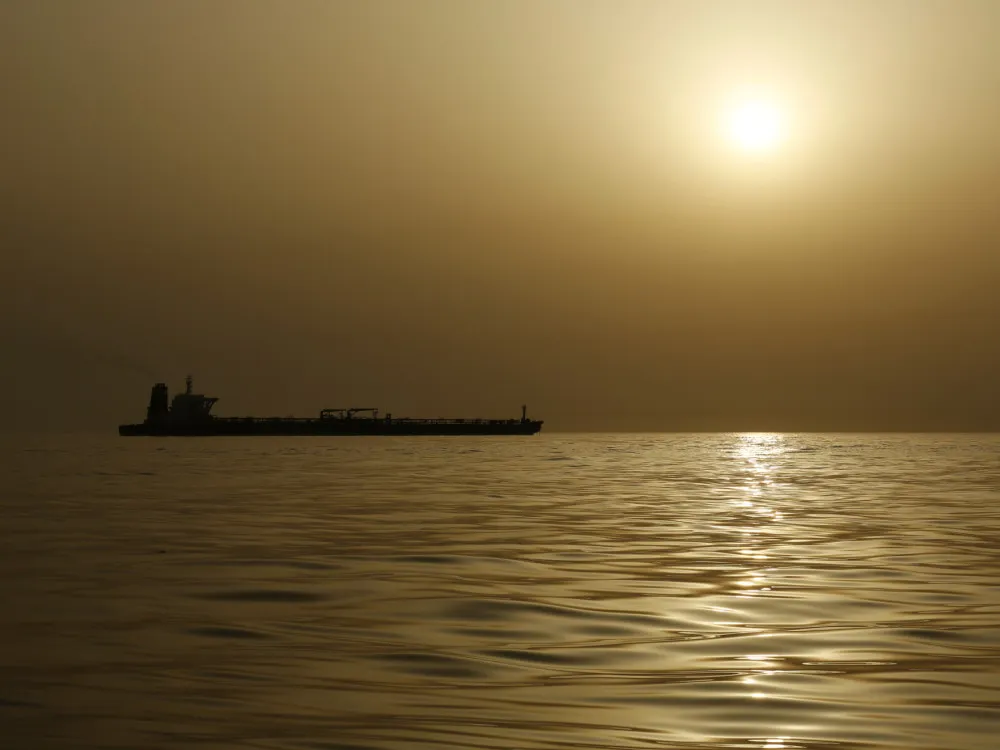
The United States issued a 30-day permit to buy Russian crude oil at sea, with the aim of alleviating the...
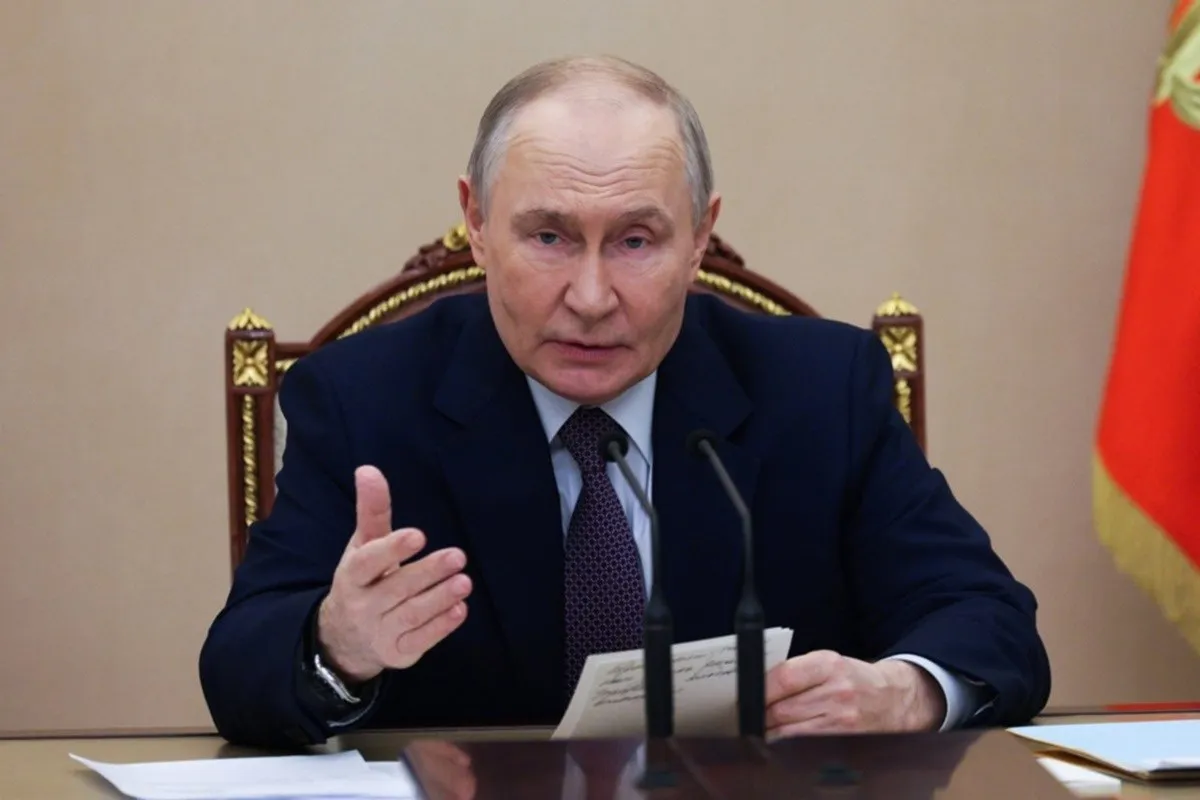
Russian envoy Kirill Dmitriev stated that Washington is beginning to better understand the importance of Russian oil following productive talks...

Powerful explosions shook Dubai, and thick smoke rose over the city's financial center after debris from an intercepted projectile fell...
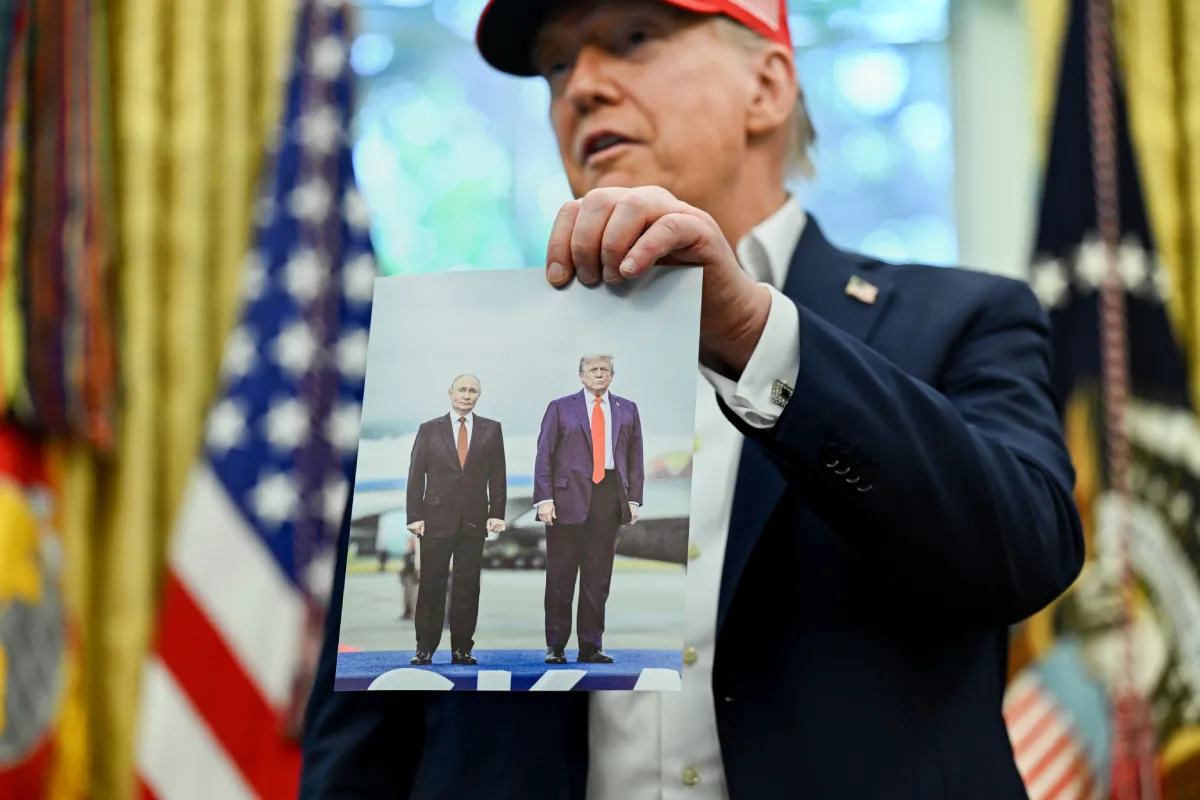
The US Treasury Department issued a temporary permit to buy Russian crude oil, following prices above $100 per barrel triggered...
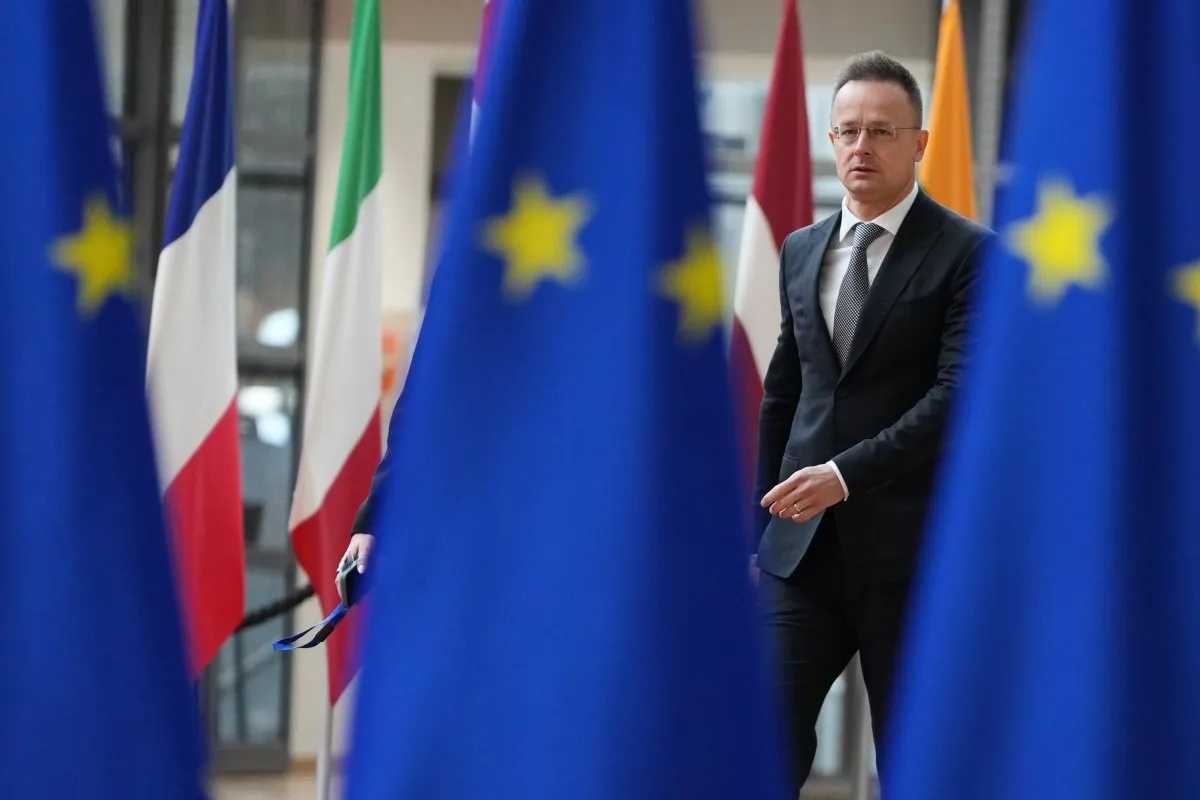
Hungarian Foreign Minister Péter Szijjártó stated that Ukraine is seeking to impose a complete energy blockade on Hungary, blocking both...