Има ли експерти кои ќе ги учат градоначалниците на планско трошење?
20.03.2026


27.02.2026

27.02.2026

29.01.2026

09.03.2026

27.02.2026

19.02.2026

16.11.2025

16.11.2025

16.11.2025

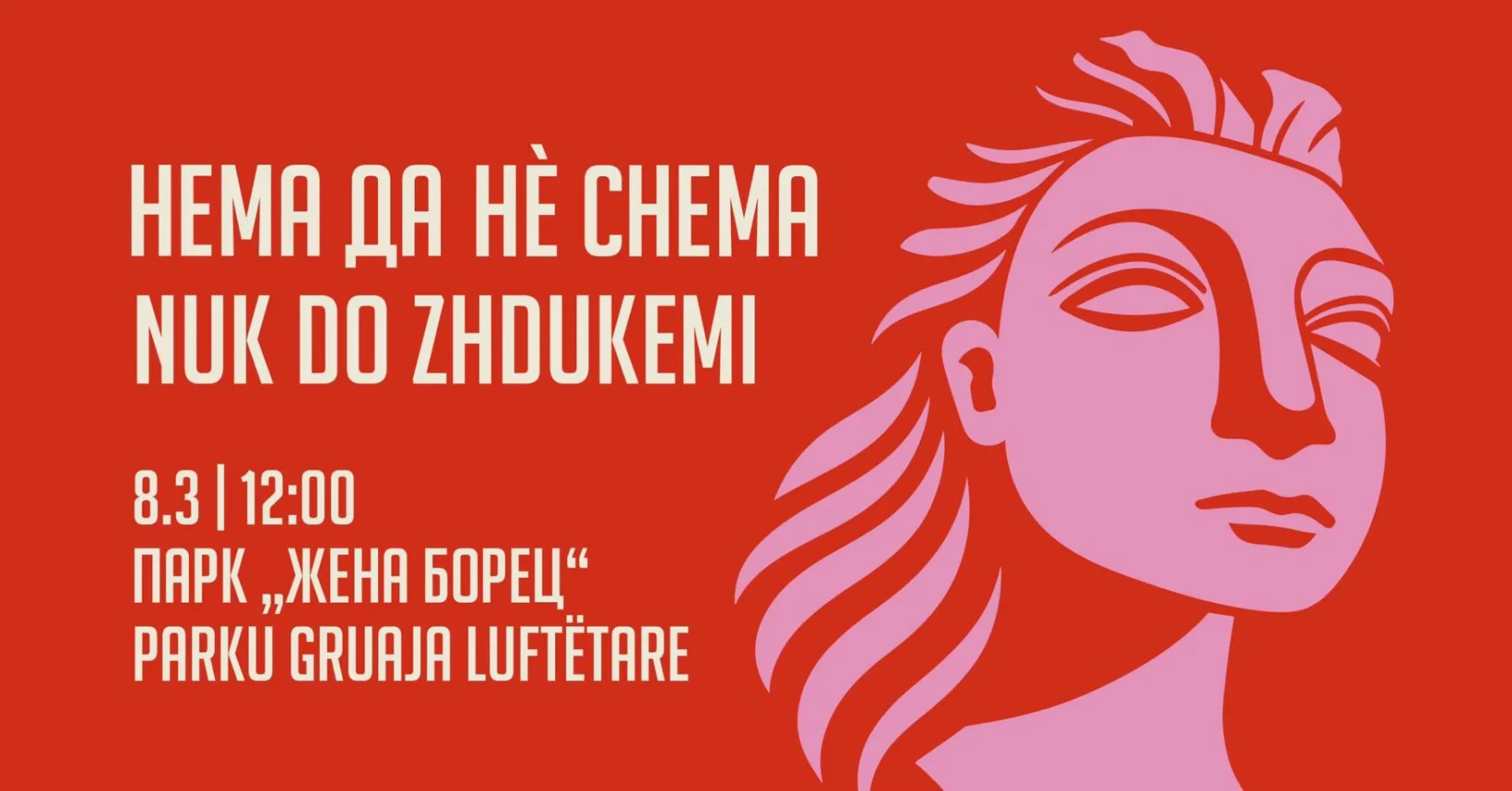
International Women's Day, marked every year on March 8, traces its origins to a protest by textile workers in New York who in 1857 demanded greater rights. The date was not standardized until 1917, when the Russian feminist protest under the motto "Bread and Peace" — demanding food and an end to World War I — became a symbol of women's resistance. The United Nations began marking the day in 1975, and two years later declared it an international day dedicated to women's rights and world peace.
Over the decades, the date transformed from political to commercial — a day of flowers and gifts rather than demands for equality. Some activists believe this transformation has diluted the movement's essential message and severed the day from the historical context of the struggle for workers' and women's rights.
The Macedonian context makes this topic particularly painful: in just one month before March 8, at least 15 cases of violence against women were documented, including physical assaults, rape, confinement without possibility of outside contact, and killings. Among them is the tragedy in the Skopje neighborhood of Taftalidze, where a 31-year-old woman and her six-year-old daughter lost their lives after falling from a balcony — a family that had previously reported domestic violence.
United Nations research indicates that approximately 45 percent of women in North Macedonia have experienced partner violence at some point, though only a small fraction report cases. Activists point out that reported figures are only the tip of the iceberg.
Today, in Skopje and dozens of European cities, citizens will take to the streets in Women's Day marches under the motto "Rights, justice, action for all women and girls" — a protest seeking to return March 8 to the realm of political demand for change and accountability.
The latest 10 news from this category
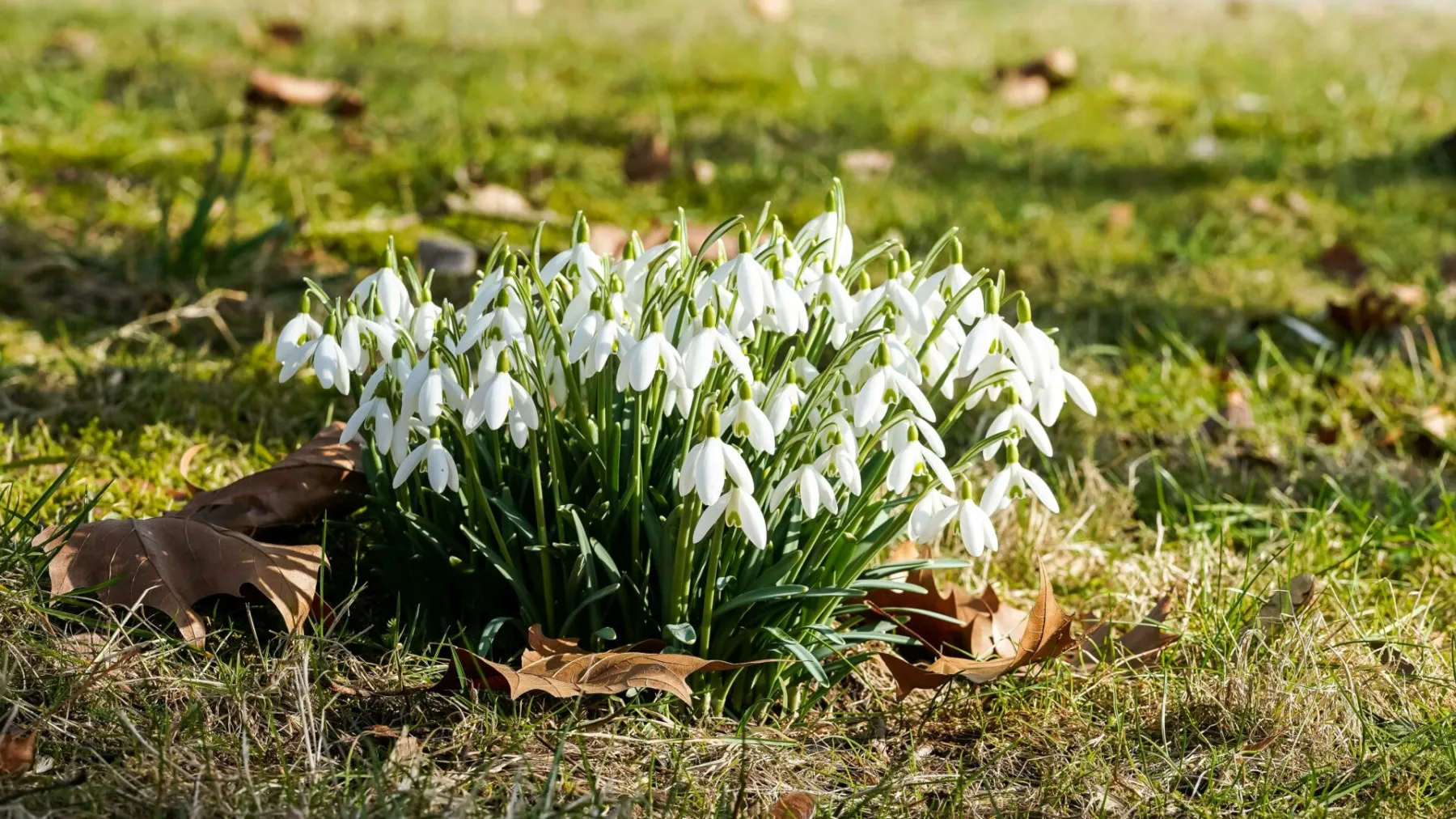
The vernal equinox marks the official start of spring. Macedonia enjoys a sunny day with temperatures up to 16 degrees,...

Петар Богојески обвинува за немарност на Кардиологија, додека медицинскиот персонал поднесе пријава за закани и навреди.
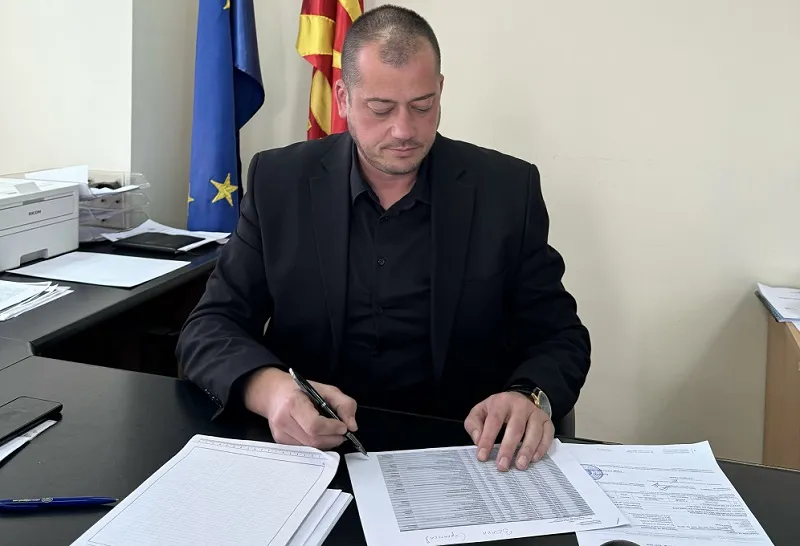
Васе Анакиев, заменик-претседател на Социјалистичката партија, е приведен во полициска акција за примање мито.
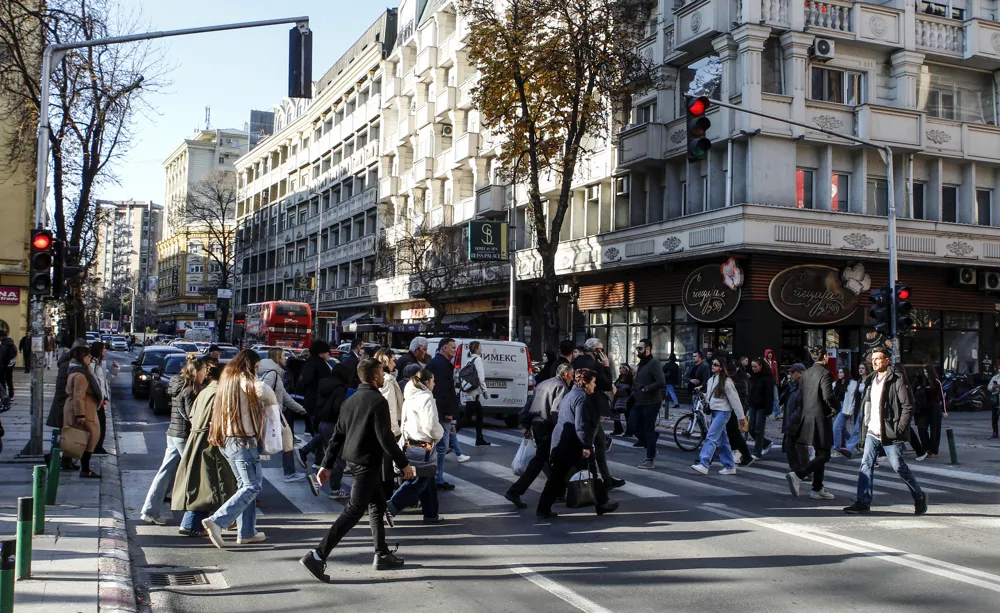
Life expectancy in Macedonia stands at 76.6 years, nearly five years below the EU average of 81.5 years, according to...
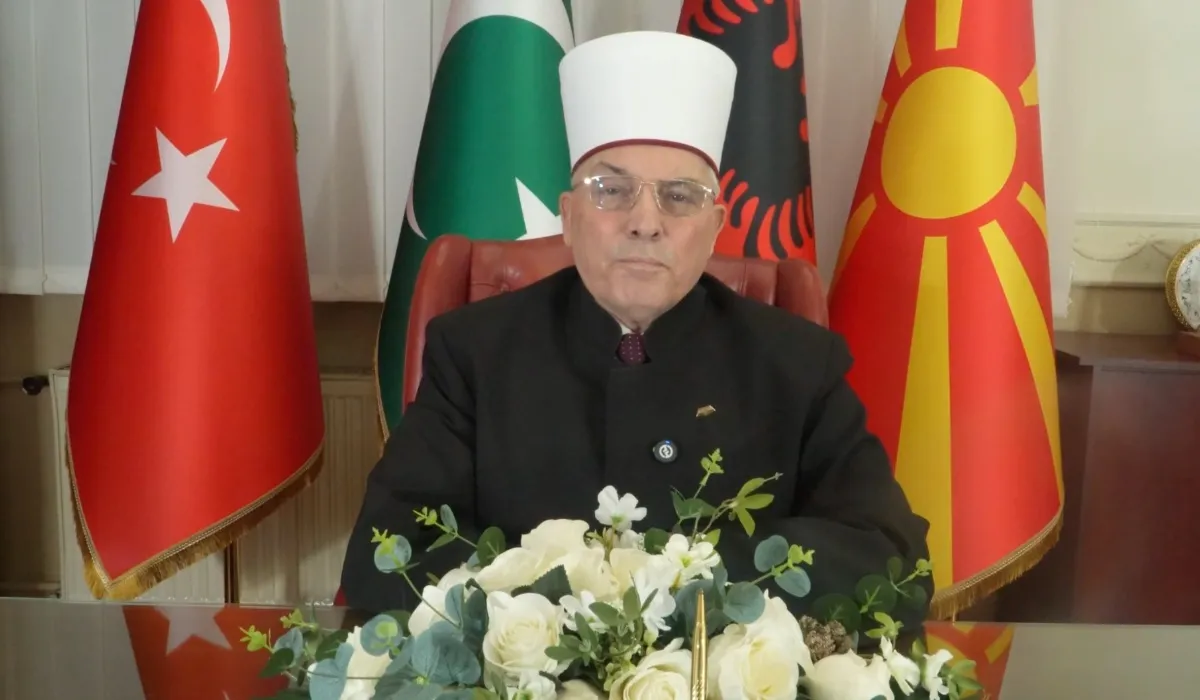
Muslims in Macedonia celebrated Eid al-Fitr. Reis ul-Ulema Shaqir Fetai sent greetings emphasizing reconciliation and closeness.
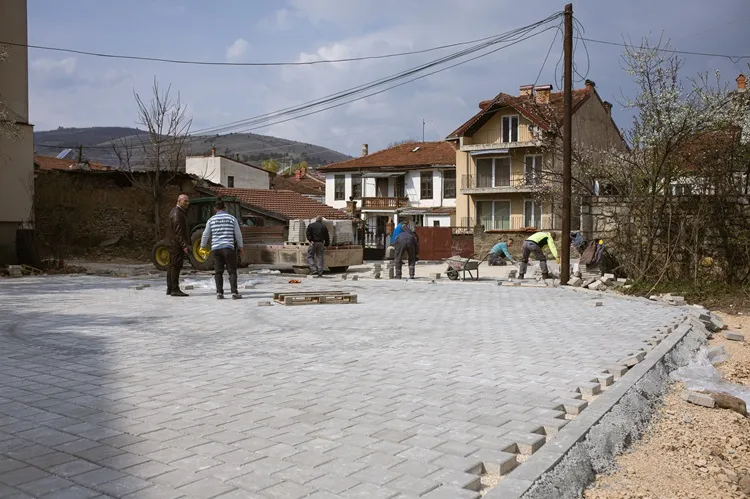
The project worth 2.3 million denars includes 800 square meters of concrete tiles and solving the drainage problem.

The Public Enterprise for State Roads published a controversial tender for external consultants with disproportionately high compensation.
Minister Aliu announced the draft law will be finalized in one to one and a half months, after consultations with...

The new state public prosecutor announced digitalization of the system and an end to the practice of keeping cases in...
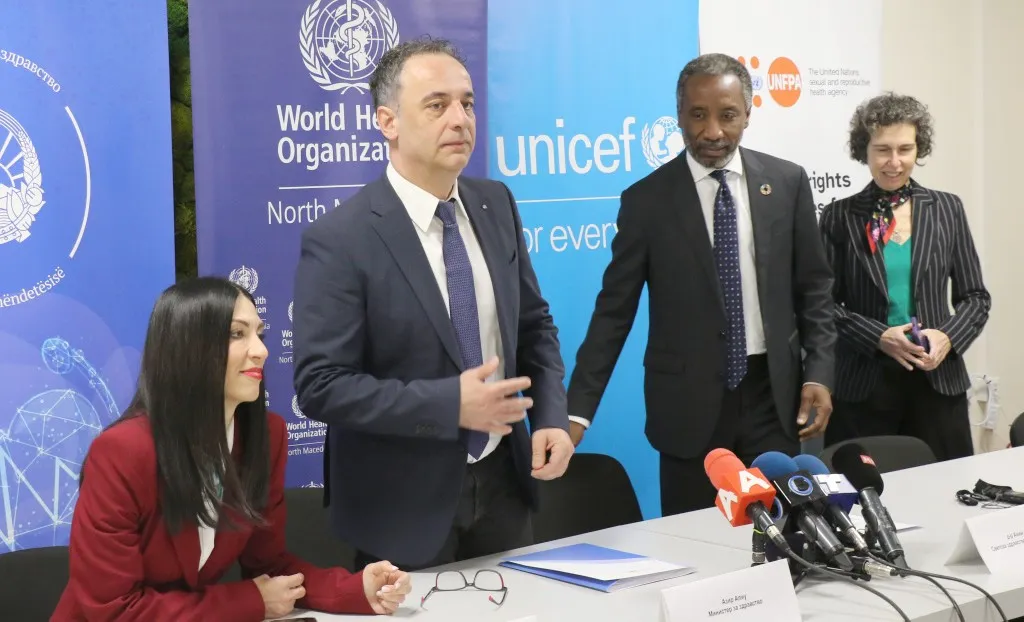
Mortality among children under 5 has been reduced by 75 percent in one decade, according to a new UN report.