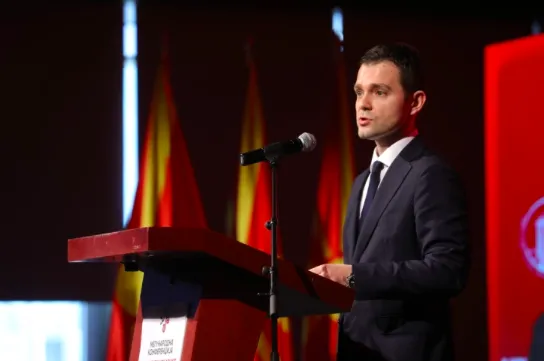
Муцунски: Кочани ја покажа вистинската сила на дипломатијата - 115 пациенти добија помош во Европа
14.03.2026


14.03.2026

14.03.2026
14.03.2026

27.02.2026

27.02.2026

29.01.2026

09.03.2026

27.02.2026

19.02.2026

16.11.2025

16.11.2025

16.11.2025

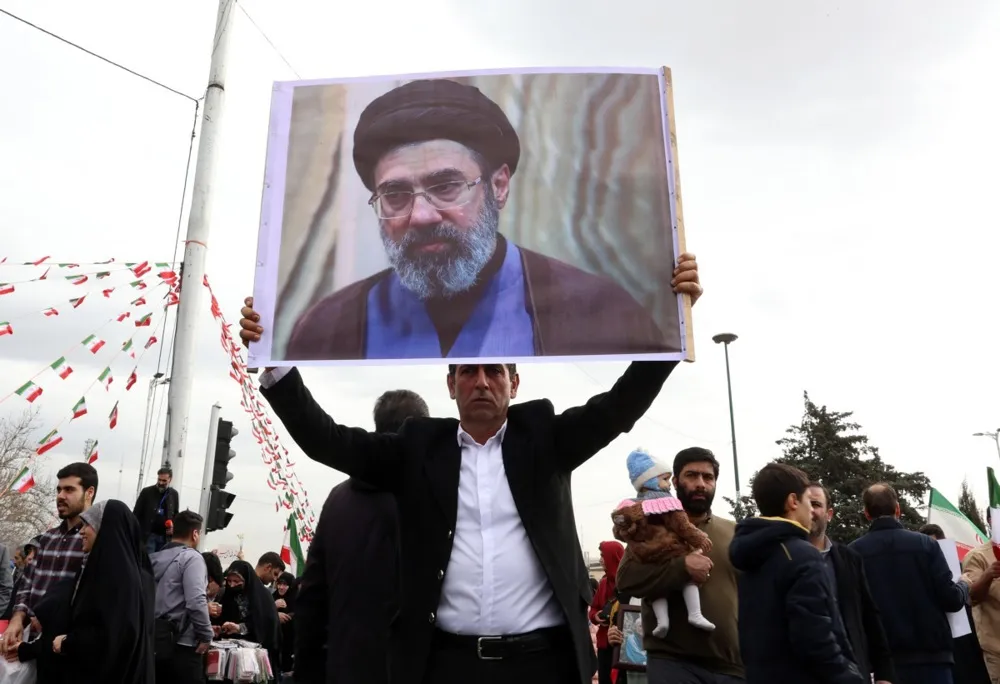
Iran's Assembly of Experts appointed Mojtaba Khamenei, the 56-year-old son of the late Supreme Leader Ali Khamenei, as the country's new leader. The decision came just ten days after his father's death in an Israeli airstrike that also killed his wife and son. The appointment took place in the midst of an active military operation, under circumstances Iran's history had never previously known.
Mojtaba Khamenei grew up without a publicly visible high-ranking position, but diplomatic circles long described him as "the second most powerful figure in the Supreme Leader's office." A 2008 US diplomatic cable described him as "a capable and decisive manager who could assume national leadership responsibility." Born in 1969, he served in the armed forces during the Iran-Iraq War, where he built key connections with Revolutionary Guard generals who now form his main base of support.
After the appointment was announced, hundreds of thousands of Iranians took to the streets of Tehran and across the country. Iranian state television showed masses of people with Iranian flags swearing allegiance to the new leader. The Revolutionary Guard also swore loyalty, confirming the effective transfer of power under difficult wartime conditions.
Demonstrators vowed to continue the conflict with the US and Israel until final victory. Political analysts highlight the symbolic paradox: the Islamic Revolution in Iran explicitly rejected the principle of hereditary rule, yet the country is now witnessing a literal hereditary succession at the very top of power. The selection of Mojtaba Khamenei signals the dominance of hardline factions close to the Revolutionary Guard and confirms that Iran will continue on the same course in the conflict.
The latest 10 news from this category
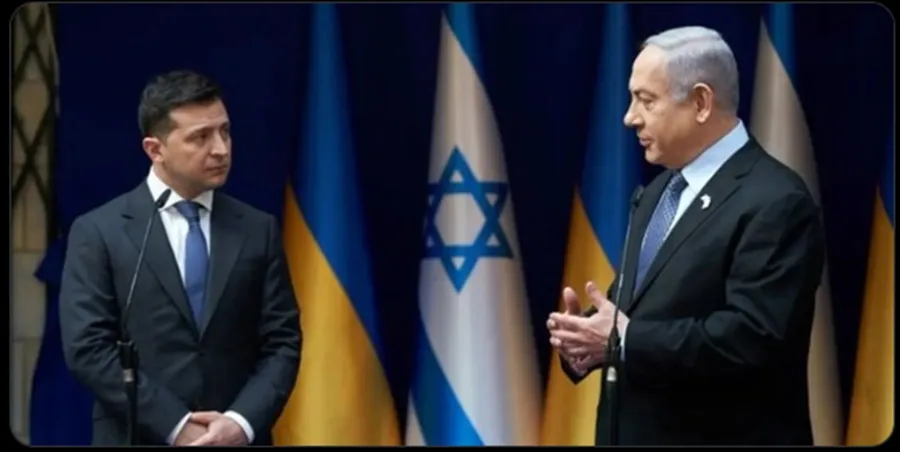
An Iranian envoy stated that Ukraine, by supplying drones to Israel, entered the conflict and its territory is now a...
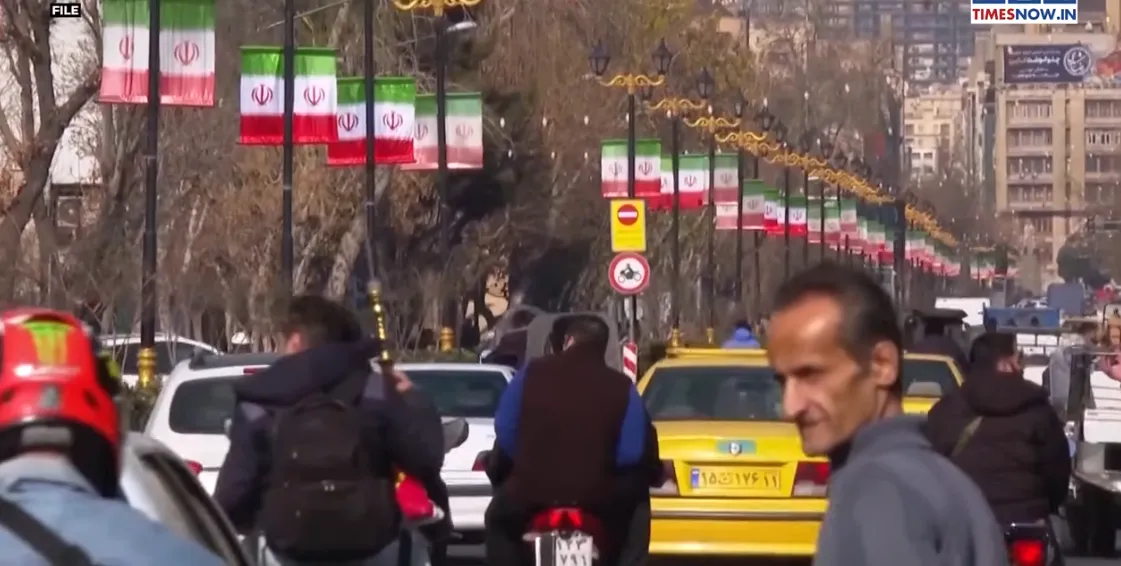
World analysts warn the conflict is exceeding regional borders - Iran's mosaic defense and control of the Strait of Hormuz...
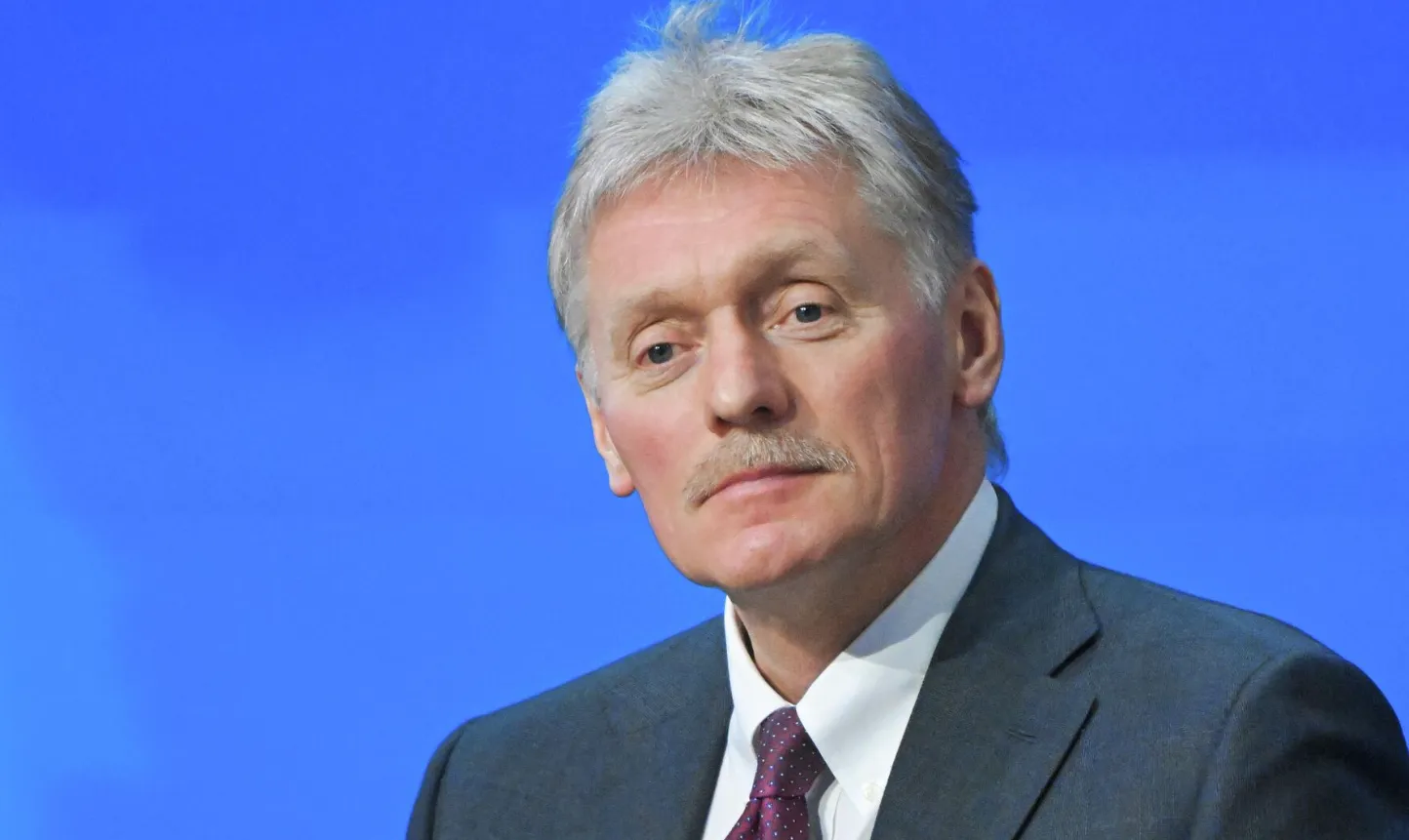
The Kremlin stated that global markets urgently need Russian oil due to the Hormuz blockade, while Washington temporarily suspended sanctions...
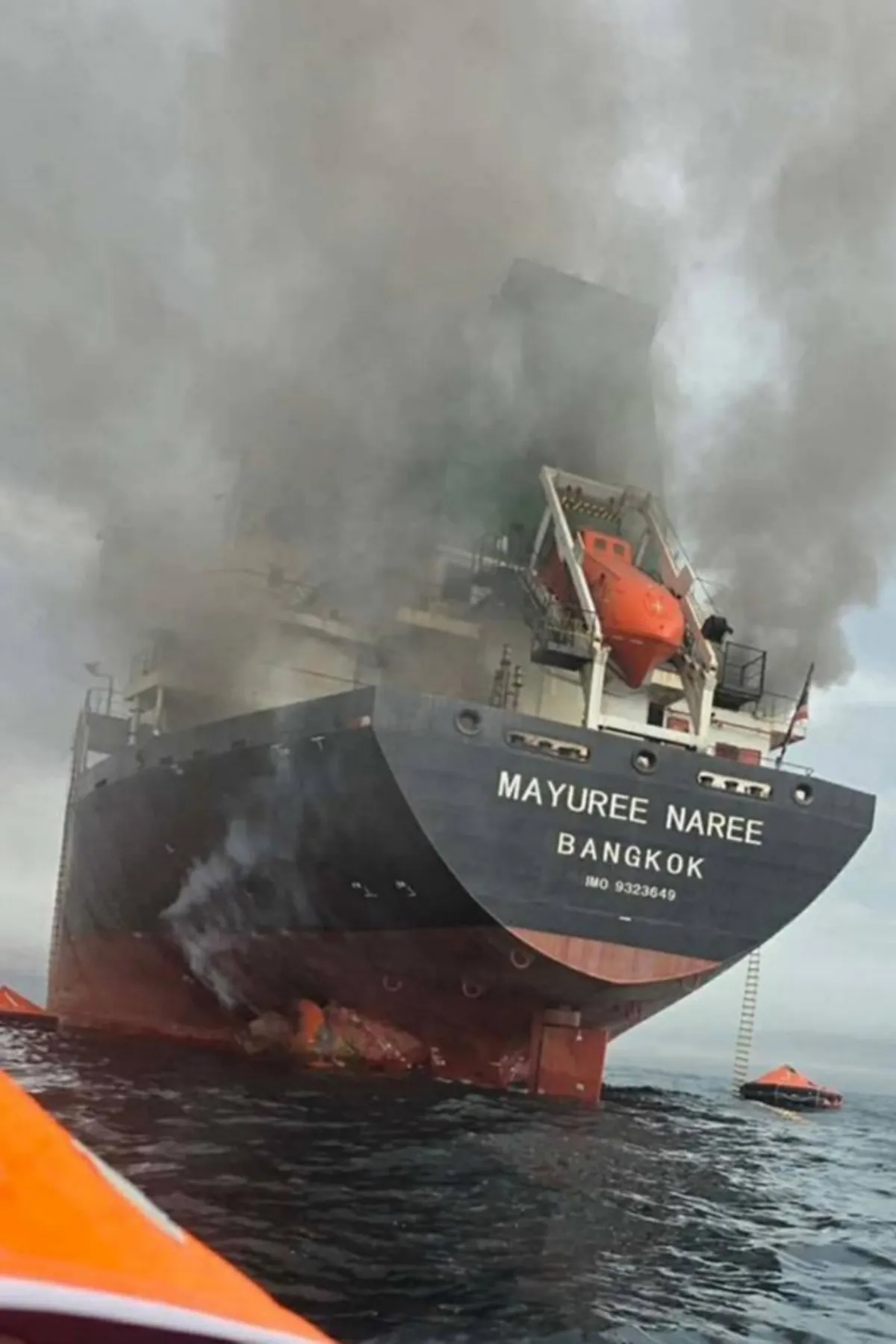
By deploying drones near the Strait of Hormuz, Iran forced insurers to withdraw and collapsed oil transit by 70 percent...
A 5.5 magnitude earthquake hit Turkey in the morning, with its epicenter 46 kilometers north of the city of Tokat....
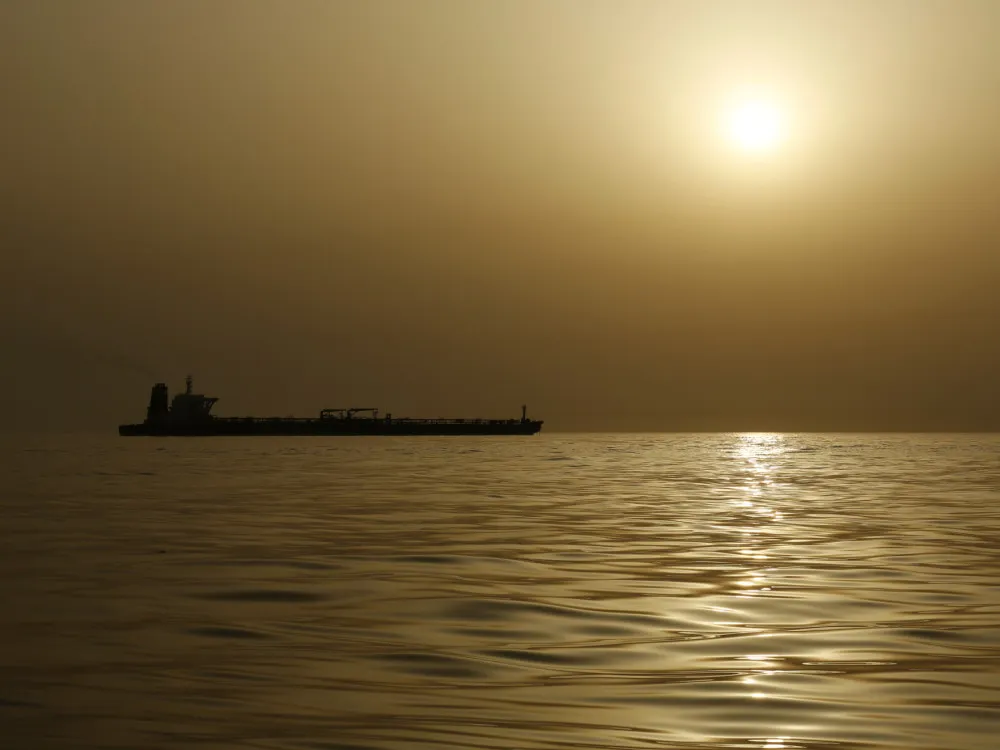
The United States issued a 30-day permit to buy Russian crude oil at sea, with the aim of alleviating the...
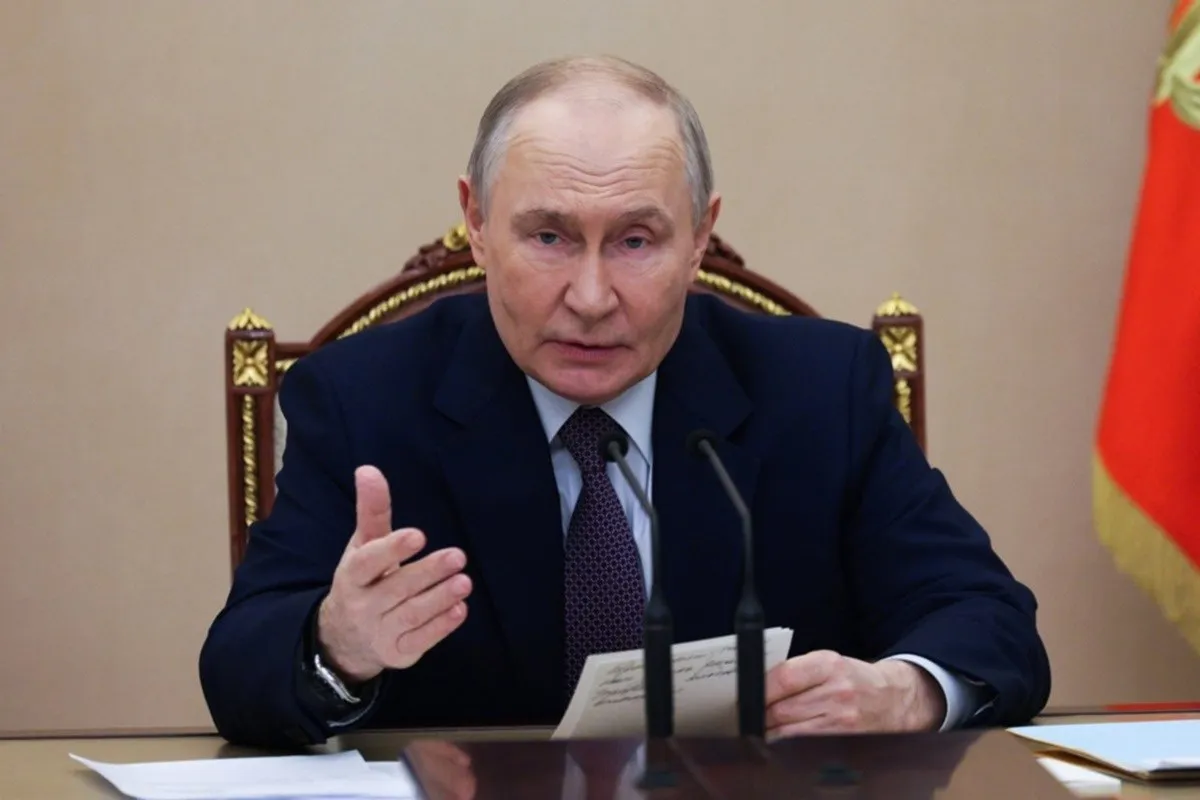
Russian envoy Kirill Dmitriev stated that Washington is beginning to better understand the importance of Russian oil following productive talks...

Powerful explosions shook Dubai, and thick smoke rose over the city's financial center after debris from an intercepted projectile fell...
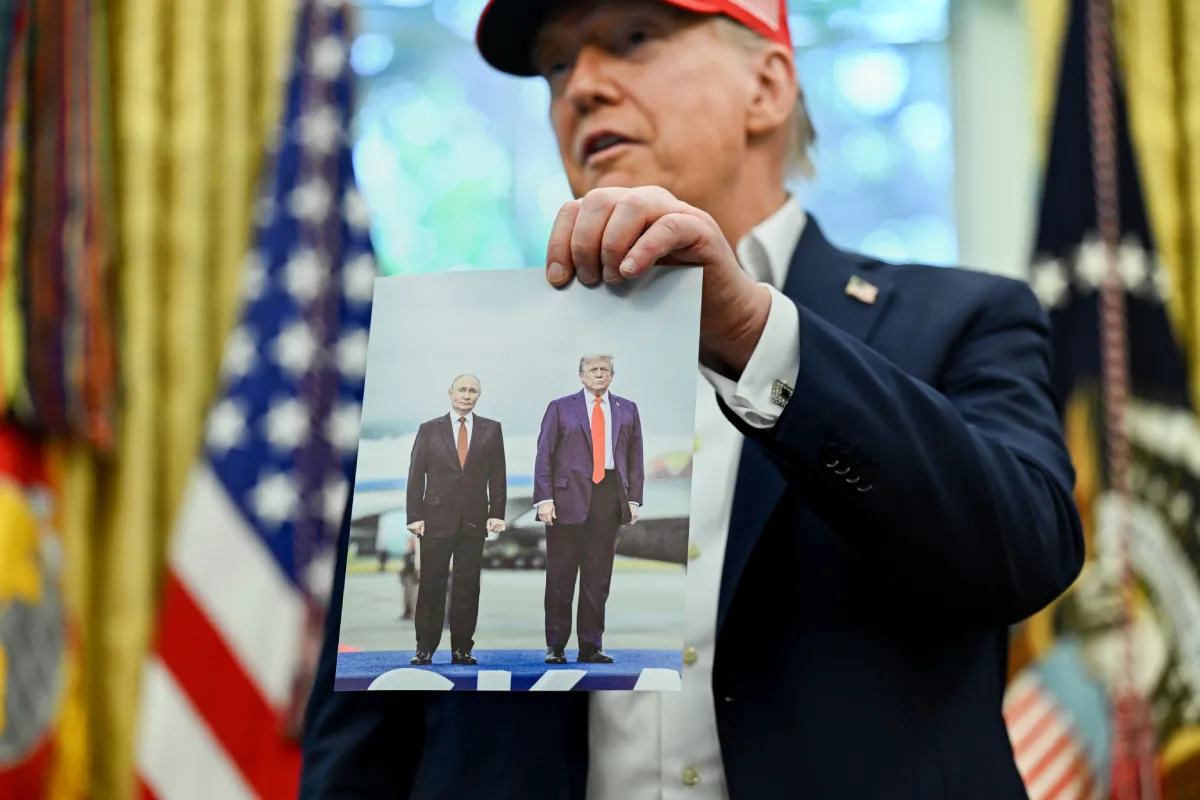
The US Treasury Department issued a temporary permit to buy Russian crude oil, following prices above $100 per barrel triggered...
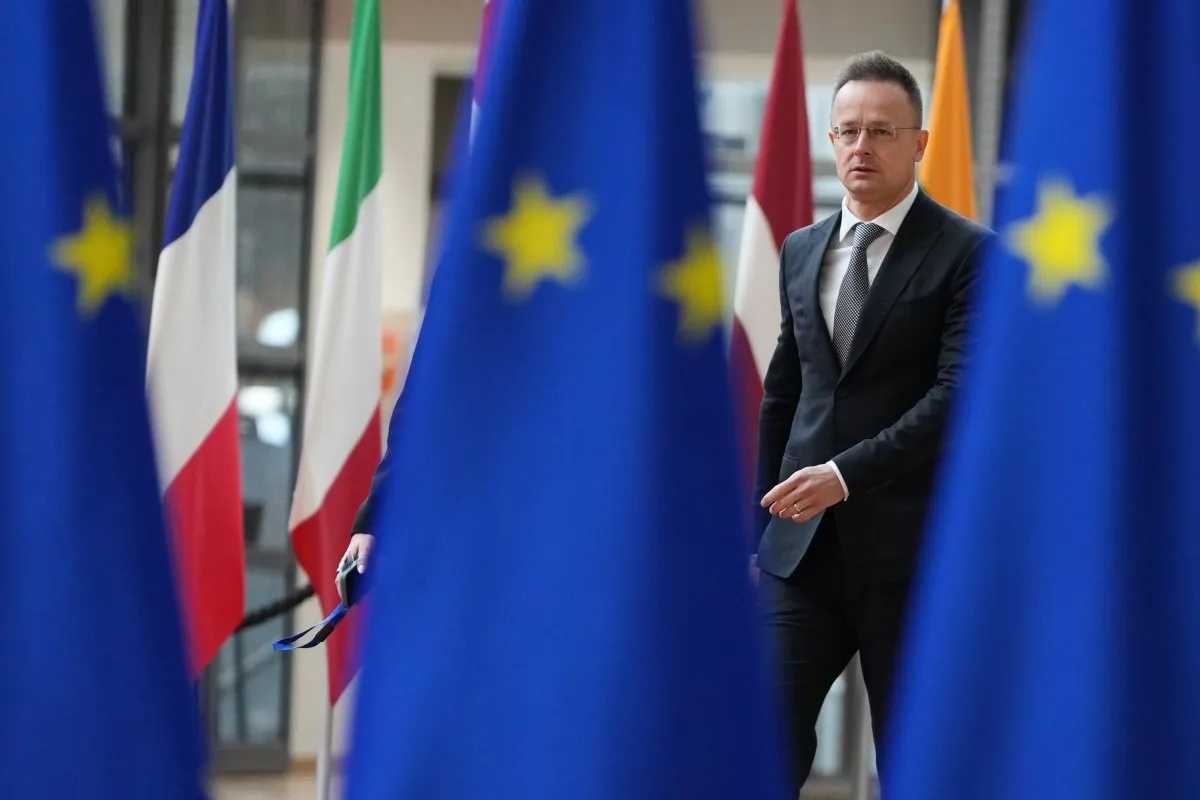
Hungarian Foreign Minister Péter Szijjártó stated that Ukraine is seeking to impose a complete energy blockade on Hungary, blocking both...