Ирански амбасадор предупредува: Воени бази во Европа можат да станат легитимна цел
13.03.2026



27.02.2026

27.02.2026

29.01.2026

09.03.2026

27.02.2026

19.02.2026

16.11.2025

16.11.2025
16.11.2025
For over 40 years, the Middle East has remained one of the most unstable regions in the world. Wars, sanctions, regime changes, and persistent regional conflicts have created political and economic instability that is still felt today. Many analysts believe that a significant part of this instability is the result of the geopolitical strategies of major powers, primarily the United States and their Middle Eastern ally Israel.
The history of the modern Middle East is filled with interventions and political pressures. From the Iranian Revolution in 1979, through the wars in Iraq, conflicts in Syria and Libya, to the ongoing tensions with Iran, the region has been under constant influence from external geopolitical interests.
A direct attack on Iran, according to many experts, would represent a serious strategic mistake. Unlike previous conflicts, Iran is a major regional power with significant military capabilities and a network of allies across the region. Any direct confrontation risks triggering a wider regional war involving multiple states and destabilizing the entire area.
The consequences of such a conflict would be far-reaching. Beyond enormous human casualties and economic damage, analysts warn that the Middle East could enter a new cycle of instability lasting at least a decade. Destroyed infrastructure, disrupted trade routes, and new political divisions would push the region even further from any long-term stability.
Over the past two decades, entire states in the Middle East have been turned to rubble. Iraq, Libya, Gaza, and Syria are examples of regions devastated by wars, interventions, and years-long conflicts. Cities that were once centers of trade and culture today stand as symbols of destroyed infrastructure, economic collapse, and millions of displaced people.
The world may be silent today, but history always asks its questions. The destroyed cities and millions of victims in Gaza, Syria, Libya, Iraq, and now Iran remain as a permanent wound on contemporary geopolitics. Entire generations grew up amid ruins, wars, and displacement while world powers pursued their own political and military calculations.
But no matter how long the silence lasts, the question of accountability will not disappear. One day, humanity will have to face the consequences of these conflicts and ask one simple question: who will answer for the destroyed states, the lost lives, and the futures that never came to be. History shows that truth often comes late, but rarely remains hidden forever.
The latest 10 news from this category
Iran's ambassador to the UN in Geneva warned that any military base used for attacks against Iran, including those on...
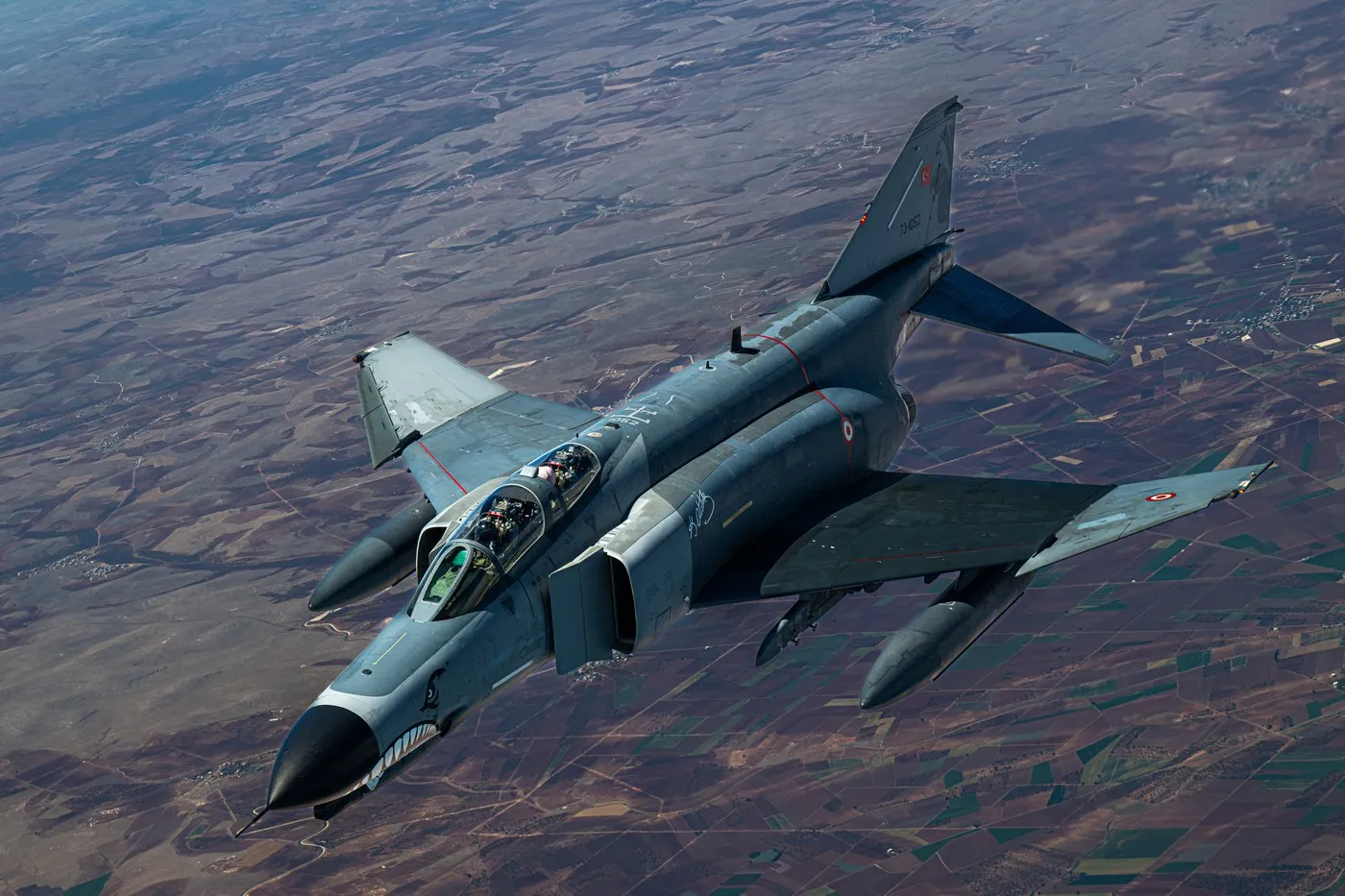
Alarm sirens went off at NATO's Incirlik base in Turkey and air defense systems intercepted two ballistic missiles. The US...
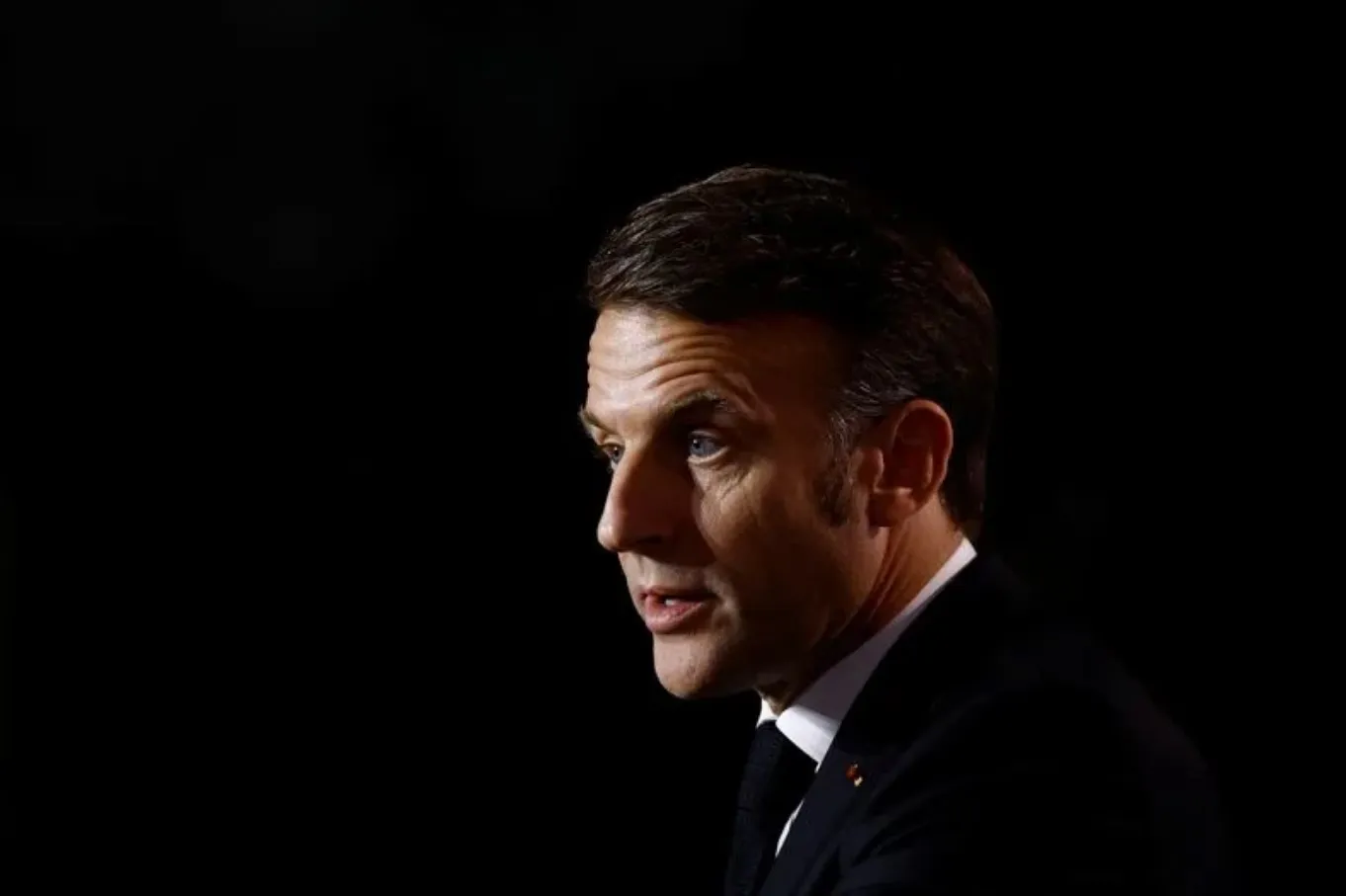
One French soldier was killed and six others were wounded in a drone attack on a military base in Iraq....
A magnitude 5.5 earthquake struck Turkey in the morning, with its epicenter 46 kilometers north of the city of Tokat....

Serbian President Aleksandar Vucic said the decision on calling snap parliamentary elections will not depend on the outcome of local...
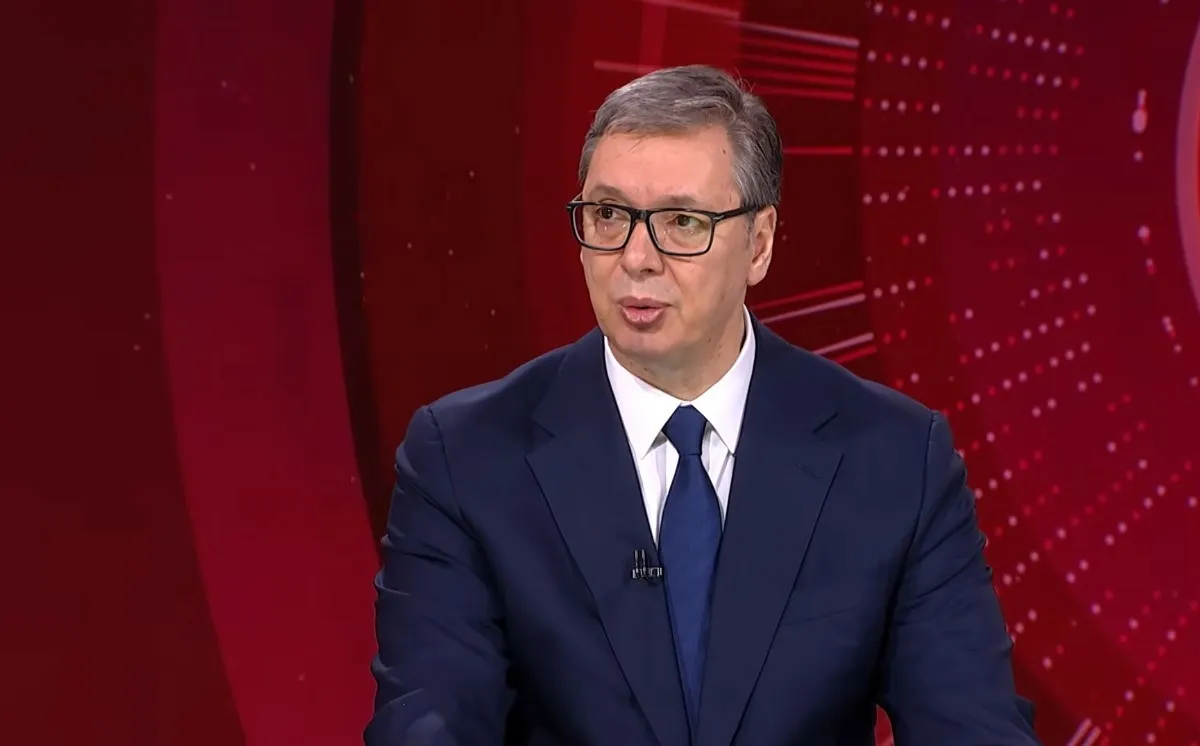
Serbian President Aleksandar Vucic confirmed the purchase of Chinese hypersonic ballistic missiles, warning that neighboring countries are just waiting for...

The Foreign Ministry concluded an evacuation contract worth 59.8 million denars (972,000 euros). Four flights, 458 evacuated citizens.

The Minister of Environment confirmed a public hearing will be organized for the renewal of the operating permit for Usje...

ZNAM leader Maksim Dimitrievski stated that SDSM is in serious political crisis and that much of the opposition's activity is...

Nearly a third of online shoppers in the EU encountered problems when shopping online. In North Macedonia, 29.41% reported difficulties...