
Франција нуди план за мир: Либан подготвен за преговори со Израел во Париз
16.03.2026



27.02.2026

27.02.2026

29.01.2026

09.03.2026

27.02.2026

19.02.2026
16.11.2025

16.11.2025
16.11.2025

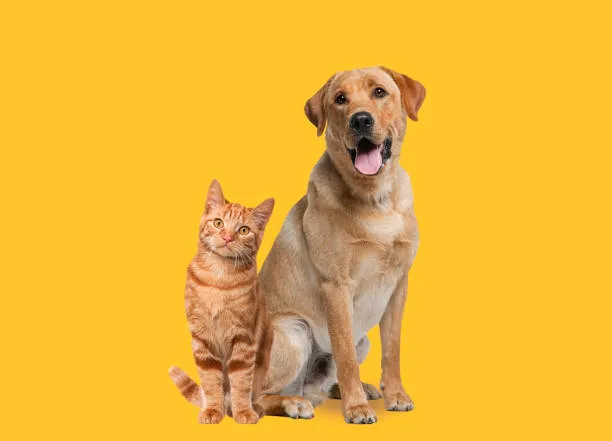
"You can barely hide anything from a dog," says Dr. Nicholas Dodman, professor emeritus and founder of the Animal Behavior Department at Tufts University. Dogs are masters at reading human body language - a skill they have been developing for around 20,000 years, the duration of their domestication.
They also possess an extraordinary tool - a nose with 300 million scent receptors, enabling them to "read" us down to the microbial level. The part of a dog's brain dedicated to smell is about 40 times larger than a human's. Cats, while having somewhat fewer receptors (up to 200 million), still far surpass humans, who have around 5 million. Although their eyesight may not be as powerful as their sense of smell, it is sharp enough to understand our body language. "They read like a book," says Dodman.
Through their senses, they can detect a vast amount of information: sex, hormones, adrenaline, heart rate, blood sugar, and much more. Combined with visual cues such as pupil width, facial expression, eye contact, walking style, and body tension, they form a clear picture of who we are and what emotional state we are in.
Medicine already uses dogs' ability to detect diseases such as diabetes, COVID-19, cancer, epilepsy, and narcolepsy. Even untrained dogs can notice that "something is different."
Cats can also recognize human emotions - for example sadness - through facial expressions, voice, and behavior. They learn what "works" with each person - who gets up at 4 in the morning and gives treats, and who does not.
The point is: our pets, more than anyone else, truly know who we are.
Ironically, one thing pets cannot detect is a person's moral character. Many believe that if a dog dislikes someone, it means that person is "bad." But that is not the case.
Animals do not live in a world of human moral categories. A negative reaction may be the result of fear, a bad prior experience, or a specific trigger - such as a white beard, a hat, or loud sounds. The way people greet each other - direct eye contact, extending a hand - can look threatening to dogs and cats.
In the end, all that matters to a pet is how you treat it. "You can be a terrible person to someone, and wonderful to your dog. That is all it cares about," explains one animal behavior expert.
About 15% of a dog's behavior is linked to the owner's personality. For instance, if you are afraid, the dog can sense it through scent and body language - and may react with fear or aggression. Tension can even transfer through the leash.
Cats also react to changes in the home environment. A change in routine, a family member leaving or dying can trigger stress reactions in them, such as excessive licking.
Sometimes a pet can even uncover a health problem. There have been cases where a dog persistently sniffed a specific part of the owner's body, leading to the discovery of a serious illness. They simply sense that something is different.
Caring for a pet can motivate us to work on ourselves. If we are anxious, the pet may become anxious too. By working on our own calmness, we help it as well.
Physically, dogs push us to move, walk, get fresh air, and sunshine. Emotionally, their unconditional love triggers the release of dopamine, oxytocin, and serotonin - hormones that make us feel better. Petting an animal reduces cortisol and blood pressure.
Caring for an animal requires sacrifice, empathy, and responsibility. It creates a sense of purpose and connection with the community. Pets live in the present moment - and they teach us mindfulness. They also teach us to accept others as they are, not as we wish them to be.
Sometimes people and their pets even begin to physically resemble each other over time. But the similarity may go deeper than appearance. Our pets can show us things about ourselves that we have not noticed.
For those in an existential crisis who are not satisfied with their reflection in the mirror, it may be worth looking into the eyes of their own pet. There, an honest answer and a path to a better version of yourself may be hiding.
The latest 10 news from this category
Златниот ретривер е една од најомилените раси на кучиња во светот, познат по својата нежност, интелигенција и неверојатна приврзаност кон...
Жените и кучињата имаат толку силна врска што понекогаш може да ги засени и некои човечки односи. Но не било...

Ако некогаш сте го гледале вашето куче додека спие, веројатно сте забележале како му се мрдаат нозете, му се мрда...

ЏЕЈМС Секстон, еден од најпознатите адвокати за развод во Америка, откри зошто, според него, толку многу бракови се распаѓаат. Со...
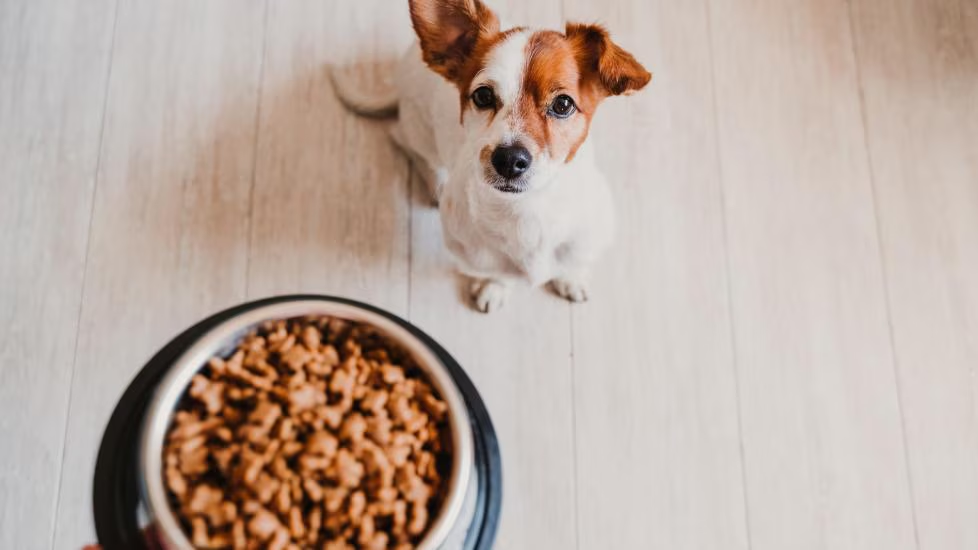
Хранењето на вашето куче со правилна количина висококвалитетна храна е едноставен, но многу важен начин да го задржите здравјето на...
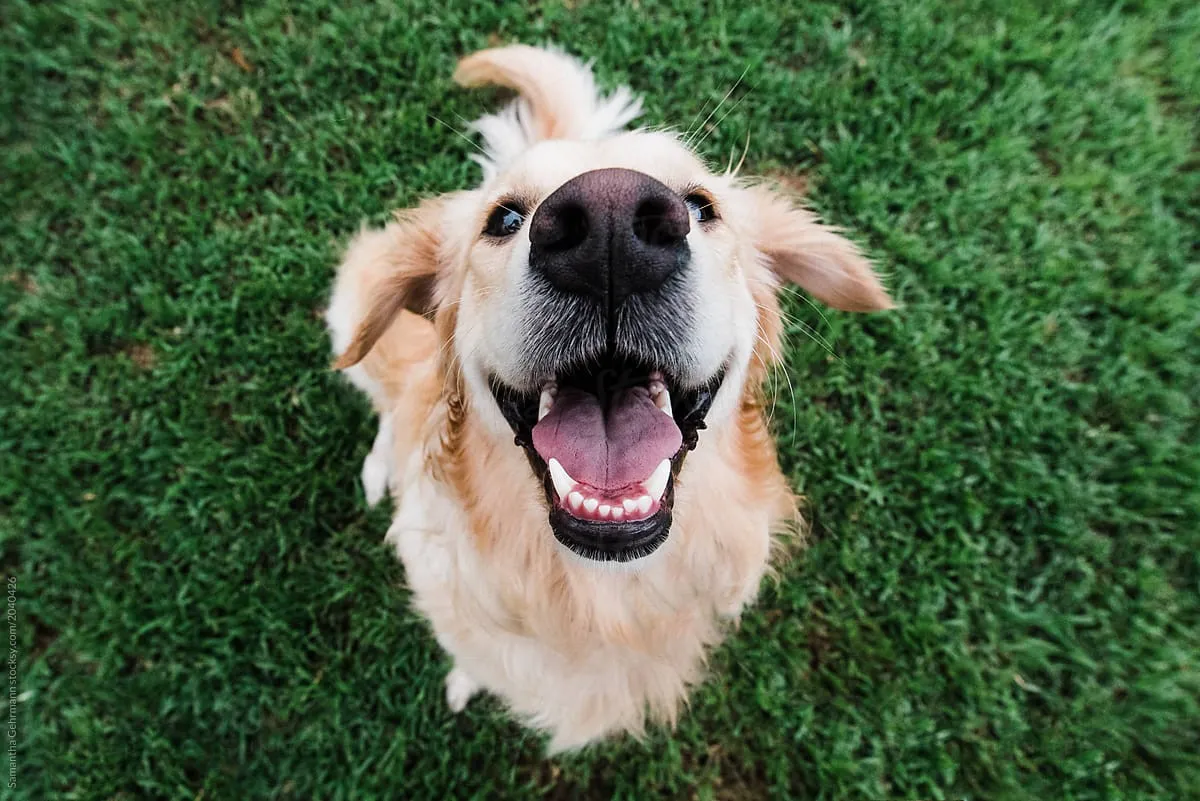
Секој сопственик на куче сака да знае дали неговиот четириножен пријател е среќен. Добрата вест е што кучињата имаат многу...

Дали знаевте дека ова е знак за висока емоционална интелигенција?

Нема сомнеж дека малите кучиња имаат посебен шарм. Лесни се за патување, имаат долг животен век, а многу од нив...
Иако миленичињата се дел од нашите семејства, сè уште постојат многу митови што се пренесуваат од генерација на генерација. Некои...

Како што ние одиме на лекар за редовни контроли, така и нашите миленичиња имаат потреба од ветеринарски прегледи, дури и...