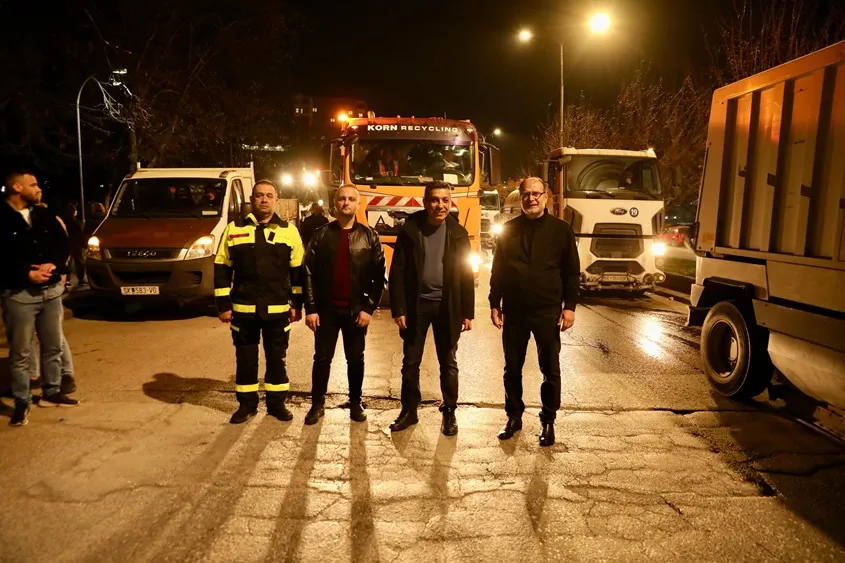
Штип добива Фонтана на ангелите во спомен на жртвите од Пулс
18.03.2026



27.02.2026

27.02.2026

29.01.2026

09.03.2026

27.02.2026

19.02.2026
16.11.2025
16.11.2025
16.11.2025
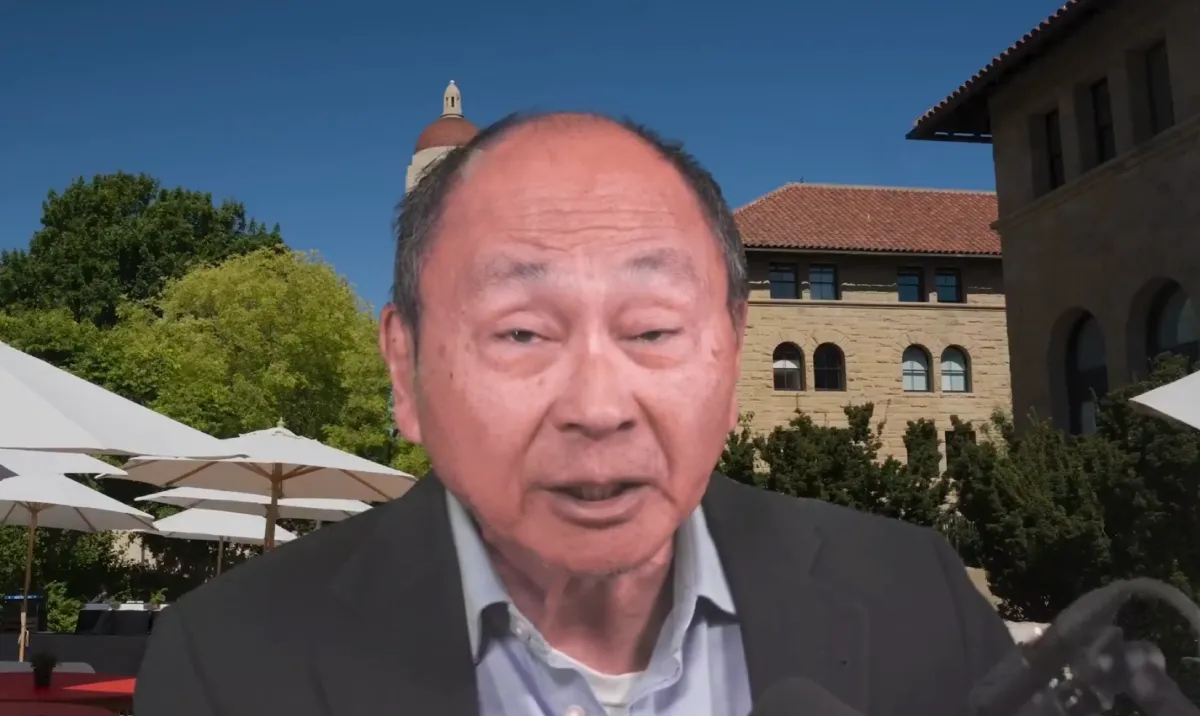
Political scientist Francis Fukuyama has offered a pointed critique of the Trump administration's strategic planning ahead of its Iran campaign, arguing that the president entered the conflict with unrealistic expectations of a rapid, decisive outcome. "Trump expected a quick victory, something like removing Maduro in Venezuela," Fukuyama wrote, suggesting the administration's pre-conflict planning was shaped more by political optimism than by sober military assessment.
By the first Friday of the conflict, the gap between expectation and reality had become unmistakable. Iran launched coordinated missile and drone strikes against American allies and military installations across the Persian Gulf, demonstrating both the will and the capability to sustain a prolonged campaign. Fukuyama argued that competent leadership at that juncture would have "attempted to lower expectations and establish achievable military objectives" — a course correction the administration has so far declined to make publicly.
In Fukuyama's assessment, three options now remain open to Washington. The first is to declare a form of victory and withdraw from active operations, leaving Iran weakened but functionally intact — a politically palatable but strategically ambiguous outcome. The second is to deploy ground forces, which Fukuyama describes as politically toxic given domestic American opinion. The third is to dramatically expand air campaigns to include civilian infrastructure such as desalination plants and electrical grids, which he warns would cause "enormous suffering on the Iranian people" and generate significant international backlash. None of the three, he concluded, represents a satisfactory resolution to a conflict that was launched without a clear theory of success.
The latest 10 news from this category
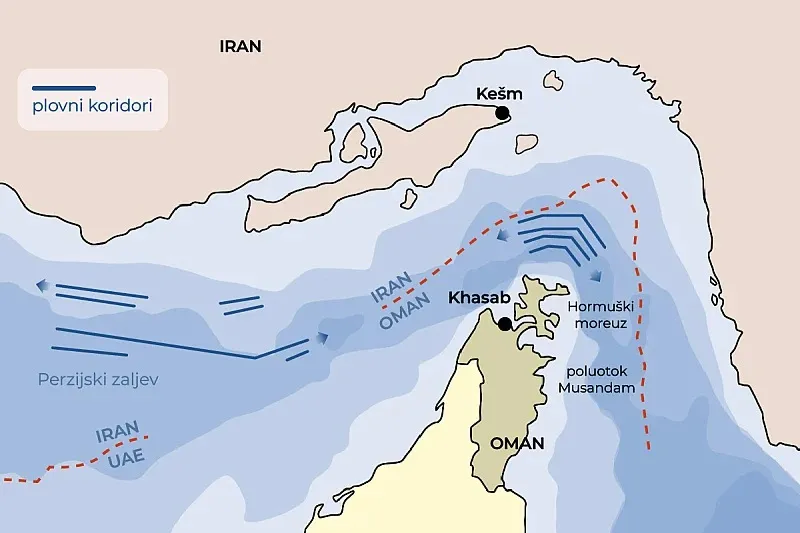
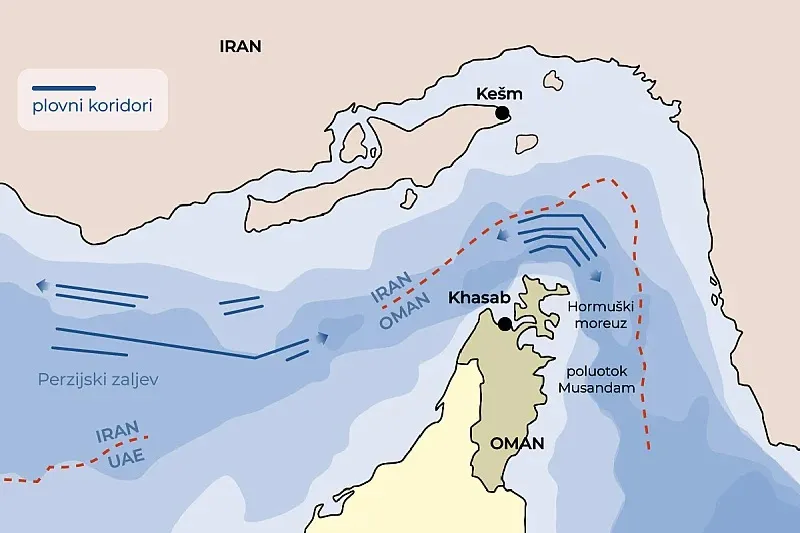
Американскиот претседател ги обвини сојузниците дека одбиваат да помогнат во Хормушкиот Теснец, додека аналитичарите укажуваат на стратешка асиметрија.
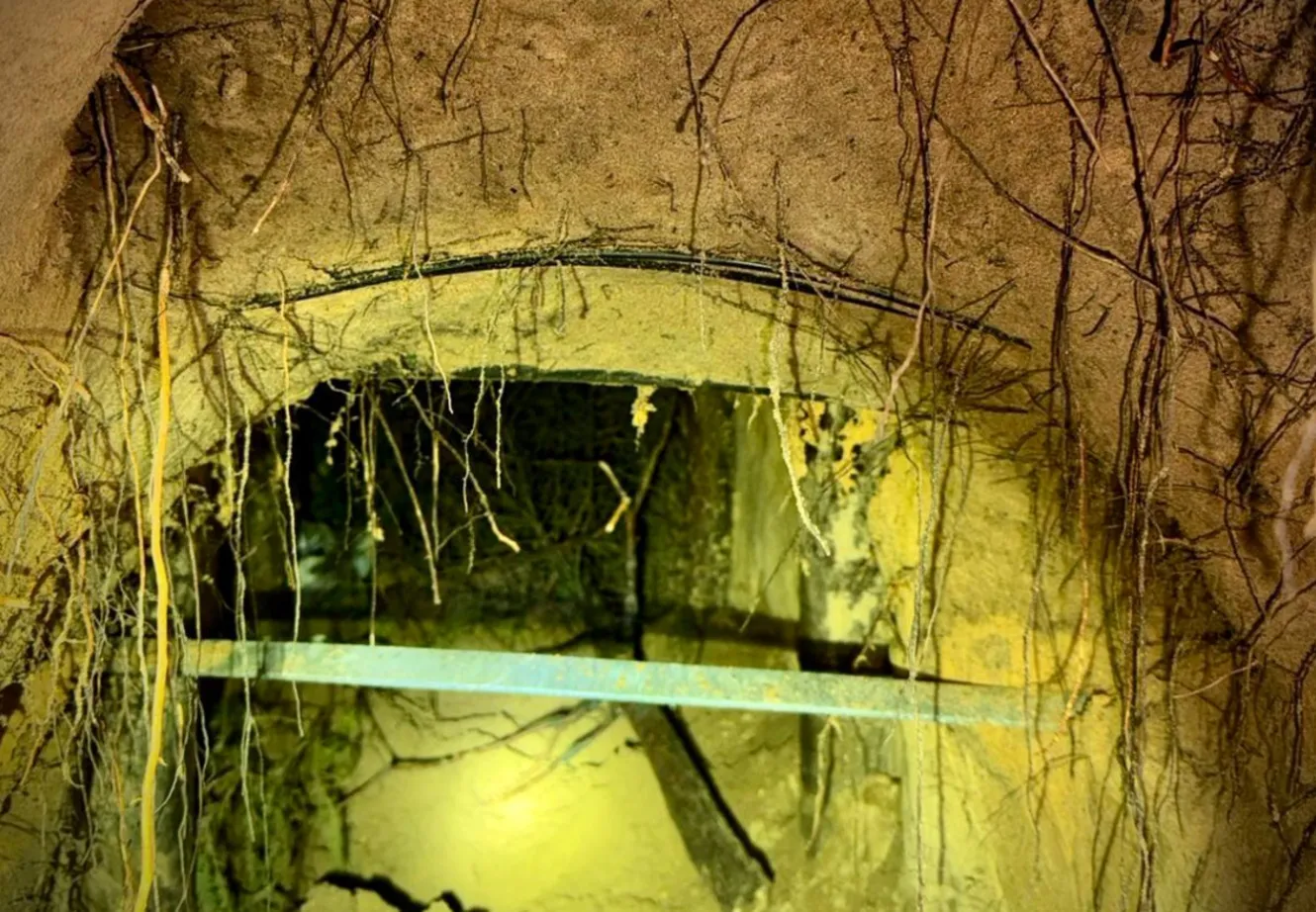
Шефот на латвиската служба предупреди на ескалирачки закани од Белорусија и Русија, со тренирани мигранти и хибридна војна против ЕУ.
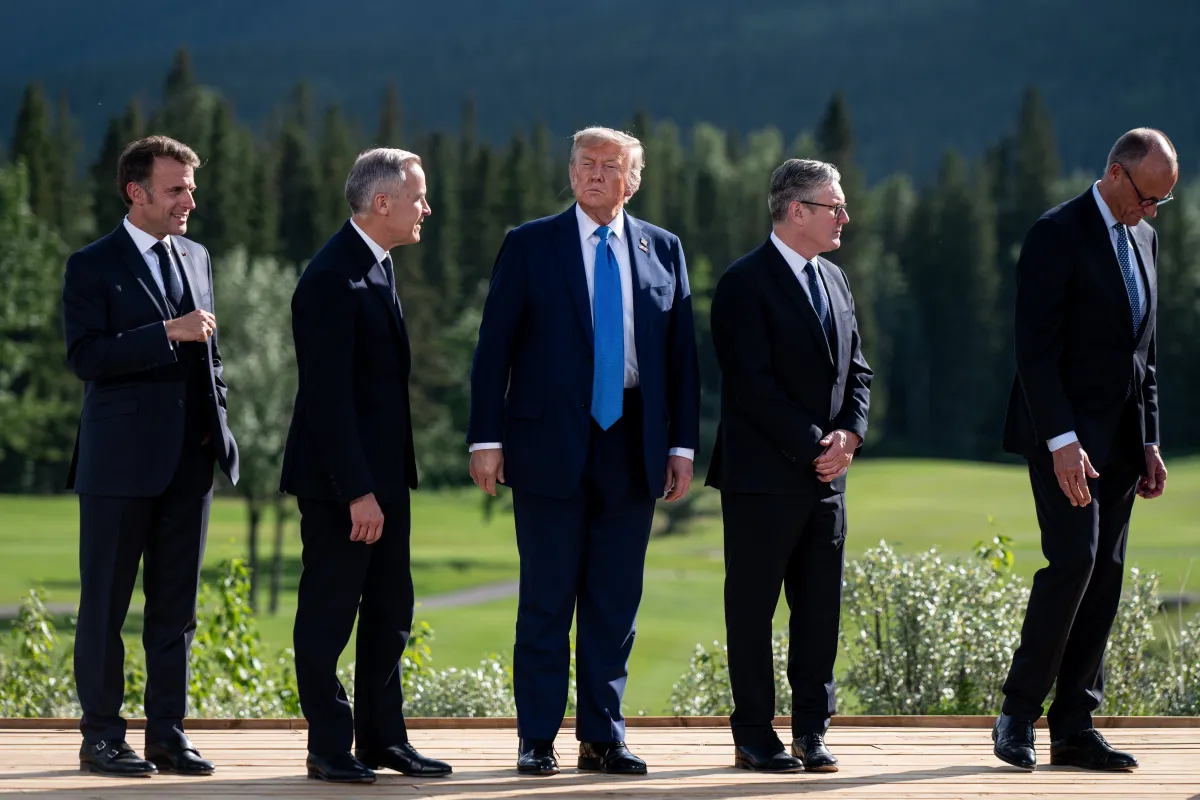
Министерот Баро ја претстави идејата како доказ за привлечноста на ЕУ, но и Брисел и Отава ја отфрлија како непрактична.
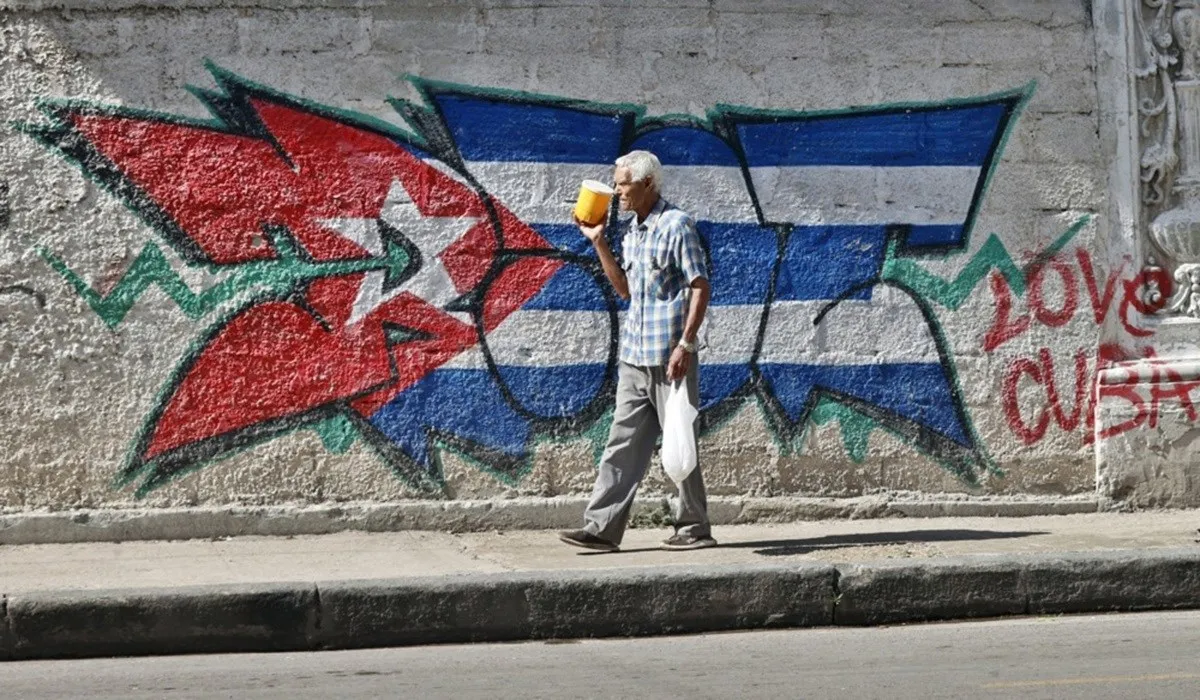
Куба влегува во најкритичниот период од распадот на СССР, додека Вашингтон и Хавана преговараат за иднината на островот.
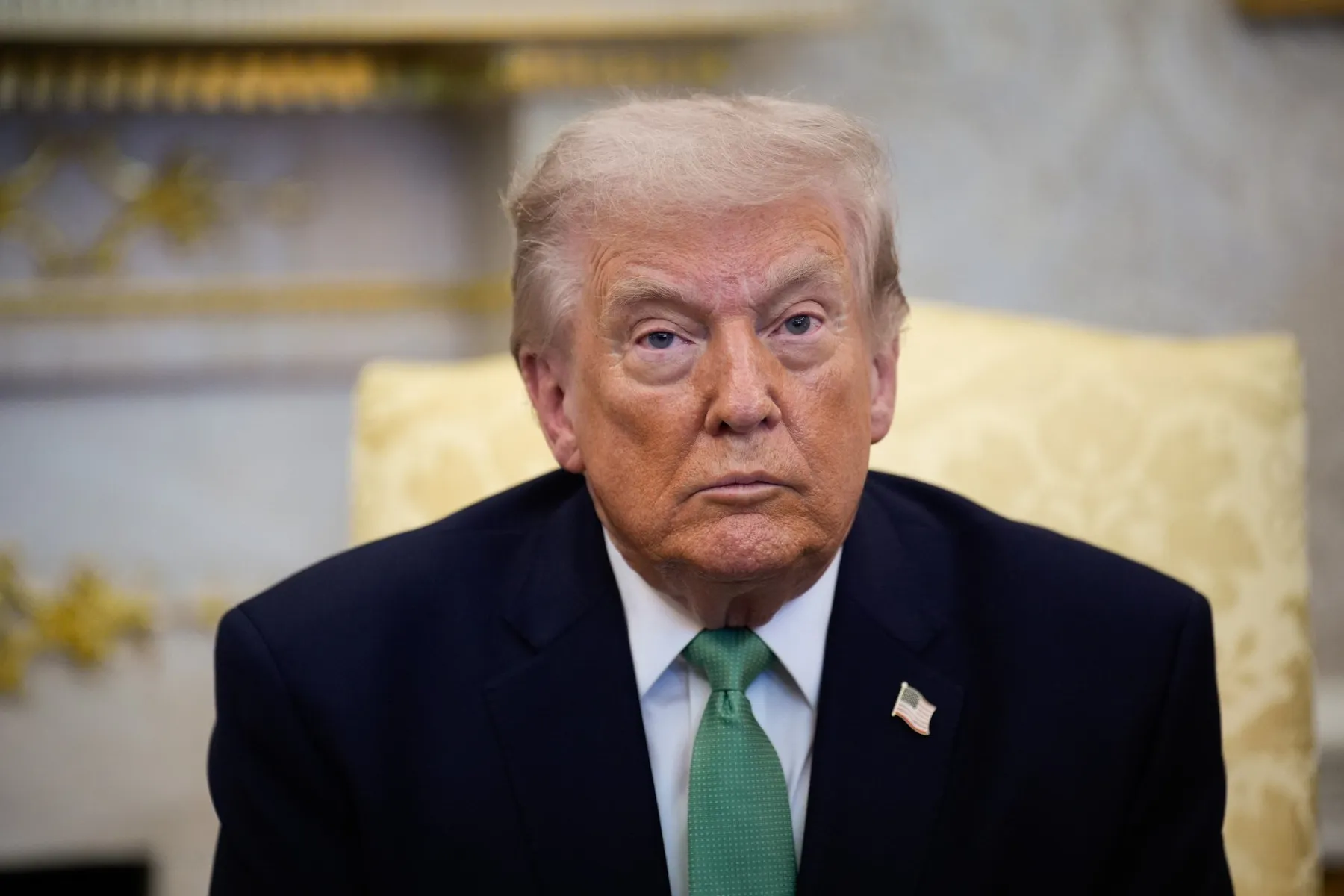
Американскиот претседател не успева да ги артикулира крајните цели, додека Европа одбива да помогне, а висок функционер поднесе оставка.
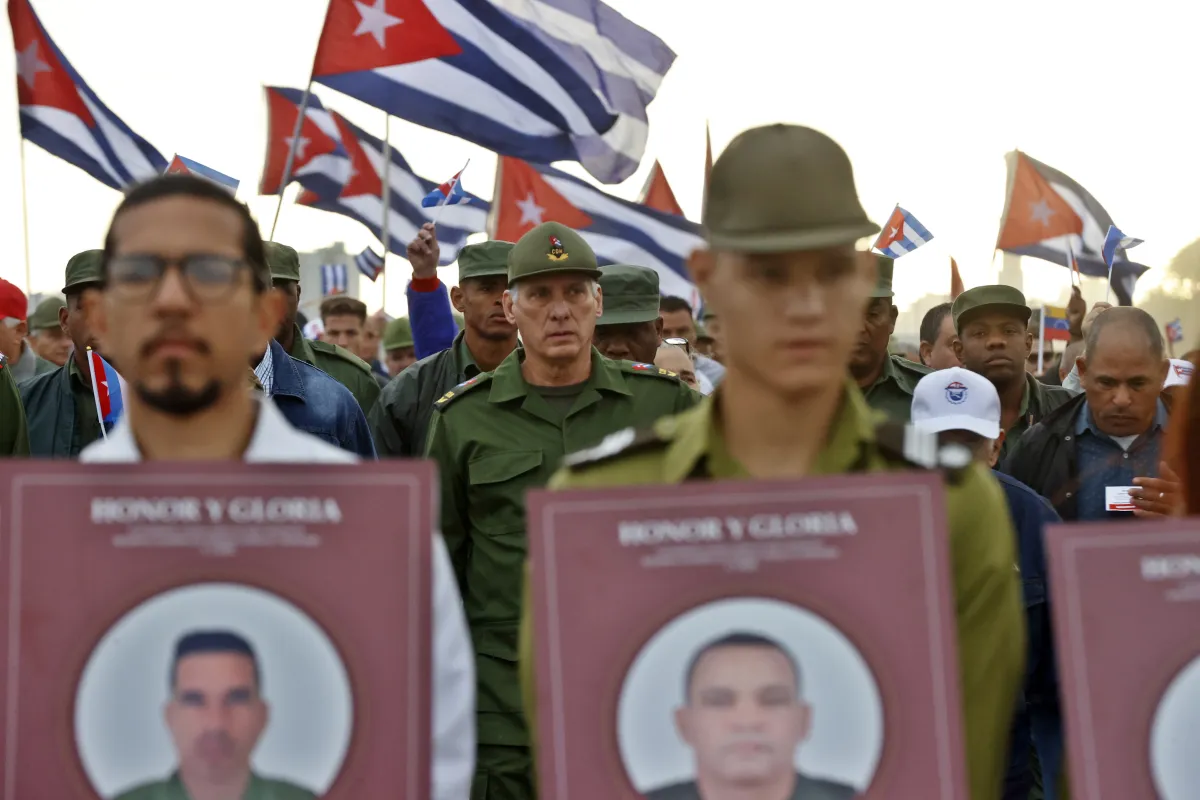
Кубанскиот претседател Дијаз-Канел остро одговори на Трамп, најавувајќи несоборлив отпор среде најтешката економска криза од 1959 година.
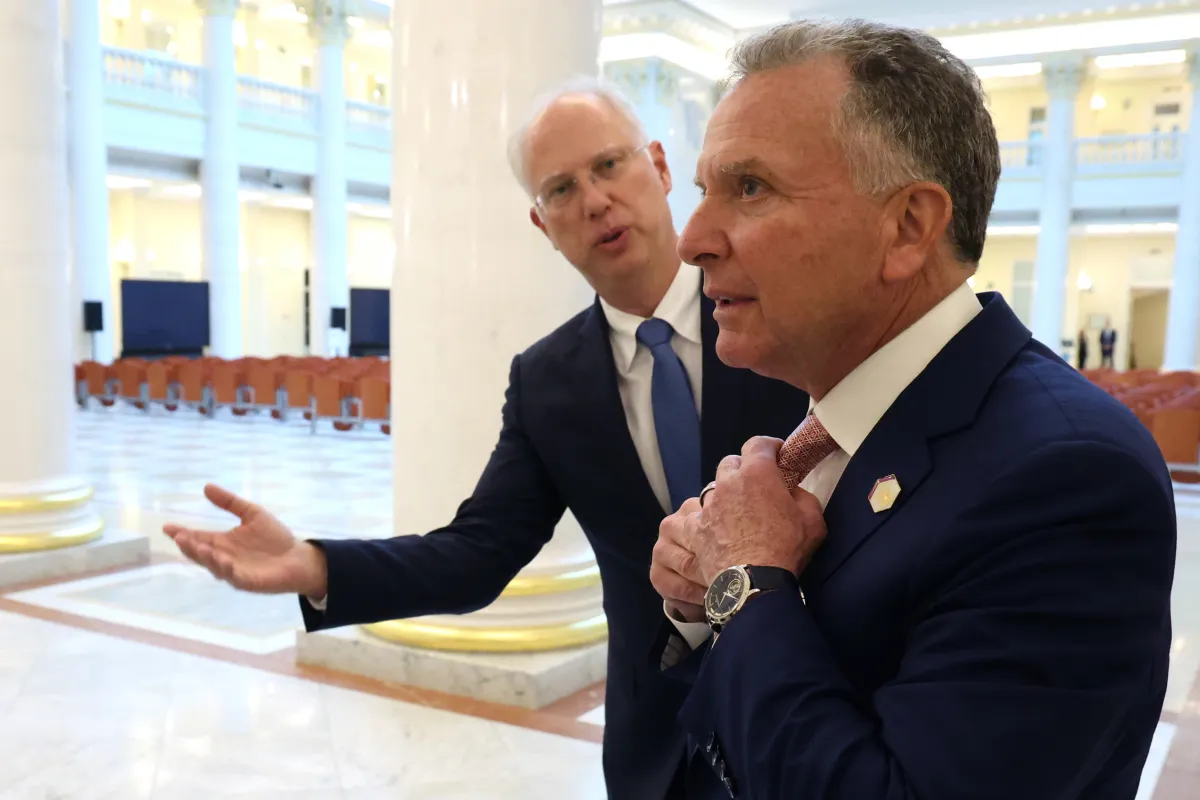
Рускиот пратеник Дмитриев ги критикуваше европските лидери за одбивањето да помогнат во Хормушкиот Теснец, откривајќи ги противречностите на Москва.
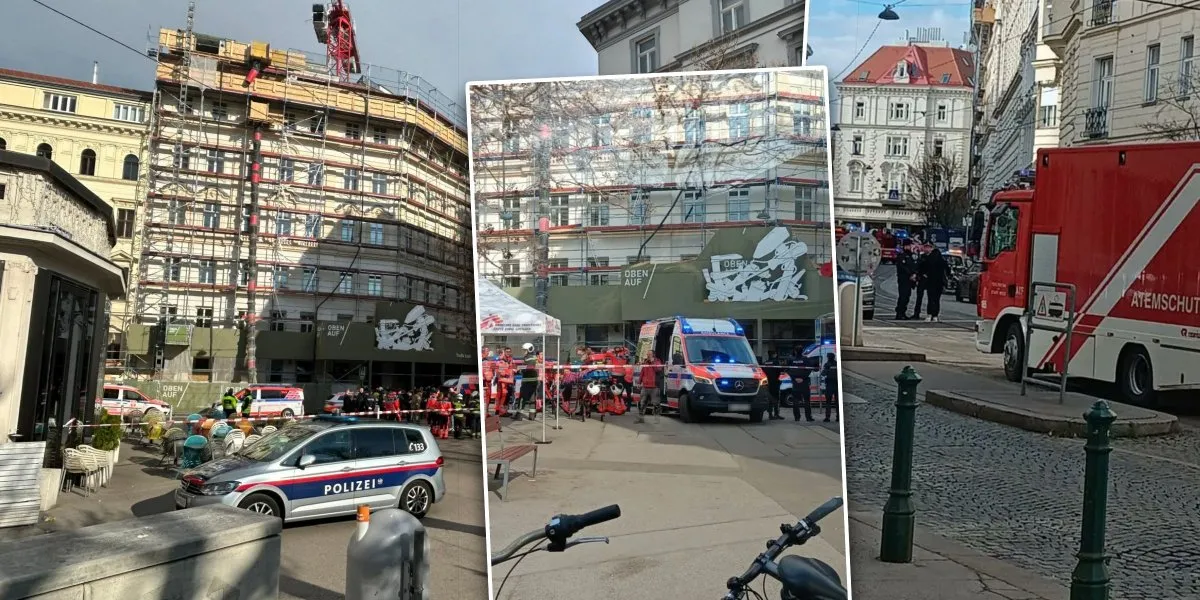
Сериозно уривање на зграда во виенскиот округ Алзергрунд за време на бетонски работи. Еден работник во критична состојба.
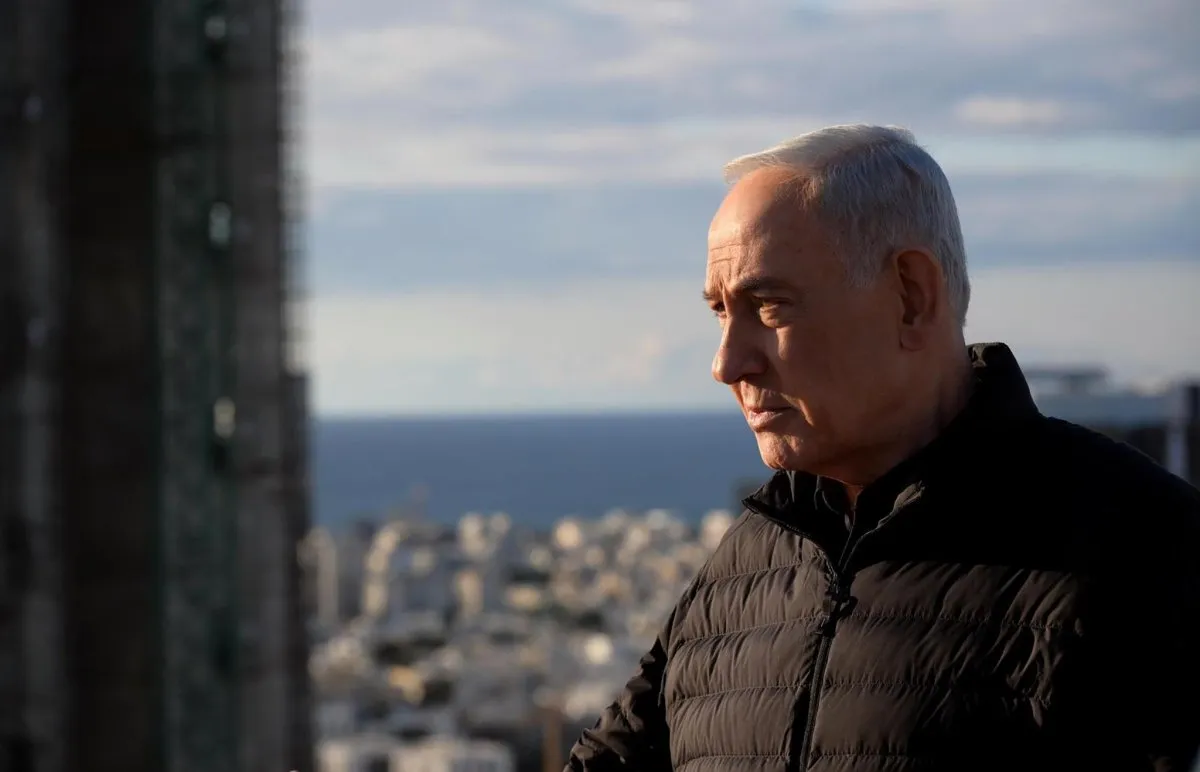
Израелскиот премиер покажа картичка со имиња на ирански функционери означени како цели, откривајќи дека прецртал две имиња тој ден.

Секретарот на рускиот Совет за безбедност откри дека 1.830 терористички акти се случиле на руска територија минатата година.