Beauty Salon Owner Under Investigation for Fake Fillers: 535 Vials Hidden in Bedsheets at Tabanovce
07.05.2026


07.05.2026

07.05.2026
07.05.2026

07.05.2026
06.05.2026

05.05.2026

07.05.2026

07.05.2026

06.05.2026

07.05.2026

07.05.2026

07.05.2026

07.05.2026

06.05.2026

05.05.2026

07.05.2026

07.05.2026

07.05.2026

09.03.2026

27.02.2026

19.02.2026

14.04.2026

07.11.2025
07.11.2025

23.04.2026

23.04.2026

12.04.2026
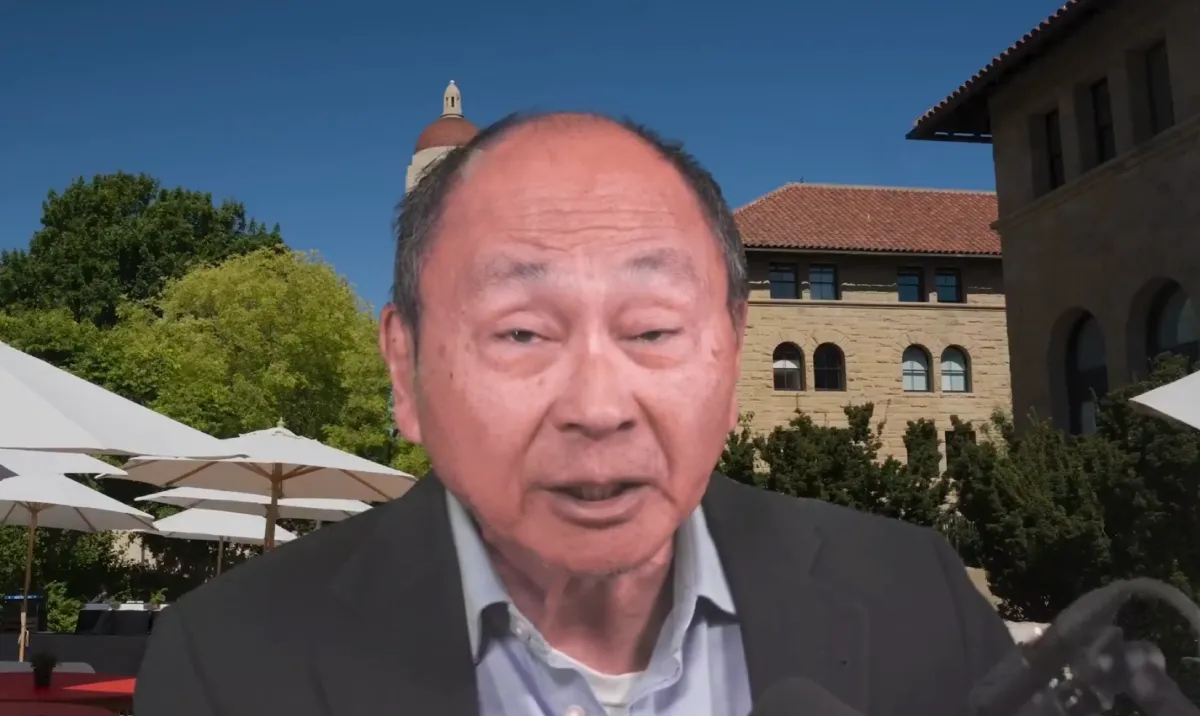
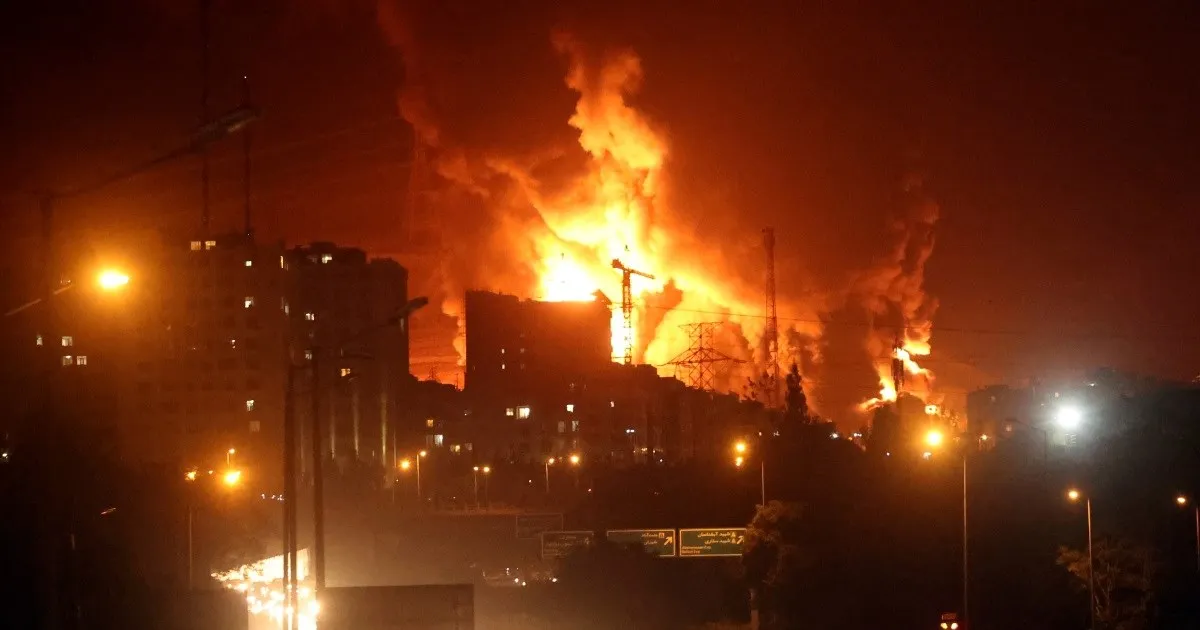
Political scientist Francis Fukuyama has offered a pointed critique of the Trump administration's strategic planning ahead of its Iran campaign, arguing that the president entered the conflict with unrealistic expectations of a rapid, decisive outcome. "Trump expected a quick victory, something like removing Maduro in Venezuela," Fukuyama wrote, suggesting the administration's pre-conflict planning was shaped more by political optimism than by sober military assessment.
By the first Friday of the conflict, the gap between expectation and reality had become unmistakable. Iran launched coordinated missile and drone strikes against American allies and military installations across the Persian Gulf, demonstrating both the will and the capability to sustain a prolonged campaign. Fukuyama argued that competent leadership at that juncture would have "attempted to lower expectations and establish achievable military objectives" — a course correction the administration has so far declined to make publicly.
In Fukuyama's assessment, three options now remain open to Washington. The first is to declare a form of victory and withdraw from active operations, leaving Iran weakened but functionally intact — a politically palatable but strategically ambiguous outcome. The second is to deploy ground forces, which Fukuyama describes as politically toxic given domestic American opinion. The third is to dramatically expand air campaigns to include civilian infrastructure such as desalination plants and electrical grids, which he warns would cause "enormous suffering on the Iranian people" and generate significant international backlash. None of the three, he concluded, represents a satisfactory resolution to a conflict that was launched without a clear theory of success.
The latest 10 news from this category

WHO calls the risk low. The reality: coordination between countries has broken down. The Canary Islands are a popular destination...
The win-vs-loss style doesn't work in international negotiations. Iran will not capitulate. The Balkans pay with high fuel prices and...
A two-year probation period for new drivers. Category B drivers will be allowed up to 4.25 tonnes. Trucks from 18,...
Via Agricost - 57,000 hectares in Romania. In 2024 alone - 10.5 million euros. The EU is only now proposing...
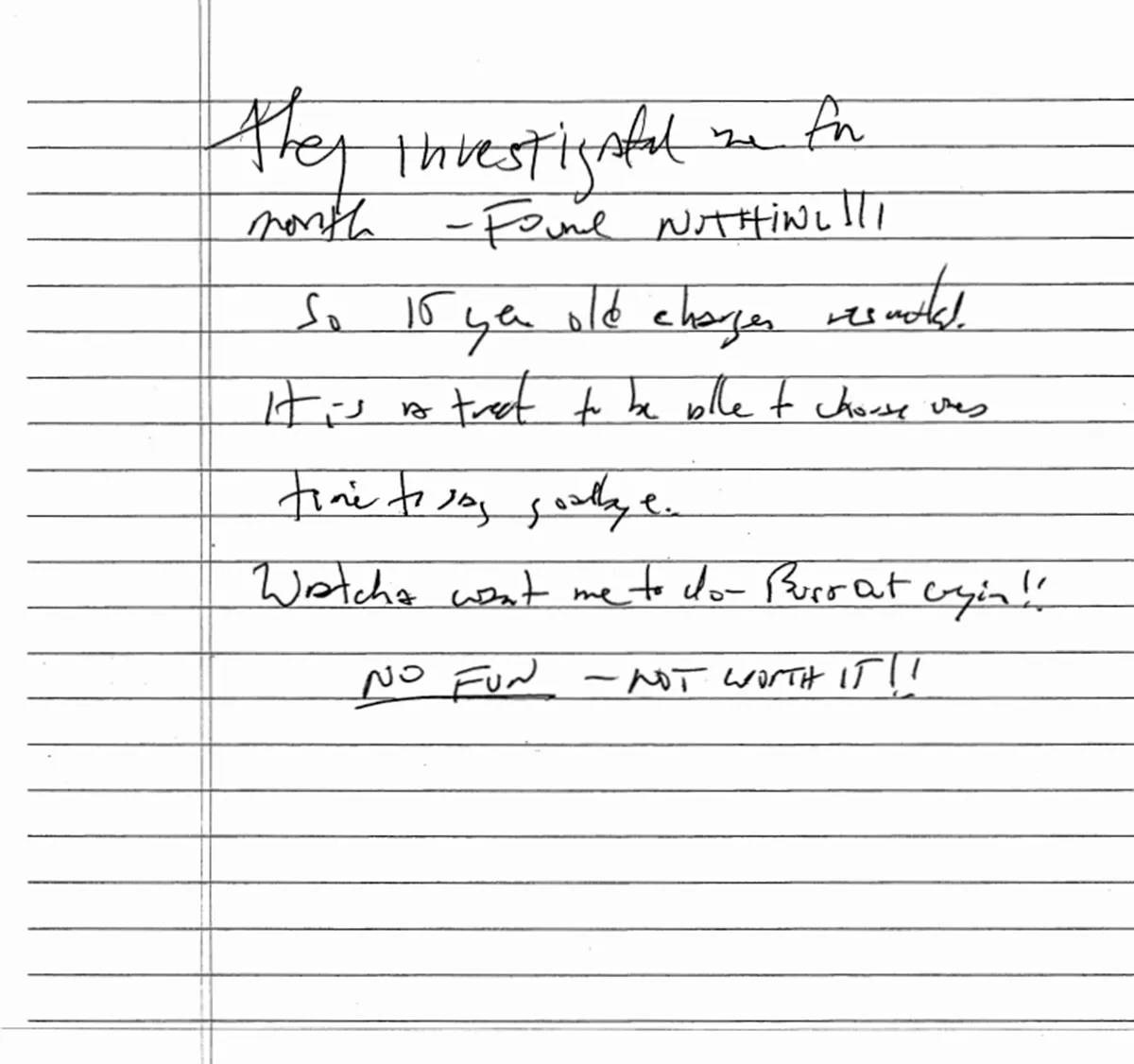
A federal judge approved the release. Authenticity not confirmed. The question of who found it - left aside. Why now,...
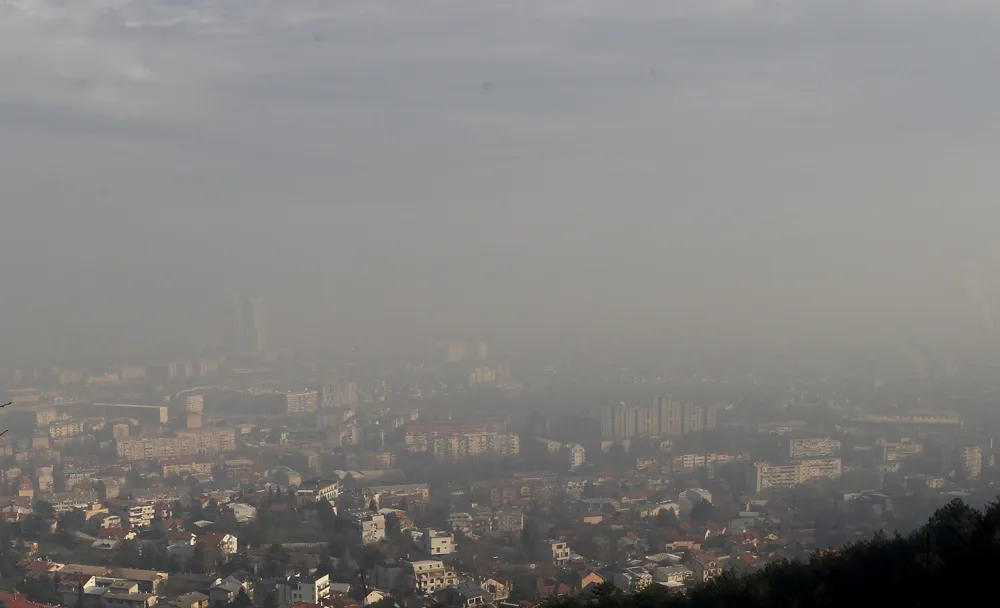
Italy at 117 µg/m³ leads the death stats. Macedonia and the region blow past every threshold. And who ever said...
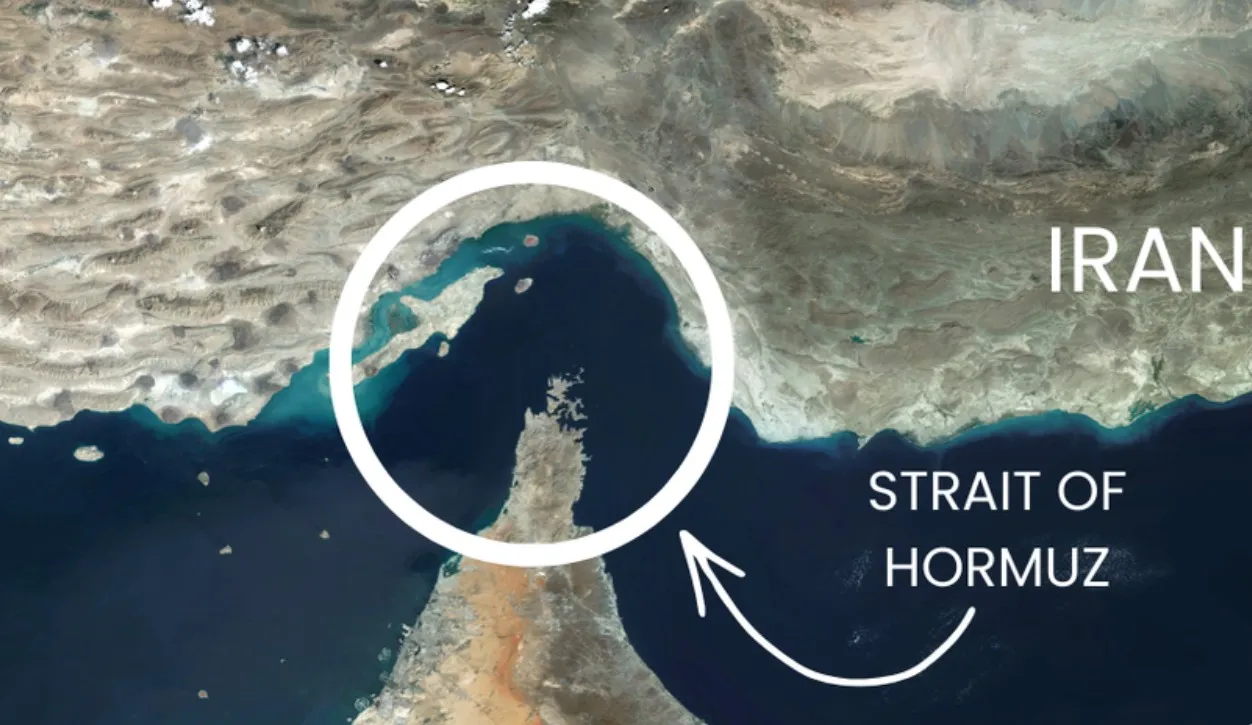
„Project Freedom" is on hold. The blockade on Iran continues. Brent dropped below 110 dollars. Geopolitics on a single page...

150 passengers from 88 countries stuck on board. A doctor in critical condition. Switzerland confirms its own case. And one...
Hours before the announced ceasefire, the Russian strike on Zaporizhzhia, Kramatorsk, Dnipro and Poltava was killing. Zelensky asks for peace...

The prime minister has PR teams and lawyers. The teenager in a provincial town doesn't. Italy's September 2025 law shows...