Одборот за мир на Трамп остана без пари, само три земји уплатија
11.04.2026



09.03.2026

27.02.2026

19.02.2026

16.11.2025

16.11.2025

16.11.2025


Izbori vo Ungarija Magjar Orban
Hungary goes to the polls today in an atmosphere of great uncertainty and sharp polarization. For the first time in 16 years, voters have a real opportunity to bring about a change of government in the country whose leader Viktor Orban has governed longer than any other EU member state leader.
The latest polls reveal a clear generational divide that could prove decisive for the outcome. According to a survey by the Publikus institute, Peter Magyar's Tisza party has the support of 53% of voters who have already decided, while Prime Minister Orban's Fidesz receives 39%. Among all respondents, Tisza leads with 38% versus 29% for Fidesz, while around 25% have yet to make up their minds.
Magyar has managed to establish himself as Orban's main challenger, running a campaign focused on fighting corruption, modernizing the state, and returning Hungary to European values. His party enjoys the trust of the majority of voters under 35.
Orban, on the other hand, is trying to solidify his base with a promise of a 14th pension payment, aimed at the oldest voters. "We offer security and care for the elderly, while the opposition promises risky experiments," the prime minister declared.
However, analysts warn that even in the event of an opposition victory, the return to liberal democracy will be neither quick nor simple. Over the past 16 years, Fidesz has deeply embedded itself in the state apparatus - from the Constitutional Court and the chief prosecutor to the media regulator. Without a two-thirds majority, a new government would struggle to change the constitutional mechanisms through which Fidesz retains control.
Additional uncertainty stems from the fact that elections in Hungary, while formally free, are not entirely fair due to gerrymandered electoral districts and suspicions of pressure in poorer regions. Turnout will be crucial - the result depends on whether young people will show up in sufficient numbers to overcome the disciplined base of the ruling party.
The latest 10 news from this category
Of the promised 17 billion dollars for Gaza reconstruction, less than a billion has been collected. The management committee cannot...
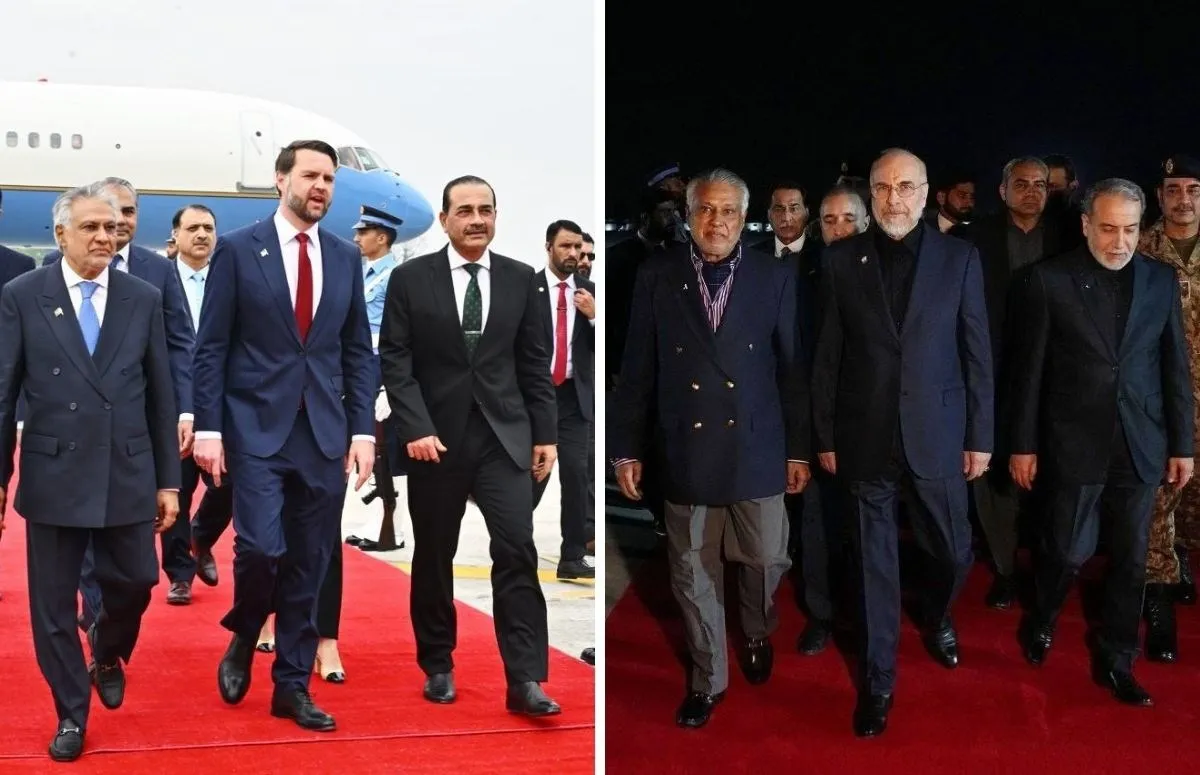
An Iranian official claims Washington agreed to release 6 billion dollars in frozen funds, directly linked to safe passage through...

The diplomatic clash between Kyiv and Budapest has turned into a personal confrontation, while Orban uses the conflict as his...

The American president unveiled plans for what he called the best and most beautiful triumphal arch in the world, inspired...

The Orion capsule splashed down in the Pacific Ocean after nearly 10 days in space, completing the first crewed journey...
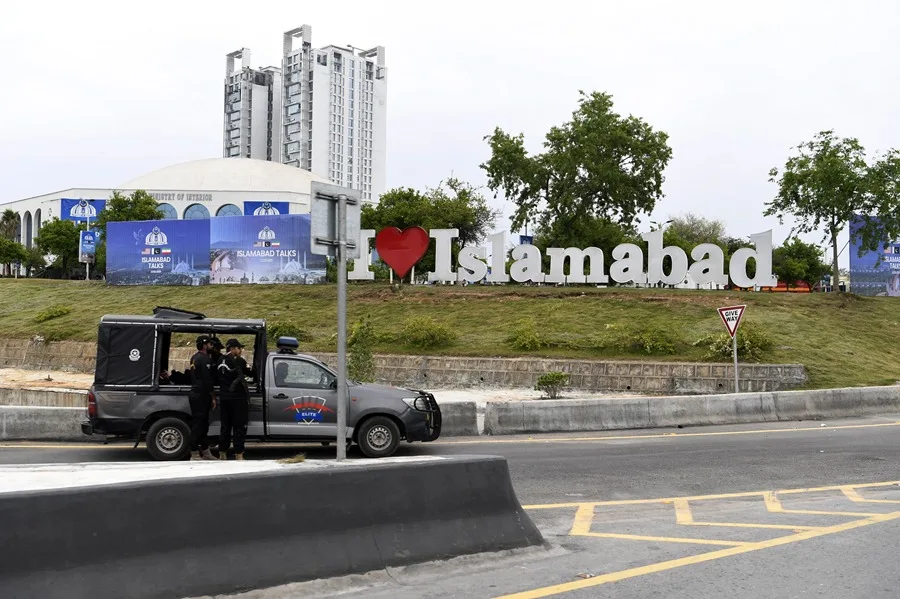
The American delegation led by Vice President Vance and the Iranian team have begun direct talks in Pakistan, amid mutual...
American and Iranian delegations have arrived in Pakistan for historic negotiations.

The four astronauts successfully completed the first crewed lunar mission in over 50 years.

The Cuban president categorically rejected US demands, emphasizing that Cuba remains a sovereign state and no external force has the...

If the Strait of Hormuz is not reopened within the next three weeks, Europe will face a systemic aviation fuel...