Франција нуди план за мир: Либан подготвен за преговори со Израел во Париз
16.03.2026



27.02.2026

27.02.2026

29.01.2026

09.03.2026

27.02.2026

19.02.2026

16.11.2025

16.11.2025

16.11.2025

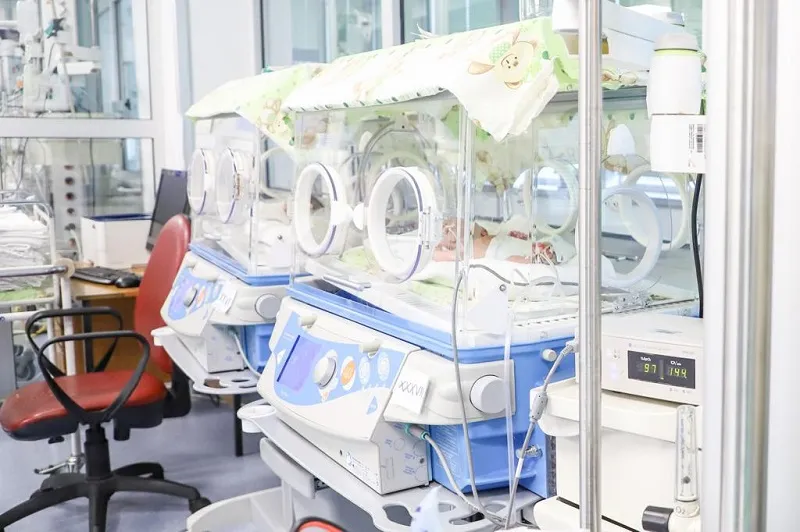
In 2024, 3.55 million babies were born in the European Union — a drop of 3.3 percent compared to 2023. The EU fertility rate stands at 1.34 children per woman, down from 1.38 the previous year. Both figures are far below the 2.1 children per woman needed for natural population replacement.
North Macedonia, with a fertility rate of 1.44, performs somewhat better than the EU average, but is also below the natural replacement threshold. Over the past decade, the country's rate has fallen from 1.52, and the number of newborns has declined from 44,095 in 1960 to just 16,061 in 2024.
Fertility rates vary significantly between member states. Malta records the lowest rate in the EU — just 1.01 children per woman — while Bulgaria leads with 1.72. Spain and Lithuania also record very low rates of 1.10 and 1.11 respectively.
The average age for first birth in the EU reached 29.9 years in 2024, compared to 25 years in 2004. Macedonian women give birth to their first child at an average age of 27.8. The demographic trend poses a serious challenge for social systems across the continent.
The latest 10 news from this category

From Tuesday to Friday morning, Macedonia will be under the influence of a winter cyclonic system with increased cloudiness, rainfall,...

The Macedonian embassy in the UAE announced another evacuation flight from Dubai to Skopje, with four flights having transported approximately...

Skopje bid farewell to Dragan Paroski, the beloved vendor who shared everything he had with stray dogs.

Police conducted an intensive crackdown on motorcyclists in Skopje with 91 fines and seized motorcycles.
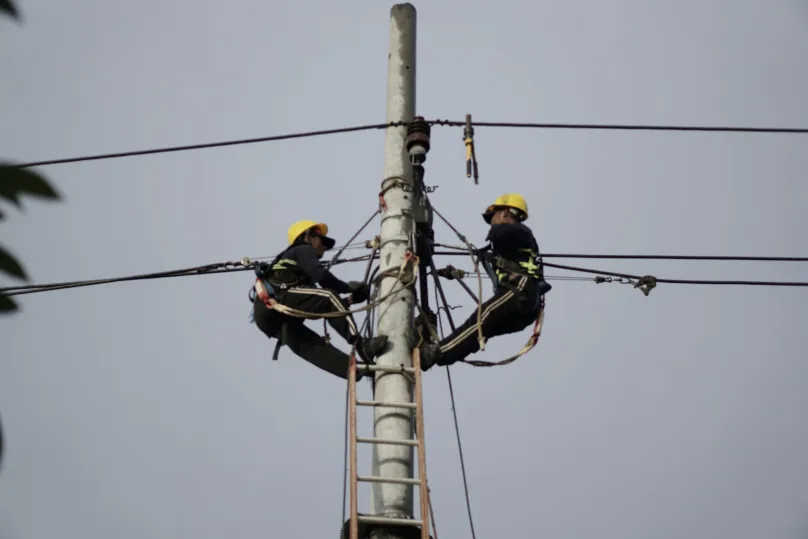
EVN and the water utility announced planned outages in Karposh, Gjorche Petrov, Kisela Voda and the Zheleznicka area.

Despite promises of reform after the Pulse tragedy, safety requirements for hospitality venues have still not been tightened.

Kochani marked the anniversary of the tragedy with a vigil at 2:32 AM and a memorial installation of 63 white...
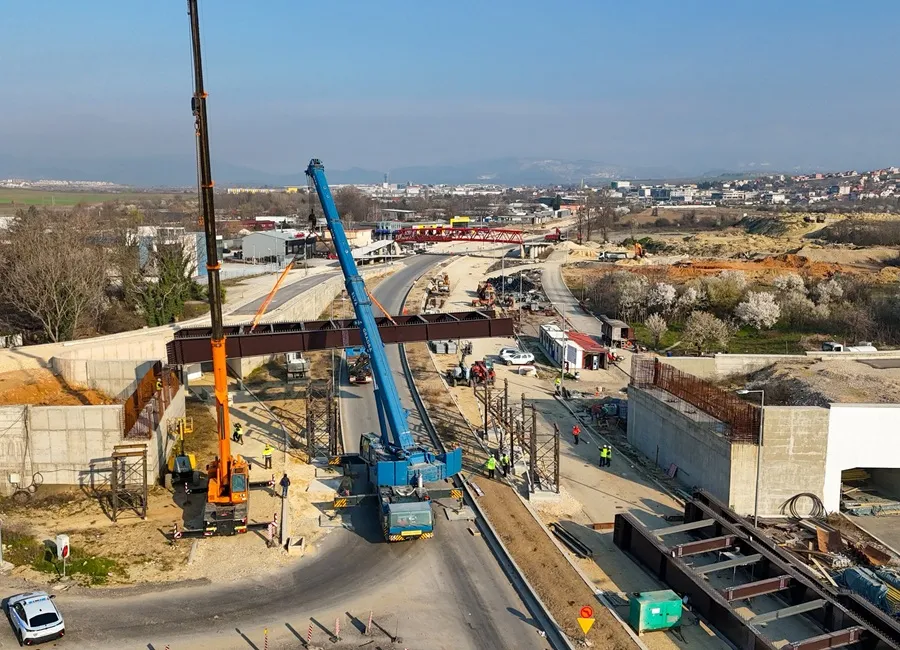
The stalled project is finally underway - a new 43.5-meter bridge will connect Nikola Karev Boulevard to the roundabout.
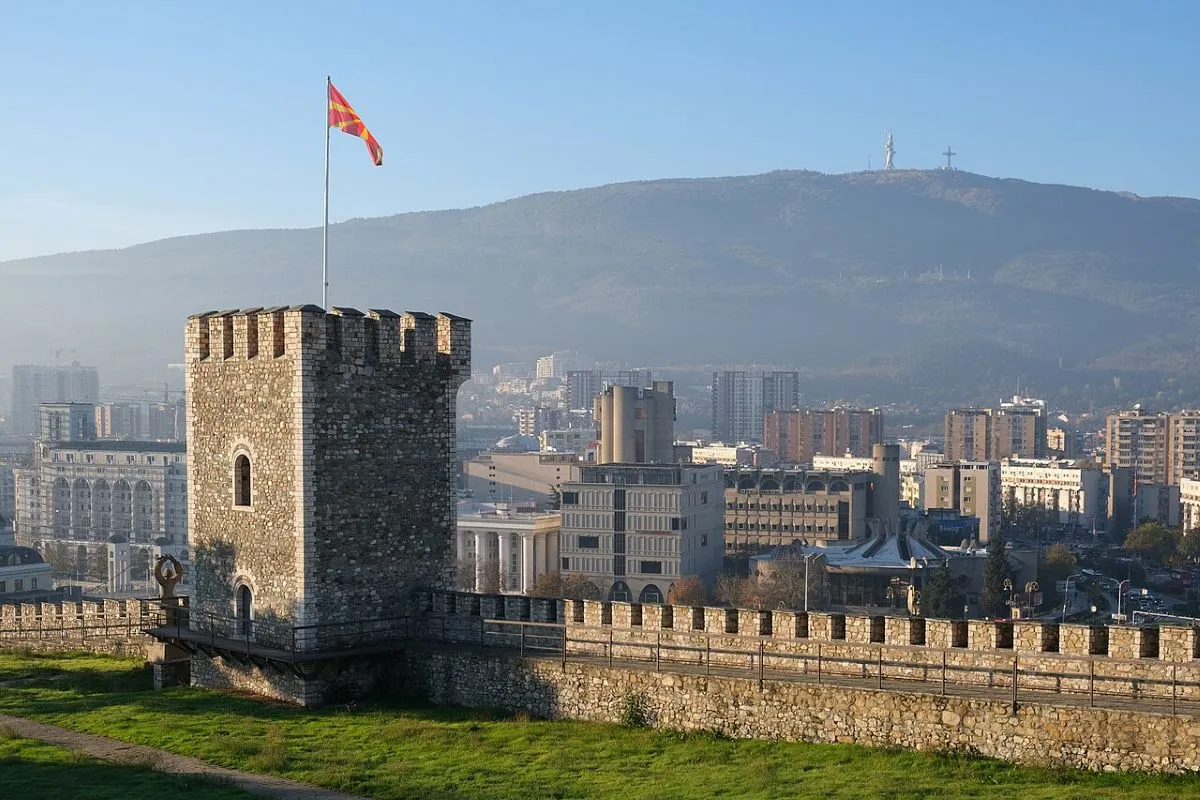
The Municipality of Centar adopted urban plans prioritizing green spaces, cycling paths, and public amenities around the Kale fortress.

The automobile federation organized the traditional women's rally featuring a city route and precision driving among cones.