
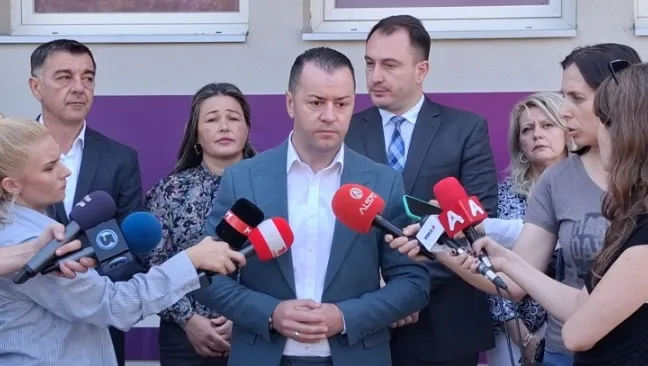
Two Schoolyard Assaults Reported in a Single Day: the Police Promised Measures, the Education System Said Nothing
19.09.2026


19.09.2026
19.09.2026
19.09.2026

19.09.2026
19.09.2026
19.09.2026
19.09.2026
18.09.2026

17.09.2026

19.09.2026
19.09.2026
18.09.2026

19.09.2026

19.09.2026

19.09.2026
19.09.2026
18.09.2026
17.09.2026

19.09.2026

19.09.2026
19.09.2026
19.09.2026

19.09.2026
18.09.2026

09.03.2026

27.02.2026

19.02.2026
19.09.2026

18.09.2026
17.09.2026

23.04.2026

23.04.2026

12.04.2026

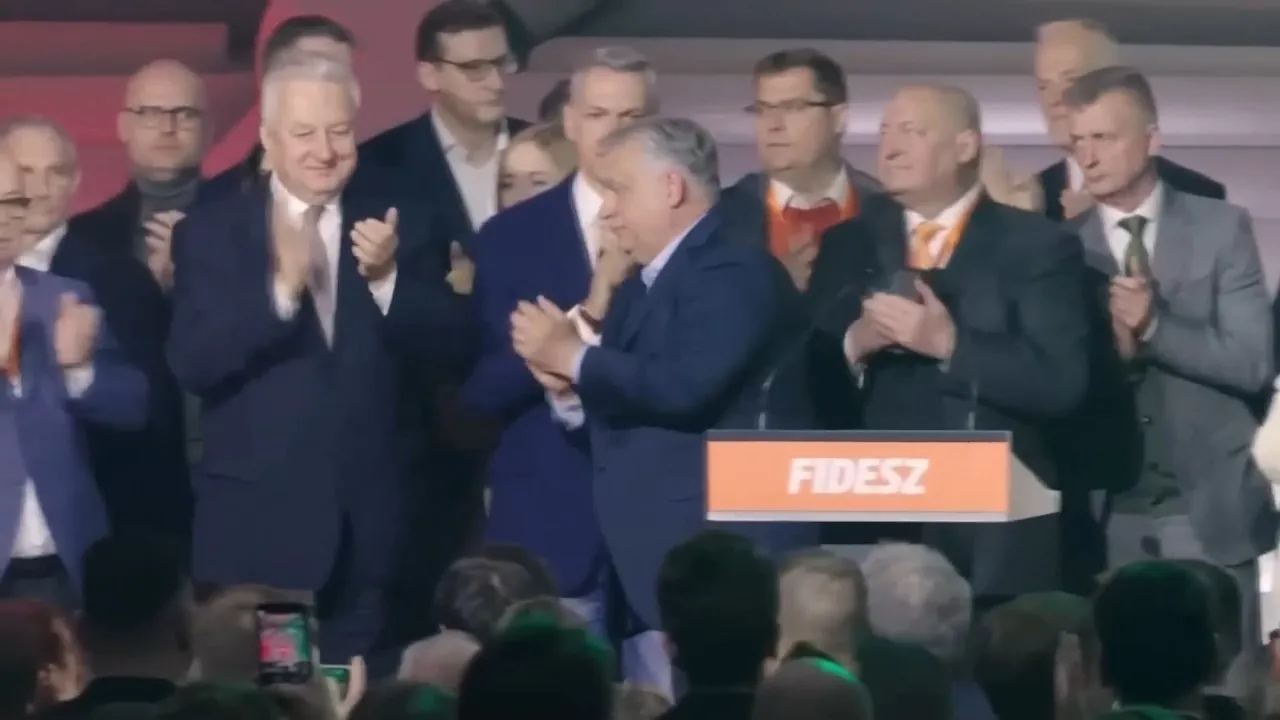
Hungarians voted Orban out in historic fashion — but what does that concretely mean for the Balkans, and for Macedonia? Orban's fall isn't just a Hungarian story. It's a junction on a network stretching from Belgrade through Skopje to Moscow.
Orban was Putin's proxy in Europe — blocking sanctions, refusing Ukraine aid, protecting leaders who suited him. His 55-to-138 seat defeat makes it plain there is no room for if and but. Millions of Hungarians rejected a man who was clearly stealing from them shamelessly, as commentators write.
The Macedonian dimension
SDSM reads this as a defeat for VMRO-DPMNE too: left without their only EU ally. Filipce claims there is no longer a Gruevski crisis in Budapest. This will be a strong warning for the ruling power.
But is it really? Mickoski doesn't lose Orban as a friend — he loses him as a shield in Brussels. The only EU leader who systematically blocked decisions and provided diplomatic cover. Fidesz is part of the EPP — the same family as VMRO-DPMNE — but its priority was always Europe, not the Balkans.
The democratic world needs to reckon with politicians who served as Orban's proxies in the Western Balkans, analysts write. The question is whether they will reckon with them — or just carry on with business as usual.
The latest 10 news from this category
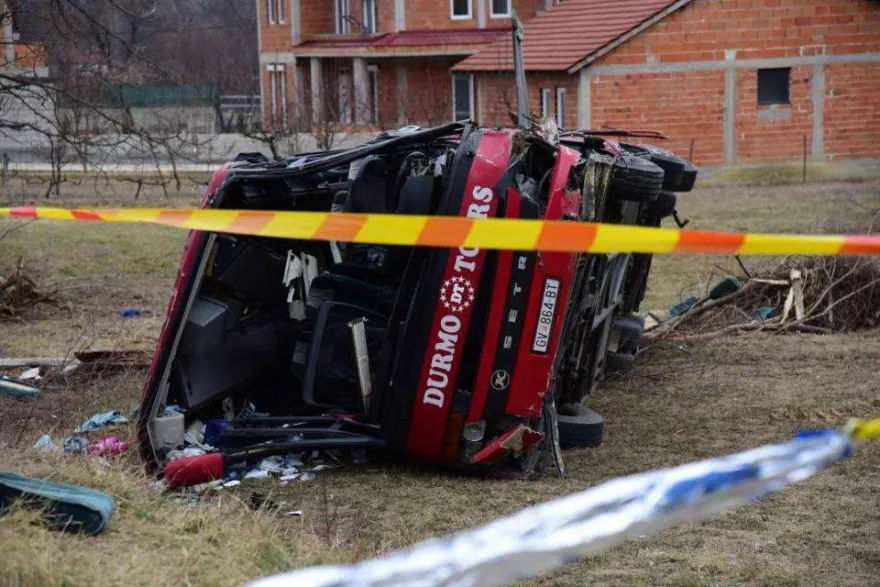
Sixteen dead, 53 years of prison handed down on appeal - and a highest court saying the chain of causation...
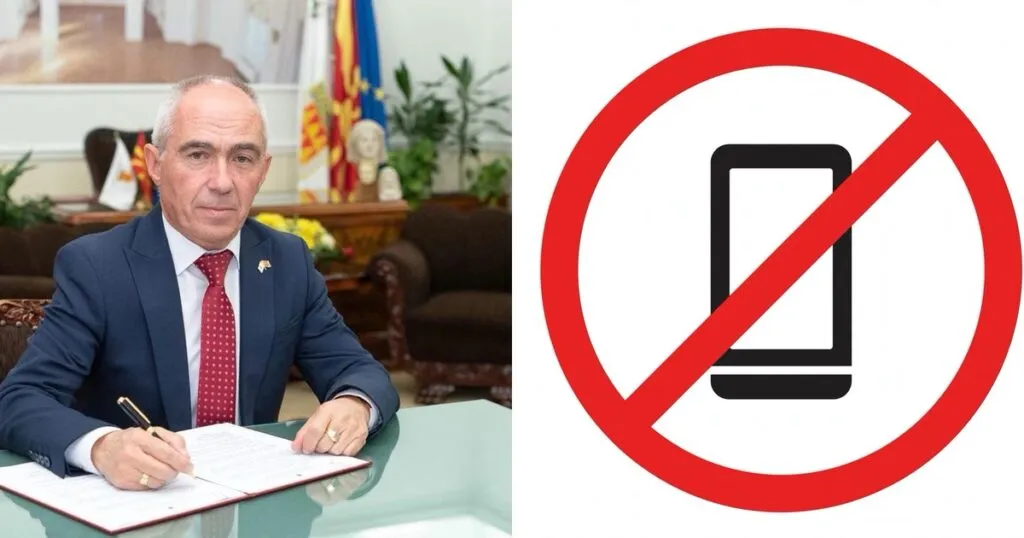
The council adopted Konjanovski's initiative. The result: a pupil in Bitola leaves the phone behind, a pupil in the next...

Eighteenth edition, 250 denars a portion, concerts at the stadium. The mayor said the part nobody usually says out loud...
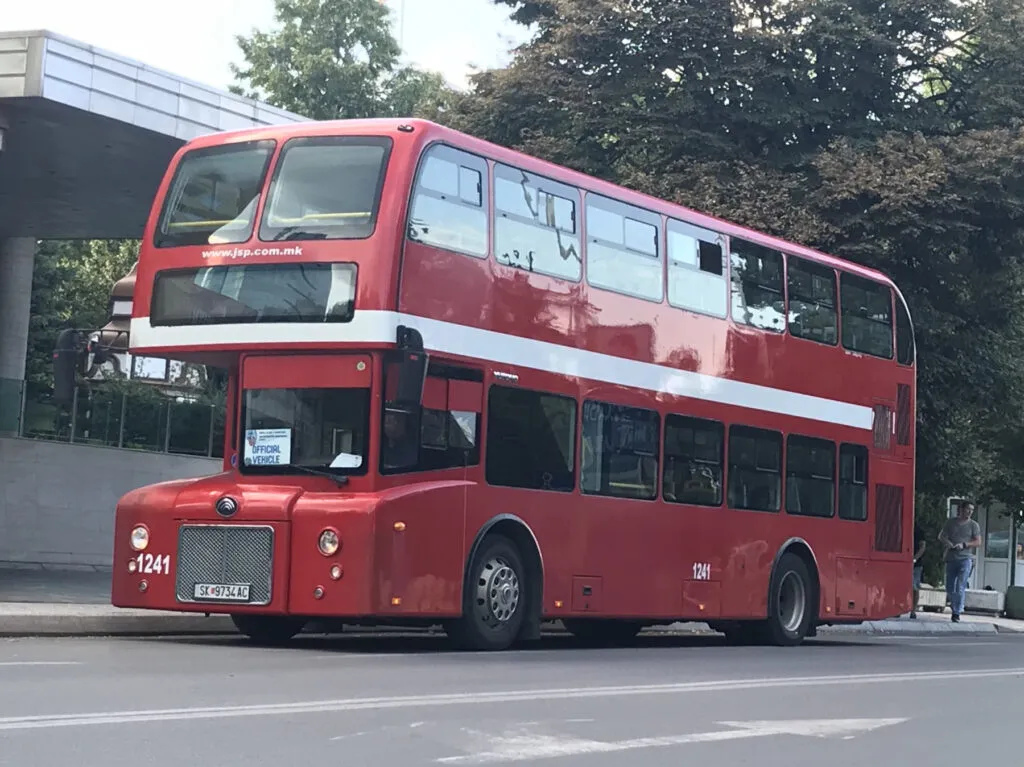
The chargers are still being built and the first delivery is a month away. The difference between four projects and...
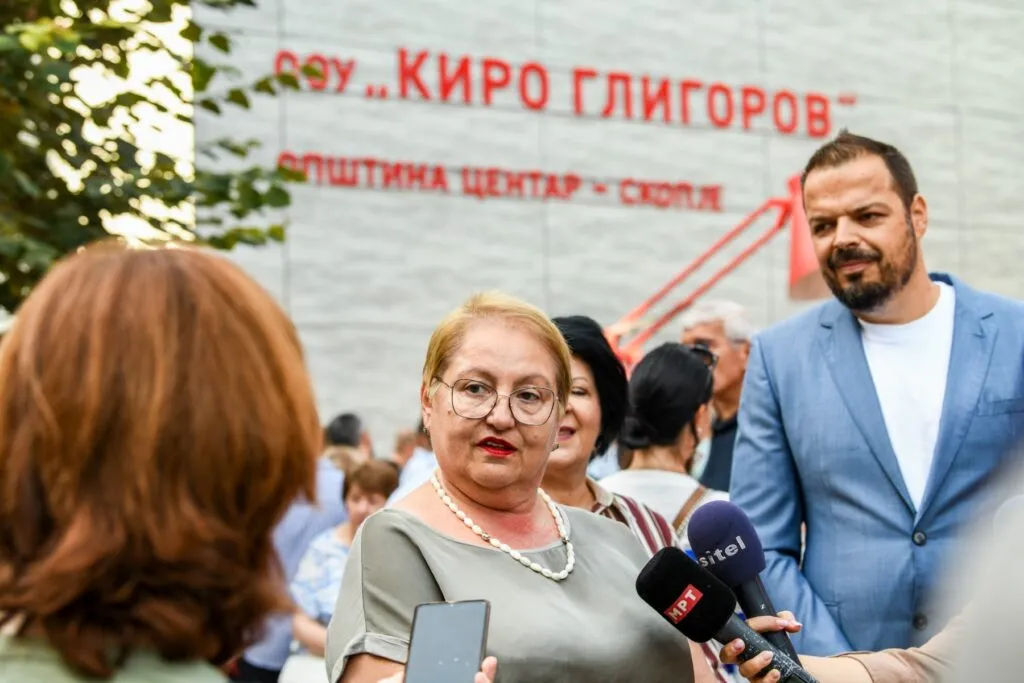
An elective nobody is obliged to take, pulled while the ministry monitors comments on social media. One side demands her...
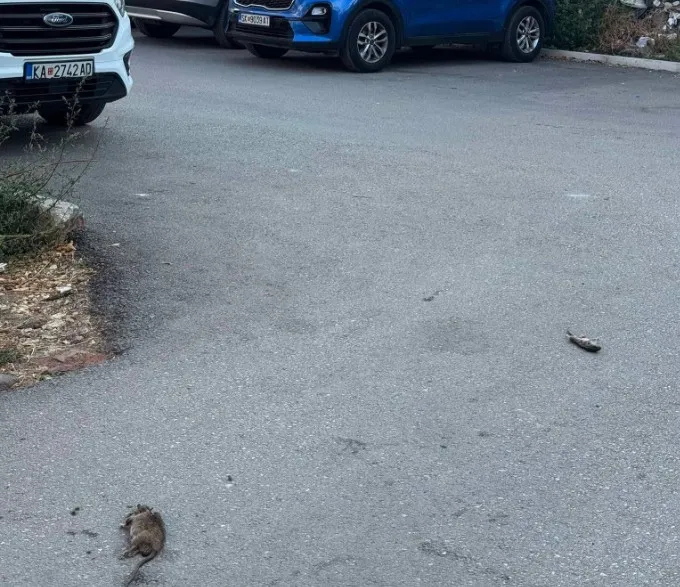
An emergency operation on Monday, after a residents' initiative published photos taken on 17 September. When a measure is called...

Rič, Popčevo, Belotino and Veljusa left without drinking water after an emergency inspection. The two findings travel together, and that...
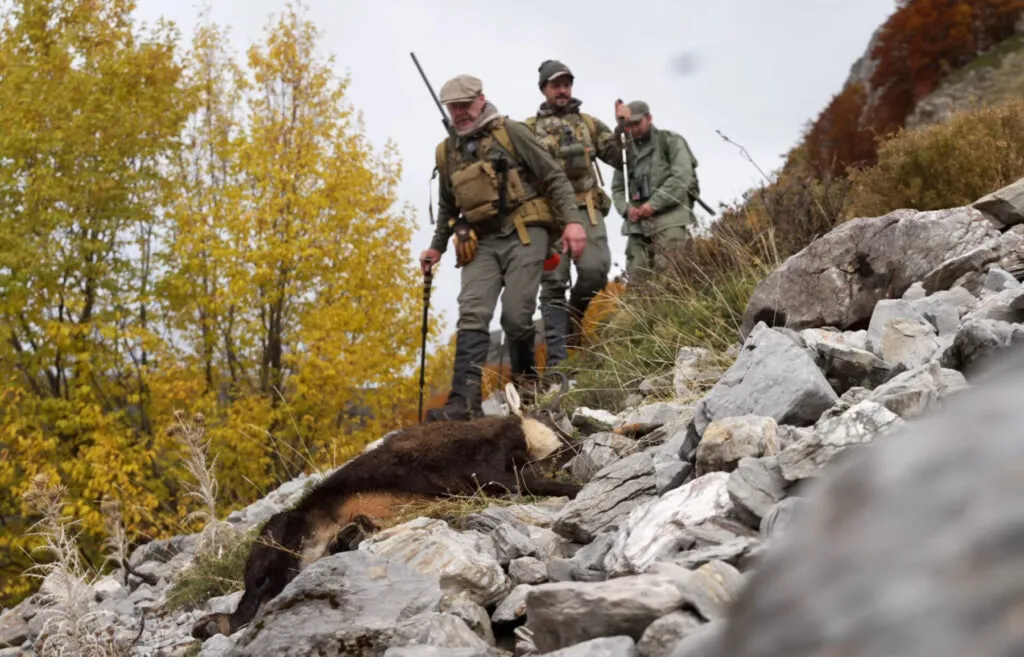
The Balkan chamois is strictly protected under the Bern Convention. The hunting is legal because Mavrovo has been waiting more...
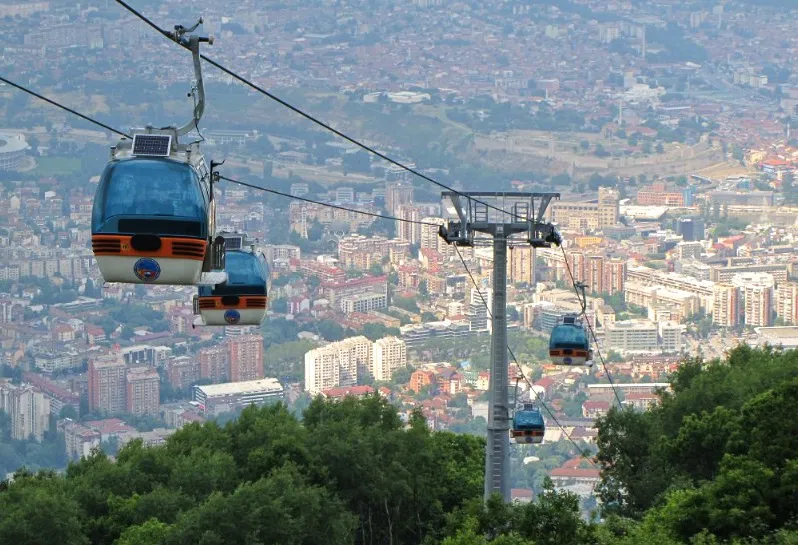
Three of the four sensors were not working, the cables were worn beyond the safety minimum. A state inspection last...
Stefkovski is introducing this after Mucunski. The Constitution applies to the whole country, yet the rule is being made municipality...
This site uses cookies - is that okay? Learn more
Be the first to know when Metla launches something new
Leave your email and we will write when there is a new guide or something new on Metla.
