500 euros to sign off a faulty fire-safety study: Protection and Rescue official caught with the envelope in hand
19.11.2026


19.11.2026

19.11.2026

19.11.2026

19.11.2026
19.11.2026

19.11.2026

19.11.2026

18.11.2026
17.11.2026
19.11.2026

19.11.2026
18.11.2026

19.11.2026

19.11.2026

19.11.2026

19.11.2026

18.11.2026

17.11.2026
19.11.2026

18.11.2026

17.11.2026
19.11.2026
19.11.2026

18.11.2026

19.11.2026

18.11.2026

17.11.2026

23.04.2026

23.04.2026

12.04.2026

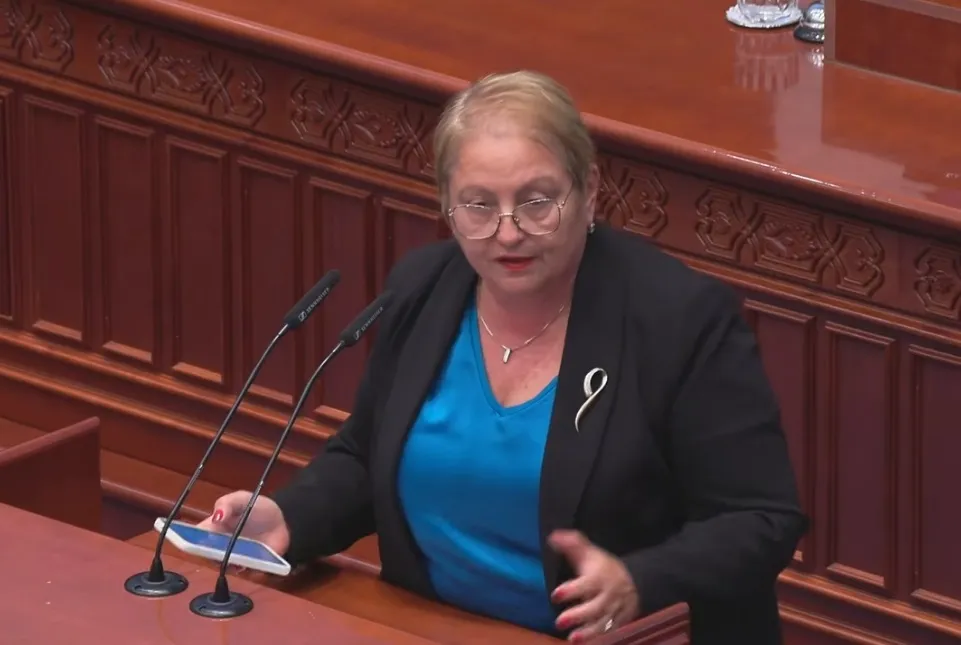
"It's true that we've closed around 33 more schools because there are no first-graders." With that sentence, Education Minister Vesna Janevska answered a parliamentary question from SDSM's Dimitar Kovačevski. The number is clear. Everything else in the answer was a promise.
Kovačevski asked whether optimising the school network, closing and merging classes and moving pupils really delivers better education, or simply cuts costs. He asked for concrete data: how many children have been moved, how far they travel, whether they have free and safe transport, what happens to the teachers. As an argument he cited a figure from the State Statistical Office: at the start of the 2025/2026 school year, 3.6 percent fewer pupils were enrolled in regular primary education than the year before.
Not a single teacher out of work, the minister says
Janevska replied that the reforms are backed by UNICEF, which analysed the surplus of classes and teachers and drew up an optimisation plan, and that the EU's 2026 report also confirmed the direction is right. Not a single teacher, she says, has lost their job, and there will be no changes to employment contracts. New hires will happen only where necessary, for example in Skopje, and teachers will be replaced when they retire. She could not, however, give concrete numbers for the teachers.
There was a political message too: "In the past, education, and probably some other sectors too, served to buy social peace. All past governments did that."
The results, in a decade
As an example the minister pointed to the school in Dolni Balvan, in Karbinci municipality, whose children were moved to a bigger school in a neighbouring village and, according to her, are more than happy. Children in a bigger group, she says, socialise more, compete and form emotional bonds.
The effect of the measure will be analysed at the end of the school year, and real results in the quality of education are expected in eight to ten years. So the schools are closing today, and whether it was a good decision we'll know when today's first-graders are teenagers.
Nobody disputes the demographic problem, not even Kovačevski himself. But Kovačevski's questions about transport, distances and the number of children moved were left without numbers. If the reform has been analysed so thoroughly, why isn't that data on the table?
The latest 10 news from this category
The director of the "Isar" utility announced the failure had been fixed. The next day the main line burst again,...

A megapark at Vardarište, new bridges and the first underground street. The long list of promises came with music and...

The commemoration was organised by the associations of Macedonians and child refugees from the Aegean part. They keep the memory...
Kapištec, Vodno, Kisela Voda, and today Ljuboš and Batinci. The city boasts about the water utility's shrinking debts while the...

More room for pedestrians and cyclists, a new network in Madžir Maalo. The one thing missing from the announcement is...
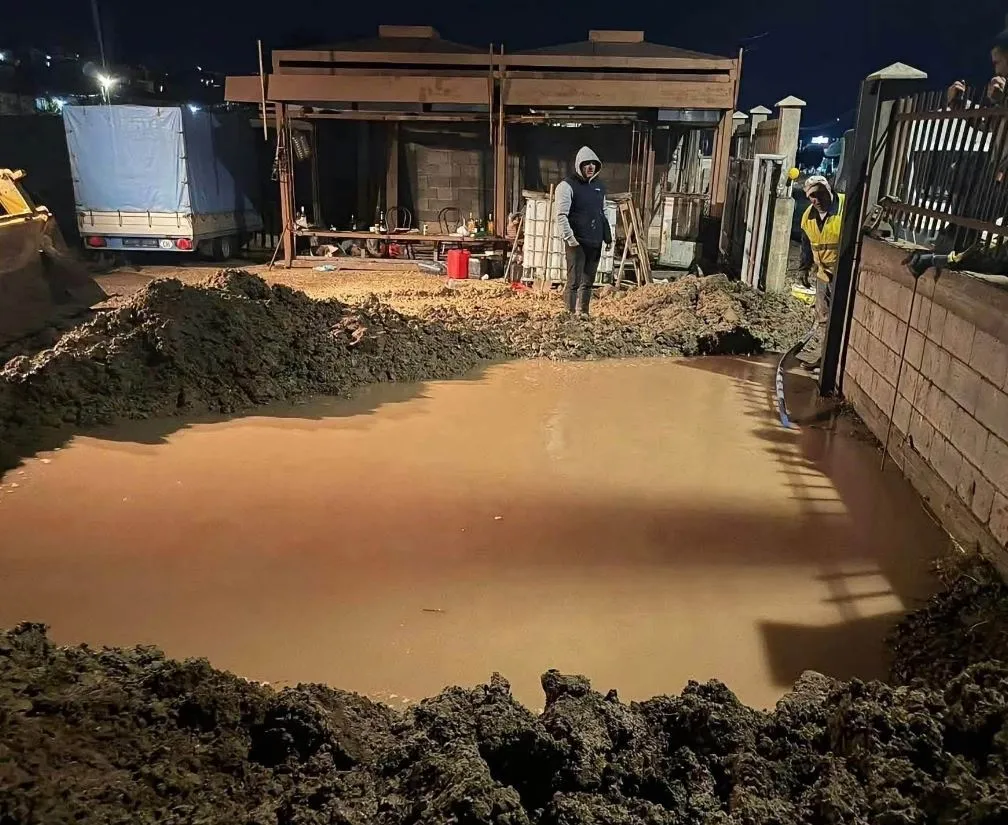
There were no tankers with non-potable water for residents. The utility does have a new tanker - but it's for...

The vaccine is free for girls and boys alike, yet only half of children get both doses. Last year more...
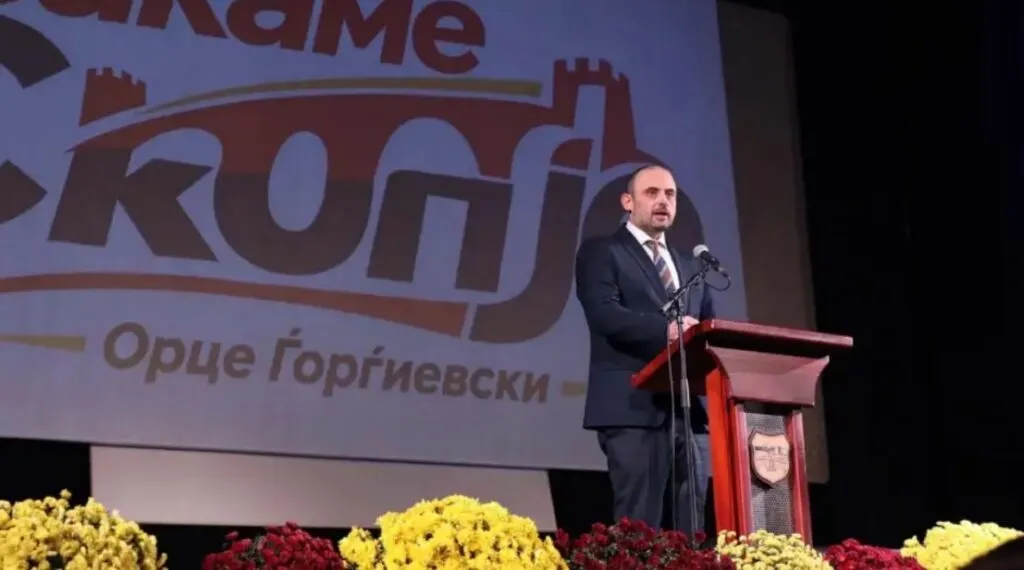
The mayor says he inherited a debt of nearly 300 million euros. He writes the report card - Skopje residents...
After warnings from the US embassies in Sofia and Pristina, the head of Macedonia's National Security Agency says the country's...

The new vehicles come with a defibrillator and oxygen support. What the service lacks are the people to drive them...
This site uses cookies - is that okay? Learn more
Be the first to know when Metla launches something new
Leave your email and we'll write to you when there's a new guide or something new on Metla.