Ohrid Attacker Detained Only After New Evidence: Janev Promises Sanctions for Police Who Trample Procedures
18.11.2026


18.11.2026

18.11.2026

18.11.2026

18.11.2026

18.11.2026

18.11.2026

18.11.2026

17.11.2026

16.11.2026

18.11.2026

18.11.2026

17.11.2026

18.11.2026

18.11.2026

18.11.2026

18.11.2026

17.11.2026

16.11.2026

18.11.2026

17.11.2026

16.11.2026

18.11.2026

18.11.2026
17.11.2026

23.04.2026

23.04.2026

12.04.2026


According to police, at two in the morning on 15 November, 31-year-old Koraboski from Ohrid attacked his 26-year-old girlfriend Sara. First at his home, then in the car. When he stopped the vehicle, the attack continued until she lost consciousness and collapsed. From Ohrid General Hospital she was transferred to the "St. Erasmus" hospital, where doctors found serious bodily injuries. Police later said he had 1.29 per mille of alcohol in his blood.
The suspicion is directed at one man and his choice to hit her. That comes first. But what followed the attack is the reason the case became a national story within two days.
Precautionary measures for a man suspected of beating her unconscious
Koraboski was detained at 5:05, and police announced a criminal complaint for "Grievous bodily harm". The prosecutor's office in Ohrid then asked the court only for precautionary measures. The court imposed them: his passport was confiscated, he was banned from coming within 50 metres of Sara, and he had to report to the court every other Monday. That was it.
The president of the Ohrid Basic Court, Bojan Martinovski, explained why the court couldn't do more: "The prosecution did not find a need for detention against the suspect, and at this stage we have no option to decide more drastically or more severely than what the Ohrid Basic Public Prosecutor's Office requested, that is what the law provides." In other words, the court can impose a milder measure than requested, but not a harsher one. The key was in the prosecutor's hands.
The turnaround
Sara's mother, Irena Gjorgjievska, wrote publicly that her daughter had been beaten unconscious and left in the street, and that there had been attempts to cover the case up. Political parties spoke out. Public Prosecutor Nenad Saveski said he would not speculate on why detention wasn't requested initially, before all the evidence had been gathered.
Koraboski was then detained again, over "new circumstances" the police did not disclose. Late in the afternoon the prosecutor's office filed an indictment for three criminal offences: "Bodily injury", "Unlawful deprivation of liberty" and "Endangering security". According to the indictment, he locked her in, physically attacked her, injured her and endangered her safety. A request for detention went to the court along with the indictment. A separate complaint has been announced for driving under the influence of alcohol.
One detail must not get lost. The police initially announced a complaint for grievous bodily harm. The indictment lists the lesser offence - "Bodily injury". Sara, meanwhile, is lying in the orthopaedic ward. According to reports, her phone was also smashed.
What changed in between?
The prosecutor's office explained that it has now questioned the victim in the presence of social services, ordered a forensic assessment of her injuries, and that a female prosecutor spoke with her, in line with procedures for handling women victims of violence. All of that is good. But the serious injuries, the loss of consciousness and the alcohol were already there at the moment when all that was requested was a restraining order.
At the same time, Sara's father was also detained, after Koraboski's mother reported that he had threatened her son and family by phone. Police announced a complaint for intimidation.
Now the decision is back with the court in Ohrid. The question that remains isn't whether Koraboski will end up in detention. The question is how many other cases didn't have a mother writing publicly and parties reacting - and ended with a 50-metre restraining order?
The latest 10 news from this category

The court's first decision was a restraining order. Detention came only after police brought new evidence. How many cases never...

There were no tankers with non-potable water for residents. The utility does have a new tanker - but it's for...

The citizen didn't stay quiet - he went to the director, then to the police. How many before him paid...

The international community brokered 21 of the 36 amendments. The president wants guarantees that the next change won't be just...

The vaccine is free for girls and boys alike, yet only half of children get both doses. Last year more...

The mayor says he inherited a debt of nearly 300 million euros. He writes the report card - Skopje residents...

Police traced the location the fake bomb threats against schools in the Tetovo area were coming from. Now it's the...

After warnings from the US embassies in Sofia and Pristina, the head of Macedonia's National Security Agency says the country's...

The new vehicles come with a defibrillator and oxygen support. What the service lacks are the people to drive them...
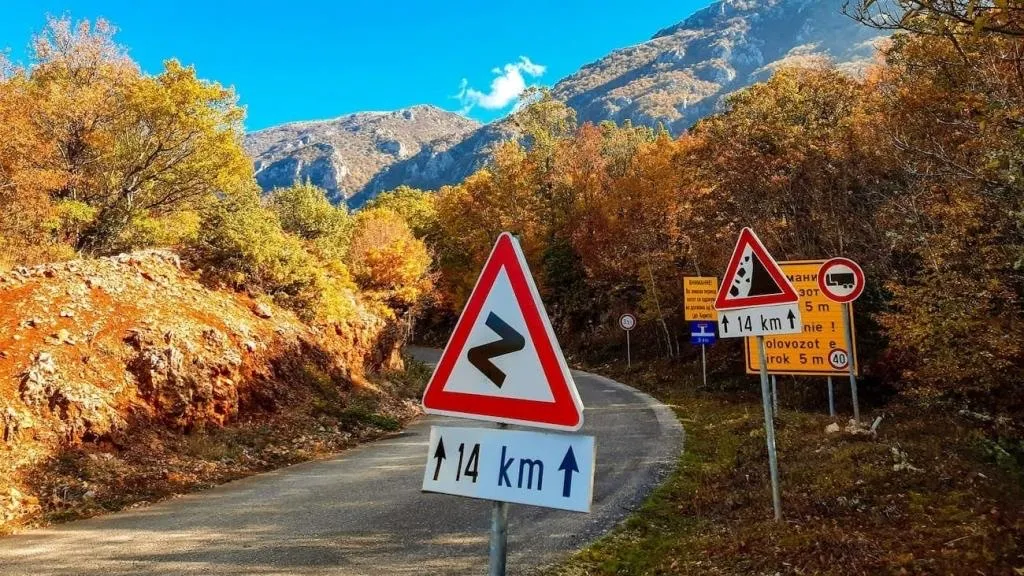
From November 15 to March 31, every single year. Drivers between Ohrid and Resen will have to take alternative routes...
This site uses cookies - is that okay? Learn more
Be the first to know when Metla launches something new
Leave your email and we'll write to you when there's a new guide or something new on Metla.