
Black Smoke Over Skopje: A Paint and Varnish Warehouse Burned Inside the Old Steelworks
23.09.2026


23.09.2026

23.09.2026

23.09.2026

23.09.2026

23.09.2026

23.09.2026

23.09.2026

22.09.2026

21.09.2026

23.09.2026

23.09.2026

22.09.2026
23.09.2026

23.09.2026
23.09.2026

23.09.2026

22.09.2026

21.09.2026

23.09.2026

23.09.2026

23.09.2026

23.09.2026

23.09.2026

23.09.2026

09.03.2026

27.02.2026

19.02.2026

23.09.2026

22.09.2026

21.09.2026

23.04.2026

23.04.2026

12.04.2026

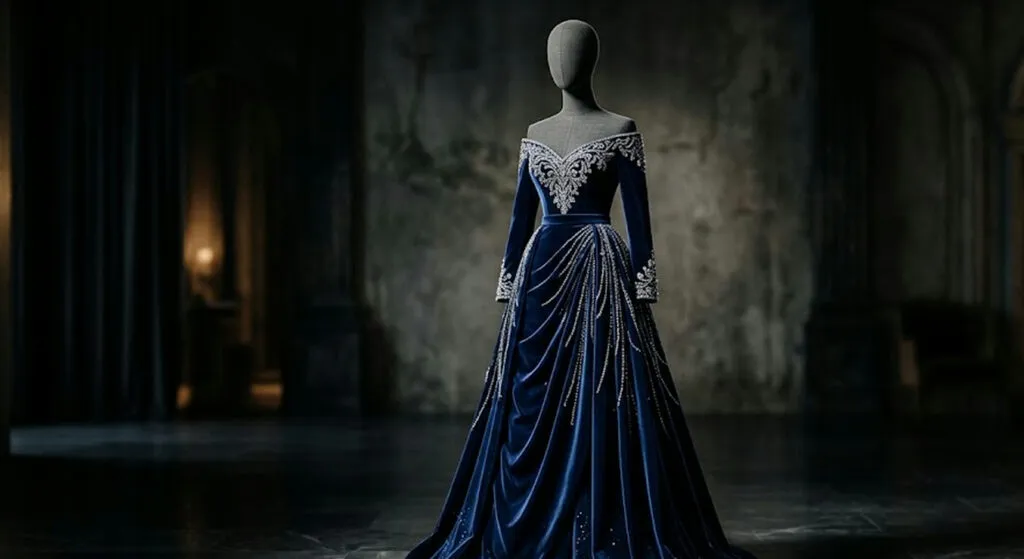
MET Gala is an event sold as a fashion birthday on Manhattan, but really it's an arena where fashion and old wealth greet each other on a red carpet. The queens and princesses who walk that carpet aren't random guests - they're a reminder that in the 21st century, personal coats of arms and haute couture still go together.
Diana of Wales crossed the line first. In 1996, just months after the divorce announcement, she came in a midnight blue slip-style dress inspired by lingerie, designed by John Galliano for Dior. One dress, two messages: the Welsh court stayed in Buckingham, but Diana set off on her own road.
Greek princess Marie-Chantal in 1999 wore an asymmetric kaftan in aquamarine by Valentino, at the exhibition dedicated to Jacqueline Kennedy. Queen Rania of Jordan appeared in 2007 in a design by Giambattista Valli, and in 2016 in a black tulle dress with golden feathers - again Valentino. Even in the Arab world, where fashion has its restrictions, the royal houses know how to navigate American events.
Beatrice Borromeo, Italian noblewoman and wife of Pierre Casiraghi, appeared in 2012 in a white design by Valentino with floral brocade details. That year marked her as a new face on the MET Gala roster.
Charlotte Casiraghi, daughter of Princess Caroline of Monaco, is a steady presence. From 2016 to 2023 she appeared in Gucci, Saint Laurent and Chanel. Her favourite is a black tulle dress with lace from 2023, which many fashion editors declared the best look of the night.
Talita von Furstenberg, granddaughter of the legendary Diane von Furstenberg, is the most frequent royal face. From 2017 to 2023, every year a new interpretation of her grandmother's design legacy.
Beatrice of York, daughter of Prince Andrew, in 2018 wore an electric blue draped dress by Alberta Ferretti with celestial ornaments. Olympia of Greece, again in 2016, appeared in metallic brocade by Balmain and knee-high boots.
This isn't just fashion. Royal female figures in this kind of setting represent a hybrid: the practice of old monarchism and presence in the modern global spectacle. In the Balkans this is hard to watch without a feeling of detachment - we have our own monarchist note in history, but not this continuation. When Charlotte Casiraghi arrives in Chanel, nobody asks her about political fates. Only about the designer.
The latest 10 news from this category
The costume work was done under deadline and budget pressure, and fifty years on it is resold as a fashion...

It works on any length and any hair type, and after forty it softens the lines on the forehead. An...
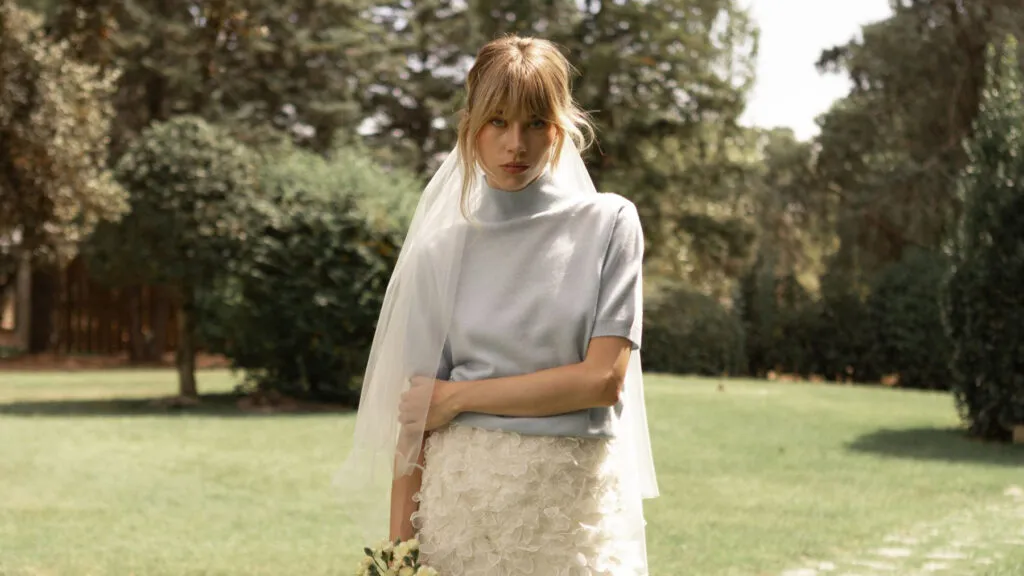
Here the ceremony and the party mean two outfits and two bills. A convertible cut means one dress - and...
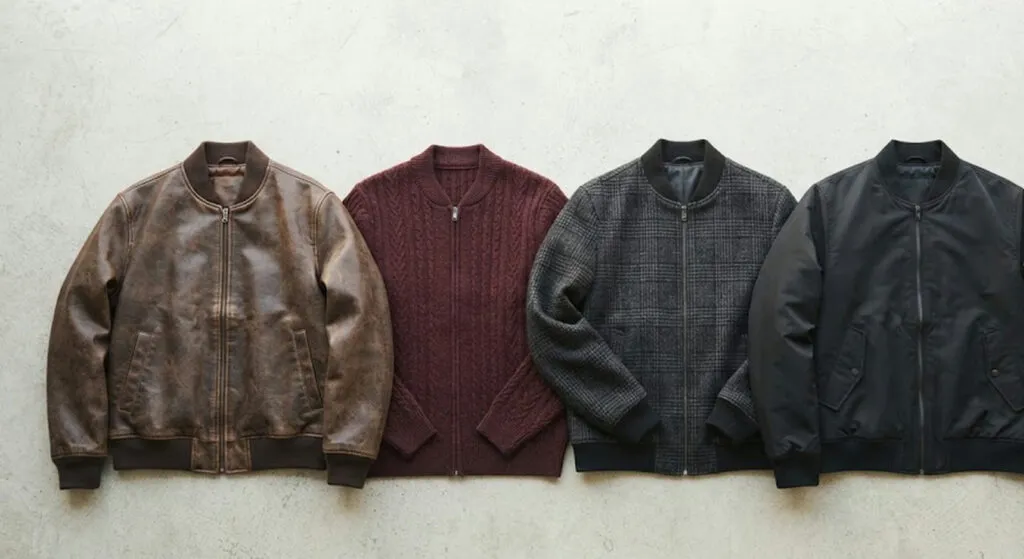
Here, half a wardrobe is bought by calculating how many years it will last. The brown leather one will look...

A decade in which aesthetic medicine sold transformation ends with one sentence: they want to look better, not different.
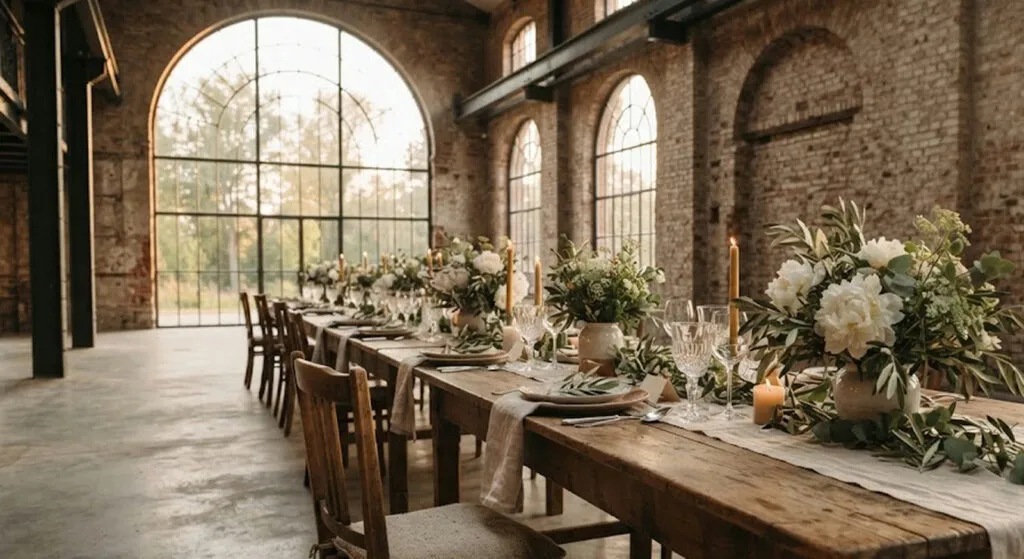
The catering was run by an uncle, the music was played by an uncle. If that sounds familiar, you have...
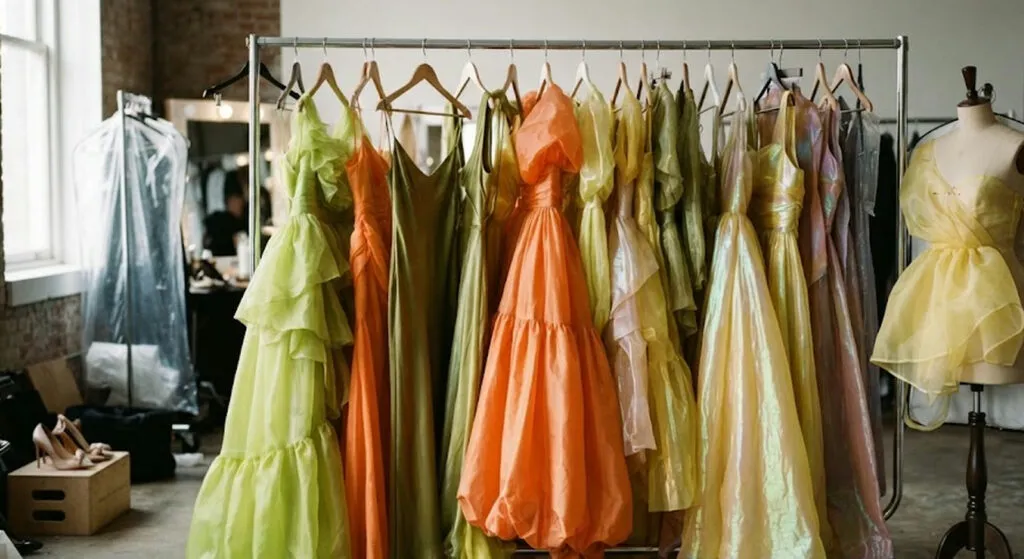
Three days in a lab coat with colorimetry scientists to produce a collection in lime and tangerine. The design director...
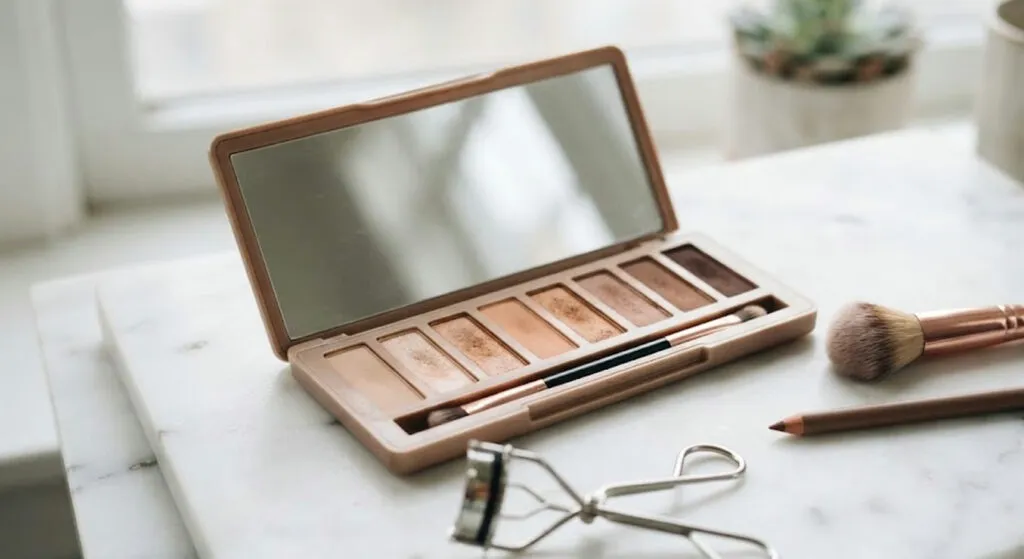
Cream concealer instead of powder, a brown pencil instead of black eyeliner, and a curler before the mascara. Not one...
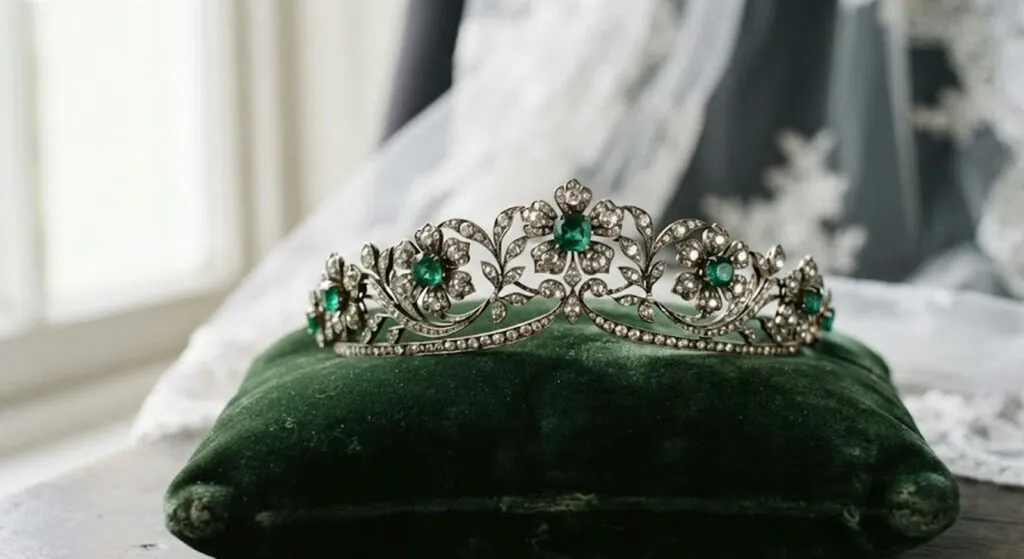
A boat-neck gown and wildflowers that deliberately refuse to compete with the jewellery. A fourth generation under the same diadem,...
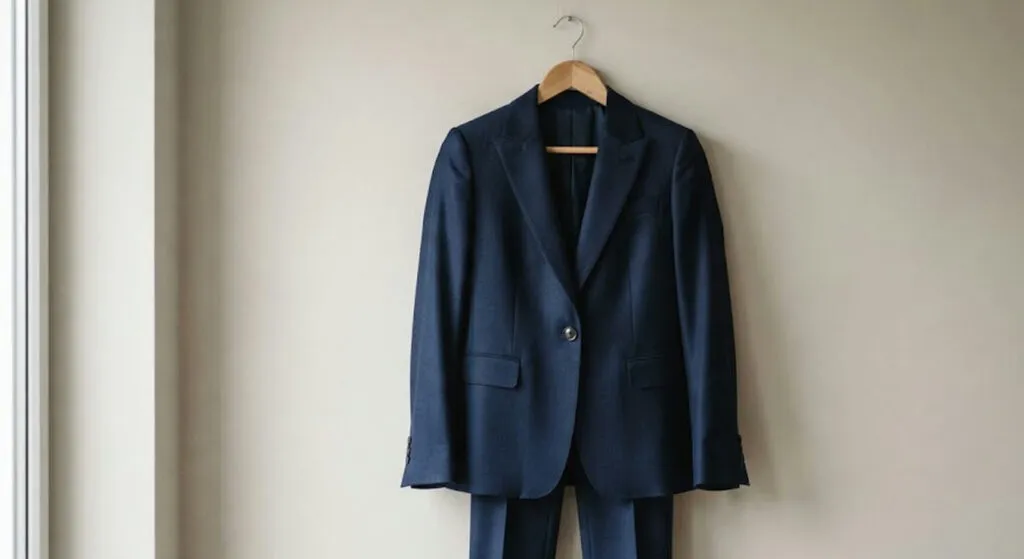
A communications expert says the trouser suit sidesteps sexist readings of hemlines and necklines. The same expert warns that the...
This site uses cookies - is that okay? Learn more
Be the first to know when Metla launches something new
Leave your email and we will write when there is a new guide or something new on Metla.