
The "Lottery" Trial: 231 Pieces of Evidence, and So Far Not a Single Message Between Grubi and Bajrami
24.09.2026


24.09.2026

24.09.2026

24.09.2026

24.09.2026

24.09.2026
24.09.2026

24.09.2026
23.09.2026
22.09.2026

24.09.2026

24.09.2026

23.09.2026
24.09.2026

24.09.2026

24.09.2026
24.09.2026
23.09.2026

22.09.2026
24.09.2026

24.09.2026
24.09.2026

24.09.2026

23.09.2026

23.09.2026

09.03.2026

27.02.2026

19.02.2026

24.09.2026

23.09.2026

22.09.2026

23.04.2026

23.04.2026

12.04.2026

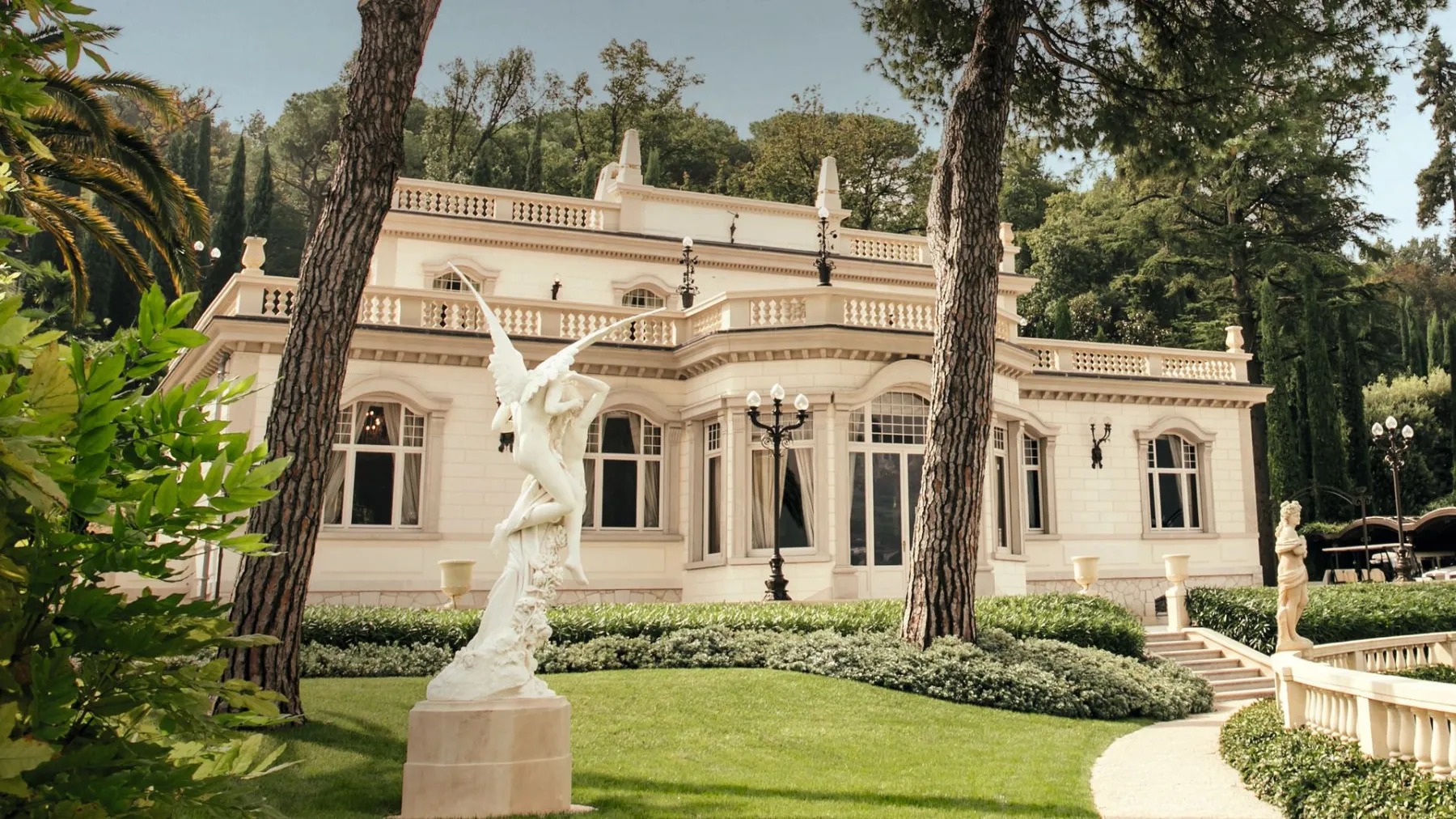
On the shore of Lake Garda, in Italy, sits an early 20th-century estate built in the style of that era - 17,000 square metres of grounds, private beach access, and its own dock for Riva boats. Villa Portesina now belongs to Polish magnate Dariusz Milek and his wife Valeria Musina - but the building's history runs much deeper than their marriage. Benito Mussolini once played tennis here. Ezra Pound once lived and wrote here. Not every villa carries a CV of guests this strange and this controversial.
Milek started out as a professional cyclist in Poland. Not as a millionaire, not as an heir. As an athlete with limited reserves. In the 90s he founded CCC - now one of Europe's largest footwear companies. His wife Valeria was a professional basketball player before the marriage, and they met when her team was sponsored by his firm. Sport fed them first, then connected them. A shared language they both understand better than any other.
The villa's restoration was entrusted to the French design atelier „Coorengel & Calvagrac", led by Michael Coorengel. That name means something in European high design - a studio that rarely takes on projects below a certain scale. The result is a balance between the building's historic identity and modern functional standards. No plastic renovation. No IKEA version of old luxury Italy. A restoration that respects the original proportions, materials, and atmosphere.
The family spends about two months a year at Villa Portesina. Not the whole summer. Not seasonally. Only as much as is practical for the children, the business, and the well-known guests from Eastern Europe Milek invites for summer gatherings. The rest of the year the villa stands quiet - with a dedicated team maintaining the gardens, kitchen, and historic furnishings. In the Balkans it would be unthinkable to own a property like this and leave it empty ten months a year. In Italy it is standard for those who can afford it.
Italy itself has hundreds of these quiet estates. On Lake Garda, Lake Maggiore, Lake Como. Many are owned by foreigners - Germans, Swiss, Poles, Russians who still manage to hold their property after 2022. Locals are left with two roles - the ones who sell to them, and the ones who work for them. Rarely do they belong to a third group - the ones who actually live there themselves. Classic European architecture of hidden wealth.
From the inside, what defines the interior is the collection of Italian Renaissance art. Not people who buy expensive things to look rich - but people who systematically collect pieces that harmonise with the architecture. That is the difference between design with identity and design with sticker shock. Paintings, sculptures, tapestries. All from specific periods and specific styles. Nothing random in the decor.
In an interview Dariusz insists that one thing is sacred for the family - the shared meal. No phones. No work meetings. No visitors. That sounds romantic, but it is also one of the reasons his story keeps showing up in magazines. A leader who never sits down for dinner with the family rarely ends up with villas on a lake. He ends up with a divorce and a biography written by other people.
For Macedonian readers who view this kind of life as an unreachable planet, it is worth noting something encouraging. Dariusz inherited nothing. He made investments, took risks, lost, took risks again. Poland in the 90s looked a lot like the Balkans - poor, disoriented, heavy with socialist nostalgia. The difference was that Poland built state support for entrepreneurs, and we still haven't. The result - 35 years on, his son inherits Villa Portesina, ours inherits a flat in Karpos or nothing. A question about countries that enable, and countries that don't.
The latest 10 news from this category
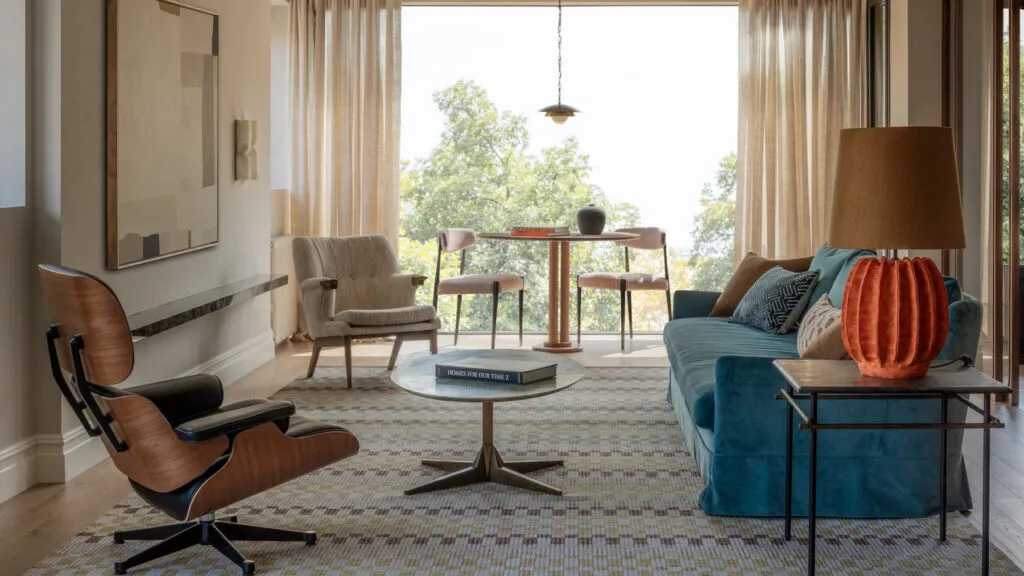
Luxury isn't about showing off, it's about detail, says the architect. That's why the best light in this flat went...
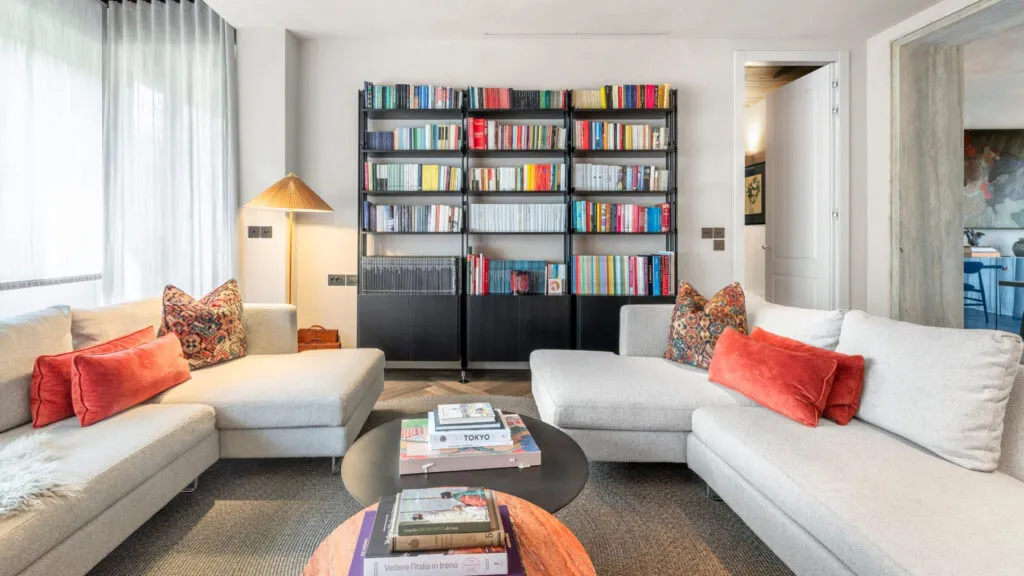
The exposed brick and ribbon windows stayed, and the entire palette came out of a single painting above the sideboard....

An Eames lounge chair from 1956, a Fratini shelving unit and a concave cobalt mirror that reflects the room curved....
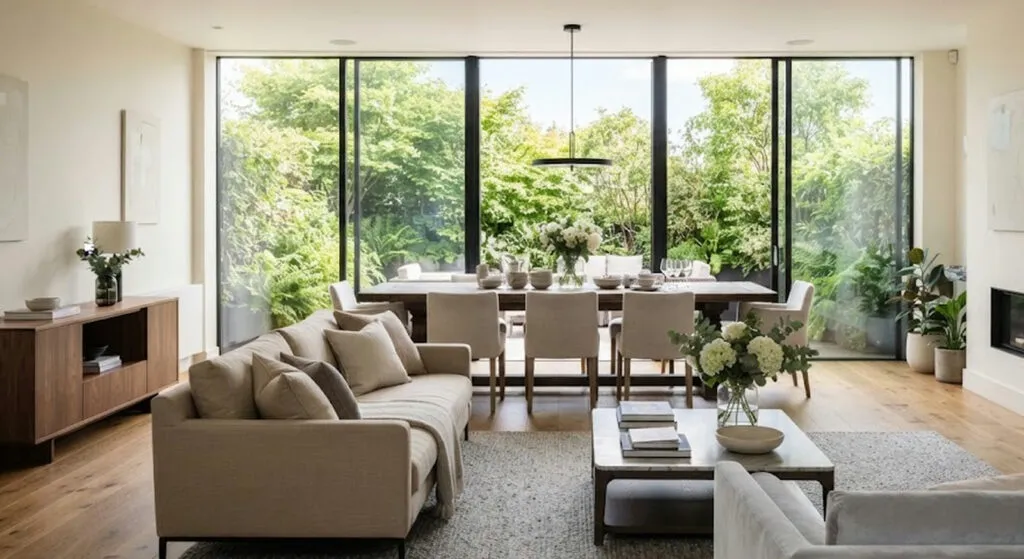
Four bedrooms, four bathrooms and one rug that keeps the dining area separate without a wall. Three things in this...
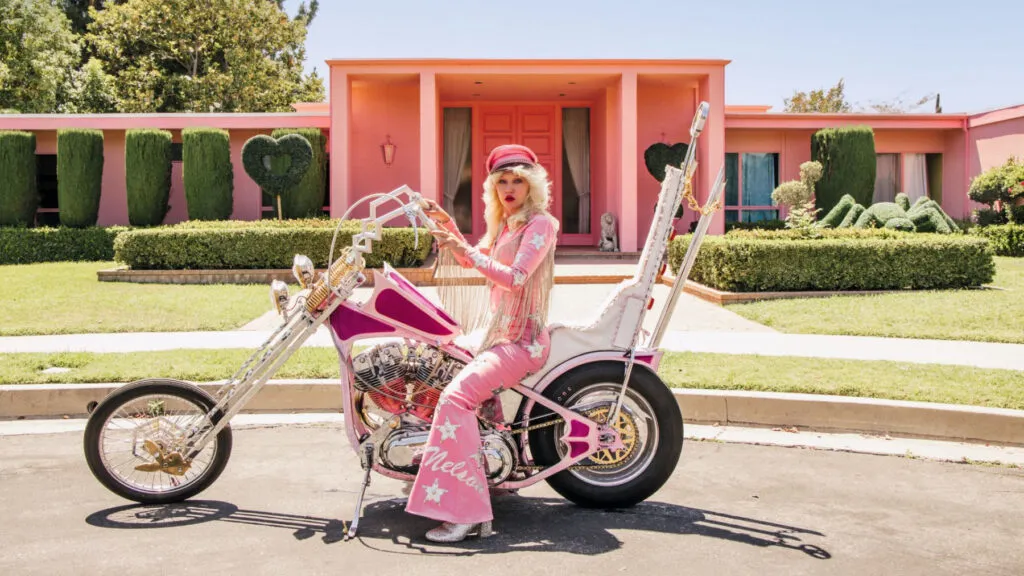
She did not decorate a house - she built a world. And behind all that fantasy there is no inheritance,...
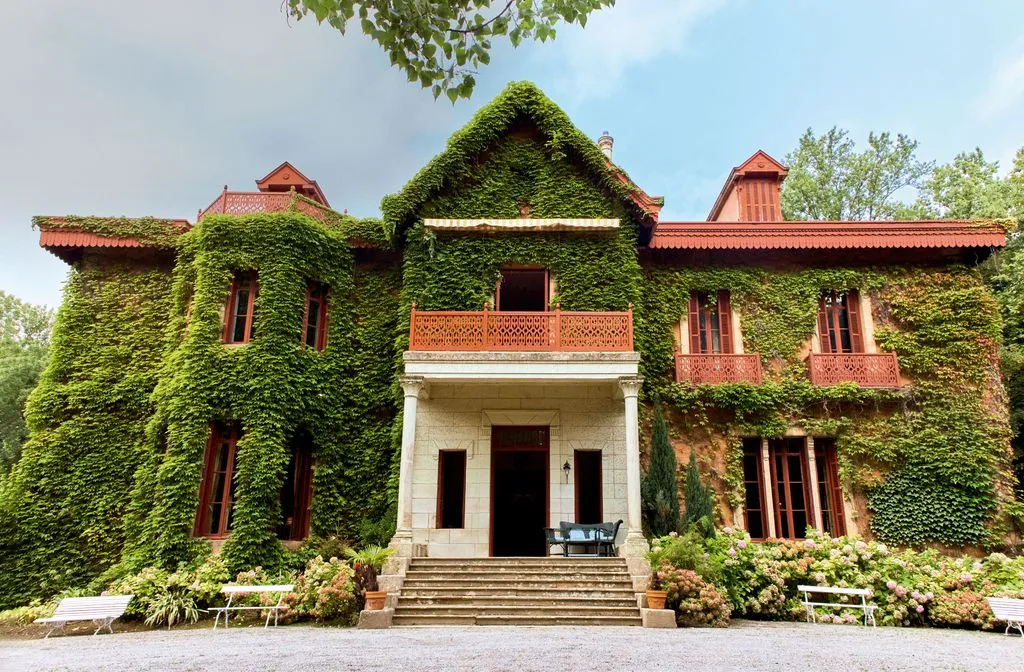
The stairwell has been turned into a gallery, and in the bedroom there is not a single attempt at an...

In the vast majority of flats the ceiling stays white because that is how it was found - not because...
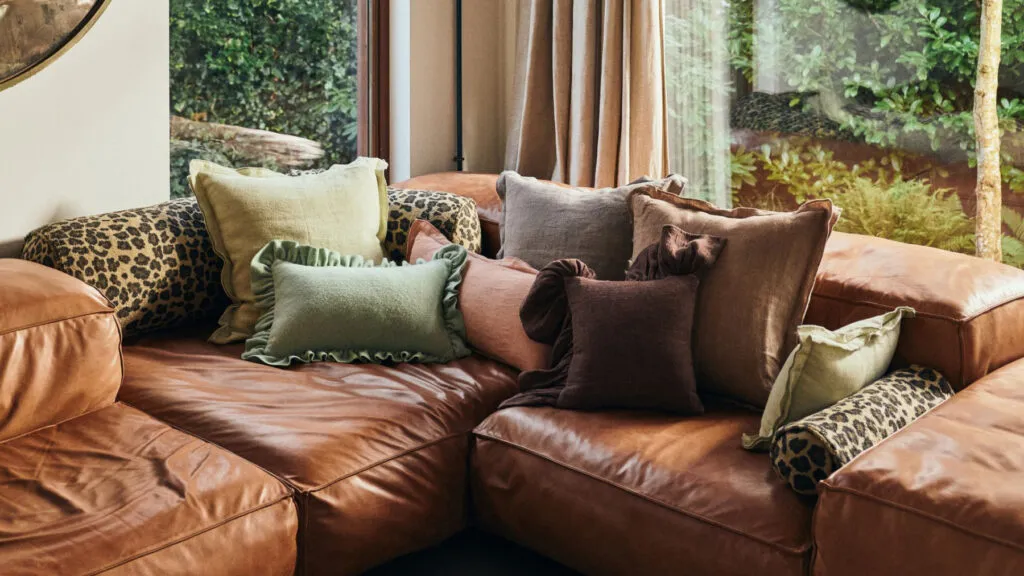
It is not hoarding and it is not maximalism. Ten things that used to be hidden when guests came and...
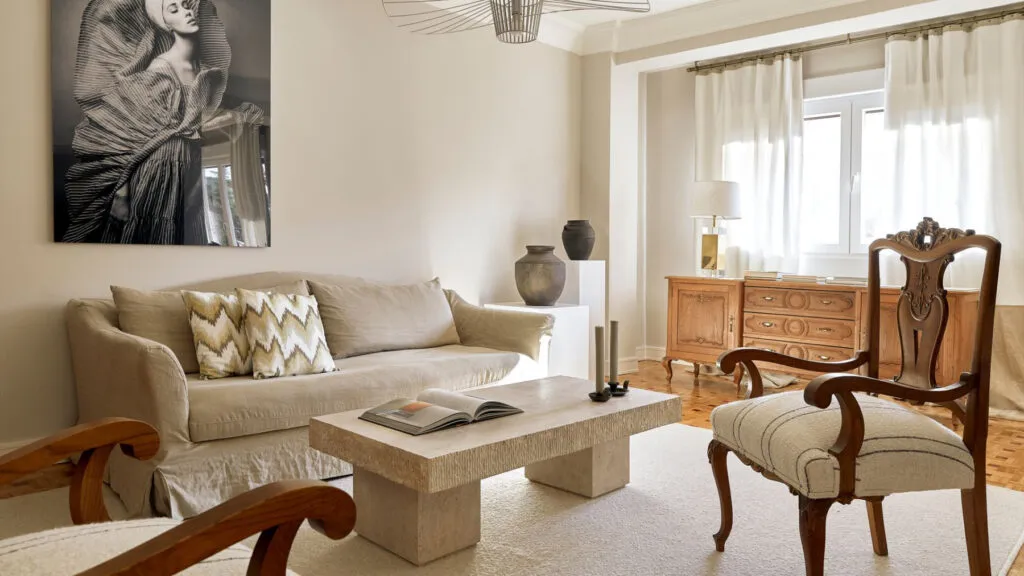
A bespoke console, reupholstered armchairs and wallpaper hung like art. The most expensive thing in the flat is the decision...
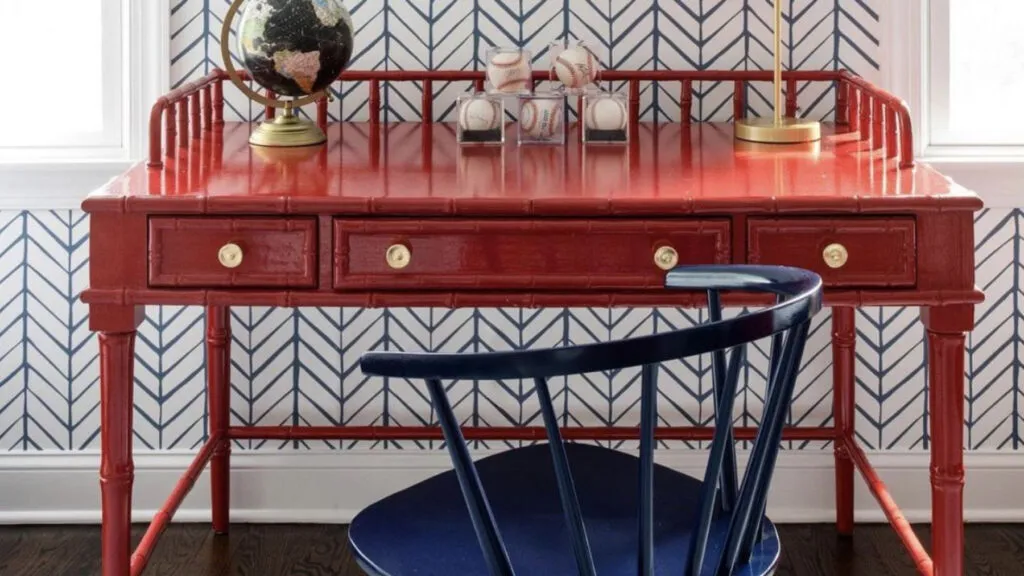
For years the rule was everything neutral and everything from the same collection. The result is a living room that...
This site uses cookies - is that okay? Learn more
Be the first to know when Metla launches something new
Leave your email and we will write when there is a new guide or something new on Metla.