
Father and son beat up a doctor and a nurse outside the Jane Sandanski clinic: the law provides up to five years in prison, and almost 70% of attacks aren't even reported
23.11.2026


23.11.2026

23.11.2026
23.11.2026

23.11.2026
23.11.2026
23.11.2026

23.11.2026

22.11.2026

22.11.2026

23.11.2026
23.11.2026
22.11.2026

23.11.2026

23.11.2026

23.11.2026

23.11.2026

22.11.2026

21.11.2026

23.11.2026

22.11.2026

21.11.2026

23.11.2026

23.11.2026

22.11.2026

23.04.2026

23.04.2026

12.04.2026


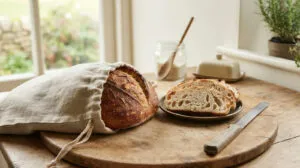
In Macedonia, bread is almost sacred. You don't throw it away, you don't leave it upside down on the table, and stale bread ends up in popara, the old bread-and-milk breakfast. And yet many households make the same mistake every day: they put bread in the fridge, thinking it will last longer. The effect is the opposite.
Why the fridge ruins bread. At low temperatures the starch in bread "retrogrades" faster, meaning its molecules pull back together and squeeze out the moisture. The result is bread that hardens faster than at room temperature. That's why toast bread, burger buns and hot-dog rolls never go in the fridge, but stay in their own bag, well closed, in a cool, dry place.
Cool and dry, away from the oven. Bread likes cool, but not cold, and dry, but not sealed. Best is a bread bin or a cloth or paper bag, a material that breathes. Artisan bread in an ordinary plastic bag at room temperature is a bad idea: the moisture stays trapped, the crust turns chewy and mould comes faster. And one more rule that often gets skipped: freshly baked bread doesn't get bagged until it has cooled completely, because the steam condenses inside the bag.
Big lasts longer. A big round loaf keeps better than small rolls, because it has less crust relative to the crumb and loses moisture more slowly. So it's smart to buy better bread, with good ingredients and a longer fermentation, rather than pre-frozen. Dry products such as rusks and breadsticks last longest if kept in airtight containers.
The freezer, yes, but done right. Bread is frozen while it's still fresh, because freezing doesn't bring back lost texture. Best in portions or pieces, and bread for toasting cut into slices, so it can go straight from the freezer into the toaster. Wrap it in foil or a freezer bag, with as little air as possible. A whole loaf is thawed at room temperature, then warmed briefly in the oven so the crust turns crisp. And importantly: thawed bread doesn't go back into the freezer.
When it's already stale. Sprinkle the crust with a few drops of water and warm the bread in the oven for a few minutes. That's a temporary fix, because once it cools it hardens again. Better to turn stale bread into something new: homemade breadcrumbs (dry the bread well, then grate or grind it), croutons cut into cubes, drizzled with olive oil and seasoning and baked, or Spanish "torrijas", slices soaked in milk, dipped in egg and fried, then dusted with sugar and cinnamon.
In a part of the world where grandmothers kissed bread before throwing it away, the fridge may be the most modern way to make an old mistake. Is it time for bread to go back into the cloth bag?
The latest 10 news from this category
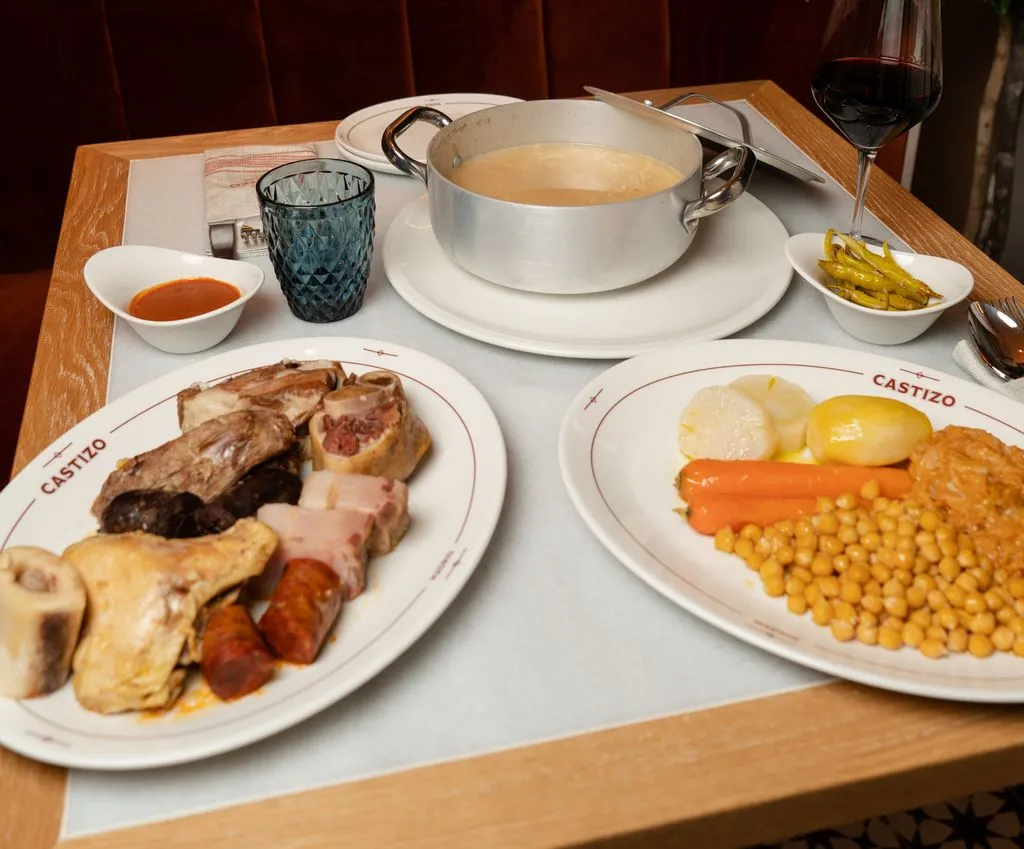
A recipe from a Madrid restaurant that serves cocido every day: soup, chickpeas and meat in three courses, plus a...

Peasants came up with it so as not to waste a single crumb of bread. Today Tuscan restaurants serve it,...
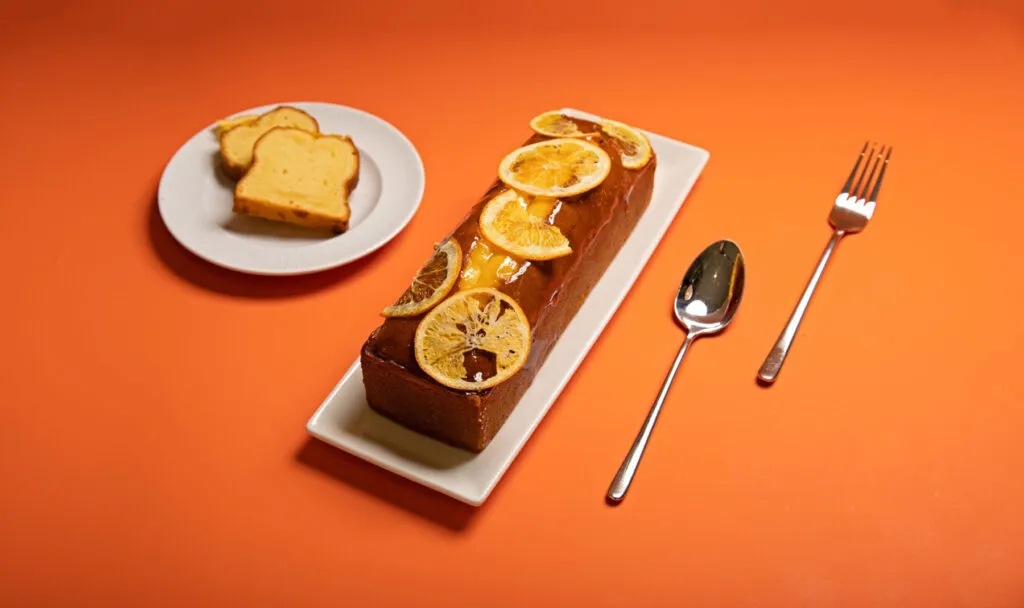
Mandarins are in season, and in a cake they work better than you think. The secret is moisture: if you...
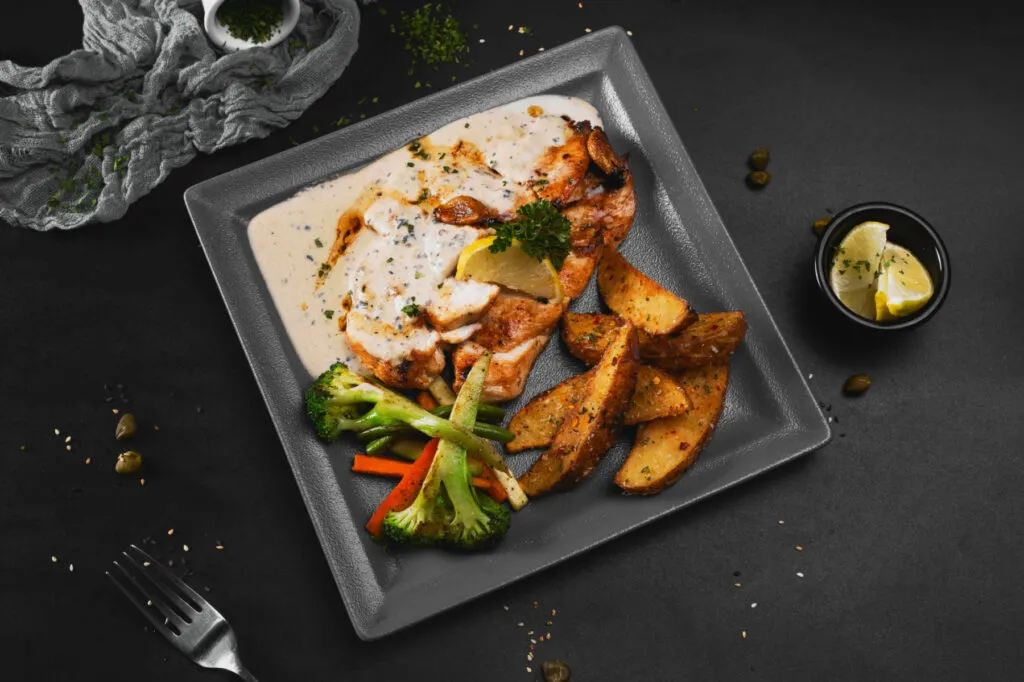
It got its name from a producer who tasted it on camera and said he'd marry for that chicken. The...

Chestnuts can do more than fill a paper bag on the street corner. A little sugar, caramel and patience in...

Peasant food from the Val di Chiana that trattorias serve today: 400 grams of pasta, garlic, tomatoes and olive oil,...
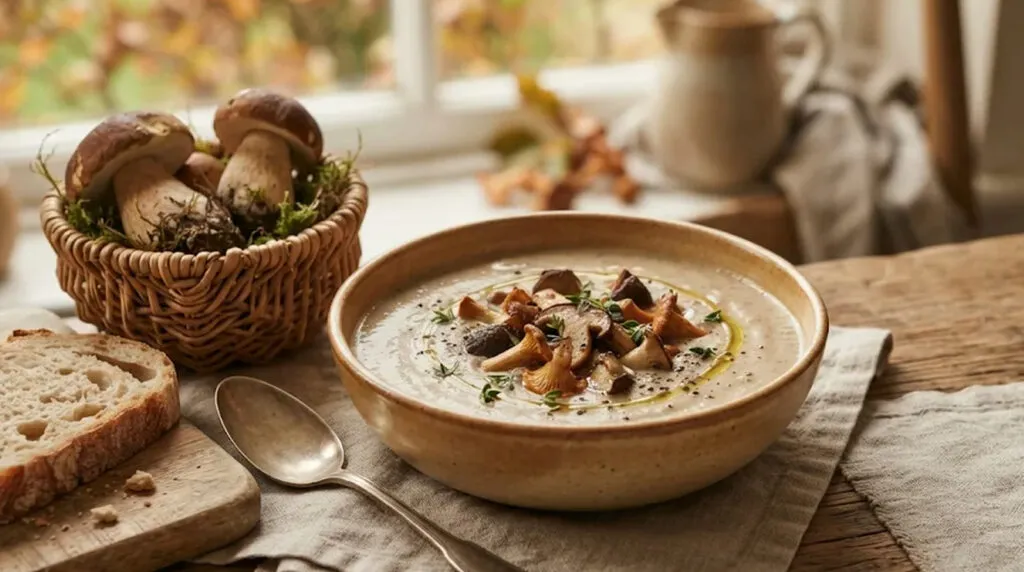
Porcini, saffron milk caps and chanterelles are at their best right now, but ordinary supermarket button mushrooms work too. The...

Potato, carrot, tuna, boiled egg and homemade mayonnaise, mixed cold and left in the fridge for an hour. The recipe...

In the fridge they last up to a month, on the table no more than five days. And the colour...

A steamed bun, Castilian lamb, pine-nut pesto and shiitake ash. This is the tapa that beat 45 chefs to the...
This site uses cookies - is that okay? Learn more
Be the first to know when Metla launches something new
Leave your email and we'll write to you when there's a new guide or something new on Metla.