
Parents of Those Killed in the "Puls" Fire: With Over 200 Witnesses, the Defence Is Dragging Out the Trial
22.11.2026


22.11.2026

22.11.2026

22.11.2026

22.11.2026

22.11.2026

22.11.2026

22.11.2026

22.11.2026

22.11.2026

22.11.2026

22.11.2026

21.11.2026

22.11.2026

22.11.2026

22.11.2026

22.11.2026

21.11.2026

20.11.2026

22.11.2026

21.11.2026

20.11.2026

22.11.2026

22.11.2026

20.11.2026

22.11.2026

22.11.2026

21.11.2026

23.04.2026

23.04.2026

12.04.2026


"You can't live your life looking at yourself from another person's point of view." The line is Penélope Cruz's, and Meryl Streep recalled it at the Princess of Asturias Awards in 2023. It sounds simple. The problem is that most of us break it every day without even noticing.
You know what you want, but the moment you picture how your mother, your partner or your colleagues will react, you back off. Or you reach the goal and wonder whether you ever really wanted it. Family expectations, the people around us and social media talk so loudly that your own wishes are hard to hear. The Balkans know it as a single sentence: "What will people say?"
Coach Sara Manzaneque, who works with grief, attachment and the inner "parts" of the personality, starts from the basics: stop. "You're so used to doing, doing and doing that you can get through the whole day without asking yourself how you are," she says. Her exercise is short: close your eyes if that feels comfortable, put a hand on your chest and notice what your body feels, what emotion comes up and what you need. Tense shoulders or a small spark of excitement are information, not noise.
The second step is to check the thoughts that come up when you think about a change. Write the sentence down and ask yourself where it came from. Her example: you want to enrol at university at 40, and "it's too late" immediately pops into your head. What's the concrete obstacle? If classes clash with work, you look for a different schedule. If your family always said studying is for the young, ask yourself whether you really believe that too.
Then come the two tools for seeking less approval. The first: decide first, and only then tell people. Imagine a photography course you can afford, or a promotion everyone around you is celebrating that for you means more hours at work. What would you choose? A mix of relief and fear often points to a real concern, about money for example, or a fear of disappointing someone. Once the fear has a name, it's easier to carry. And when you share, you're saying you've decided, not asking whether you're allowed.
The second: choose who you ask. First get clear on what you need from the conversation - practical information or support for a decision already made. One or two people who listen well or have walked a similar path are worth more than an entire family at Sunday lunch. And a specific question gets you further than a general "what do you think?".
Manzaneque also mentions the Pygmalion effect: other people's expectations influence what we do. If every mistake looks like proof that something "isn't for you", it's easier to give up. "When someone believes you can learn, you might dare to try one more time." That's why her final piece of advice sounds almost poetic: if you're going to share a dream, share it with someone who sees you kindly. Less approval-seeking doesn't mean ignoring advice. It means other people's opinions don't get the last word on your life.
The latest 10 news from this category

A recipe from a Madrid restaurant that serves cocido every day: soup, chickpeas and meat in three courses, plus a...

Grandmothers made it for the sick and for Sunday lunch. Now models credit it with miracles for skin and bones,...

Peasants came up with it so as not to waste a single crumb of bread. Today Tuscan restaurants serve it,...

Comparison is an old survival mechanism, and we feed it by endlessly scrolling through other people's best moments. A therapist...
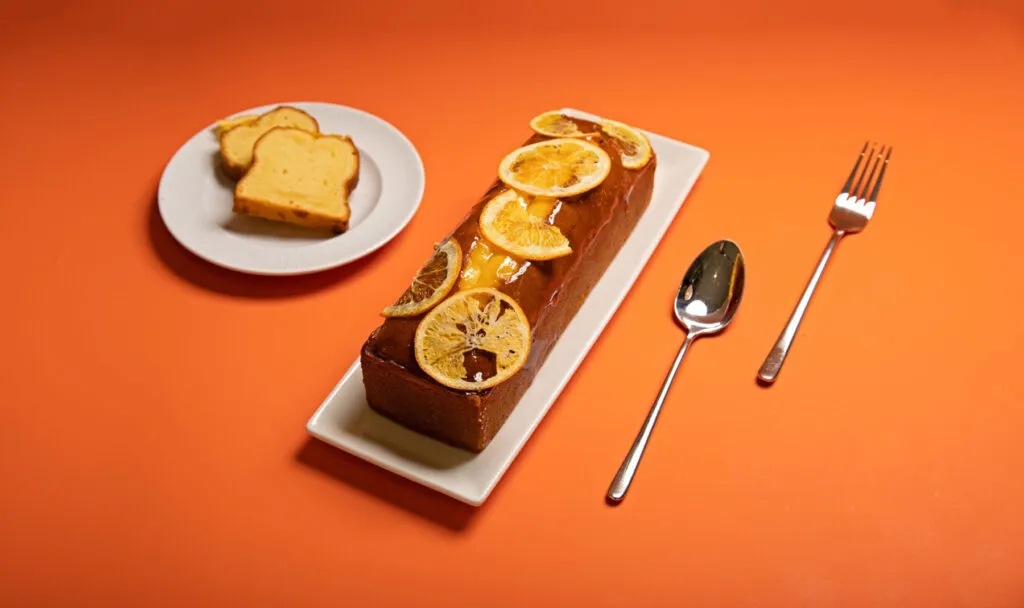
Mandarins are in season, and in a cake they work better than you think. The secret is moisture: if you...

More than 20,000 people signed up for the Barcelona race. A first-timer describes her training, her coach's advice and why...

It got its name from a producer who tasted it on camera and said he'd marry for that chicken. The...

In adults, about 8% shorter illness; in children, up to 14%. The rest of your defences are built in the...

Chestnuts can do more than fill a paper bag on the street corner. A little sugar, caramel and patience in...

After the protein craze, it's fibre's turn. The experts' list is surprisingly ordinary, and in a kitchen where baked beans...
This site uses cookies - is that okay? Learn more
Be the first to know when Metla launches something new
Leave your email and we'll write to you when there's a new guide or something new on Metla.