
Two-Day-Old Baby Loses Part of Her Thumb at Skopje Maternity Clinic: The Nurse Is Moved to the Milk Kitchen, the Committee Gets 60 Days
20.11.2026


20.11.2026

20.11.2026

20.11.2026

20.11.2026

20.11.2026

20.11.2026

20.11.2026

19.11.2026

18.11.2026

20.11.2026
20.11.2026
19.11.2026

20.11.2026

20.11.2026

20.11.2026

20.11.2026

19.11.2026

18.11.2026

20.11.2026

19.11.2026

18.11.2026

20.11.2026

20.11.2026

19.11.2026

20.11.2026

19.11.2026

18.11.2026

23.04.2026

23.04.2026

12.04.2026


Photo: Towfiqu barbhuiya Pexels, Pexels License
You open the app for a five-minute break and close it feeling like you are falling behind. Someone bought a flat, someone ran a marathon, someone is at the seaside in November. You are on the couch with a cold coffee. If that sounds familiar, it does not mean you are insecure or weak: your brain is working exactly the way it was built.
Catalina Hoffmann, an occupational therapist who has studied brain training for more than twenty years, explains that comparison was once a survival tool. Knowing where you stood in the group meant safety and belonging, and the primitive brain experienced falling behind as a real threat. That mechanism is still active today, except now we switch it on non-stop, with images that are rarely real.
When we compare ourselves from a position of lack, the anterior cingulate cortex and the insula light up, the parts of the brain linked to social pain and a sense of threat. A small dose of cortisol, the stress hormone, is released, while reward and satisfaction signals drop. Repeated every day on autopilot, it becomes what Hoffmann calls "mental noise": an inner voice that constantly wants more and drains the energy you need for the present.
The trap is in the yardstick itself. We see our own doubts, tiredness and fear from the inside, while other people's best moments are served to us from the outside, cropped and filtered. It is like moving through a city with someone else's map: everyone has their own pace, their own starting point and their own circumstances. Toxic comparison paralyses you, because it pushes you towards goals that don't come from you, but from the need to fit in or prove something.
Hoffmann suggests four steps. First, catch the moment and name it: stop for three seconds and say out loud or write down "My brain is going into comparison mode". Simply observing the thought from the outside reduces its emotional force and hands control back to the prefrontal cortex, the rational part of the brain. Second, fast from other people's shop windows: mute the profiles that leave you feeling empty and self-critical for two weeks. Just as you watch what you eat, watch what you look at.
Third, compare yourself only to your past self: what you learned this year, what you overcame, where you are kinder to yourself. According to Hoffmann, this is how the brain learns to release dopamine linked to real personal progress. Fourth, five minutes of silence every day, no screen, paying attention to your breathing and three concrete things you are grateful for.
None of this will erase the urge to peek into someone else's life. But a person's worth does not depend on whether they are ahead of someone on someone else's timetable. The apps are built to keep you in front of the screen as long as possible. Is your peace of mind anywhere on their list of priorities?
The latest 10 news from this category
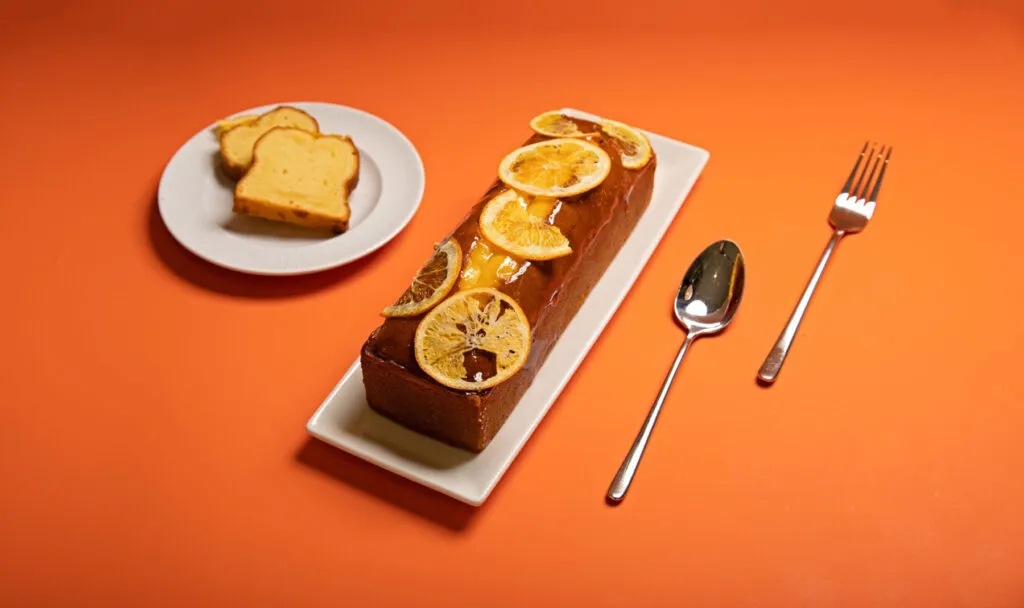
Mandarins are in season, and in a cake they work better than you think. The secret is moisture: if you...

More than 20,000 people signed up for the Barcelona race. A first-timer describes her training, her coach's advice and why...
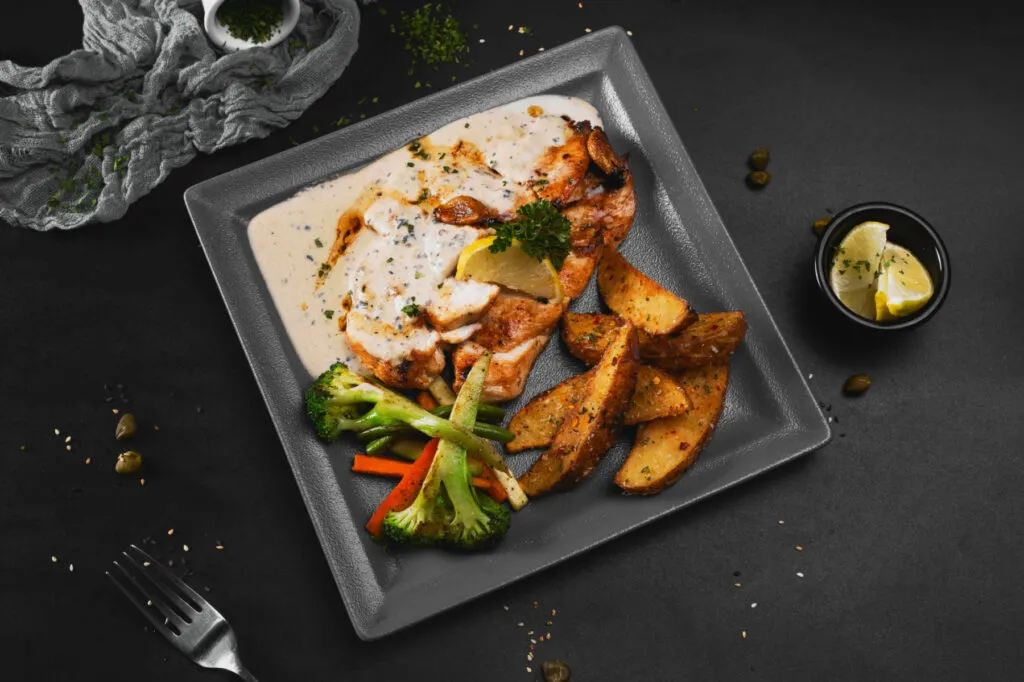
It got its name from a producer who tasted it on camera and said he'd marry for that chicken. The...

In adults, about 8% shorter illness; in children, up to 14%. The rest of your defences are built in the...

Chestnuts can do more than fill a paper bag on the street corner. A little sugar, caramel and patience in...

After the protein craze, it's fibre's turn. The experts' list is surprisingly ordinary, and in a kitchen where baked beans...

Peasant food from the Val di Chiana that trattorias serve today: 400 grams of pasta, garlic, tomatoes and olive oil,...
Back pain hits 80 percent of people at some point, and most put up with it as if it came...

Porcini, saffron milk caps and chanterelles are at their best right now, but ordinary supermarket button mushrooms work too. The...

Slippers by the door are something we inherited from our grandmothers. Psychologists say the gesture is a ritual for switching...
This site uses cookies - is that okay? Learn more
Be the first to know when Metla launches something new
Leave your email and we'll write to you when there's a new guide or something new on Metla.