Precautionary Measures, Then Detention: What Changed at the Prosecutor's Office After the Attack on Sara from Ohrid?
17.11.2026


17.11.2026

17.11.2026

17.11.2026

17.11.2026

17.11.2026

17.11.2026

17.11.2026

16.11.2026

16.11.2026

17.11.2026

17.11.2026
16.11.2026

17.11.2026

17.11.2026

17.11.2026

17.11.2026

16.11.2026

15.11.2026

17.11.2026

16.11.2026

15.11.2026

17.11.2026

17.11.2026

16.11.2026

17.11.2026

16.11.2026

15.11.2026

23.04.2026

23.04.2026

12.04.2026

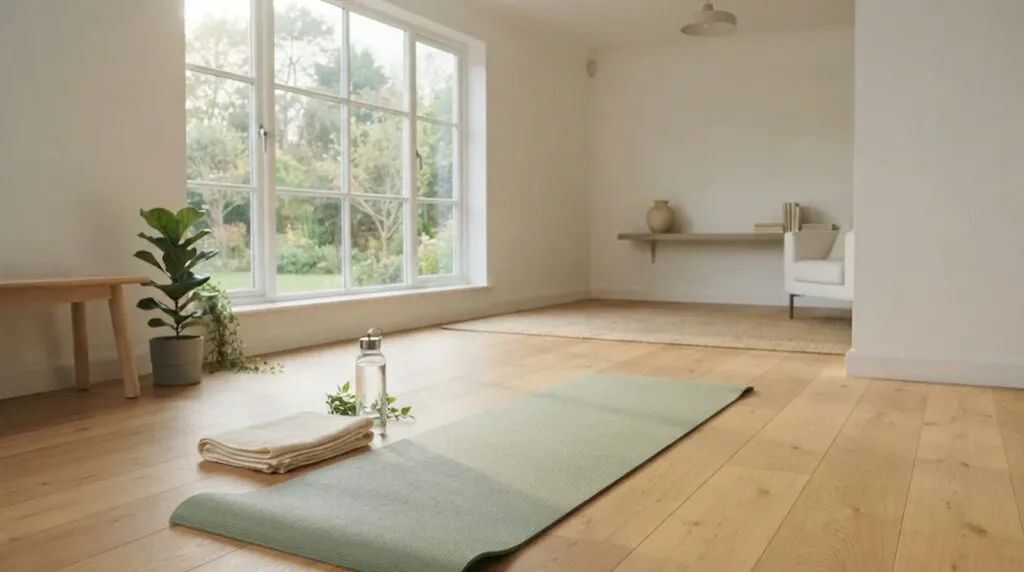
Back pain is one of the most common chronic health problems, and it's estimated that at some point in life it affects 80 percent of people, women more often. It's so common that most have learned to live with it, like a noisy neighbour. Pilates coach Aka Cerezo, one of the authors of the Meliora method, says relief and prevention can start with a few simple positions from yoga and Pilates.
The first is the so-called cat-cow, a sequence from classical yoga known as Marjaryasana-Bitilasana. It's so basic that it's almost everywhere, usually as a warm-up: in a Pilates class, but also in much harder workouts. It's done on hands and knees, palms under the shoulders and knees under the hips. On the inhale the belly drops towards the floor, the chest opens and the gaze goes up - that's the "cow". On the exhale the back rounds towards the ceiling, the belly pulls in and the head drops between the arms - that's the "cat". The two positions alternate smoothly, usually 3 to 5 times.
"Cat-cow is a very simple exercise, but with a lot of benefits," says Cerezo. According to her, the double movement lets us mobilise the spine through flexion and extension, and become aware of whether the movement matches the breath. She adds that it's also a good way to release tension. That's why she puts it at the start of every session: before strength work, the body needs to explore its ranges of motion, and the exercise also reveals stiffness before the real work begins.
When it already hurts, especially low down in the lumbar area, the coach offers no magic recipe. "First you need to understand where the pain comes from, because not every back pain has the same origin or calls for the same exercises," she says. Contraindications and a doctor's advice come first. Only then come her favourite exercises after cat-cow, all lying on a mat and all gentle:
Breathing while engaging the deep abdominal muscles, lying on your back or seated, to learn control of your core. Single leg slides: on your back, knees bent and feet on the floor, slowly straighten one leg and bring it back, then the other, without the pelvis moving. Alternating heel taps: knees bent and lifted above the hips, the feet take turns lowering to the floor, without the lower back arching. And small alternating leg lifts, with a stable pelvis.
For those without pain who want to avoid it, the advice is not to look only at the lower back. "I wouldn't focus only on the lumbar area, but also on the mobility of the thoracic spine and how the spine connects with the pelvis," explains Cerezo. She recommends spinal rotations, forward stretches, backbends and the Pilates "mermaid" position. And the line worth remembering: a healthy spine isn't just flexible, it's a spine that can move, stabilise and produce force when it needs to.
How much? "Consistency matters much more than very long sessions now and then," says the coach. Her measure is mobility work two to three times a week, about 10 minutes each. That's less than one episode of the series you watch on the couch at night. How many of us will set aside those ten minutes on the living room floor - and how many will wait for the back to make the decision on its own?
The latest 10 news from this category

After the protein craze, it's fibre's turn. The experts' list is surprisingly ordinary, and in a kitchen where baked beans...

Peasant food from the Val di Chiana that trattorias serve today: 400 grams of pasta, garlic, tomatoes and olive oil,...
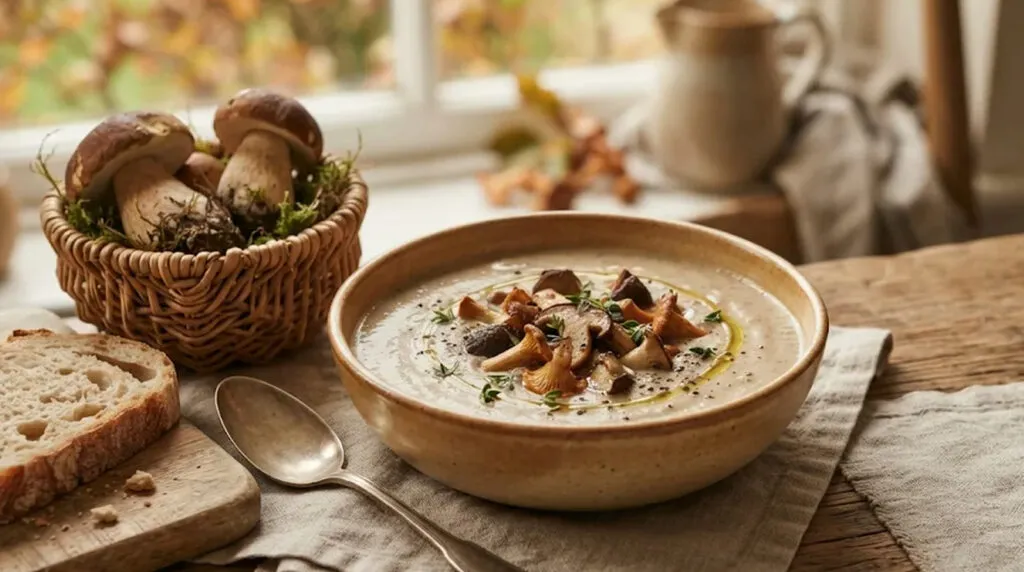
Porcini, saffron milk caps and chanterelles are at their best right now, but ordinary supermarket button mushrooms work too. The...

Slippers by the door are something we inherited from our grandmothers. Psychologists say the gesture is a ritual for switching...

Potato, carrot, tuna, boiled egg and homemade mayonnaise, mixed cold and left in the fridge for an hour. The recipe...
Four or five small breaks from sitting add up to ten to fifteen minutes of movement. And the doctor herself...

In the fridge they last up to a month, on the table no more than five days. And the colour...
If one glass of wine brings you bad sleep and a bloated morning, you're not imagining it. Gynaecologists explain what...

A steamed bun, Castilian lamb, pine-nut pesto and shiitake ash. This is the tapa that beat 45 chefs to the...
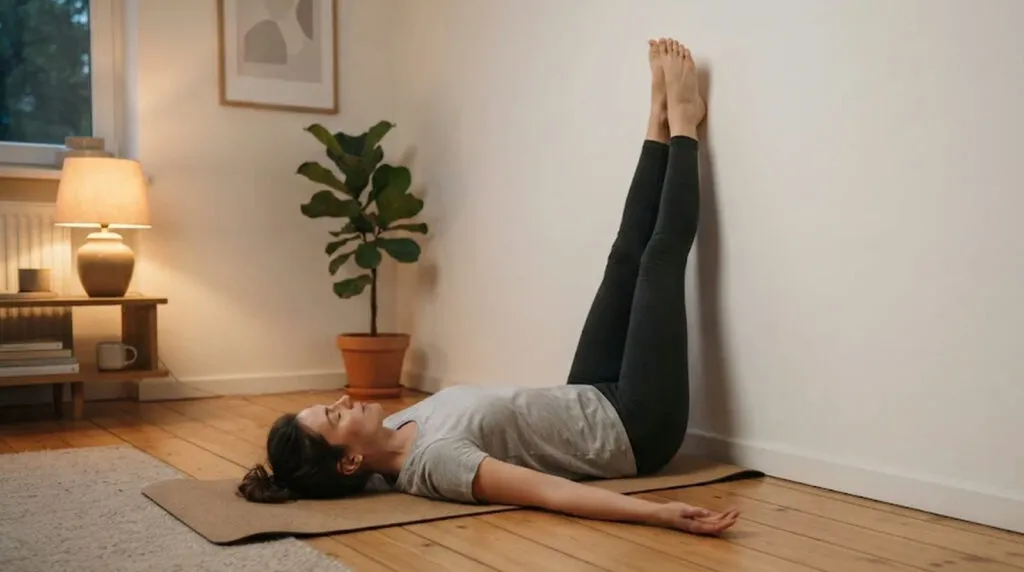
For a few minutes gravity works for you - and that's it. Physiotherapist Víctor Jiménez Aransay explains how long to...
This site uses cookies - is that okay? Learn more
Be the first to know when Metla launches something new
Leave your email and we'll write to you when there's a new guide or something new on Metla.