500 euros to sign off a faulty fire-safety study: Protection and Rescue official caught with the envelope in hand
19.11.2026


19.11.2026

19.11.2026

19.11.2026

19.11.2026
19.11.2026

19.11.2026

19.11.2026

18.11.2026
17.11.2026
19.11.2026

19.11.2026

18.11.2026

19.11.2026

19.11.2026

19.11.2026

19.11.2026

18.11.2026
17.11.2026
19.11.2026

18.11.2026

17.11.2026
19.11.2026
19.11.2026

18.11.2026

19.11.2026

18.11.2026

17.11.2026

23.04.2026

23.04.2026

12.04.2026

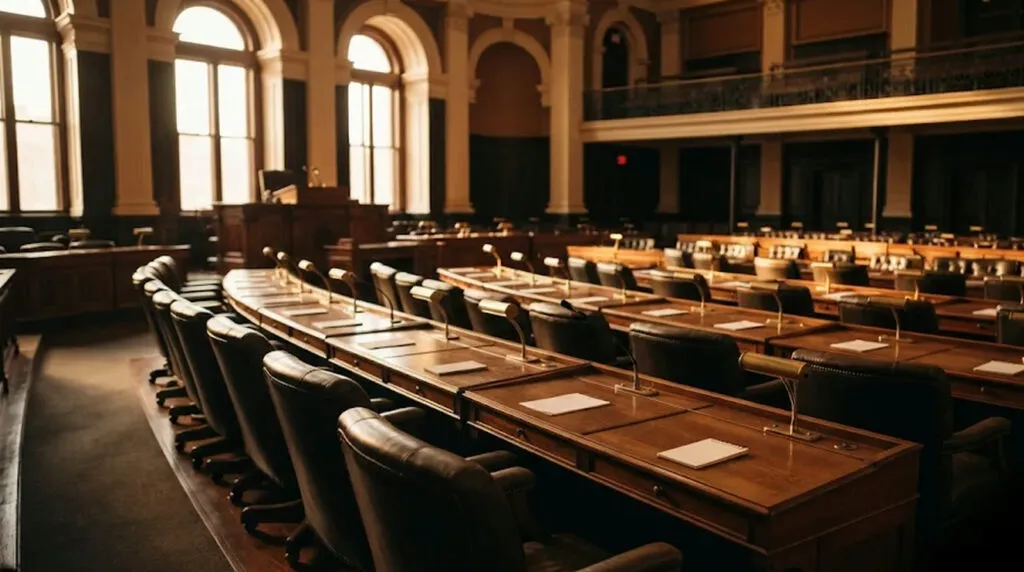
The last time Aleksandar Vučić sat in the Serbian parliament as an ordinary MP was twenty years ago. Now he has taken a seat on the benches again, but not as the man running the country. He sat down as the leader of an opposition parliamentary group. After the snap parliamentary elections on October 25, the constituent session of the new, 15th convocation of Serbia's National Assembly opened in Belgrade on November 17, with 244 MP candidates present.
The new majority is led by the Student List, the movement that grew out of the student blockades after the canopy collapse in Novi Sad. Until the new government is formed, Ana Brnabić is acting president of Serbia, and she also convened the session as speaker of the outgoing parliament. The day before the session, Vučić put it himself on social media: "After 20 years I'm an MP again, so I need to brush up on the material."
The first day ended without a speaker
The session was chaired by the oldest MP, Professor Stojan Radenović, as the rules of procedure require. There were six items on the agenda: confirming the mandates, electing the speaker and deputy speakers, the secretary general, the working bodies and the delegations to international institutions. The Student List nominated Professor Aleksandar Čupić for speaker, and its parliamentary group will be led by sociologist Jovo Bakić. Vučić's group will be called "Aleksandar Vučić - Serbia Wins" and nominated Radenović for one of the deputy speaker posts. The first day closed without a speaker being elected, and the session continues today at 10 a.m.
Yoghurt at the entrance
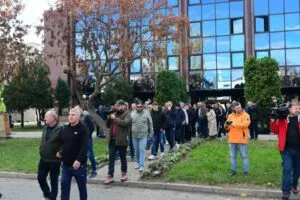
The loudest scene came before the session itself. In front of the parliament building, a woman supporting the Student List poured yoghurt over actress Lidija Vukićević, an MP on the Serbian Progressive Party's list. Speaking from the podium, Vučić said she had been pulled by the hair and the waist, that around 560 Student List supporters had verbally and physically attacked MPs from his list, and that police from the Stari Grad municipality stood aside and did nothing. "We heard neither an apology nor a word of condemnation," he said.
The figure of 560 is his. The yoghurt, however, is on video. No majority gets off to a good start when its supporters celebrate victory by pouring something over another party's MP at the entrance to parliament. The first test for the new government will be whether it can bring itself to condemn its own when they cross the line.
The roles have swapped, the tone has stayed
On the other side, Vučić sounded like a man not yet used to his new seat. He told the Student List that they had been left "billions in the account". He mocked the speech in which MP Jugoslav Gašić nominated Čupić as a text "written by ChatGPT". He reminded them of Milan Grol, the politician who in 1945 negotiated with the communists over taking part in elections. And he called out public broadcaster RTS for not reporting clearly on the attack on Vukićević. The man whose opponents spent years accusing him of holding the media and institutions in his grip is now asking whether the "new democracy" will leave the opposition at least a deputy speaker's seat.
The prime minister-designate is not yet known, but Vučić has already attacked the name being floated. He said it would be "a total absurdity" for Branko Milutinović, one of the co-founders of video game company Nordeus, to become prime minister.
Why this is our story too
The Balkans have watched this kind of handover many times. The losers suddenly discover the rights of the opposition, the winners find out how hard it is to govern. For Skopje, Belgrade is no distant capital: Serbia is the northern neighbour. Open Balkan, the project Vučić pushed together with Tirana and the then government in Skopje, now depends on people who never signed it. Will the new government in Belgrade even consider it its own?
Serbia changed its government at the ballot box. Habits are another matter: whether those change too will become clear when the new majority has to answer out loud for its own mistakes, the way it used to count everyone else's.
The latest 10 news from this category
The Student List won the election, but Serbia still has no parliament speaker, because the loser won't let go of...

Moscow complains it is being pushed out of NIS, Belgrade says the deal is signed, and MOL denies it. Serbia's...
Major Goran Bulajić was killed when his MiG-29 came down in a field near Belgrade. Serbia guards its airspace with...
From January, Podgorica wants the minimum wage for jobs requiring secondary education to jump from 600 to 1,250 euros, and...
Three and a half years after the killing of nine pupils and a guard, Serbia has no law on what...

A guest on state television said Serbia has been stagnating for years and is at Macedonia's level, just ahead of...
Sofia threatened to block new sanctions against Russia unless Patriarch Kirill and the former head of "Lukoil" were taken off...
The man whose party ran Serbia for years is now squabbling over deputy speaker seats in parliament and warning that...
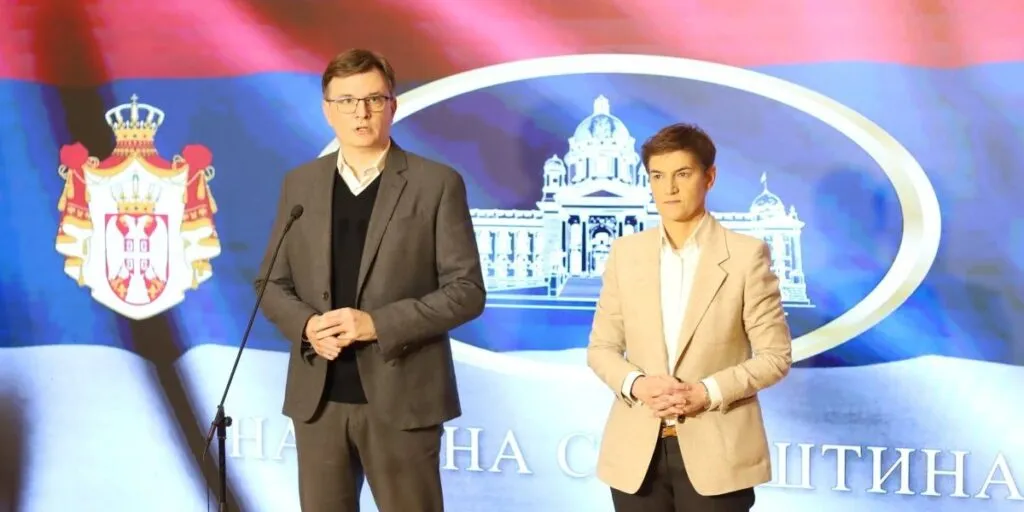
Brnabić and Vučić complain that the new majority didn't ask them which committees they want to chair. The Balkans know...
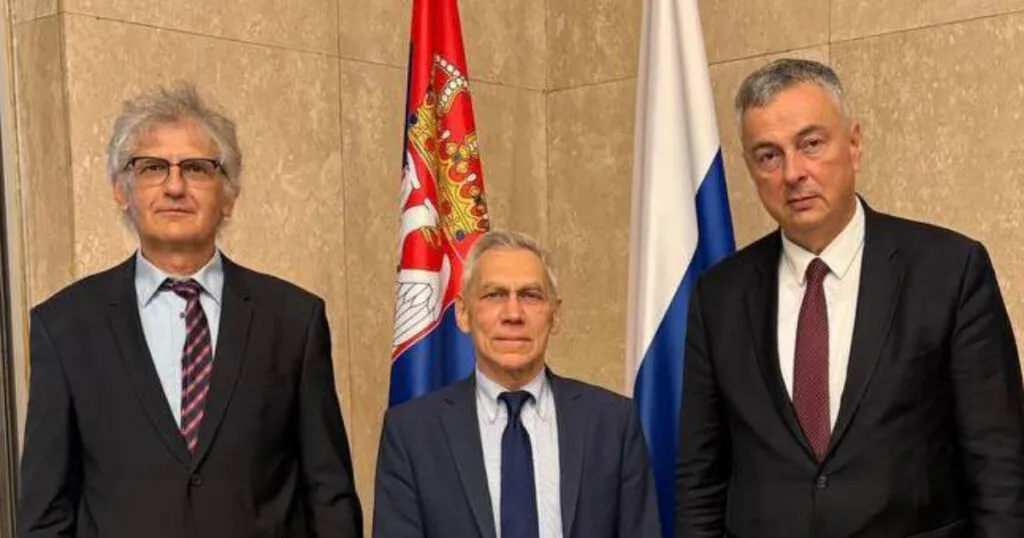
Belgrade's new government hasn't even been formed, yet the Russian ambassador is already repeating Moscow's line on Kosovo, the students...
This site uses cookies - is that okay? Learn more
Be the first to know when Metla launches something new
Leave your email and we'll write to you when there's a new guide or something new on Metla.