Precautionary Measures, Then Detention: What Changed at the Prosecutor's Office After the Attack on Sara from Ohrid?
17.11.2026


17.11.2026

17.11.2026

17.11.2026

17.11.2026

17.11.2026

17.11.2026
17.11.2026
16.11.2026
16.11.2026

17.11.2026

17.11.2026

16.11.2026

17.11.2026

17.11.2026

17.11.2026

17.11.2026

16.11.2026

15.11.2026

17.11.2026

16.11.2026

15.11.2026
17.11.2026

17.11.2026

16.11.2026

17.11.2026

16.11.2026
15.11.2026

23.04.2026

23.04.2026

12.04.2026

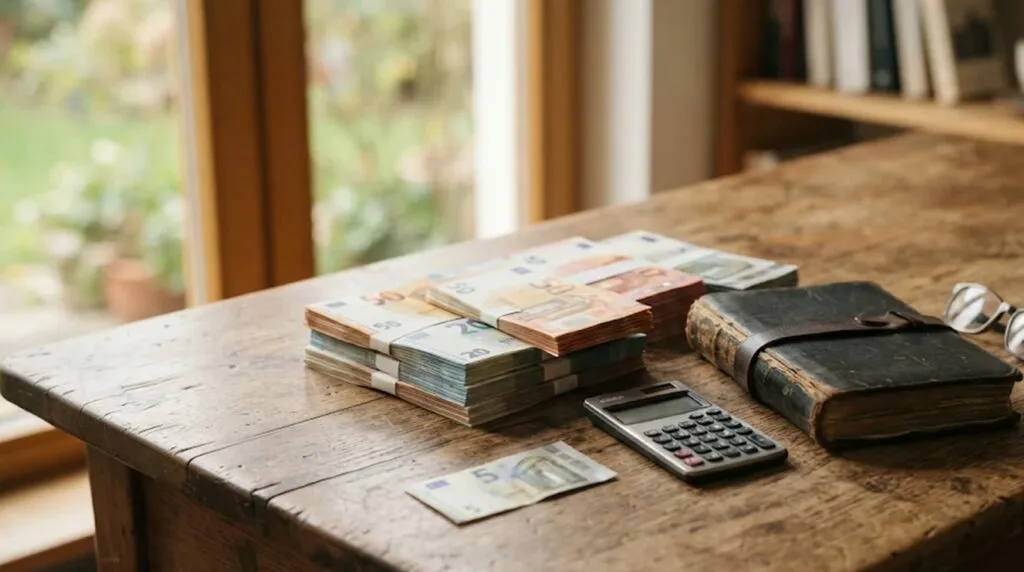
Milojko Spajić's government wants Montenegro to abolish pension contributions from 1 January 2027 and raise the minimum net wage to between 1,000 and 1,400 euros. For a job requiring secondary education, the minimum wage would jump from 600 to 1,250 euros - more than double, overnight.
The package is called the "Euro Model", and the government adopted it back in September. Employers tried to bring the figures down, but after a meeting on 11 November the prime minister stuck to the announced amounts and to 1 January as the start date.
Pay by job, not by diploma
The scale has three steps. Jobs requiring only primary education: from 600 to 1,000 euros. Secondary education: from 600 to 1,250 euros. Higher education: from 800 to 1,400 euros. What matters is what the job requires, not the diploma the worker keeps in a drawer. Someone with a master's degree working in a job that only needs primary school will get the 1,000-euro minimum.
The second move is even bolder. Contributions for pension and disability insurance, currently 10 percent of gross pay, drop to zero. Spajić gives his own example: a worker who today takes home 1,600 euros net, and for whom the company pays 1,980 euros, would get 1,870 euros after the reform, without a single extra euro of cost for the boss. Pensions remain guaranteed by the state, the money will just come from the budget. Montenegro has already abolished health contributions.
Who pays the difference?
The government is counting on higher tax revenue, growth and more consumption. The middle corporate tax rate of 12 percent is being scrapped, and profits over 100,000 euros would be taxed at 15 percent. And here's the detail that easily gets lost in the numbers: the state wants to keep a bigger share of revenues that until now went to municipalities - from income tax, property tax, motor vehicle tax and gambling. So part of the cost of the reform will be felt by the municipalities.
The government openly admits that abolishing contributions will open a big hole in the budget. Spajić is forecasting a deficit of 4 to 5 percent for 2027 and a fall to around 3 percent in 2028. It's a plan that only works if growth arrives exactly as it's drawn in the spreadsheet.
Bosses warn, pensioners get a gift
The Employers' Union offered 800 euros for primary and secondary education and 1,000 for higher education, without fully abolishing contributions. Its president, Slobodan Mikavica, warned that at first the reform could bring inflation, layoffs and trouble for smaller firms. New talks with the government are expected within 10 to 15 days.
Pensioners, meanwhile, get their part of the story: pensions adjusted four times a year, an average pension above 600 euros from April 2027, a minimum of 500 euros and a one-off 100 euros for every pensioner this December. A hundred euros before New Year needs no economic model to understand.
None of this is law yet. The reform needs a decision in parliament, and the battle will be fought over the 2027 budget. If Podgorica pulls it off, it will turn out that in the Balkans you can live on a salary. If it doesn't, what's left will be a deficit and municipalities without money. How long would a debate like this last in Macedonia's parliament - and would it ever even get to a vote?
The latest 10 news from this category
Three and a half years after the killing of nine pupils and a guard, Serbia has no law on what...

A guest on state television said Serbia has been stagnating for years and is at Macedonia's level, just ahead of...
Sofia threatened to block new sanctions against Russia unless Patriarch Kirill and the former head of "Lukoil" were taken off...
The man whose party ran Serbia for years is now squabbling over deputy speaker seats in parliament and warning that...
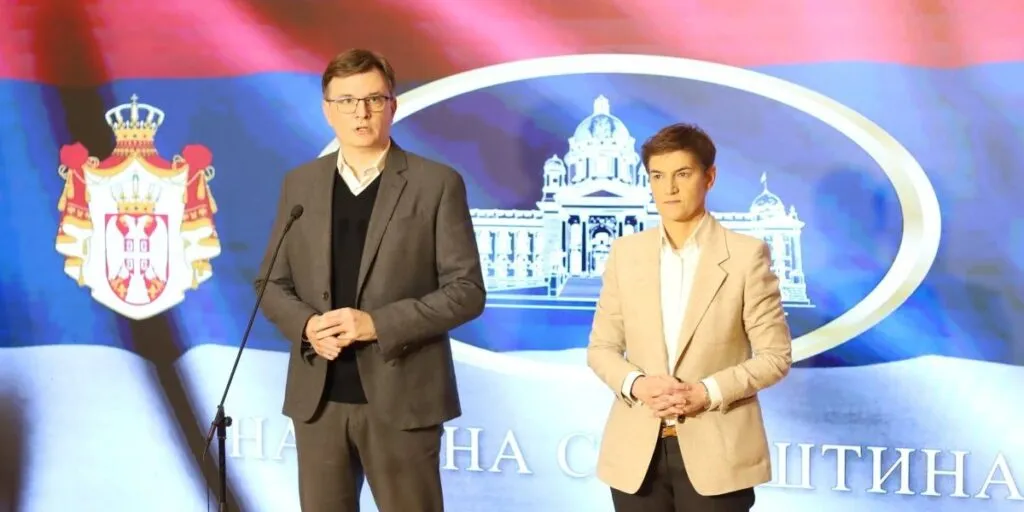
Brnabić and Vučić complain that the new majority didn't ask them which committees they want to chair. The Balkans know...
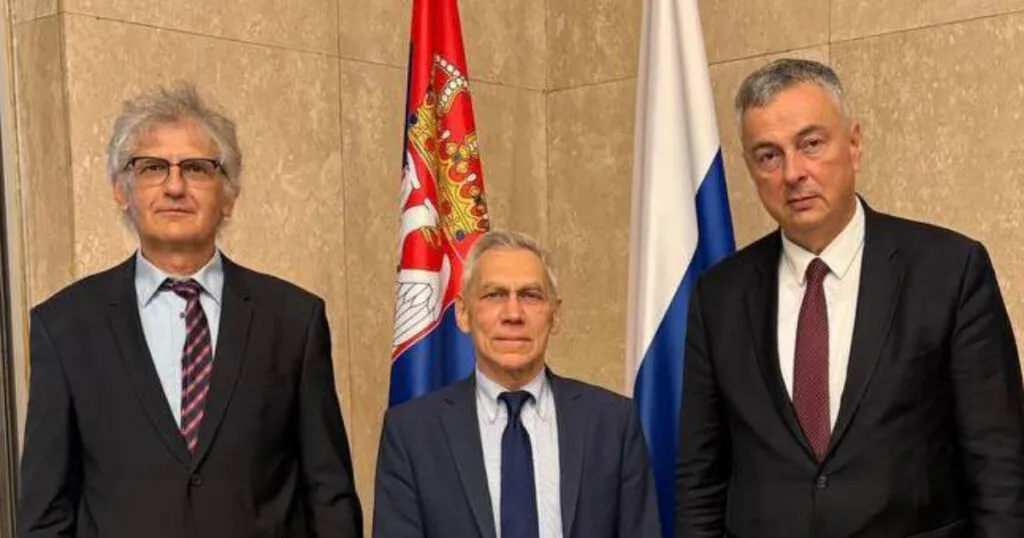
Belgrade's new government hasn't even been formed, yet the Russian ambassador is already repeating Moscow's line on Kosovo, the students...
Just over two weeks after the "Student List" won, Serbia's new government is still fighting over the prime minister and...

Zagreb is telling Podgorica that the border at Prevlaka is the price of entry to the EU. Macedonia knows this...

The founder of a marriage platform describes women from Bosnia and Herzegovina as wives for Muslims from abroad, and the...

The Croatian president calculated that over a decade Serbia grew as fast as Croatia, or a tenth of a point...
This site uses cookies - is that okay? Learn more
Be the first to know when Metla launches something new
Leave your email and we'll write to you when there's a new guide or something new on Metla.