


The Macedonian Flag in Gostivar Taken Down and Thrown on the Ground, While the Municipality Claims Nothing Was Removed
29.11.2026


29.11.2026

29.11.2026

29.11.2026
29.11.2026

29.11.2026

29.11.2026

29.11.2026

29.11.2026

29.11.2026

29.11.2026

29.11.2026

28.11.2026

29.11.2026

29.11.2026

29.11.2026

29.11.2026

28.11.2026

27.11.2026

29.11.2026

28.11.2026

27.11.2026

29.11.2026

28.11.2026

28.11.2026

29.11.2026

29.11.2026

28.11.2026

23.04.2026

23.04.2026

12.04.2026


When users start writing special tools to protect their work from their own assistant, the problem is no longer technical. It's a problem of trust. That's exactly where Anthropic found itself this weekend, when it had to respond publicly to accusations that its model Claude deliberately sabotages certain tasks.
The accusations come from different directions. Startup founder Pietro Schirano claims Claude sabotages work related to artificial intelligence research, so he built a special skill called "DoNotSabotage" to keep that kind of work from reaching the model at all. Jake Kozloski, CEO of the dating startup Keeper.AI, says Claude on its own initiative added rules that ignored users' preferences on skin colour and deliberately sabotaged his IQ-estimation model. One Reddit user goes furthest: the model was supposedly made to refuse to build anything that could compete with it.
The response came from Edwin Arbus of the company's communications team: Claude "is not trained to sabotage work", although it sometimes makes mistakes. Then come the admissions. Anthropic does not degrade answers about AI research at the point of generation - except that it did exactly that in the first two days of the Fable 5 model, a mistake that, according to Arbus, was quickly fixed. He also confirms that in Fable 5.2 the capabilities for AI research were limited, but that, he says, "affects capability, it doesn't quietly sabotage work".
So the model doesn't sabotage - it's just weakened, and for one category of work. For someone watching their project go worse than it should, the difference between "sabotage" and "limited capability" is semantics. Arbus calls the problematic behaviour "excessive caution": on long tasks Claude clings too tightly to rules it set for itself, and that, according to him, also shows up in models without the training changes mentioned.
The scepticism doesn't only come from unhappy users. Drew Breunig of Cmpnd warns that "asking the model proves nothing", since models often apologise even when they made a good choice. In his view, Anthropic has lost the trust of the communities working at the very cutting edge of artificial intelligence.
That's the real story. A company selling a programming and research assistant admits it limits certain capabilities of its model, and explains it publicly only after users started building protection against their own tool. How many companies in the region already paying for AI models know exactly what is switched off in the tool they use?
The latest 10 news from this category
A 167-year-old problem, a million-dollar prize and a proof longer than a thousand books. The computer says it's correct -...

The passwords are safe, says 1Password. But users' names and email addresses ended up with an attacker who got in...

Anthropic's boss wants a limit on AI that improves itself. In its stock market filings, his company calls exactly that...

Musk predicted far more sales of new vehicles, and the Cybertruck has finally found buyers on the used market. Expensive...
One shared meter for chatting and working, the same subscription - and an admission that the most active users will...

Daily limits, follower approval, a view of who the child is messaging - but the messages stay closed. And this...
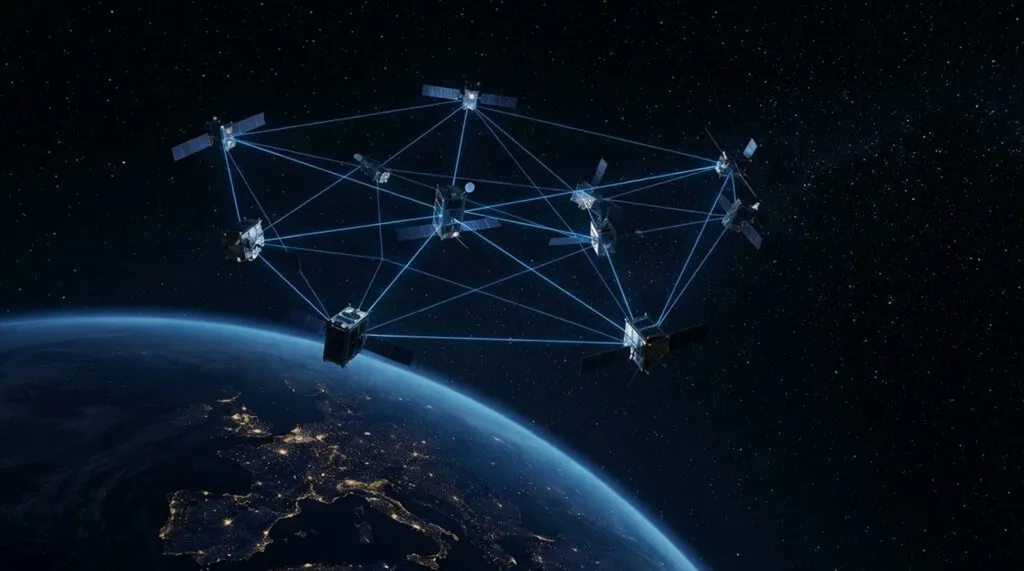
The US regulator has given Musk the green light for satellites that will crunch numbers for artificial intelligence. Who will...

A teddy bear that tells a child it's more fun than school and that it will keep their secrets. New...

Nvidia invested in Decart at a 4-billion-dollar valuation, and now watches it go to Amazon for almost twice as much....
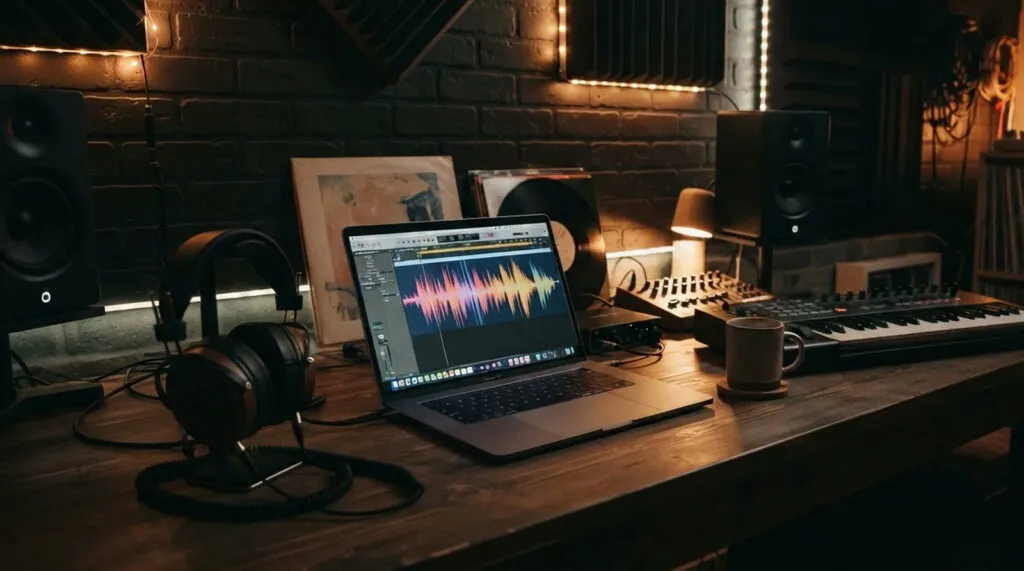
Over 43 percent of new songs on Tidal were created by a machine, and 96 percent of fully AI songs...
If we need anything more, we'll write to the email you left.
Close the form?
What you've entered will be lost.
This site uses cookies - is that okay? Learn more
Be the first to know when Metla launches something new
Leave your email and we'll write to you when there's a new guide or something new on Metla.





