


The Macedonian Flag in Gostivar Taken Down and Thrown on the Ground, While the Municipality Claims Nothing Was Removed
29.11.2026


29.11.2026

29.11.2026

29.11.2026
29.11.2026

29.11.2026

29.11.2026

29.11.2026

29.11.2026

29.11.2026
29.11.2026

29.11.2026

28.11.2026

29.11.2026

29.11.2026

29.11.2026

29.11.2026

28.11.2026

27.11.2026

29.11.2026

28.11.2026

27.11.2026

29.11.2026

28.11.2026
28.11.2026

29.11.2026

29.11.2026

28.11.2026

23.04.2026

23.04.2026

12.04.2026

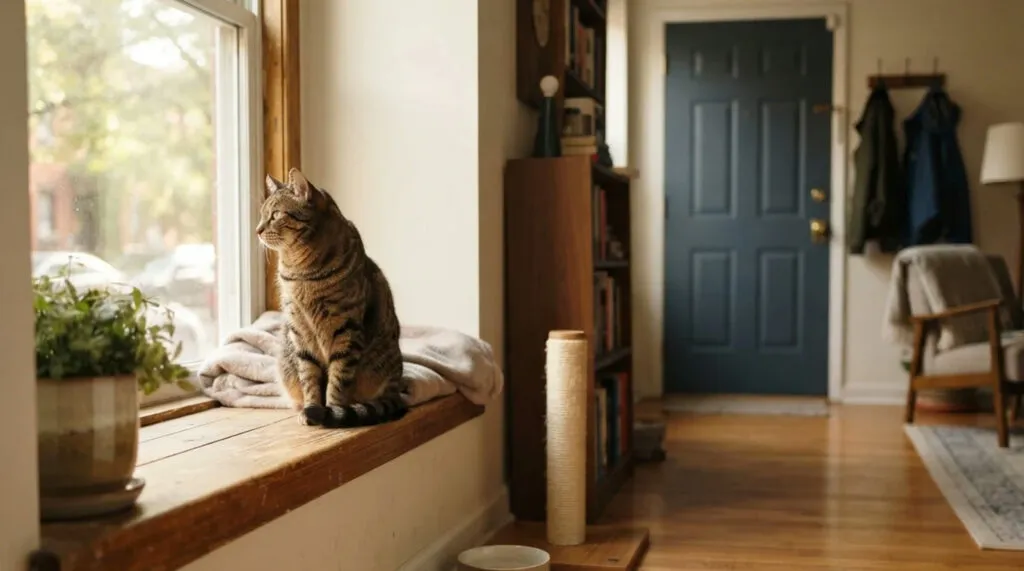
The cat has a reputation as an animal that needs nobody. It eats on its own schedule, sleeps in the warmest spot in the flat, and when you get home from work it barely looks at you. Veterinarian Sarah Endersby of Ceva Animal Health says that picture often lies: cats can have separation anxiety too, the signs are just much quieter than in dogs.
What to watch for. A cat that suffers when you leave it alone meows more often when you go out and sticks to you when you come back. It may break and scratch things, pee outside the litter box, hide more than usual, lose interest in play or lick itself excessively. Eating and sleeping change too. The key, according to Endersby, is comparing with its normal behaviour - and ruling out a health problem at the vet first. If you don't know what it does while you're away, a small camera in the flat tells you more than any guesswork.
Why some cats cope better. Temperament, past experiences, age, health and routine all play a part. Early socialisation weighs the most, especially the period between the second and seventh week of life. A kitten that didn't learn back then that the world is safe finds an empty flat harder to cope with later.
How long it can stay alone. A healthy adult cat can manage a few hours alone if it has fresh water, enough food, a clean litter box and a safe space. Beyond about 24 hours it gets hard. For a night away or a weekend trip, someone trustworthy should drop by. Leaving a full bowl for three days isn't care, it's hoping it'll be fine.
How to help. A predictable routine, a quiet corner it can retreat to, high spots from which it can watch the flat, toys and scratching posts, feeders that take a little effort. Synthetic pheromones can help. The vet recommends getting it used to things gradually: short outings first, then longer ones.
A second cat is no magic fix. It only helps if the two cats genuinely get along. Two cats that merely tolerate each other can create more stress than loneliness does. And one more thing: don't scold the cat for behaviour that comes from stress, don't drag it out of its hiding place by force and don't force it into cuddles. If the problem persists or gets worse, the next stop is a vet or a feline behaviour specialist.
How many times have you heard "cats are independent, they don't care"? Maybe it is independent. But the fact that it doesn't bark at the door doesn't mean it isn't waiting for you.
The latest 10 news from this category

The chestnut is more than a street snack in a newspaper cone. Boiled and peeled, it thickens soup instead of...

A salad eaten standing in front of a screen is not as healthy as it looks. The problem is often...

A minute on each side, 200 degrees for the pastry and half an hour in the fridge for the tomato....

Nobel laureate Hesse boiled happiness down to one sentence. Psychologist Ana Morato explains why "love yourself first" sometimes just adds...

Naples invented pizza, but on the "50 Top Pizza" list for 2026 first place went to a Spanish chain. The...
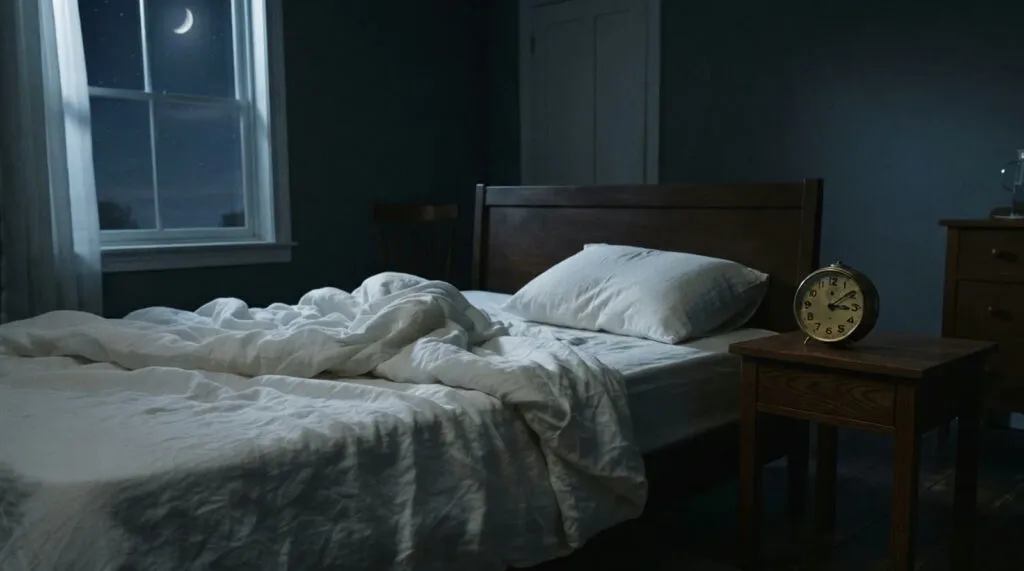
She got up without trouble, worked, stayed active. That's exactly the trap: the body gets used to running on reserve,...

She has made them all her life and measures nothing. Worked out in grams, 125 grams of flour is enough...

Caffeine and L-theanine in the morning, unsweetened cocoa at noon, turmeric at night. But the most important ingredient, says the...

Thanksgiving is tomorrow, and social media is full of pumpkin cake in the shape of a wreath. Grandma's pumpkin pie...

The course you dropped and the half-knitted scarf don't mean you're lazy. According to a psychologist, more often they mean...
If we need anything more, we'll write to the email you left.
Close the form?
What you've entered will be lost.
This site uses cookies - is that okay? Learn more
Be the first to know when Metla launches something new
Leave your email and we'll write to you when there's a new guide or something new on Metla.





