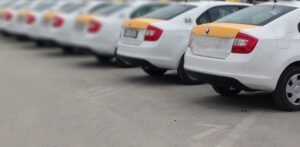
Skopje Taxi Drivers on the Verge of a Protest: Unlicensed Meters and Drivers Without Permits
18.06.2026


18.06.2026
18.06.2026
18.06.2026
18.06.2026

18.06.2026
18.06.2026
18.06.2026

18.06.2026

17.06.2026

18.06.2026

18.06.2026

18.06.2026

18.06.2026

17.06.2026

16.06.2026

18.06.2026

18.06.2026

18.06.2026

18.06.2026

17.06.2026
17.06.2026

09.03.2026

27.02.2026

19.02.2026
18.06.2026

17.06.2026

16.06.2026

14.04.2026

07.11.2025
07.11.2025

23.04.2026

23.04.2026

12.04.2026

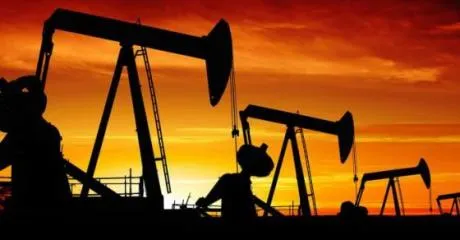
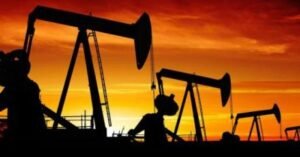
Saudi oil giant Aramco - one of the largest companies in the world - is preparing to sell assets worth more than several tens of billions of dollars, as part of a broader business strategy. When a company of that rank starts to sell, the whole market pricks up its ears.
A sale of assets on this scale isn't a sign of weakness in itself - it's often a move to free up capital and restructure. But the timing is telling: it's happening at a moment when oil prices are falling, and the oil giants are looking for ways to keep their dividends and finance the costly transition to other sources of revenue.
For a country like ours, which has no oil of its own, news like this looks distant - but it isn't. The moves of the biggest players on the oil market spill directly onto the price of fuel at the pumps here, with the usual delay. When Aramco restructures, sooner or later it's felt in the budget of a Macedonian household too.
The point such news carries is simple: the global economy is connected far more than we like to admit. A decision made in Riyadh can end up as a few denars' difference at a pump in Skopje. The only question is whether anyone even explains to us why fuel here gets more expensive - or whether, as always, it merely "follows global trends" when it needs to rise, and forgets to follow them when it needs to fall.
The latest 10 news from this category
An appealing number on the screen, a completely different sum at the end - that's what the new rules target....
Accenture, Samsung, Oracle, Siemens - all on the same list. And the breach didn't come through genius, but through passwords...
A German company leads in a rare tech field - live translation. For a region with six languages on a...
Chips have quadrupled in price because of AI's hunger for hardware, and the bill lands where it always lands -...
The summer spike comes from the diaspora and tourists - a reminder of how much the country lives off those...
The de-escalation around Iran pushed oil to its lowest in two months. But the same old Balkan maths: when it...

While companies slap AI on every product, users are fleeing. The survey reveals that the internet is increasingly being written...
Musk paid almost double for Cursor to rescue the collapsed xAI. When a 60-billion acquisition looks like loose change, the...

It's still the biggest with 1.1 billion users, but its share has slipped to 46 percent. When a free tool...

Giavotto Automotive is building a plant in the TIRZ Tetovo zone for auto components. The gap between a ribbon-cutting and...