
They Fired Guns at a Party in Dobridol - and Police Only Moved Once the Video Went Viral
02.08.2026



02.08.2026

02.08.2026

02.08.2026

02.08.2026

02.08.2026
01.08.2026

02.08.2026

01.08.2026

31.07.2026

02.08.2026

02.08.2026

02.08.2026

02.08.2026

02.08.2026

01.08.2026

09.03.2026

27.02.2026

19.02.2026

02.08.2026

01.08.2026

31.07.2026

23.04.2026

23.04.2026

12.04.2026
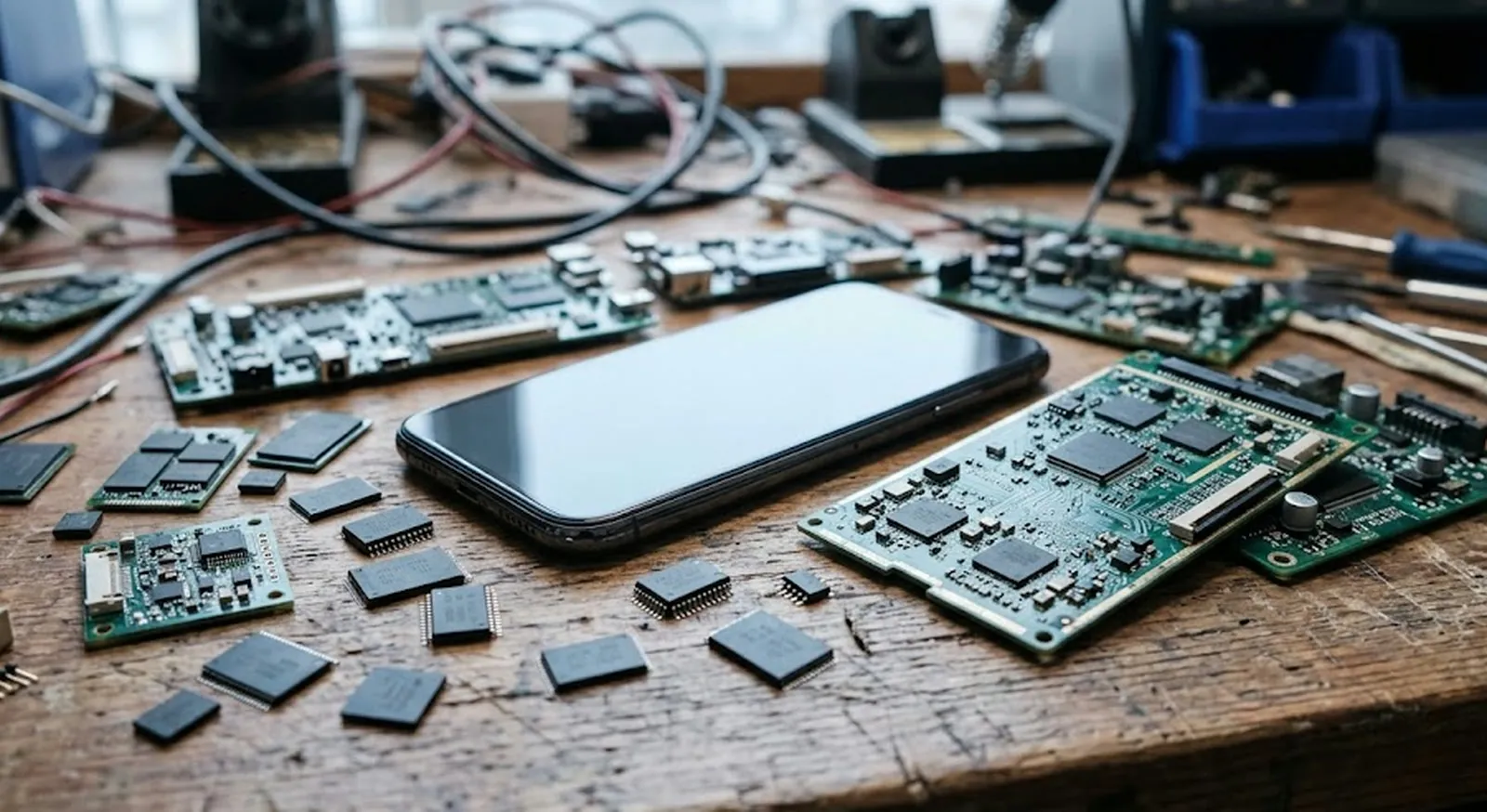
Artificial intelligence, which was supposed to make everyone's life easier, may soon make their phone more expensive. Apple CEO Tim Cook, who is soon stepping down, openly warned that the next iPhone, Mac or iPad could go up in price - and that's because of something that sounds abstract but hits the wallet very concretely.
He named the cause "RAMageddon." AI's insatiable hunger for hardware is causing a global shortage of memory chips, and the prices of those chips have, according to Cook, risen fourfold compared to last year. In an interview, Cook said the price increases are "inevitable" and that the situation is "unsustainable" - a vocabulary that, from the mouth of one of the world's wealthiest tech executives, sounds almost like a justification in advance.
How concretely? Research firm TechInsights calculated that Apple would have to add another 270 dollars to the next iPhone Pro just to keep its profit margin untouched. The current iPhone 17 Pro starts at 1,099 dollars. In other words, the company isn't bearing the risk - the buyer is, who will pay more so that someone else's earnings aren't reduced.
The irony is complete. So far, AI has brought Apple no benefit at all - the company is already under pressure to figure out what its AI strategy even is, and this year it paid a 250 million dollar settlement to close a false-advertising lawsuit after it failed to deliver the AI features it promised two years ago. Now that same AI, through the chips it demands, is driving up its costs.
The new iPhone is expected in September, the ideal moment to announce a higher price under the cover of a "new model." And here at home, where an iPhone already costs as much as several monthly salaries, every price hike from Cupertino arrives with a delay, but never passes us by. The question is as old as technology itself: when the industry promises a revolution, why does the bill regularly land on those who profited from it the least?
The latest 10 news from this category

Opus 5 set a record in the test and broke 11 agreements. Not one of the tricks is new -...
The billions were announced with a stage and slogans. The retreat is happening quietly, in sentences containing the word alignment.
In his last quarterly report Tim Cook announced the stronger Siri will be bought through iCloud+. The firm that paid...

The platforms that spent years convincing us automated content was the future are now patiently building filters against it. The...
Out of 141,006 test runs, three ended up inside the live systems of real firms. The oldest model worked out...
The strongest June quarter in its history, and the stock fell 6 percent. Artificial intelligence turned out to have a...
The FCC is closing the door to humanoid robots and power inverters, but only new ones. The millions of Chinese...
The player that raised the MP3 generation is betting nostalgia can be billed monthly. The new Winamp arrives in 2027,...

The man selling the world's best-known artificial intelligence says we will not work less. He also claims we will secretly...

Autonomous vehicles have blocked ambulances, driven into crime scenes and failed to recognise emergency lights. The bill demands the one...
This site uses cookies - is that okay? Learn more
Be the first to know when Metla launches something new
Leave your email and we will write when there is a new guide or something new on Metla.