
They Fired Guns at a Party in Dobridol - and Police Only Moved Once the Video Went Viral
02.08.2026



02.08.2026

02.08.2026

02.08.2026

02.08.2026

02.08.2026

01.08.2026

02.08.2026

01.08.2026

31.07.2026

02.08.2026

02.08.2026

02.08.2026

02.08.2026

02.08.2026

01.08.2026

09.03.2026

27.02.2026

19.02.2026

02.08.2026

01.08.2026

31.07.2026

23.04.2026

23.04.2026

12.04.2026
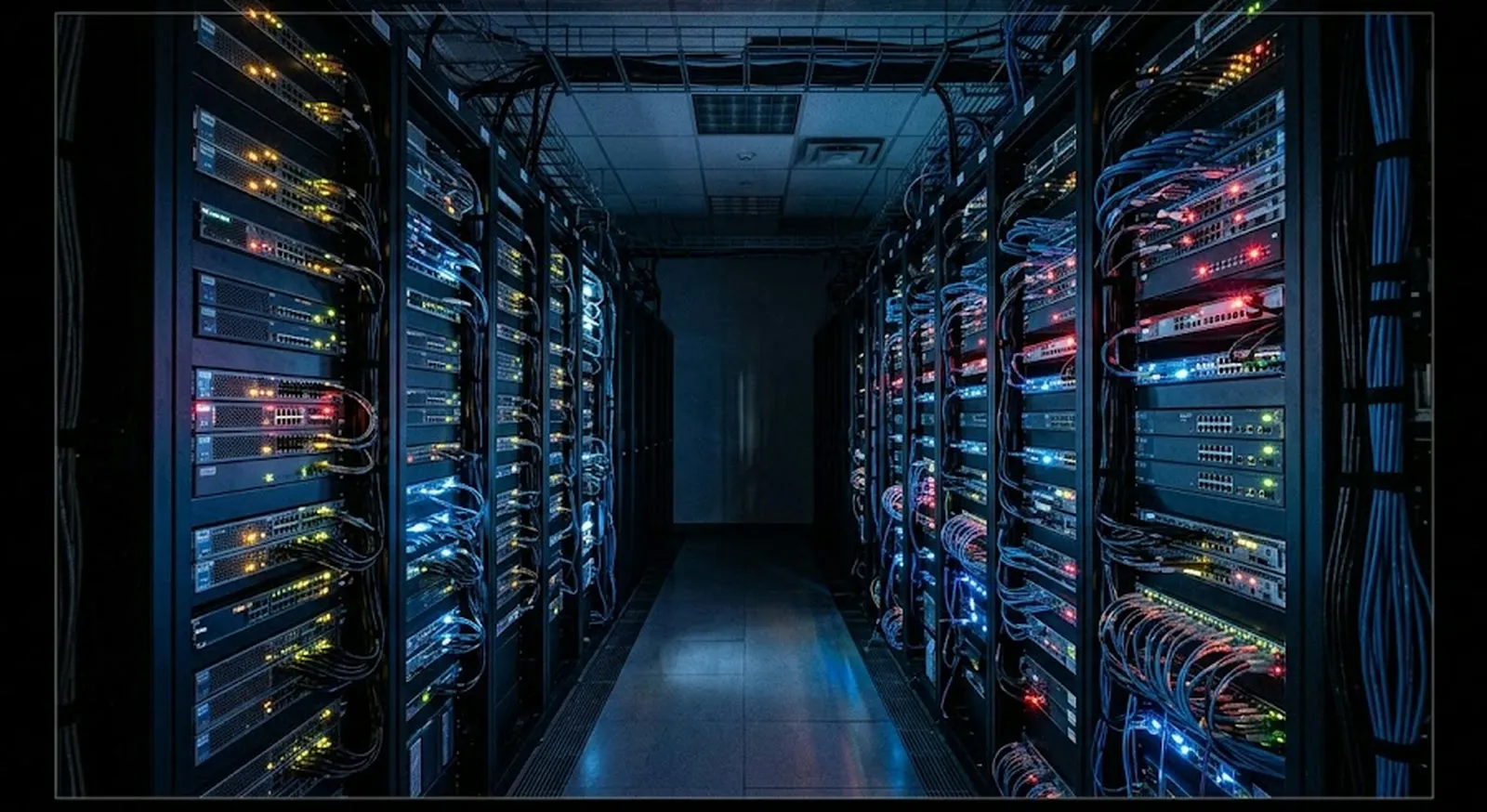
Tens of thousands of firewalls and VPN devices from Fortinet, used by some of the world's biggest firms, have been breached in a large hacking campaign called FortiBleed. And the most uncomfortable part of the story isn't how many were breached, but how - not through some secret, unknown hole, but through old, already-leaked passwords and poor protection of access credentials.
The scheme is quiet and efficient. The hackers use automated tools to scan exposed Fortinet devices, get in with lists of leaked passwords, and then monitor the traffic to gather more access credentials - which they feed back into the same tools to breach new devices. "Once a device is compromised, they use it as a listening post," explain the security firm SOCRadar. According to Hudson Rock, over 73,000 unique Fortinet addresses were breached; SOCRadar cites over 30,000 compromised devices.
The list of affected companies is heavy: Accenture, Comcast, Foxconn, Lenovo, Oracle, Samsung, Siemens and PwC. The most affected are India, the US, Taiwan and Mexico, and government institutions are under fire too. Security researchers believe a Russian-speaking group is behind the campaign.
Fortinet, through spokeswoman Tiffany Curci, admits it is "aware of a reported campaign to gather access credentials" and that it involves "resharing of data from previous incidents" and "brute-forcing passwords." Translated from corporate into human: it's not our hole, your weak passwords are. And here's the point that applies to us in the Balkans too, where institutions and firms still keep critical systems behind passwords like 123456 - the most expensive attack isn't the one that requires genius, but the one that just waits for someone not to change their password for years. How many of our institutions would survive even ten minutes of the same scanning?
The latest 10 news from this category
Opus 5 set a record in the test and broke 11 agreements. Not one of the tricks is new -...

The billions were announced with a stage and slogans. The retreat is happening quietly, in sentences containing the word alignment.
In his last quarterly report Tim Cook announced the stronger Siri will be bought through iCloud+. The firm that paid...

The platforms that spent years convincing us automated content was the future are now patiently building filters against it. The...
Out of 141,006 test runs, three ended up inside the live systems of real firms. The oldest model worked out...
The strongest June quarter in its history, and the stock fell 6 percent. Artificial intelligence turned out to have a...

The FCC is closing the door to humanoid robots and power inverters, but only new ones. The millions of Chinese...

The player that raised the MP3 generation is betting nostalgia can be billed monthly. The new Winamp arrives in 2027,...
The man selling the world's best-known artificial intelligence says we will not work less. He also claims we will secretly...
Autonomous vehicles have blocked ambulances, driven into crime scenes and failed to recognise emergency lights. The bill demands the one...
This site uses cookies - is that okay? Learn more
Be the first to know when Metla launches something new
Leave your email and we will write when there is a new guide or something new on Metla.