The "Lottery" Trial: 231 Pieces of Evidence, and So Far Not a Single Message Between Grubi and Bajrami
24.09.2026


24.09.2026

24.09.2026

24.09.2026

24.09.2026

24.09.2026

24.09.2026

24.09.2026

23.09.2026

22.09.2026

24.09.2026

24.09.2026
23.09.2026
24.09.2026

24.09.2026

24.09.2026
24.09.2026
23.09.2026
22.09.2026

24.09.2026

24.09.2026

24.09.2026

24.09.2026

23.09.2026
23.09.2026

09.03.2026

27.02.2026

19.02.2026

24.09.2026
23.09.2026

22.09.2026

23.04.2026

23.04.2026

12.04.2026

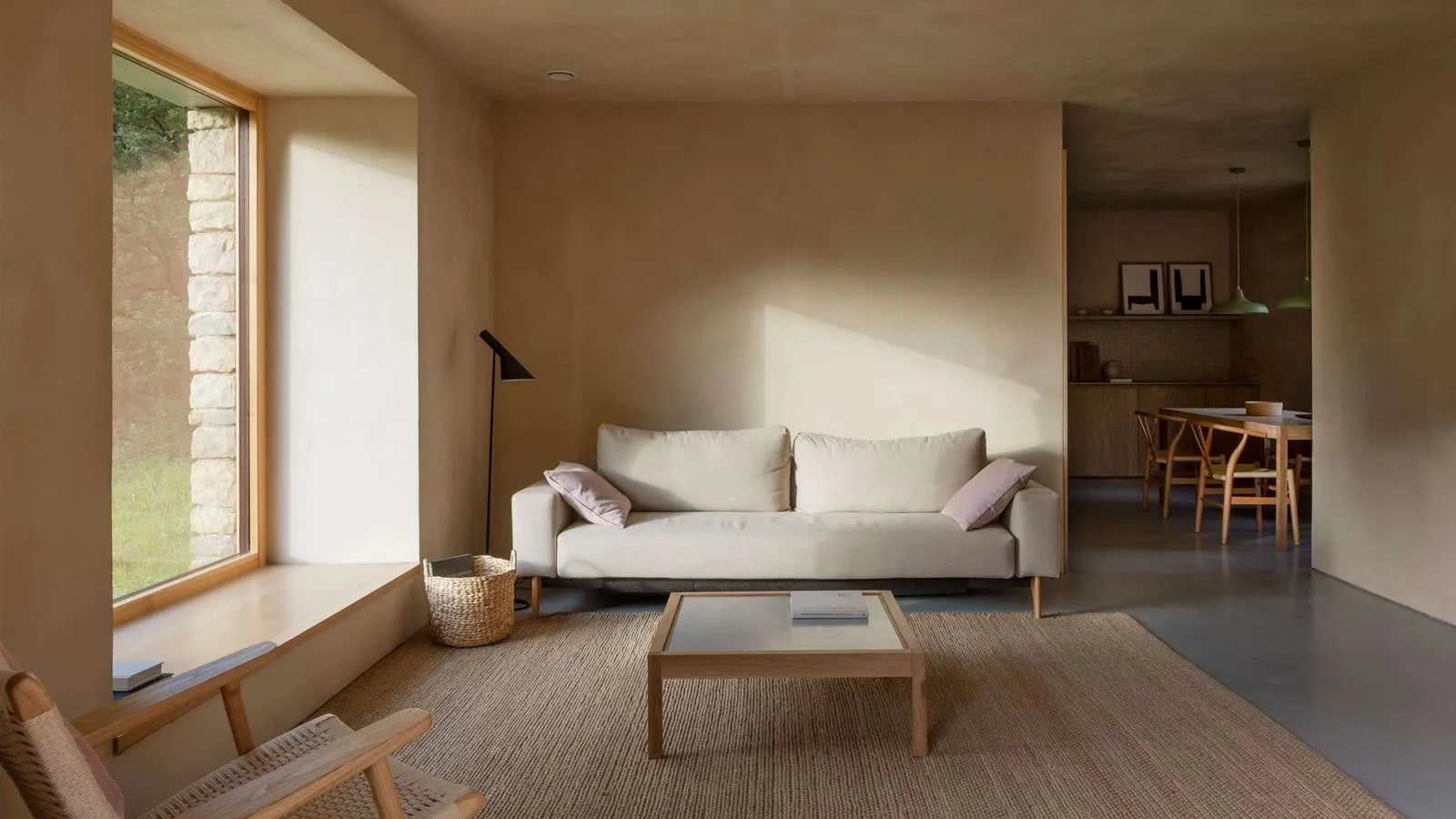
There's an idea that sustainable architecture has to start from scratch - tear down the old and build something new, smart, with glass and panels. An old house in the mountains of Cantabria, northern Spain, proves the opposite is true. A 16th-century building, a typical shepherd's cottage, has been turned into a home with the highest standards of energy efficiency - and from the outside almost nothing has changed.
The house sits on over two hectares of complete solitude, surrounded by chestnuts, hazels and oaks, in a protected zone where new construction is banned and only renovation is allowed. With a floor area of 160 square metres over two storeys, the project was carried out by the studio Mínima - Helena Aguilar and Juan Ramón Cristóbal, partners in work and in life, who have known the place for more than twenty years. Their challenge, as they put it themselves, was "to achieve the highest standards of efficiency without changing the identity of the traditional building".
The secret is in the principle of "from the inside, not the outside". The stone walls up to 80 centimetres thick, the roof, the external stone steps and the dry-stone facade were left untouched - even the joints were deliberately left unfilled, because, as the architects explain, it's precisely that living texture that is one of the values of buildings like this. All the insulation, the new envelope of ecological materials and natural lime plaster were added from the inside.
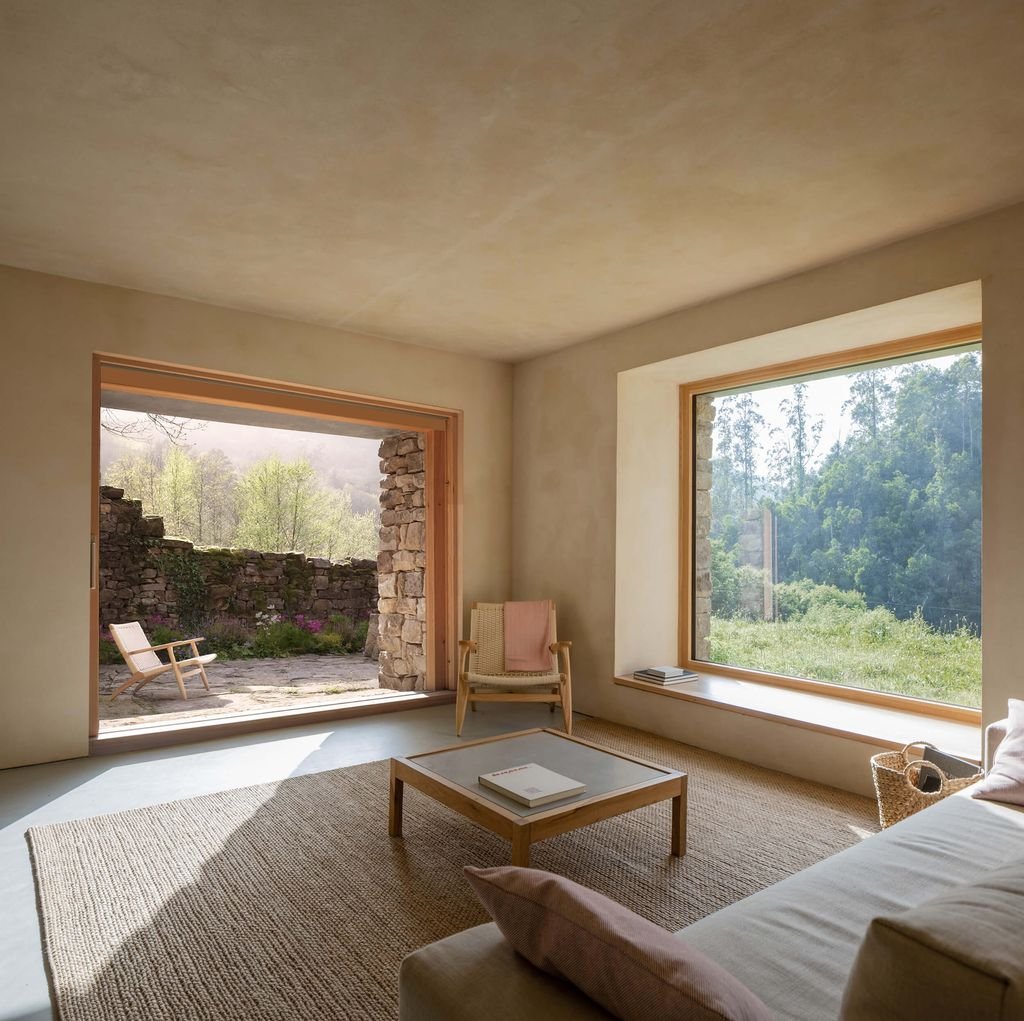
The result is an EnerPHit certificate - a standard for passive renovation that means a stable temperature all year round with minimal heating and cooling. The air is constantly renewed through mechanical ventilation with heat recovery, and triple-glazed wooden windows prevent heat loss. All that technology is hidden - there are no visible appliances or installations to spoil the look.
The materials were chosen on the principle of "biohabitability" - living in a house that takes care of you. The floors and walls are of natural lime plaster, the oak wood treated only with natural oils and waxes, without toxic synthetic products. Wood naturally regulates humidity, so the interior literally "breathes", with no plastic varnishes sealing the material.
Perhaps the loveliest detail is the dining table - made from the original oak beams taken out of the cottage's own structure. The former livestock space has been turned into a sheltered outdoor dining area, where old planks from the stable floor, still bearing the cleaning grooves, now serve as flooring. The past hasn't been erased - it's built into everyday life.
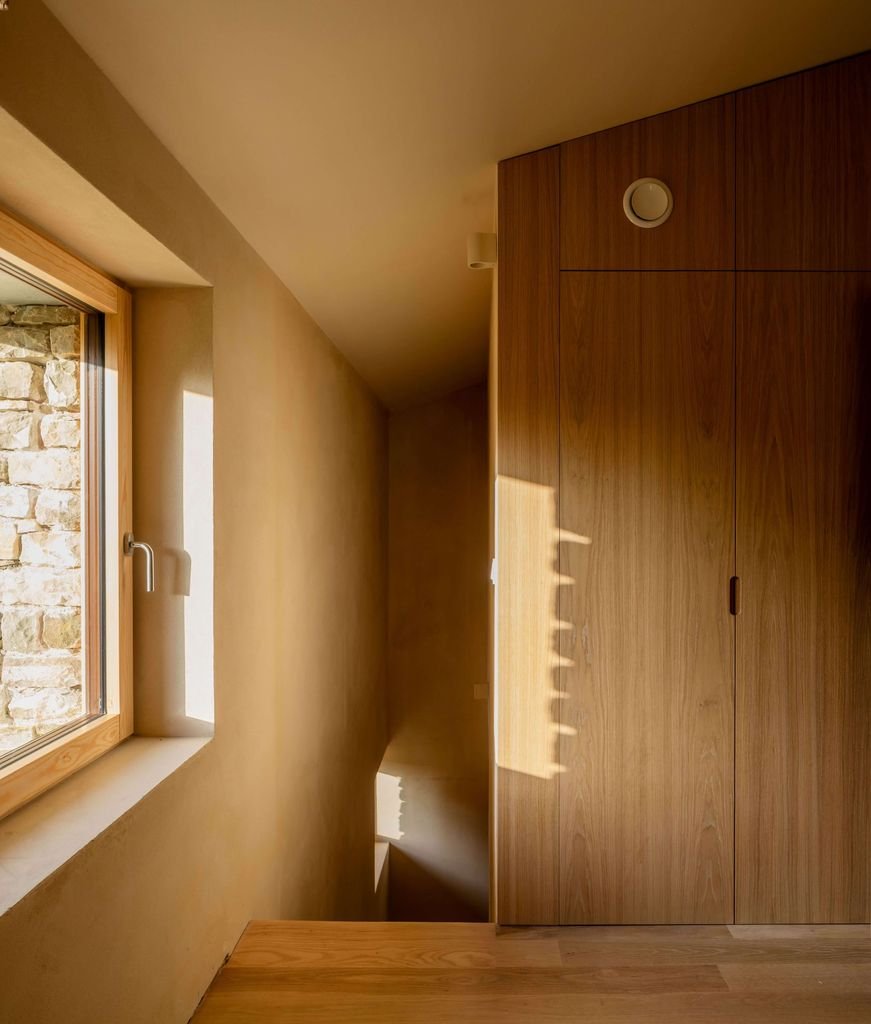
The ground floor has no doors - kitchen, dining room and living room flow as one whole, divided by a change of material and light, not by walls. The 80-centimetre wall thickness has in one spot been turned into a built-in bench with the finest view in the house, towards the valley. The house works like a sundial - light gradually illuminates the rooms over the course of the day.
Two separate wooden staircases lead upstairs, one for each bedroom, while the traditional external stone steps remain almost like a lookout in front of the entrance. The bedrooms look straight into the forest, the bathrooms are semi-open with large sliding doors for privacy when needed. The studio Mínima sums up its whole philosophy in a single sentence: "Nothing unnecessary, nothing missing." In a world where luxury often means more things, this house is a reminder that the real luxury is silence, a stable temperature and a view of the trees.
The latest 10 news from this category
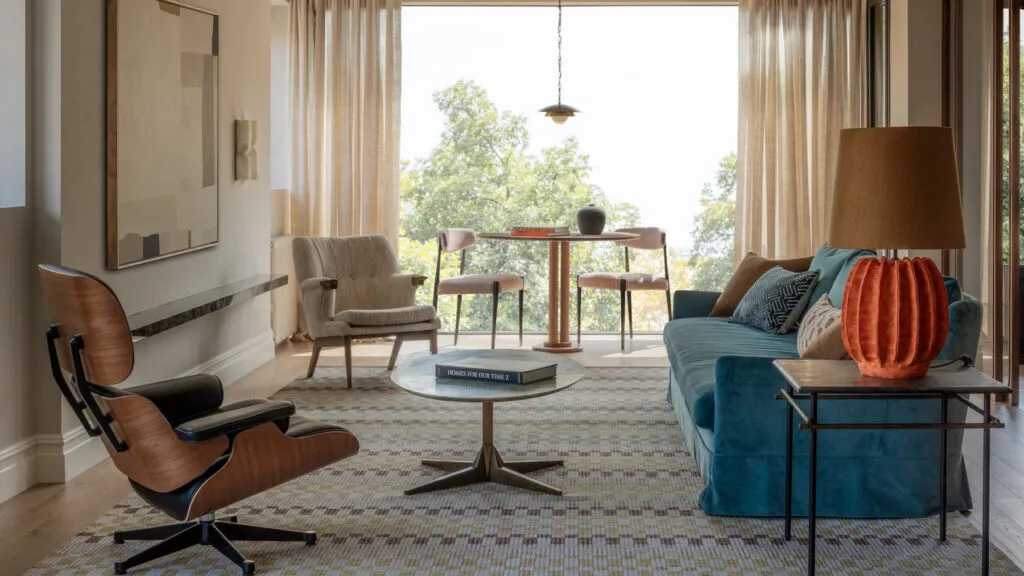
Luxury isn't about showing off, it's about detail, says the architect. That's why the best light in this flat went...
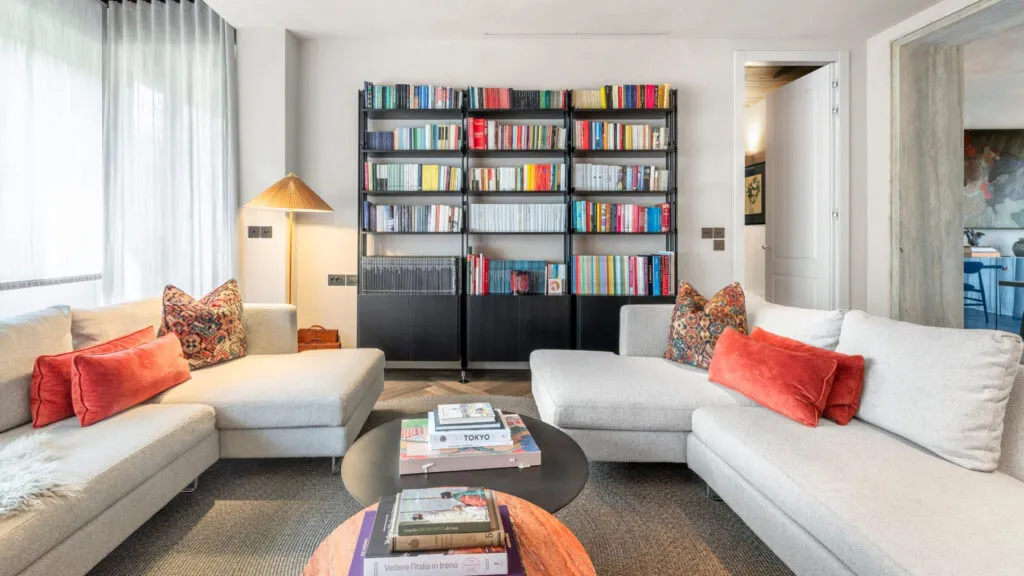
The exposed brick and ribbon windows stayed, and the entire palette came out of a single painting above the sideboard....

An Eames lounge chair from 1956, a Fratini shelving unit and a concave cobalt mirror that reflects the room curved....
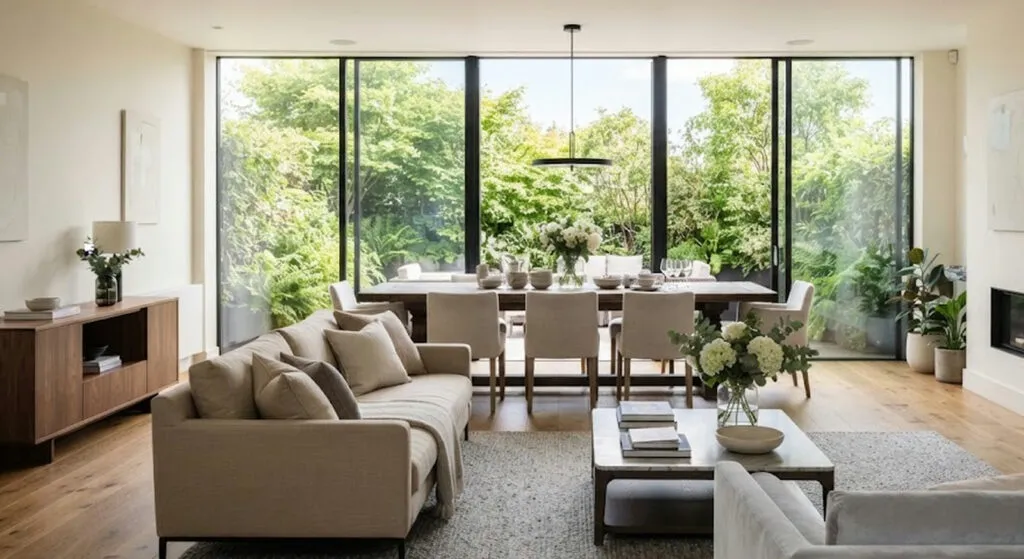
Four bedrooms, four bathrooms and one rug that keeps the dining area separate without a wall. Three things in this...
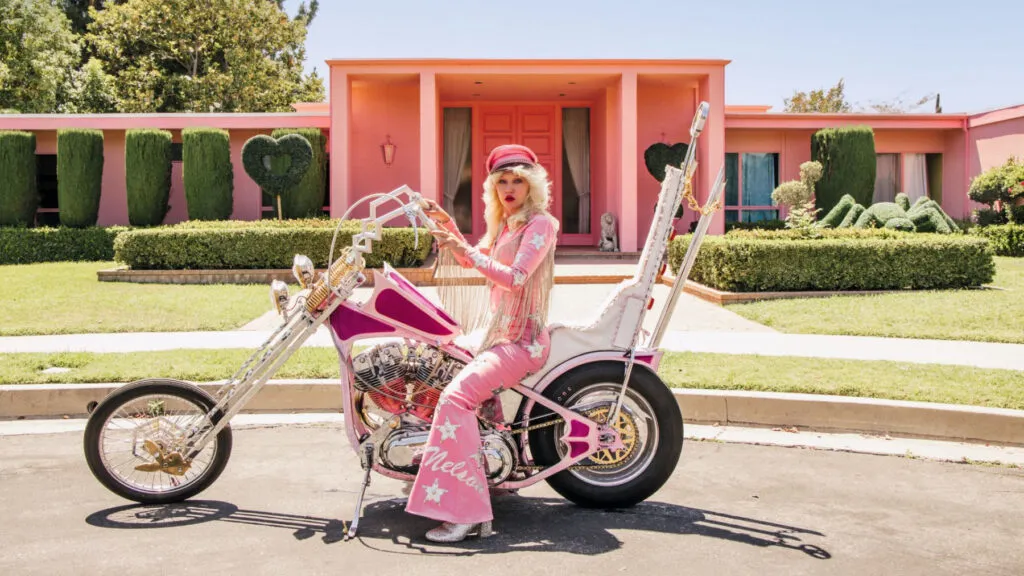
She did not decorate a house - she built a world. And behind all that fantasy there is no inheritance,...
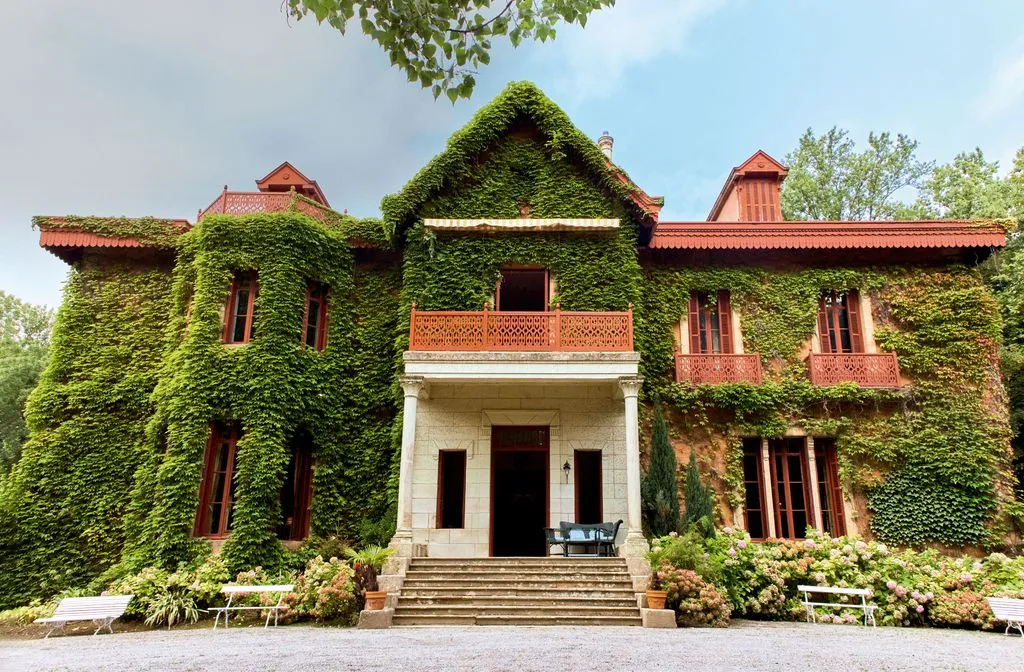
The stairwell has been turned into a gallery, and in the bedroom there is not a single attempt at an...

In the vast majority of flats the ceiling stays white because that is how it was found - not because...
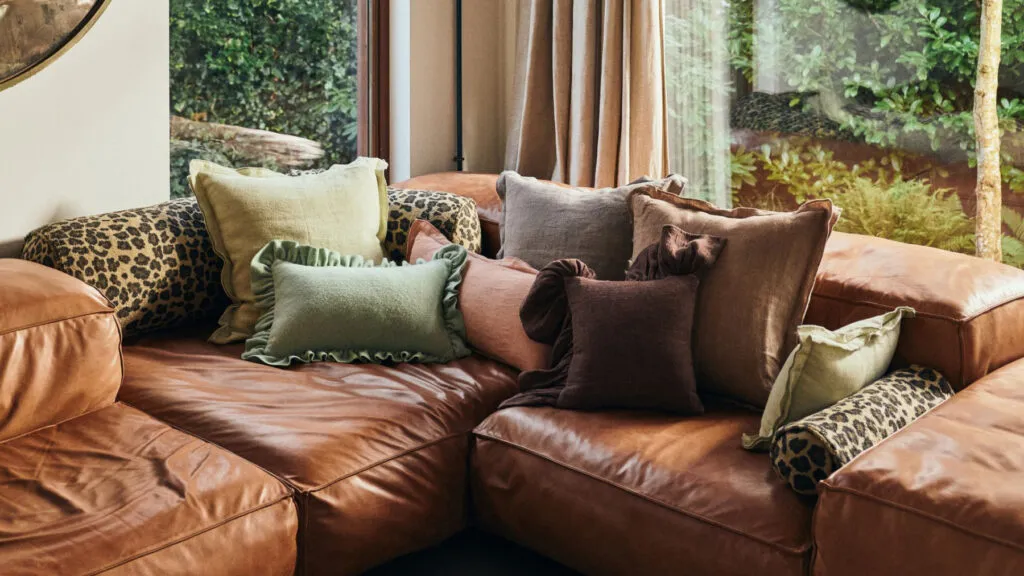
It is not hoarding and it is not maximalism. Ten things that used to be hidden when guests came and...
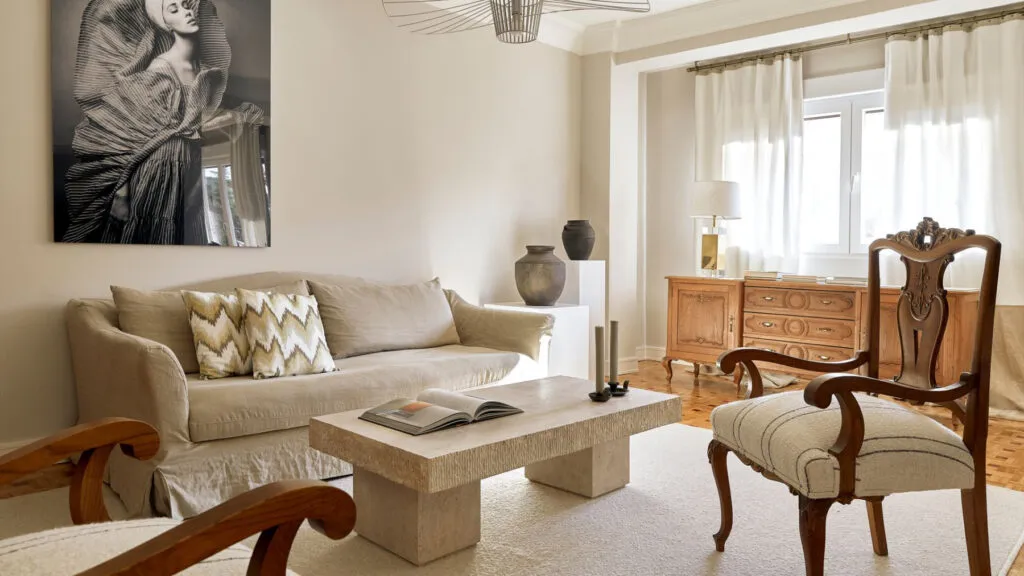
A bespoke console, reupholstered armchairs and wallpaper hung like art. The most expensive thing in the flat is the decision...
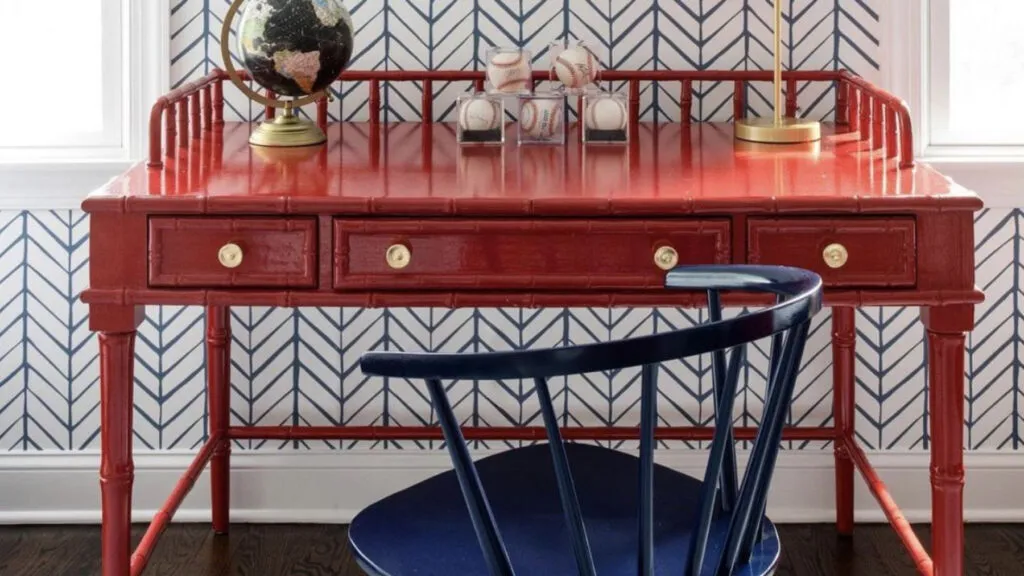
For years the rule was everything neutral and everything from the same collection. The result is a living room that...
This site uses cookies - is that okay? Learn more
Be the first to know when Metla launches something new
Leave your email and we will write when there is a new guide or something new on Metla.