
Skopje Taxi Drivers on the Verge of a Protest: Unlicensed Meters and Drivers Without Permits
18.06.2026


18.06.2026

18.06.2026

18.06.2026

18.06.2026

18.06.2026

18.06.2026
18.06.2026

18.06.2026
17.06.2026

18.06.2026

18.06.2026

18.06.2026

18.06.2026

17.06.2026

16.06.2026

18.06.2026

18.06.2026

18.06.2026

18.06.2026

17.06.2026
17.06.2026

09.03.2026

27.02.2026

19.02.2026

14.04.2026

07.11.2025
07.11.2025

23.04.2026

23.04.2026

12.04.2026

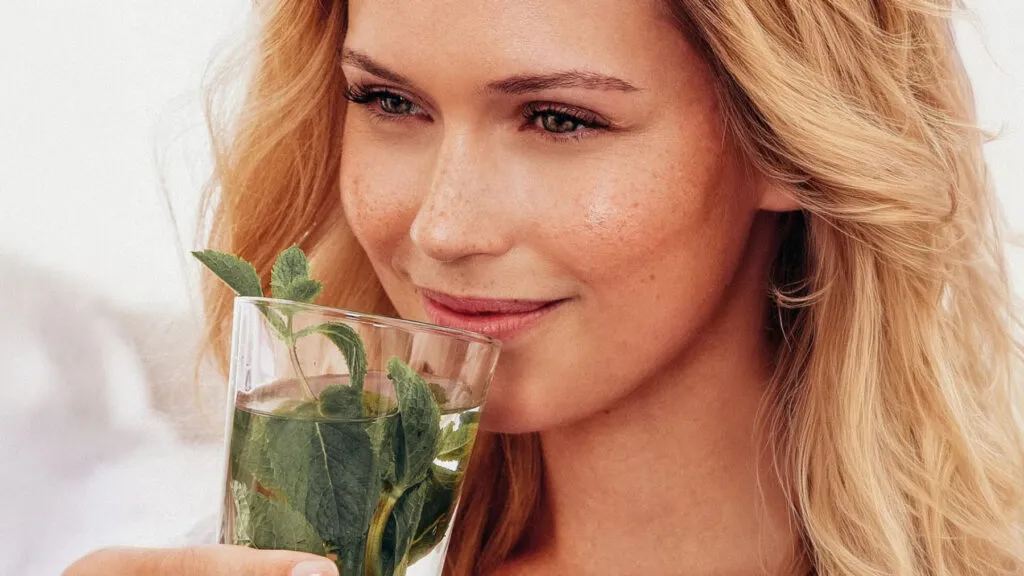
Our guts are the same as they were decades ago, but something has changed - more and more people eat enough, yet still lack nutrients. Nutritionist Fatima Hapon points out that the problem isn't digestion, but lifestyle, and breaks it down into four factors.
The first is the rise in diagnosed digestive problems - celiac disease, inflammatory bowel diseases, SIBO, gastritis - conditions that in some people really do reduce absorption. The second is the increased use of medications: so-called proton-pump inhibitors (omeprazole and similar) can interfere with the absorption of vitamin B12, iron, calcium and magnesium. A cure for one thing, a hole for another - the classic story of modern medicine.
The third factor is less sun. We spend more and more time indoors, and that leads to a widespread deficiency of vitamin D. The fourth - and perhaps the most important - is restrictive or unbalanced diets, plus more and more ultra-processed food that delivers calories but not vitamins, minerals and fiber.
"Many people have a diet rich in calories but poor in nutrients," says Hapon. A person who takes in 2,000 calories a day can still end up short on omega-3 if they don't eat enough oily fish. A simple but uncomfortable truth: a full plate doesn't mean a nourished body.
Experts note that the most common deficiencies are in vitamin D, magnesium, iron, zinc and omega-3. Supplements can help when tests show a deficiency - but they remain a supplement, not a substitute for a balanced diet and healthy habits. In other words, there's no pill that replaces what we've forgotten to eat.
The latest 10 news from this category
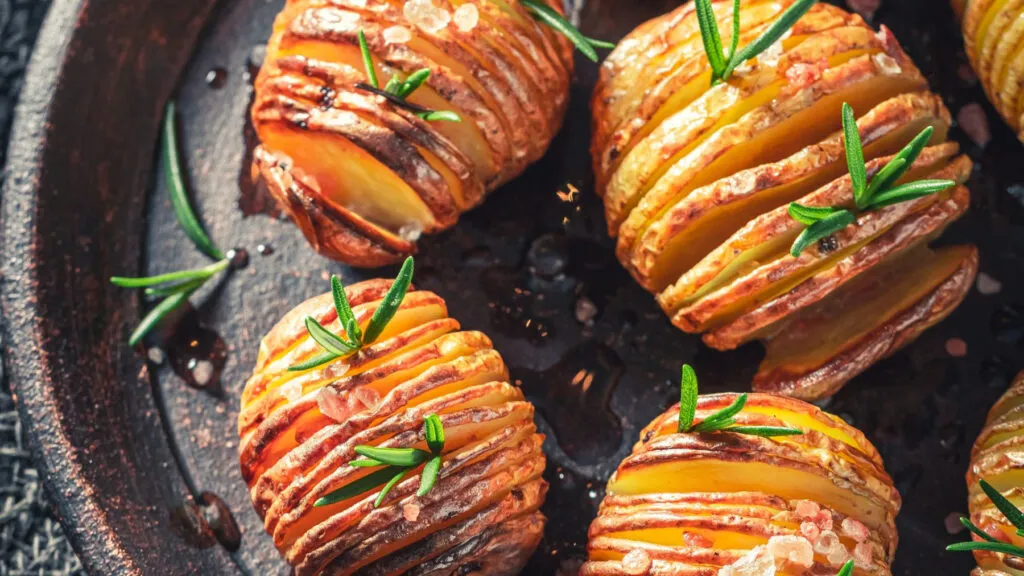
The whole secret isn't in the ingredients, but in a single move with the knife. A dish that looks like...
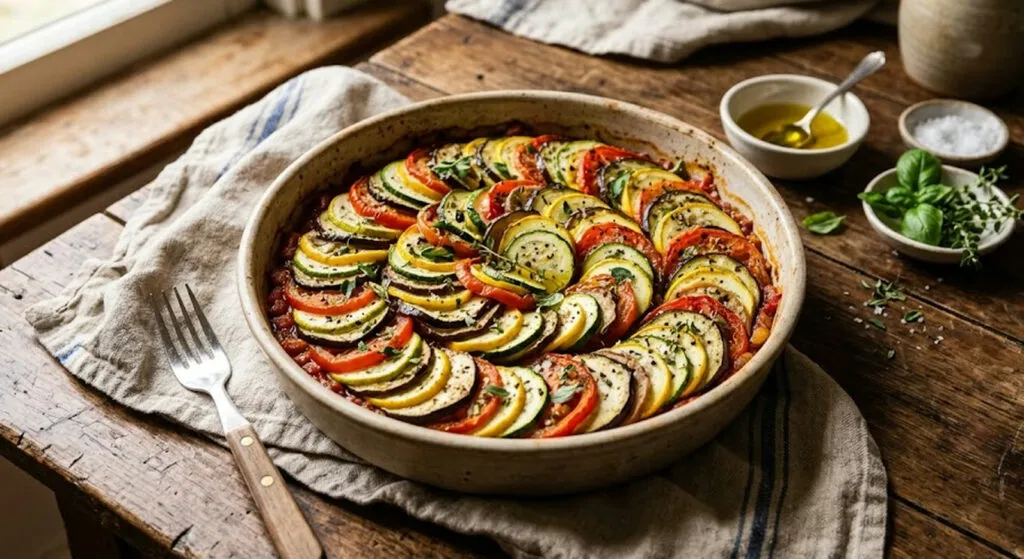
Proof that the best summer cooks the cheapest. Vegetables in a spiral, olive oil and patience - everything else is...
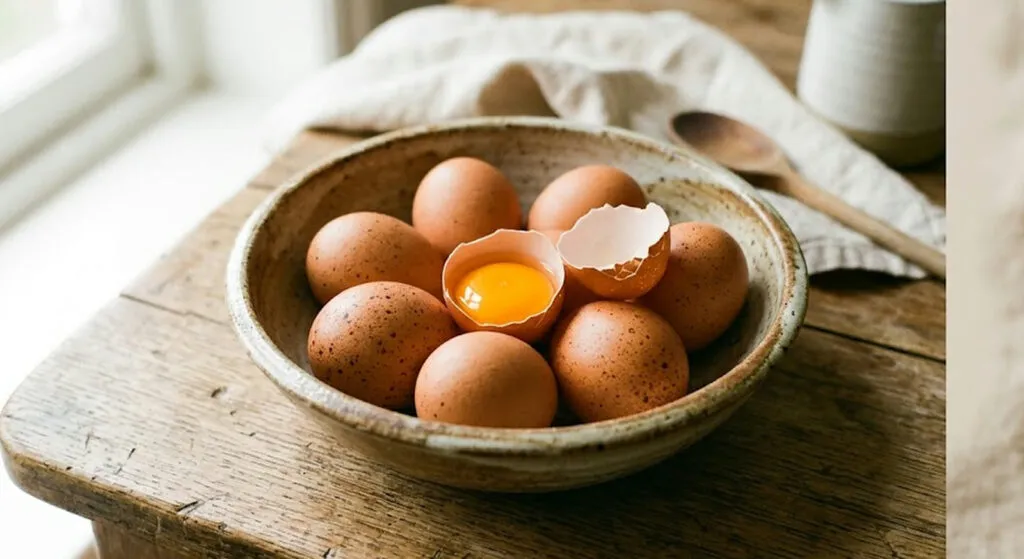
The fad of eating only egg whites sounds healthy, but it actually throws out the most nutritious part. A nutritionist...
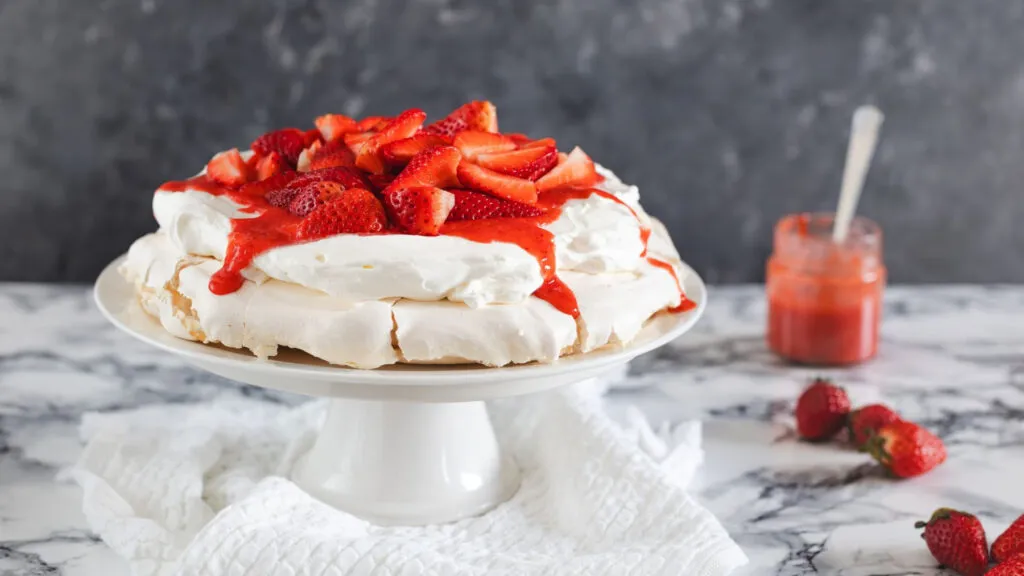
Crisp outside, soft inside - the secret isn't in the ingredients but in one minute of attention and in not...

A study of tens of thousands of people found that the credit goes not to caffeine but to polyphenols. But...
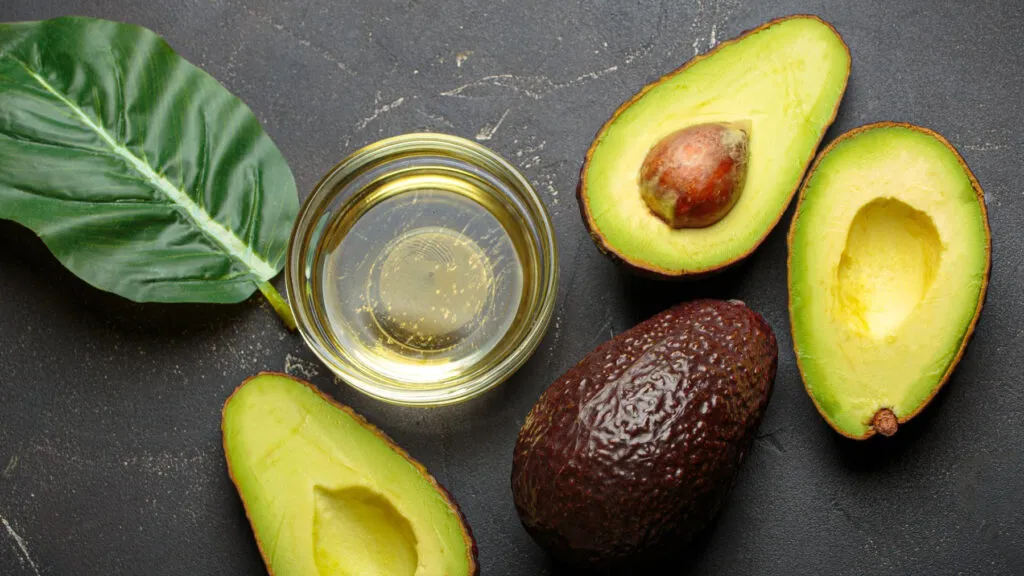
Half an avocado in the fridge until tomorrow is almost always for the bin - but it doesn't have to...

It behaves more like a hormone than a vitamin. But it's no miracle in a bottle - measure before you...
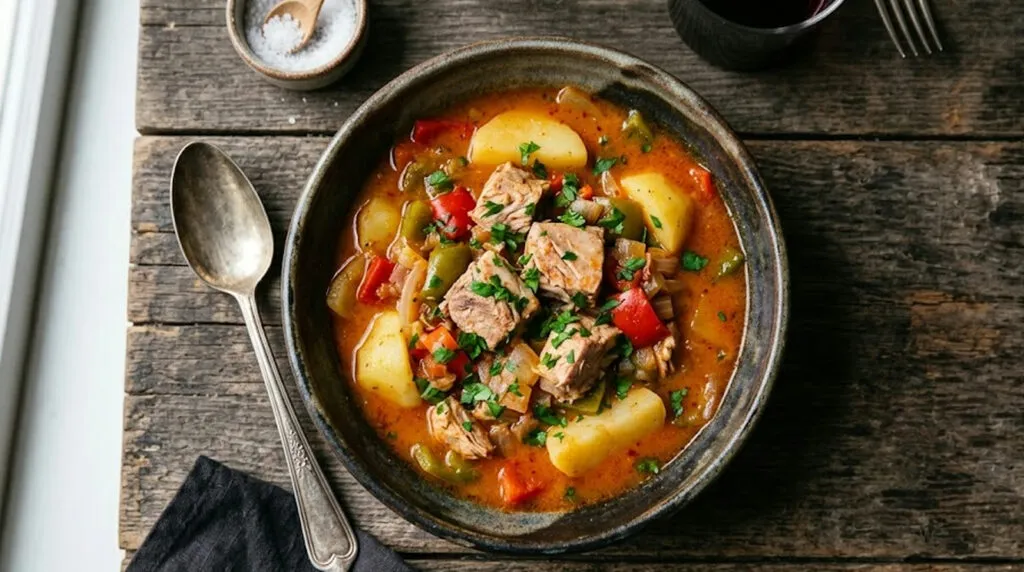
A dish born on a fishing boat that stuck around because it is delicious. The tuna goes in last -...

The feeling before a big moment is not in your head - it starts in the gut and works upward....
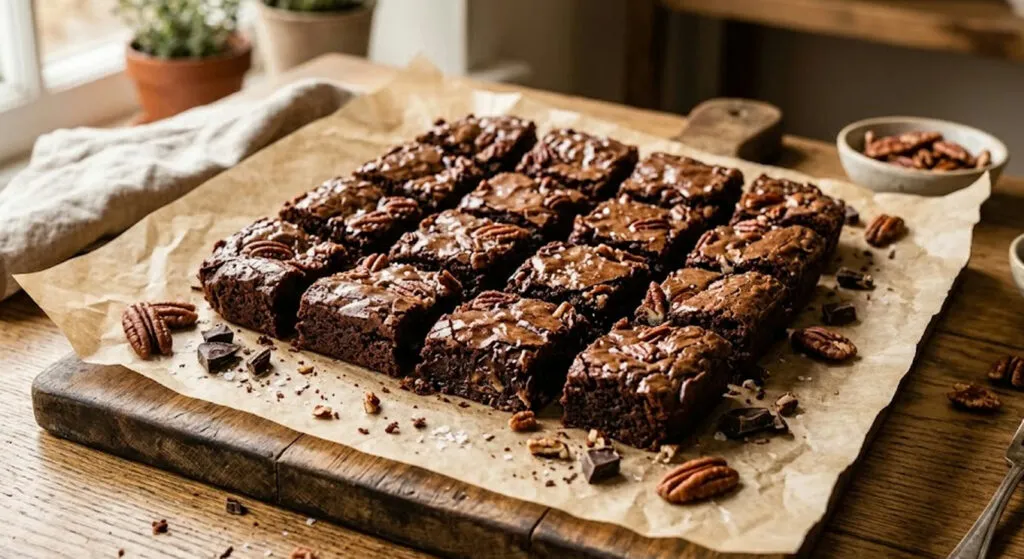
Two top Spanish pastry chefs argue over the most ordinary chocolate cake - and the real difference is made by...