
Parents of Those Killed in the "Puls" Fire: With Over 200 Witnesses, the Defence Is Dragging Out the Trial
22.11.2026


22.11.2026

22.11.2026

22.11.2026

22.11.2026

22.11.2026

22.11.2026

22.11.2026

22.11.2026

22.11.2026

22.11.2026
22.11.2026

21.11.2026

22.11.2026

22.11.2026

22.11.2026

22.11.2026

21.11.2026

20.11.2026

22.11.2026

21.11.2026

20.11.2026

22.11.2026

22.11.2026

20.11.2026

22.11.2026

22.11.2026

21.11.2026

23.04.2026

23.04.2026

12.04.2026


Every autumn some old habit gets new packaging. This year it's bone broth. Spanish model Ariadne Artiles links it to better skin, stronger bones and a stronger immune system, and some places already sell it as a takeaway for as much as six euros. Grandmothers made it out of whatever was left in the kitchen. The question is how much of the new promises actually holds up.
Dietitian-nutritionist Antonio Zoido is blunt: the collagen we eat doesn't necessarily reach the tissues we want to improve. There are no controlled clinical trials in humans proving that bone broth improves skin, bone density or joint pain.
That doesn't make it useless. According to Zoido, the broth provides fluids and a little protein, so it can help older people with a poor appetite or during recovery from illness. But the amount of amino acids depends heavily on how it's made, and the calcium and magnesium it provides are modest.
Nutritionist Elisa Blázquez recommends it as a light food the body tolerates well, if it's made with little fat. She notes that peptides have been detected in people's blood after they consumed hydrolysed gelatine, but nobody knows how much of that ends up in the skin, bones or joints.
Both experts agree on what actually works: a varied diet, exercise, sun protection, no cigarettes and enough sleep. Boring, but true. If you buy ready-made broth in a pack, check how much salt is in it. If you make it at home, simmer it slowly.
Artiles also shares her trick: she roasts the bones in the oven first and only then simmers them. Into her broth go veal bones, chicken feet, vegetables, ginger and apple cider vinegar. Tasty? Probably. A miracle for your skin? For now, only the marketing says so.
The latest 10 news from this category

"What will people say?" The Balkans know that sentence by heart. Coach Sara Manzaneque offers two tools so that other...
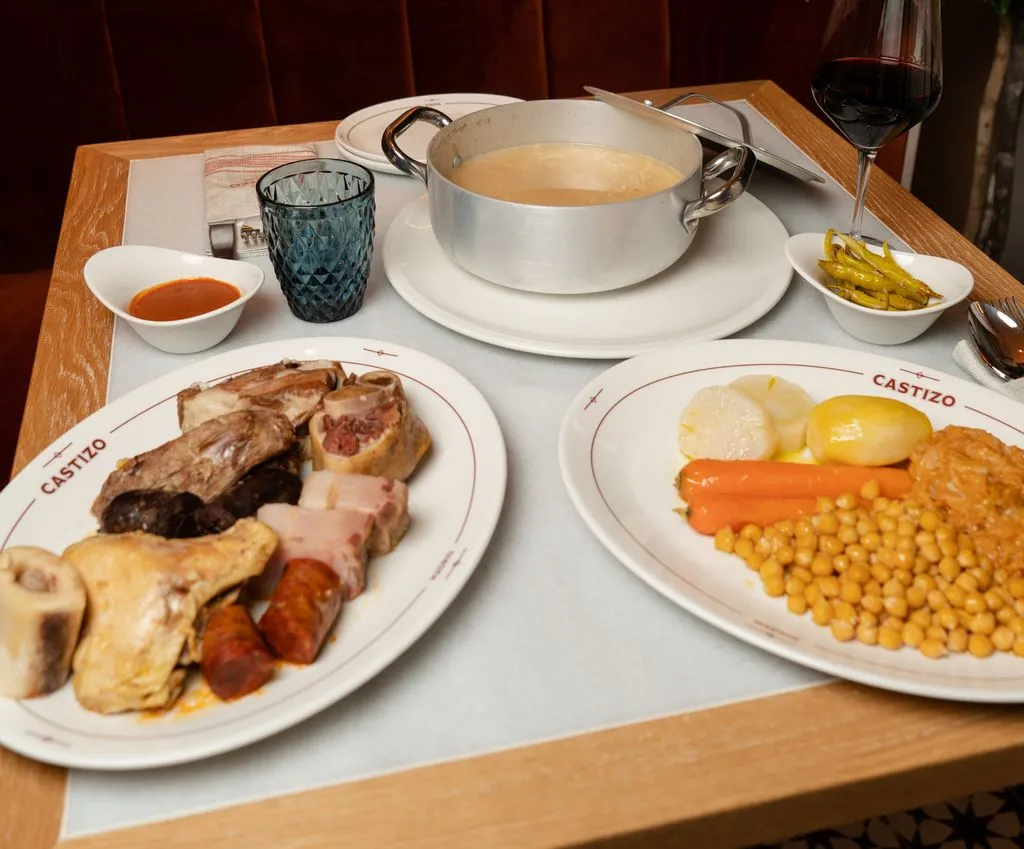
A recipe from a Madrid restaurant that serves cocido every day: soup, chickpeas and meat in three courses, plus a...

Peasants came up with it so as not to waste a single crumb of bread. Today Tuscan restaurants serve it,...

Comparison is an old survival mechanism, and we feed it by endlessly scrolling through other people's best moments. A therapist...
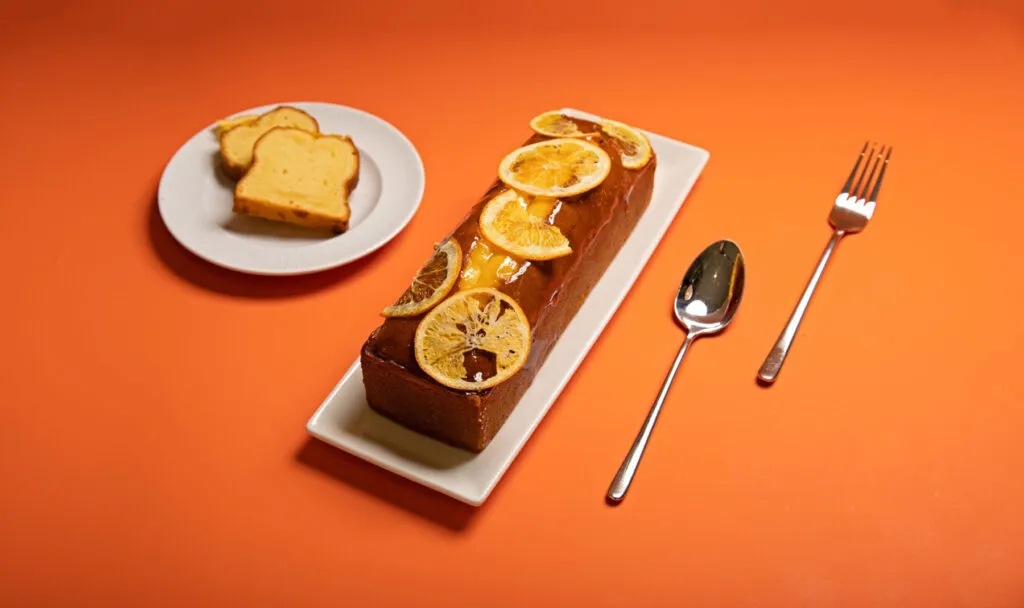
Mandarins are in season, and in a cake they work better than you think. The secret is moisture: if you...

More than 20,000 people signed up for the Barcelona race. A first-timer describes her training, her coach's advice and why...
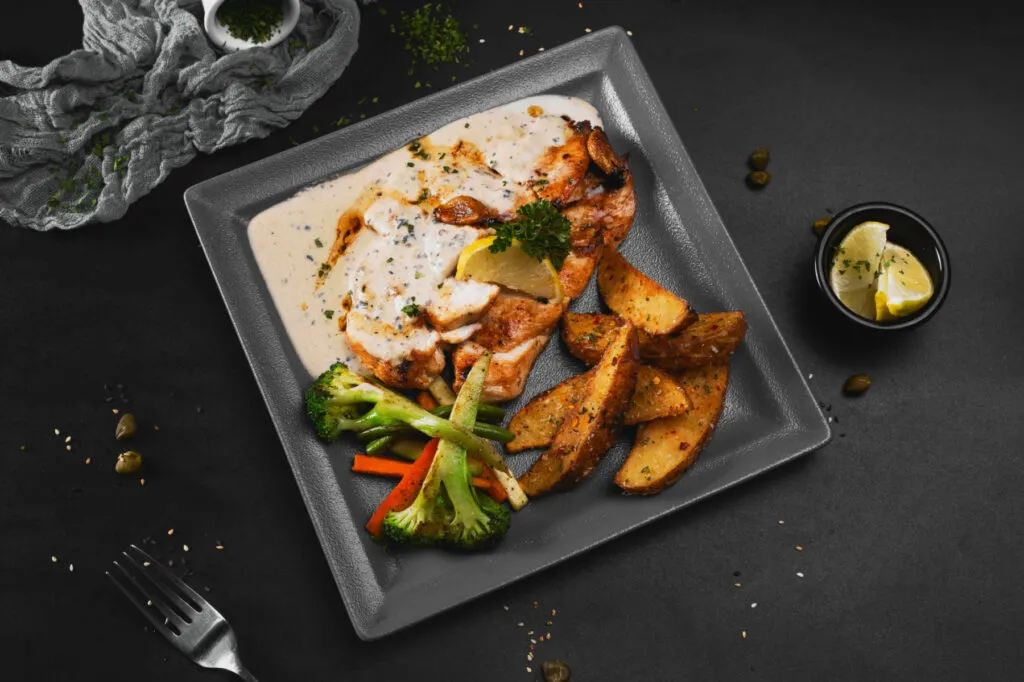
It got its name from a producer who tasted it on camera and said he'd marry for that chicken. The...

In adults, about 8% shorter illness; in children, up to 14%. The rest of your defences are built in the...

Chestnuts can do more than fill a paper bag on the street corner. A little sugar, caramel and patience in...

After the protein craze, it's fibre's turn. The experts' list is surprisingly ordinary, and in a kitchen where baked beans...
This site uses cookies - is that okay? Learn more
Be the first to know when Metla launches something new
Leave your email and we'll write to you when there's a new guide or something new on Metla.