Каснат од улично куче? Лекувањето е само почеток – без опис и фотографија од животното, пријавата може да падне како неоснована
13.11.2026


13.11.2026

13.11.2026

13.11.2026
13.11.2026

13.11.2026

13.11.2026
13.11.2026

12.11.2026

12.11.2026
13.11.2026

13.11.2026

12.11.2026
13.11.2026
13.11.2026

13.11.2026
13.11.2026

12.11.2026

11.11.2026

13.11.2026

12.11.2026

11.11.2026
13.11.2026

13.11.2026
12.11.2026

12.11.2026

11.11.2026

11.11.2026

23.04.2026

23.04.2026

12.04.2026

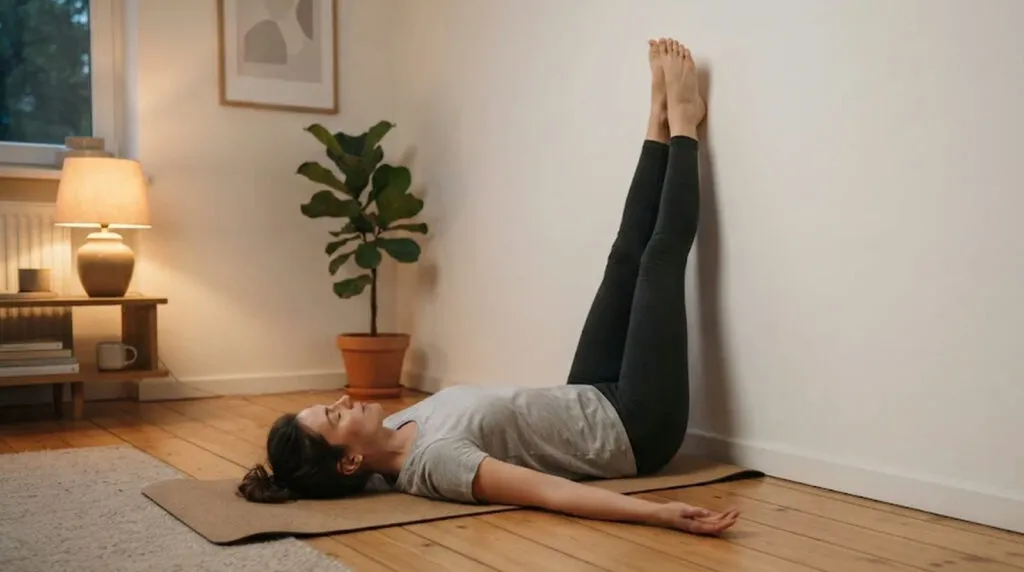
A long day in a chair or on your feet, you get home, lie on the floor and put your legs up the wall. Plenty of people do it purely on instinct, when their ankles swell and their legs feel heavy as lead. And there is a physiological reason why it helps. But the internet often sells this as a "vein detox", while physiotherapist and personal trainer Víctor Jiménez Aransay says something far more modest - and therefore more believable.
What actually happens
Blood that has reached your feet has to get back to your heart, against gravity. The body has two tools for that: the valves in the veins and the leg muscles, especially the calves, which push blood upwards every time they contract. When you sit or stand for hours, those muscles barely work - which is why your legs swell and feel heavy by evening.
When your legs are above the level of your heart, gravity starts working for you. "Rather than an exercise, I see this as a temporary strategy to make it easier for venous blood to return in people who tend to retain fluid in their legs," Jiménez Aransay explains. The pose can slightly reduce swelling and the feeling of heaviness, especially at the end of the day. And then comes the sentence you rarely hear: "That doesn't mean it treats a circulatory problem or permanently improves circulation."
How to lie down
Lie on your back, bring your bottom close to the wall and lift your legs until they rest against it. How close depends on how flexible you are. "It's important for the legs to be straight, but without the hamstrings pulling too much, and without forcing the knees or the lower back," the physiotherapist says. So your bottom doesn't have to be glued to the wall. If you feel tightness behind the knees or in your back, shuffle away a little and bend your legs. Let your arms rest loosely beside your body and keep your breathing calm. The pose should feel pleasant, never like effort.
How long
Start with three to five minutes and gradually work up to ten. There's no exact number. "As with everything in life, each case should be looked at individually," says Jiménez Aransay. Longer doesn't mean better: if you're comfortable, stay a few minutes and get up.
You can do it in bed too. If your bed is against a wall, the pose is almost the same. Another option is to lie on your back and put pillows under your calves, so your feet are above your heart while your knees and back stay relaxed.
When to be careful
If you feel pain or tingling in your legs, stop. People with uncontrolled high blood pressure, glaucoma, or heart or kidney disease should talk to a doctor first. And if swelling appears suddenly, is in only one leg, or comes with pain and redness, that's not a job for the wall but for a doctor - a problem with the blood vessels needs to be ruled out.
No pose wipes out long hours in a chair. Regular walking, short movement breaks and rolling your ankles and calves are worth more than any trick. But after a hard day, five minutes with your legs up the wall is a small, free relief - just know that it's relief, not a cure.
The latest 10 news from this category
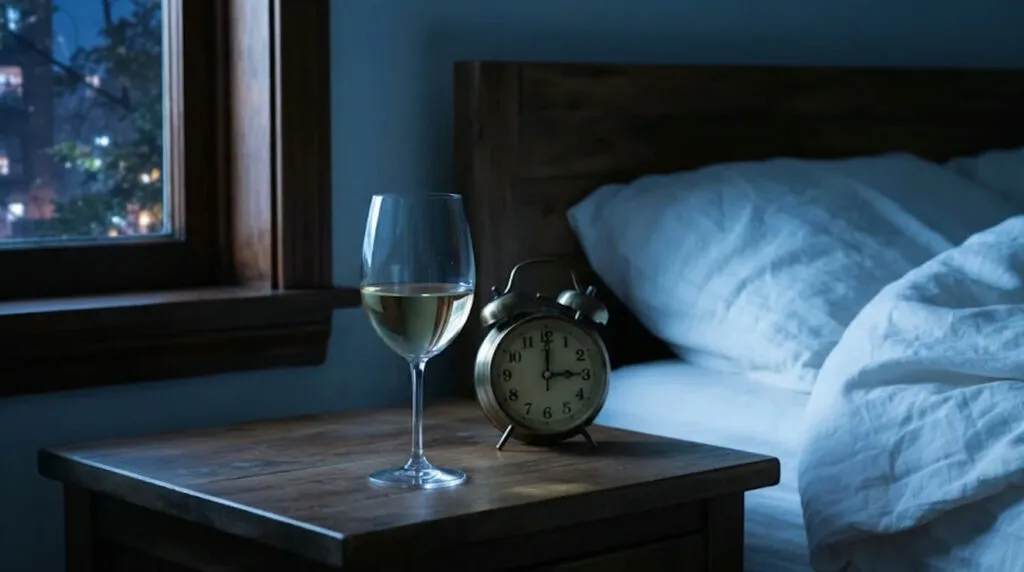
Ако една чаша вино ти носи лош сон и подуено утро, не си измислуваш. Гинеколози објаснуваат што прави алкохолот со...

Лепче на пареа, кастилјанско јагнешко, песто од пињоли и пепел од шитаке. Вака изгледа тапата што меѓу 45 готвачи ја...

A recipe born from the rule that you never throw bread away. Spain turned it into a winter classic, and...

No machines and no hour at the gym. Eight to ten step-ups per leg, two or three sets, and the...

A dish born from cheap ingredients and potatoes left over from lunch. It is made in a frying pan, and...
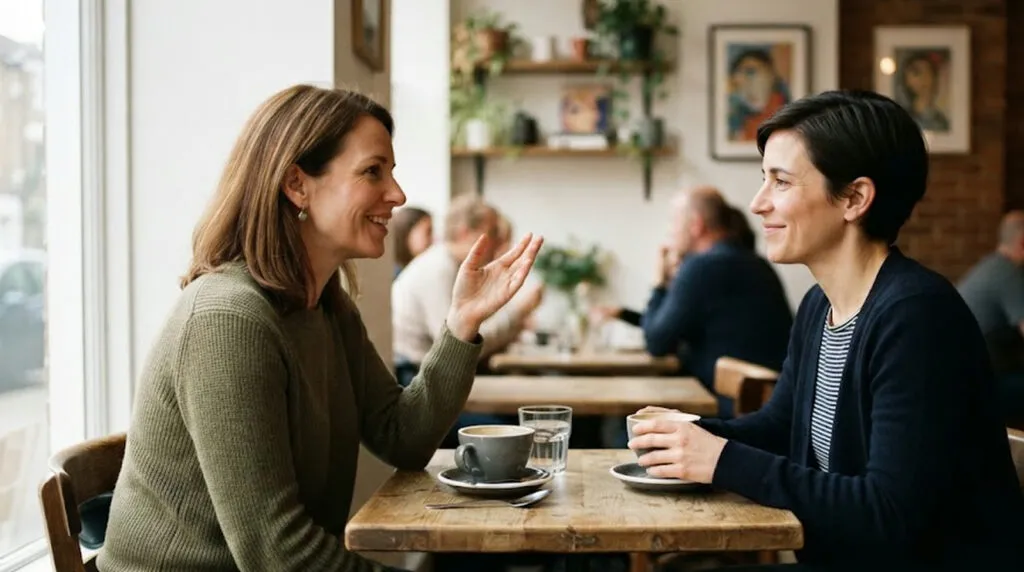
In a 1980 experiment, people who nodded while listening later agreed more with the message. A nod isn't always an...

Bittor Arginzoniz is self-taught and cooks over embers, with a different wood for every ingredient. In an age of tweezers...

He goes to bed around 2 am, gets up around 10 and walks up to 12 kilometres a day. This...
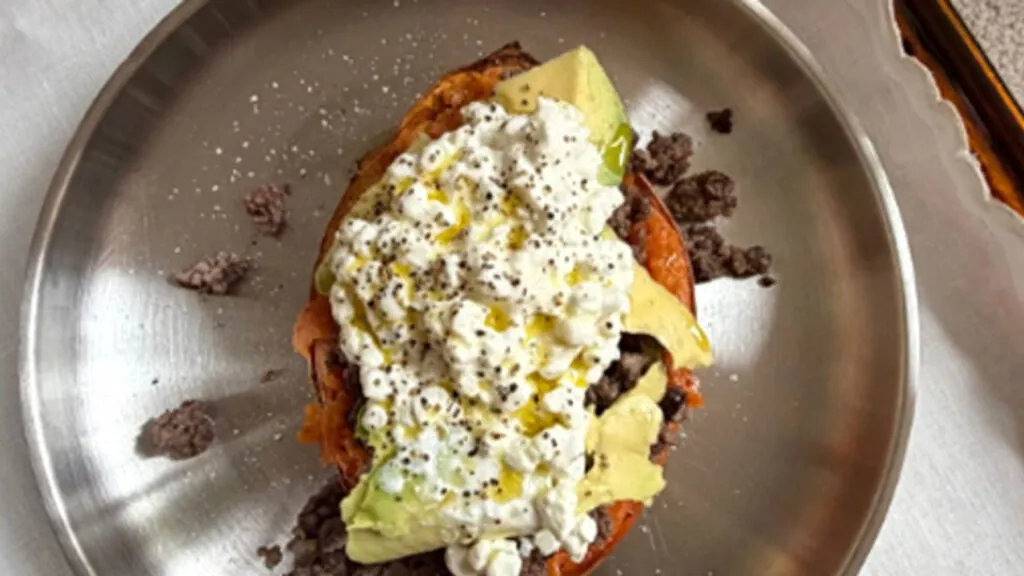
"This is the dish I repeat most during the week," says the Spanish designer. The recipe is simple, and the...
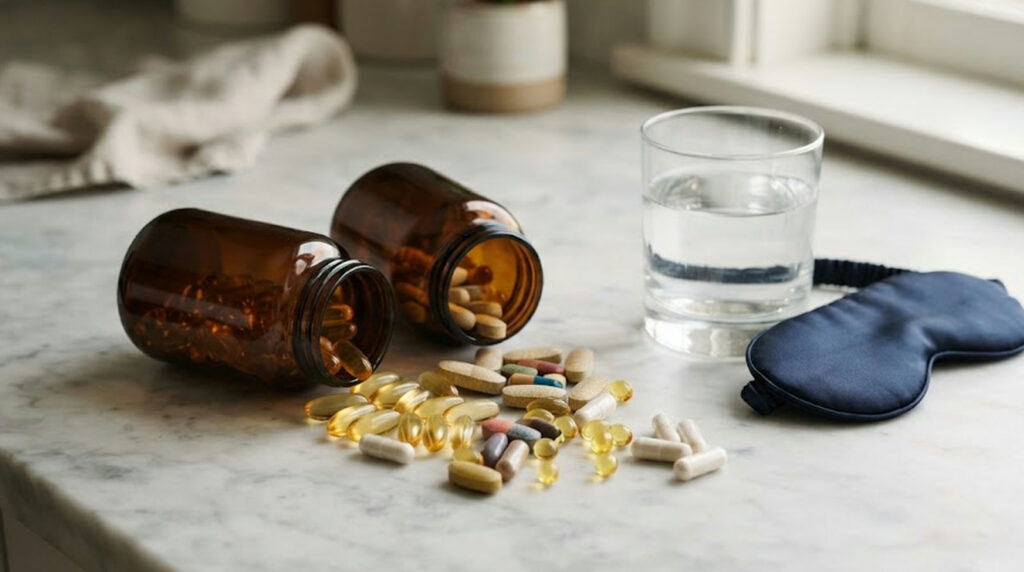
Three longevity doctors say more pills don't mean better results. The best "supplements" aren't sold in pharmacies: sleep, movement and...
This site uses cookies - is that okay? Learn more
Be the first to know when Metla launches something new
Leave your email and we'll write to you when there's a new guide or something new on Metla.