
140 милиони денари незаконски наплатени( меѓу народот познато украдени )
26.11.2026


26.11.2026

26.11.2026

26.11.2026

26.11.2026

26.11.2026

26.11.2026

26.11.2026

25.11.2026

24.11.2026

26.11.2026

26.11.2026
25.11.2026

26.11.2026

26.11.2026

26.11.2026

26.11.2026

25.11.2026

24.11.2026

26.11.2026

25.11.2026

24.11.2026

24.11.2026

23.11.2026

23.11.2026

23.04.2026

23.04.2026

12.04.2026

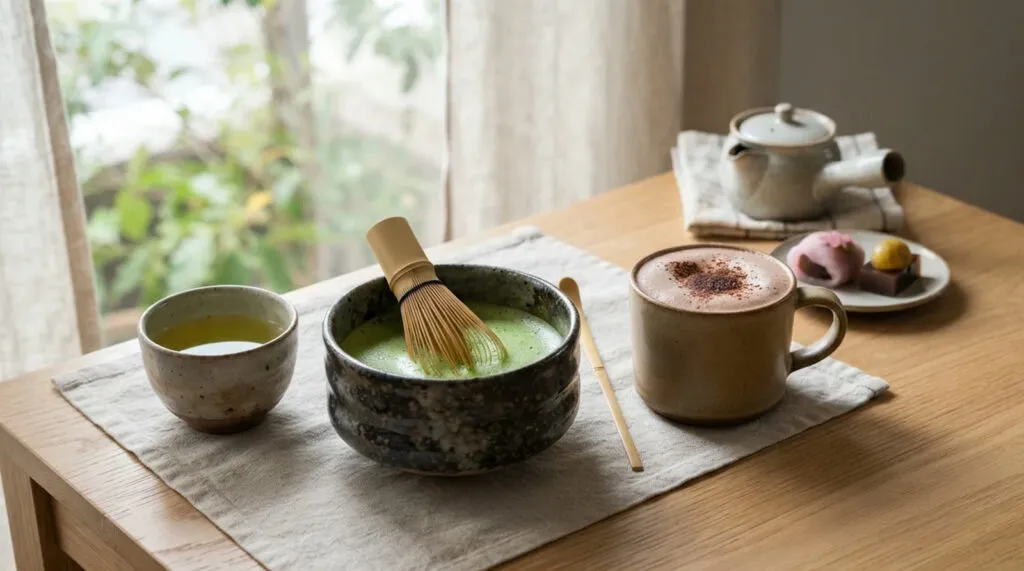
Matcha in a plastic cup on the street has become a fashion statement. Nutritionist Elisa Blázquez has less comfortable news for those who drink it on the go: what you drink matters, and so does how you drink it. According to her, there is a close link between how we eat, the nervous system and how we feel.
Morning: green tea or matcha. Both are rich in catechins, especially EGCG, which has an antioxidant effect. But the key is the combination of caffeine and L-theanine, an amino acid that, together with caffeine, can help attention and concentration, so you feel alert and focused. How much it works depends on how sensitive you are to caffeine.
Noon: pure cocoa. It's rich in flavanols, a group of polyphenols that can support blood vessel function and healthy circulation. It also contains theobromine, a mild stimulant, and minerals such as magnesium. Her suggestion is cocoa with milk or a plant-based drink, no added sugar, a little cinnamon, warm and creamy. But how many flavanols you actually get depends a lot on how the cocoa has been processed. The hot chocolate powder off the supermarket shelf is not the same thing.
Evening: "golden milk". Milk or a plant-based drink with turmeric, cinnamon and a little ginger, or a caffeine-free tea. Curcumin from turmeric has been studied for its antioxidant and anti-inflammatory properties, but Blázquez doesn't overstate it: its absorption is limited, and results from concentrated extracts can't be transferred directly to a mug at home. She considers the evening ritual the most important of the three.
There are warnings too. If you're sensitive to caffeine or struggle to fall asleep, matcha and green tea aren't her first choice. If you have a sensitive stomach, drink the teas with breakfast, not before it.
The most interesting part isn't the chemistry. The body, she says, needs to alternate activity with rest, and small daily rituals are the breaks we're missing. Preparing the drink slowly, smelling it, drinking it without looking at your phone - that's a simple exercise in mindfulness. Gulping from a plastic cup while you work is not the same as sitting down with a ceramic mug you like.
The message is the opposite of what the "superfood" industry sells: no drink works miracles, habits make the difference. And self-care shouldn't become one more item on the to-do list. Sometimes ten minutes with your favourite drink is enough. How many of us actually have those ten minutes without a phone in our hand?
The latest 10 news from this category

She got up without trouble, worked, stayed active. That's exactly the trap: the body gets used to running on reserve,...
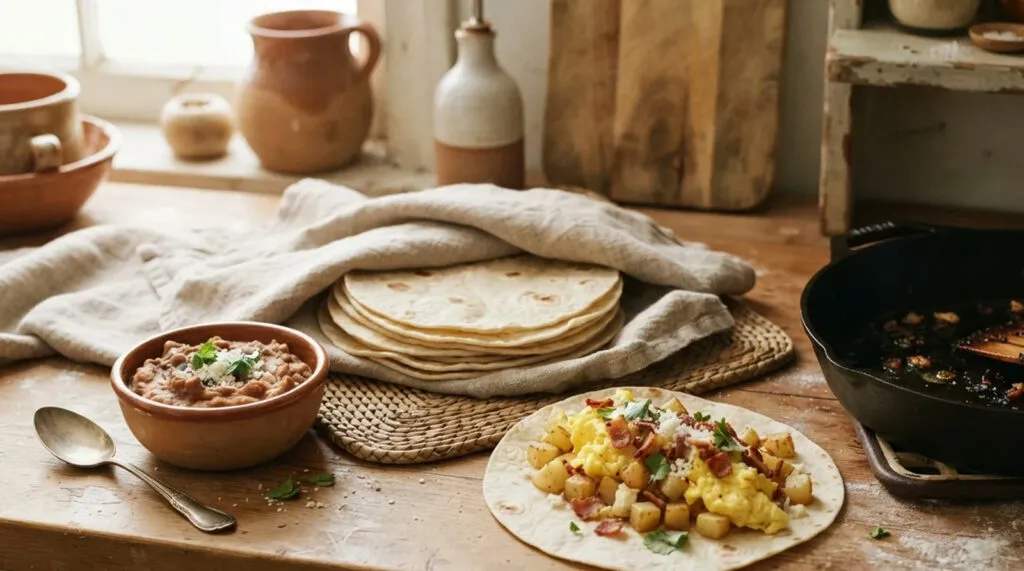
She has made them all her life and measures nothing. Worked out in grams, 125 grams of flour is enough...

Thanksgiving is tomorrow, and social media is full of pumpkin cake in the shape of a wreath. Grandma's pumpkin pie...

The course you dropped and the half-knitted scarf don't mean you're lazy. According to a psychologist, more often they mean...

Five days before the election in which she heads a list in Madrid, Miriam González Durántez has a recipe older...
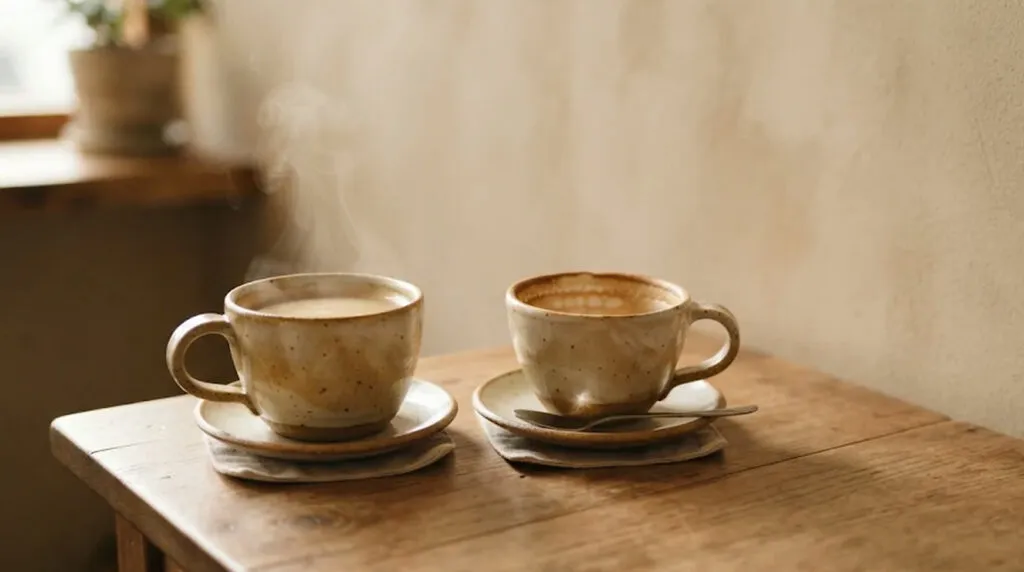
One texts all day, the other just shows up when it counts. Psychologists say that's fine, as long as nobody...

The fridge looks like a smart solution, but it's actually the fastest route to hard bread. What to do instead,...

"What will people say?" The Balkans know that sentence by heart. Coach Sara Manzaneque offers two tools so that other...

A recipe from a Madrid restaurant that serves cocido every day: soup, chickpeas and meat in three courses, plus a...

Grandmothers made it for the sick and for Sunday lunch. Now models credit it with miracles for skin and bones,...
This site uses cookies - is that okay? Learn more
Be the first to know when Metla launches something new
Leave your email and we'll write to you when there's a new guide or something new on Metla.