

Kriva Palanka: 104 Police Reports Against the Family with the Cows - and Now a Woman with a Broken Leg
24.11.2026


24.11.2026

24.11.2026

24.11.2026

24.11.2026

24.11.2026

24.11.2026

24.11.2026

23.11.2026

22.11.2026
24.11.2026
24.11.2026

23.11.2026

24.11.2026
24.11.2026

24.11.2026

24.11.2026

23.11.2026

22.11.2026

24.11.2026

23.11.2026

22.11.2026

24.11.2026

23.11.2026

23.11.2026

24.11.2026

23.11.2026

23.11.2026

23.04.2026

23.04.2026

12.04.2026


Photo: Eva Bronzini Pexels, Pexels License
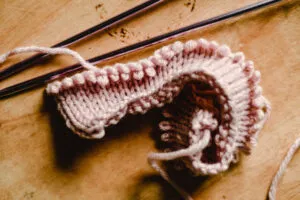
A diet that lasted three days. An English course paid for a whole semester and attended until October. A half-knitted scarf in the drawer. Almost everyone has at least one list like this, and almost everyone thinks they are the problem.
Psychologist María Domínguez Santos, clinical director of the Mential centre, says the cause is rarely character. Most of the time it comes down to three things: motivation fades, the task is badly organised or too big to start, and the unpleasant emotions that come with the goal become hard to carry.
She distinguishes between small everyday tasks left unfinished and long-term personal or professional projects. And she stresses that circumstances, the stage of life, emotional state and the psychological resources a person has at a given moment all shape behaviour. In other words, not finishing something doesn't say who you are.
Enthusiasm at the start is deceptive. The new is exciting, but once the novelty fades and the effort grows, motivation drops. That is where perfectionism comes in: if you expect failure in advance or set yourself impossibly high demands, it is easier to put things off or give up than to do something "good enough".
Her advice is less romantic but more usable:
And one more thing every perfectionist should read twice: progress is rarely a straight line, and one missed day doesn't erase what has already been done. "We people are not our behaviours, but beings who do things," says Domínguez Santos. Maybe the hardest part isn't starting over, but allowing yourself to start imperfectly.
The latest 10 news from this category

Five days before the election in which she heads a list in Madrid, Miriam González Durántez has a recipe older...

One texts all day, the other just shows up when it counts. Psychologists say that's fine, as long as nobody...

The fridge looks like a smart solution, but it's actually the fastest route to hard bread. What to do instead,...

"What will people say?" The Balkans know that sentence by heart. Coach Sara Manzaneque offers two tools so that other...

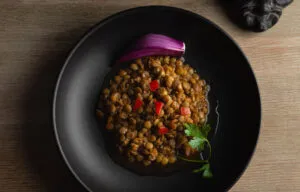
A recipe from a Madrid restaurant that serves cocido every day: soup, chickpeas and meat in three courses, plus a...

Grandmothers made it for the sick and for Sunday lunch. Now models credit it with miracles for skin and bones,...

Peasants came up with it so as not to waste a single crumb of bread. Today Tuscan restaurants serve it,...

Comparison is an old survival mechanism, and we feed it by endlessly scrolling through other people's best moments. A therapist...
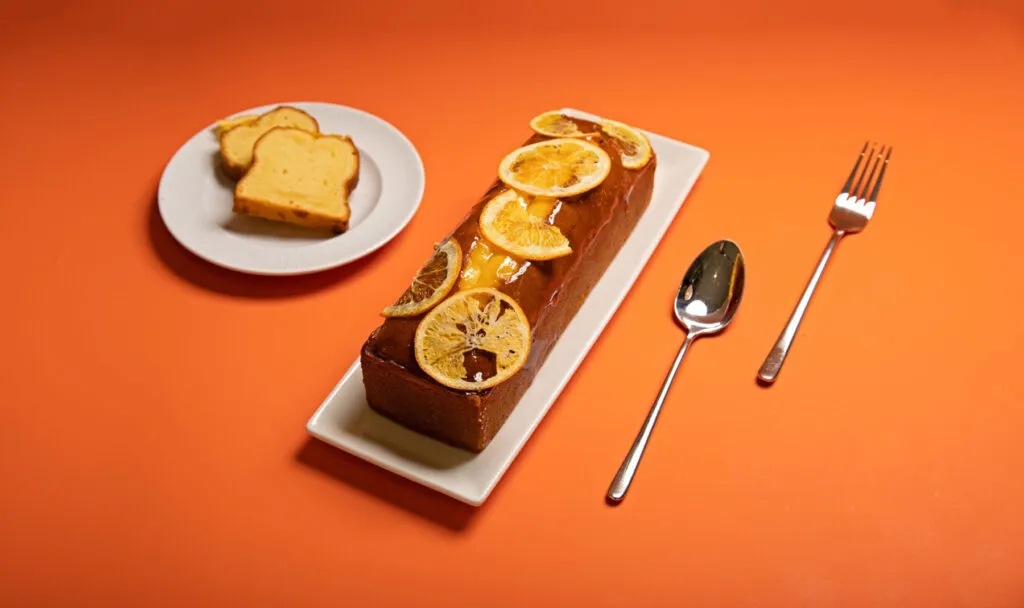
Mandarins are in season, and in a cake they work better than you think. The secret is moisture: if you...

More than 20,000 people signed up for the Barcelona race. A first-timer describes her training, her coach's advice and why...
This site uses cookies - is that okay? Learn more
Be the first to know when Metla launches something new
Leave your email and we'll write to you when there's a new guide or something new on Metla.





