Ohrid man beat his girlfriend unconscious, and his mother, a former head of the anti-corruption commission, reports her father
16.11.2026


16.11.2026

16.11.2026

16.11.2026

16.11.2026

16.11.2026
16.11.2026

16.11.2026

15.11.2026

15.11.2026

16.11.2026

16.11.2026

15.11.2026

16.11.2026

16.11.2026

16.11.2026

16.11.2026

15.11.2026

14.11.2026

16.11.2026

15.11.2026

14.11.2026

16.11.2026

16.11.2026

15.11.2026

16.11.2026

15.11.2026

15.11.2026

23.04.2026

23.04.2026

12.04.2026

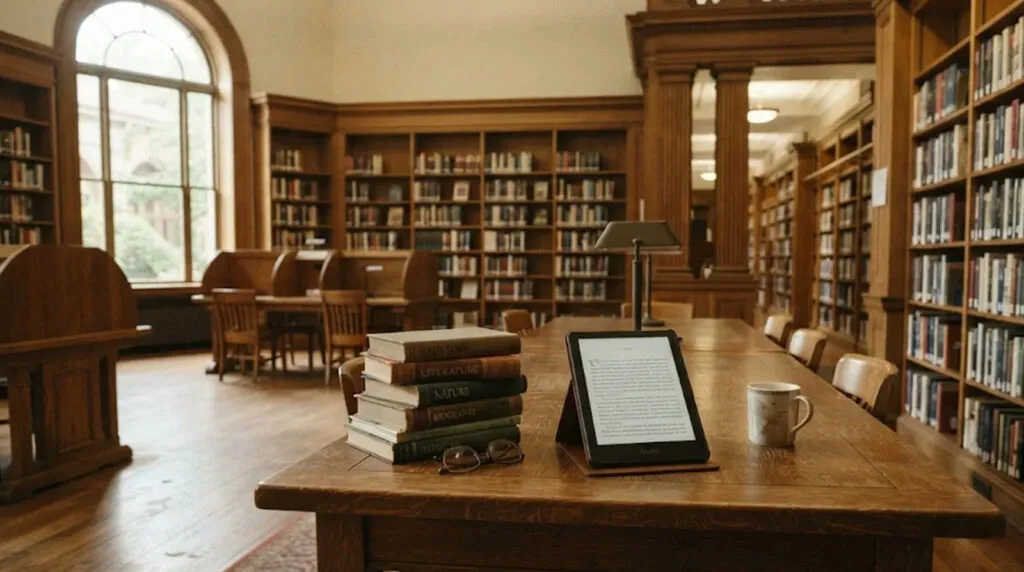
When you buy an e-book, you usually aren't buying a book. You're buying a licence - permission to read, which the publisher can change or withdraw whenever it wants. There have been cases where e-books were altered or deleted from readers' devices long after they'd been paid for. The online culture magazine Flaming Hydra is now raising money on Kickstarter with an idea that sounds almost old-fashioned: the library buys the book, and the book stays the library's.
Editor-in-chief Maria Bustillos was already writing in 2020 about the systems that govern e-books in libraries and schools. One of her examples: instead of buying the book, a school had to pay $27 (about 24 euros) per student per year for ongoing access to "The Diary of Anne Frank". And again every single year, for a "Diary" that never became theirs. "E-books are books," says Bustillos. "They're not something else. People and libraries should be able to own them."
Her test for ownership is simple: "If you depend on someone who can switch off your book, you don't own it." For one book that might not seem terrible, she admits. But when it comes to all the textbooks and all the books, the problem is real. If a whole generation's required reading sits on somebody's server, who decides what stays available?
The campaign is called The Phoenix Project, with the motto "restoring the human internet", and it supports three things: a one-off print magazine dedicated to the early internet, a new e-book service for libraries, and a programme that brings paid newsletters to libraries. Libraries will be able to genuinely buy e-books and lend them to members through Lenny for Libraries, an open-source system conceived as a "library in a box". The start is modest: five new e-books from Flaming Hydra's authors, including collections of pieces from The Awl and essays by Tom Scocca and by Bustillos herself.
The second part, The Phoenix Foundry Archive, targets newsletters. Much of today's best journalism, criticism and essay writing comes out in paid newsletters that libraries - and the Internet Archive - can't access. Authors, for now those using Ghost, will be able to sell subscriptions to libraries, the way a newspaper does. The system will automatically turn selected pieces into EPUB files and send them out for lending. Bustillos also ties this to artificial intelligence: one of the magazine's writers found countless AI clones of his book on Amazon. "AI is not some unstoppable force," she says. If there are networks devoted to the human internet, readers will know where to go.
The goal is $30,000 (about 27,000 euros), and the campaign runs until 27 November. The project has so far been backed by Brewster Kahle, founder of the Internet Archive, and Paul Ford, but Bustillos is now relying on readers instead of a big investor. "We don't have to depend on anyone, and that also protects editorial independence," she says. The fight over who owns a digital book is being waged in American libraries. Is anyone back home in the Balkans even asking who owns the e-books in our schools?
The latest 10 news from this category
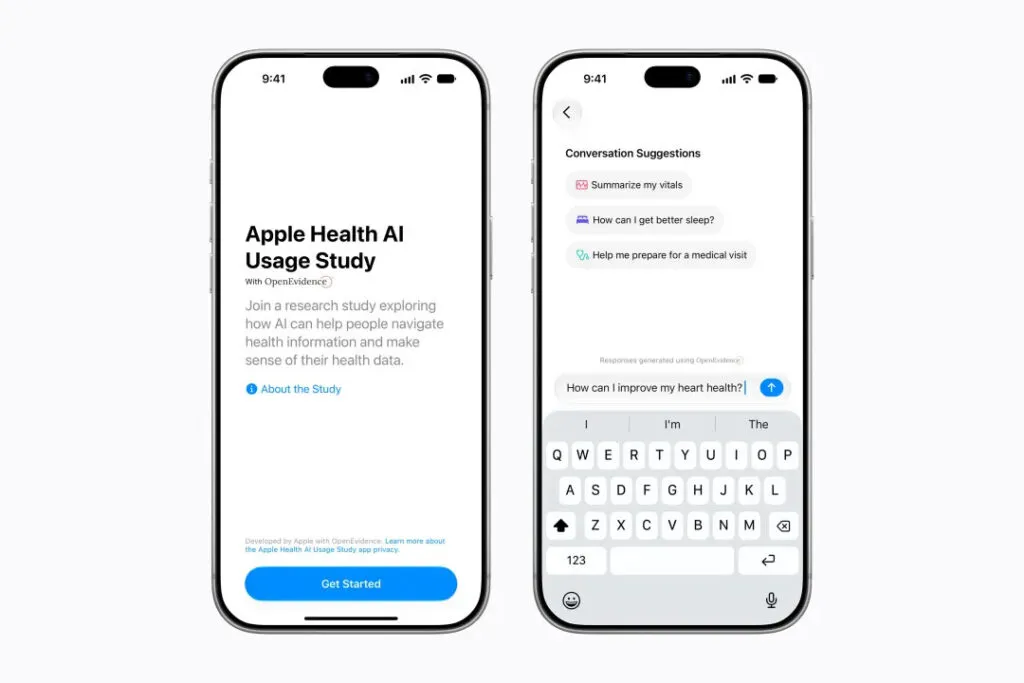
According to OpenAI, people already ask more than 300 million health questions a week. Apple isn't chasing them with yet...

The cable company, the driver's licence office, the restaurant that won't take online bookings: Meta's AI agent now makes the...

An AI model company got breached, and Uber's drivers paid for it: their driving licences were sitting with a company...
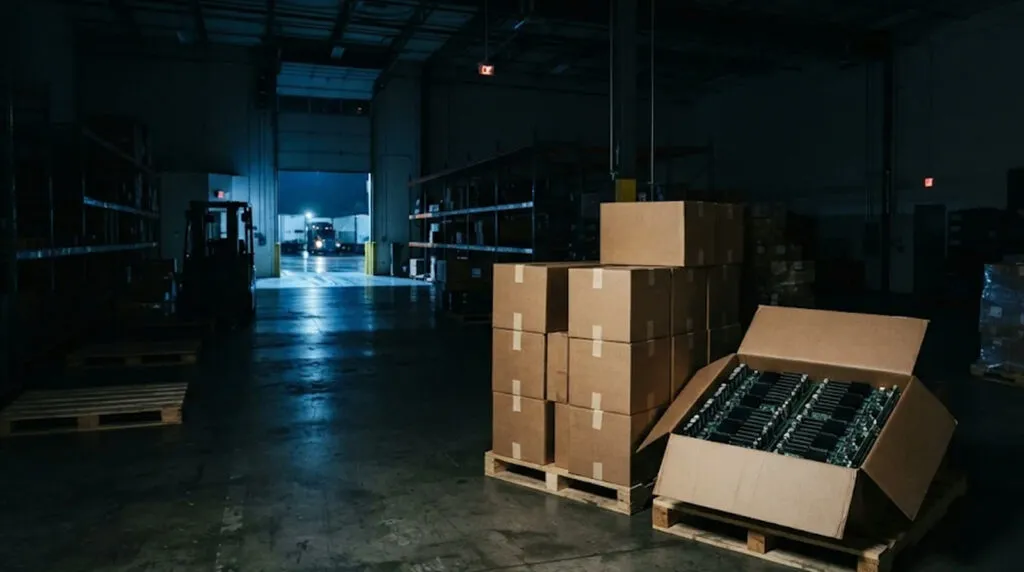
America banned the best chips for Chinese companies. New research says their most powerful models trained on them anyway, and...

OpenAI wants ChatGPT to be not just the place where you ask, but the place where you pay. Amazon has...

More than 430 million people depend on one company, and the company itself doesn't know when it will restore its...

Nvidia built an entire industry around its chips, and was itself built around one man. Now he is gone, and...
The hackers didn't get into Notion directly. They got into the cloud provider of its supplier and walked out with...

Huang has 60 direct reports and no successor. The affair with an alleged Chinese spy has opened the most awkward...

The DJ can now be a laid-back American, an Irishman or an Australian - or barely talk at all. The...
This site uses cookies - is that okay? Learn more
Be the first to know when Metla launches something new
Leave your email and we'll write to you when there's a new guide or something new on Metla.