

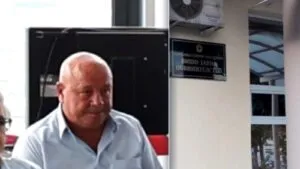
Head of Bitola's Higher Prosecution Office Loses His Passport: Suspected of Lobbying for Lighter Sentences in at Least Four Cases
08.10.2026


08.10.2026
08.10.2026

08.10.2026
08.10.2026
08.10.2026
08.10.2026

08.10.2026
08.10.2026

07.10.2026

08.10.2026

08.10.2026

07.10.2026
08.10.2026

08.10.2026

08.10.2026
08.10.2026
07.10.2026
06.10.2026

08.10.2026

08.10.2026

08.10.2026

08.10.2026

07.10.2026
07.10.2026

09.03.2026

27.02.2026

19.02.2026

08.10.2026

07.10.2026

06.10.2026
08.10.2026
06.10.2026

05.10.2026

23.04.2026

23.04.2026

12.04.2026

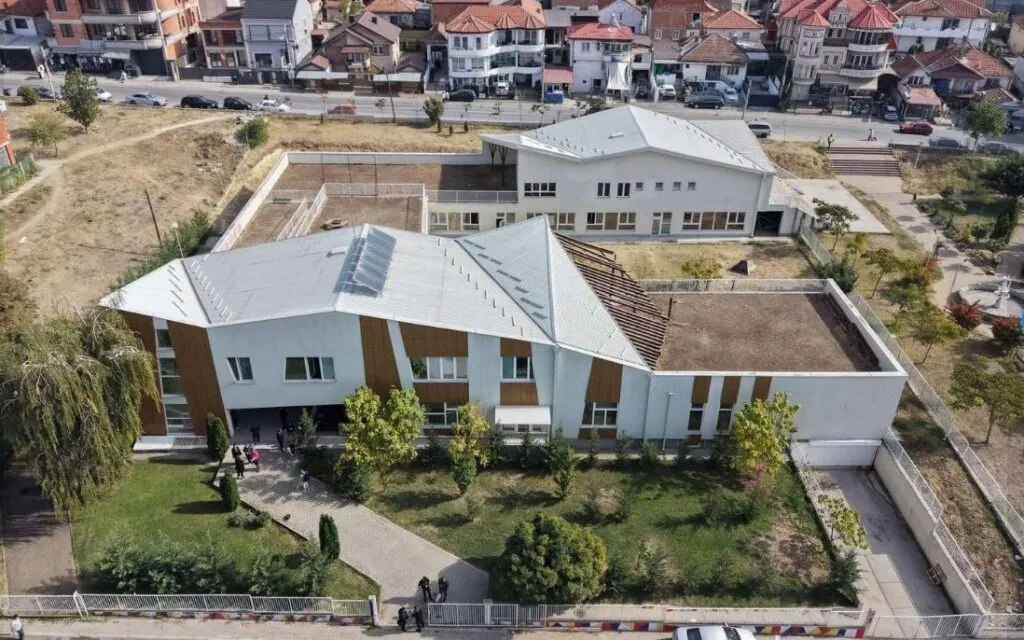
On March 1, 2017, the "8 April" kindergarten in Šuto Orizari was set on fire. Nine years later, it has six new classrooms with room for 250 children. With that, officials say, the municipality will no longer have a waiting list for kindergarten places.
The building meets energy-efficiency and full-accessibility standards, and the playgrounds include inclusive equipment. The embassies of Norway and Switzerland and UNDP took part in the reconstruction and fit-out. The ribbon was cut by Prime Minister Hristijan Mickoski, Minister for Social Policy, Demography and Youth Gjoko Velkovski, Mayor Kurto Duduš and ambassadors Kristin Melsom and Christoph Sommer.
Classrooms yes, staff not yet
There is just one small detail: for the kindergarten to run at full capacity, it needs people. Mickoski announced that the government will "as soon as possible" approve hiring qualified staff, so that, as he put it, "everything that has been invested and built will be put into operation". In other words, the 250 places exist on paper and in concrete - the teachers are still to be found.
"I am truly overjoyed that this building is getting its essence, its true purpose. And that is to be a home for the little ones," the prime minister said.
From 4,500 to zero - "it depends on the pace"
Mickoski also repeated the bigger goal: "If the number was 4,500 at the start of this government's term, the goal is that by the end of this government's term we have zero children on the waiting list." He added that it might be achieved even sooner, "but everything depends on the pace of construction". Minister Velkovski announced 16 new preschool facilities for Skopje, with a total capacity of more than 2,100 children.
The good news is that 250 children in Šuto Orizari are getting a place. The less good news is that it took almost a decade, support from two European countries and UNDP to get there. If one burned-down kindergarten takes nine years to come back, how realistic is it that waiting lists across the whole country hit zero by the end of this term?
The latest 10 news from this category
About 114,000 more flats have been built than projected, yet experts name easier access to housing as the cure for...
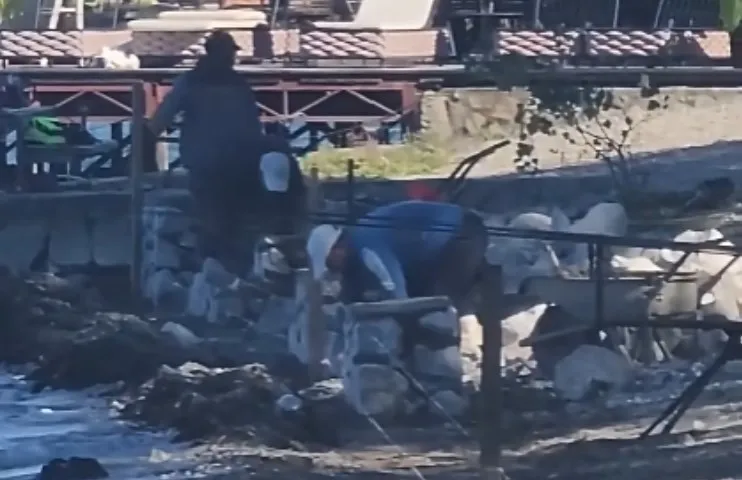
A stone wall is rising right on the shore in the protected zone, and the mayor is waiting for an...
Film, jazz, Shakespeare - and from October 9, tripe soup. Bitola has a festival for almost everything, and the municipality...
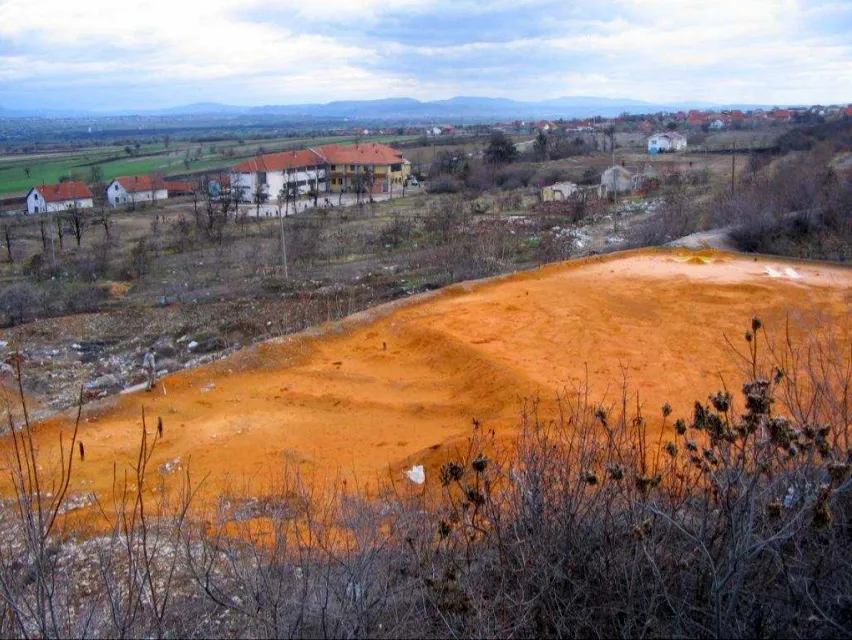
The ban on rebuilding polluting industry near populated areas is going, and the articles on contaminated sites are being deleted....
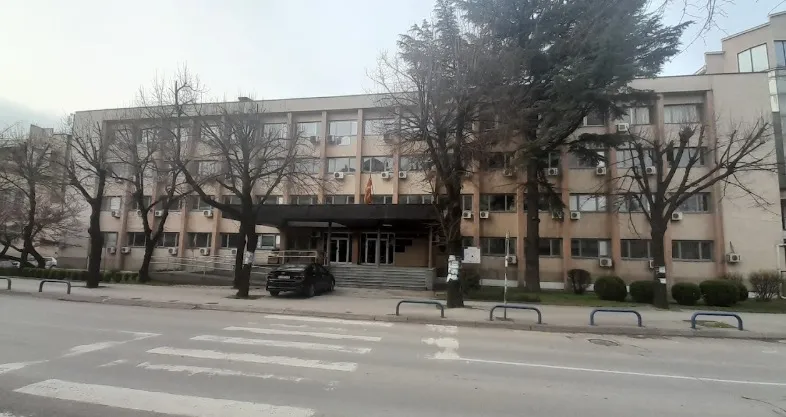
"MUST (in capital letters)," the court president told her staff. The Council voted 8 to 2 that she overstepped her...
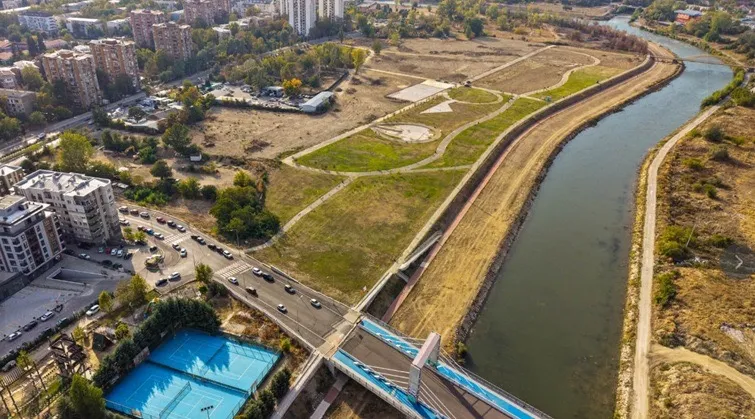
The mayor blamed his predecessors for the garbage and the smoke and promised greenery and playgrounds. By when and for...
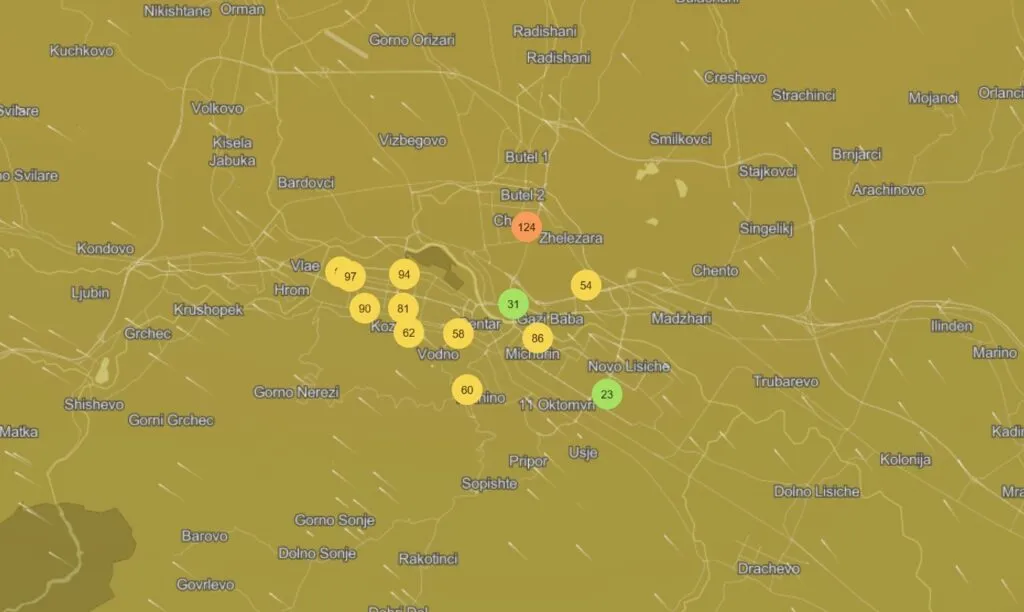
The Rektorat station measured 130 micrograms of PM10 in a single hour, and Železara hit an index of 124. October...
The investors demanded 59.9 million euros after the government cancelled the concession, and an international tribunal dismissed every one of...
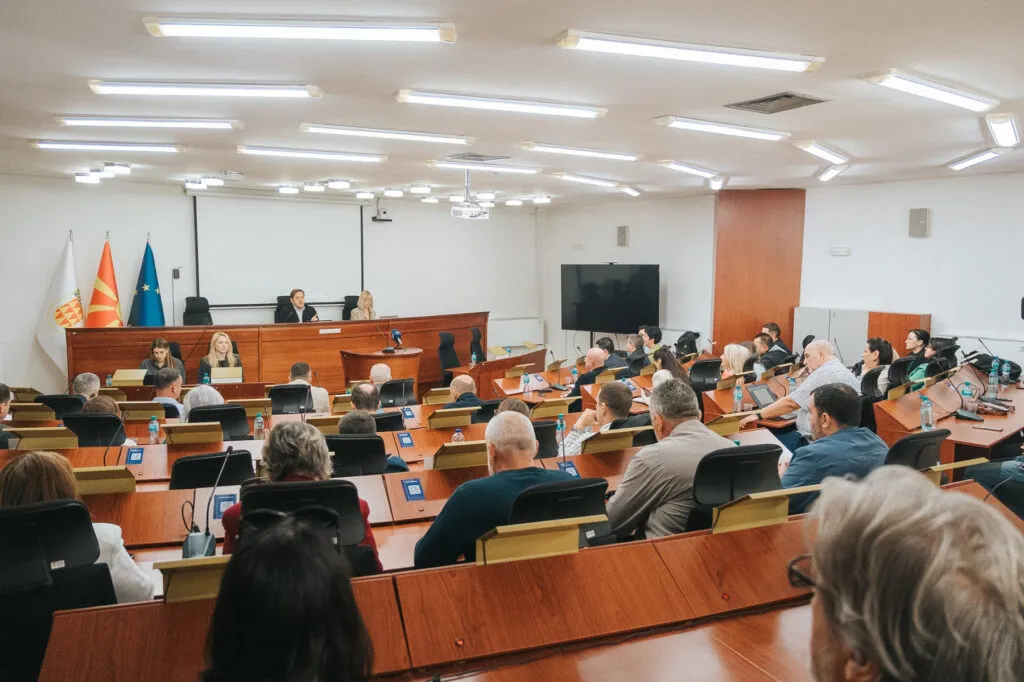
Since 2020 the country has been planned according to an expired document. Now, in Bitola, they're promising a motorway to...
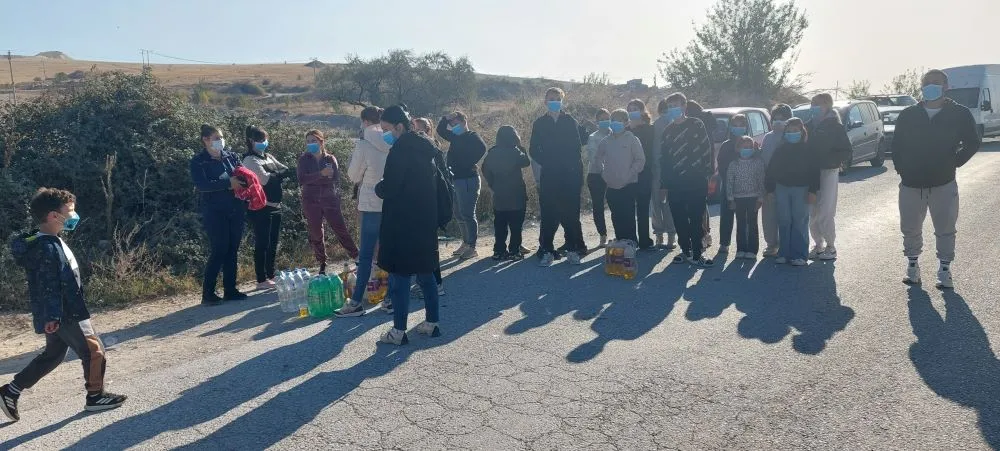
They were promised firefighting machinery would arrive by 2 October. It didn't. So now the trucks carrying Kumanovo's rubbish are...
This site uses cookies - is that okay? Learn more
Be the first to know when Metla launches something new
Leave your email and we will write when there is a new guide or something new on Metla.