


The "Lottery" Trial: 231 Pieces of Evidence, and So Far Not a Single Message Between Grubi and Bajrami
24.09.2026


24.09.2026

24.09.2026

24.09.2026

24.09.2026

24.09.2026

24.09.2026

24.09.2026

23.09.2026

22.09.2026

24.09.2026

24.09.2026

23.09.2026

24.09.2026

24.09.2026

24.09.2026
24.09.2026
23.09.2026

22.09.2026

24.09.2026

24.09.2026

24.09.2026

24.09.2026

23.09.2026

23.09.2026

09.03.2026

27.02.2026

19.02.2026

24.09.2026

23.09.2026

22.09.2026

23.04.2026

23.04.2026

12.04.2026

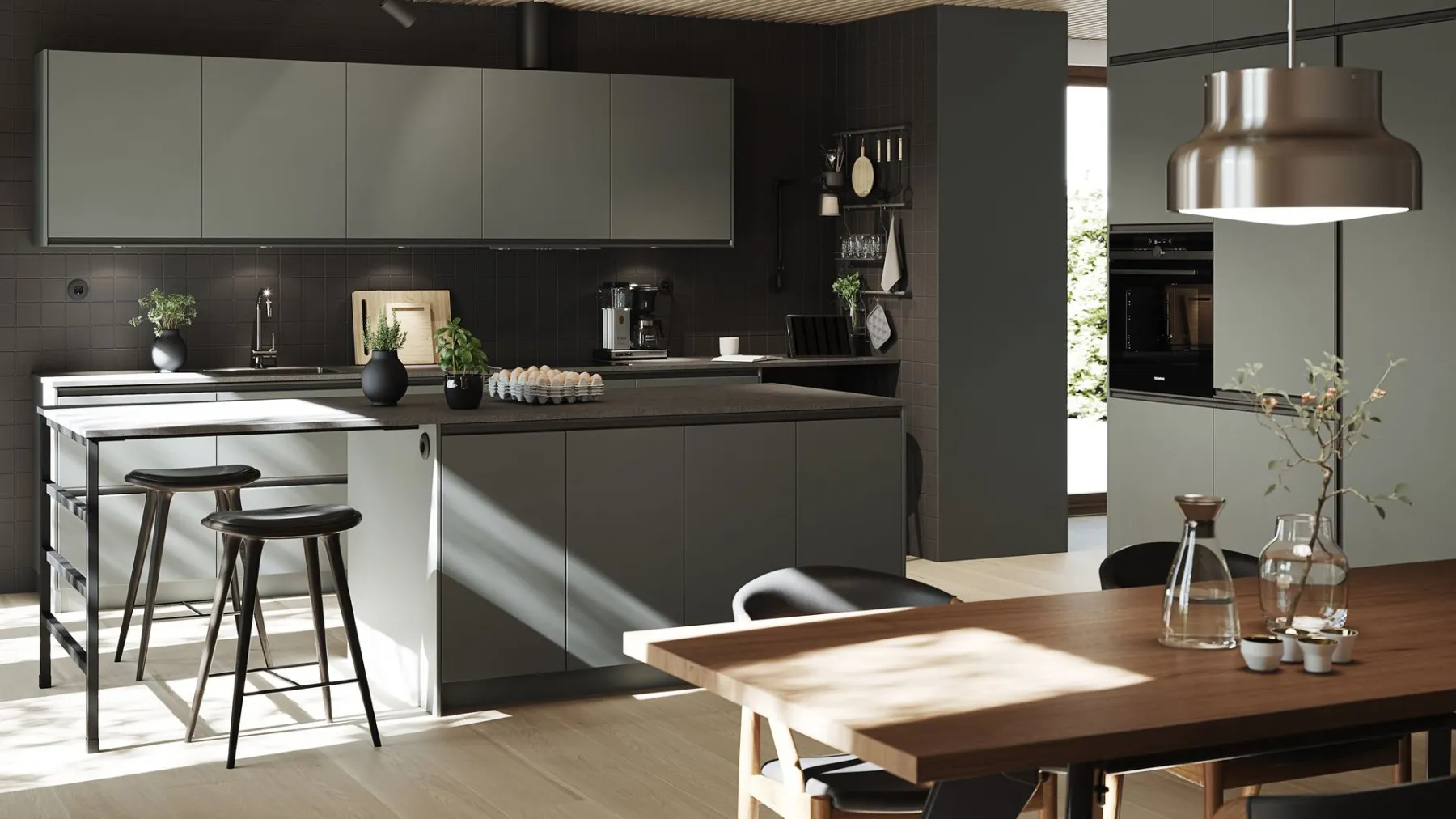
The kitchen work triangle - the fridge, stove and sink arranged in a star with 1.2 to 2.7 metres between each point - was the „golden rule" of kitchen design for nearly a century. Architect Lillian Gilbreth invented it in the 1940s, and ever since it has been copied into virtually every interior-design curriculum on the planet. Now, in 2026, designers are saying out loud that it is finished. And this is not a fashion statement - it is an admission that the way we live has changed dramatically.
The triangle worked for a 1950s household: a housewife, one cook, traditional meals with three pieces of cutlery, and a kitchen as a place to prepare food and nothing more. Today's kitchens are hubs - two people cook at once, someone is on a laptop, coffee is being poured for guests, kids are doing homework. A space optimised for one skilled operator becomes an obstacle the moment the real users are five people at the same time.
First reason: more people in the kitchen at once. The triangle is designed for one worker. When two or three people cook, they collide on the same 2.5-metre stretch. The fix is not a bigger triangle - it is a switch to zones.
Second reason: the appliances we now own. In the 1940s there was one stove and one fridge. Today there are induction hobs, electric ovens, microwaves, dishwashers, coffee machines, blenders, juicers - an endless arsenal. The triangle cannot accommodate all these points - what is needed is a zoned organisation.
Third reason: the open-plan kitchen. With open layouts increasingly merging kitchen-living-dining into a single space, the kitchen is no longer just a work surface - it is a stage. It is seen from the sofa. It is seen from the dining table. The design has to be functional and visually acceptable - the triangle ignores aesthetics.
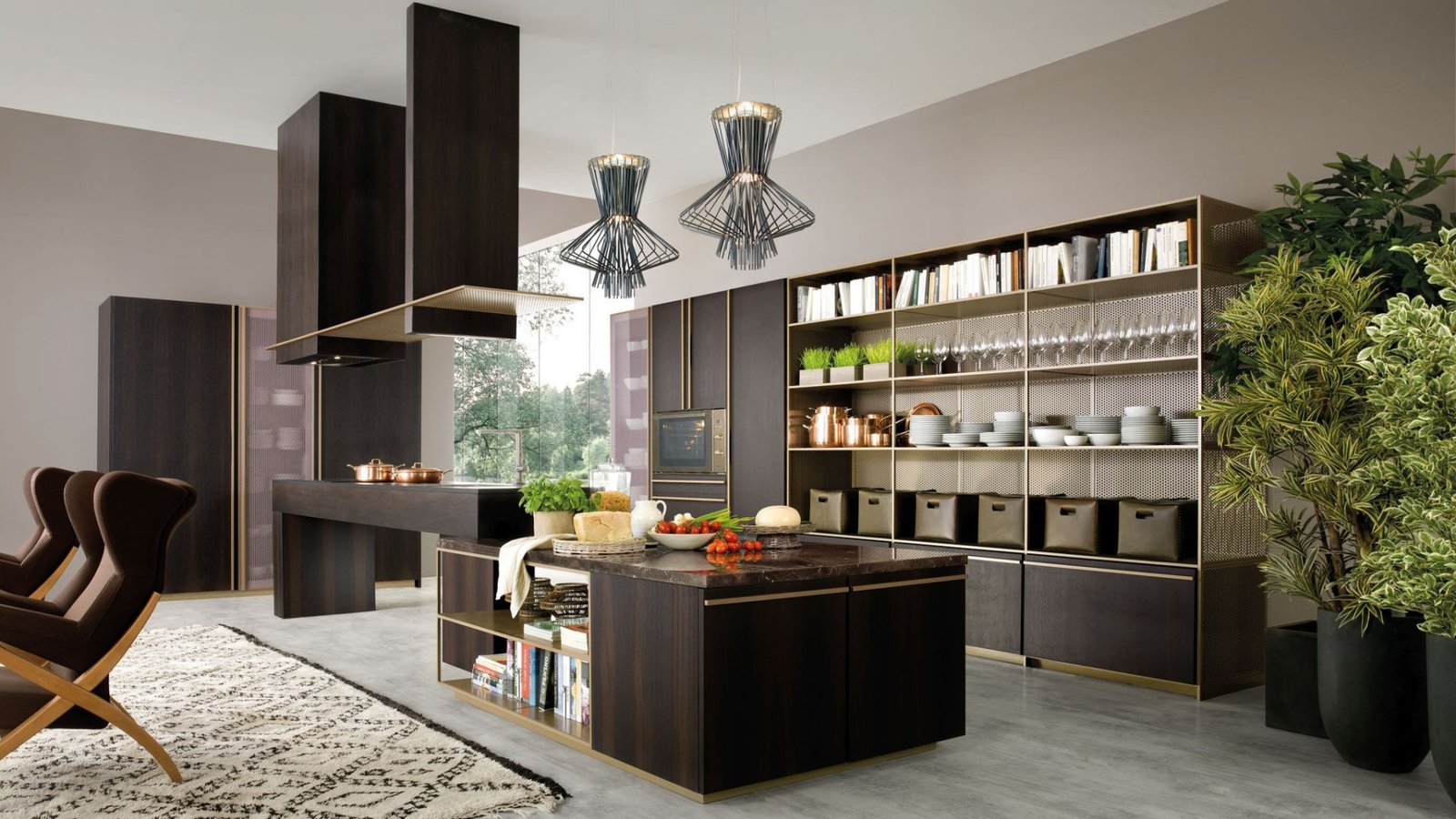
The new approach divides the kitchen into five working stations:
The island is the biggest change in kitchens since the 2010s. It is the central piece of furniture that serves additionally as a work surface, a seat, and often as a „fourth wall" in an open plan. Minimum dimensions for a functional island: 120 cm long, 90 cm wide. Anything smaller is not really an island - it is a trolley.
The island absorbs part of the traditional triangle: it often has the sink or the hob built into it, directly breaking the old „golden rule". And it works. A family of four can be in the kitchen at once - one stirring on the hob, one chopping vegetables, two drinking wine at the island - without crashing into each other.
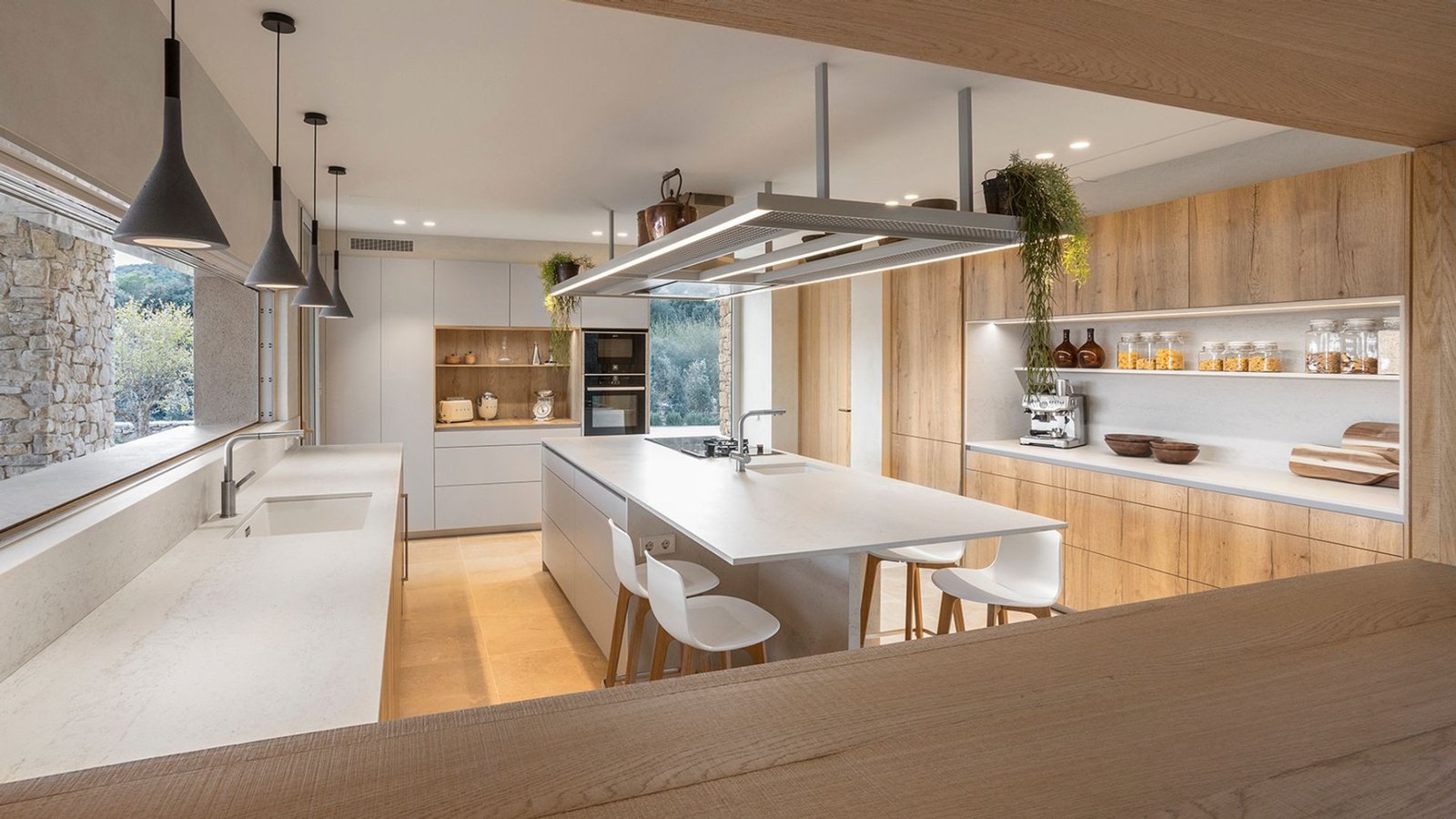
For a kitchen with an island:
For small kitchens (under 8 sqm):
Zoned organisation only works if it is supported by light and order. The lighting has to be layered: general from the ceiling, task lighting over work surfaces (LED strips under the wall units), and ambient (sidewall or for the bar). One central ceiling bulb in the middle of the room is the biggest mistake in kitchen design.
Order is a separate question. Zones only work if things are kept where they are used. The cooking oil belongs next to the hob, not in a faraway cupboard. The knives are near the prep zone. The plates are near the dishwasher, because that is where they go after washing. It sounds obvious, but countless kitchens have a bad layout because the designer was thinking of „balanced aesthetics" and not of where people actually work.
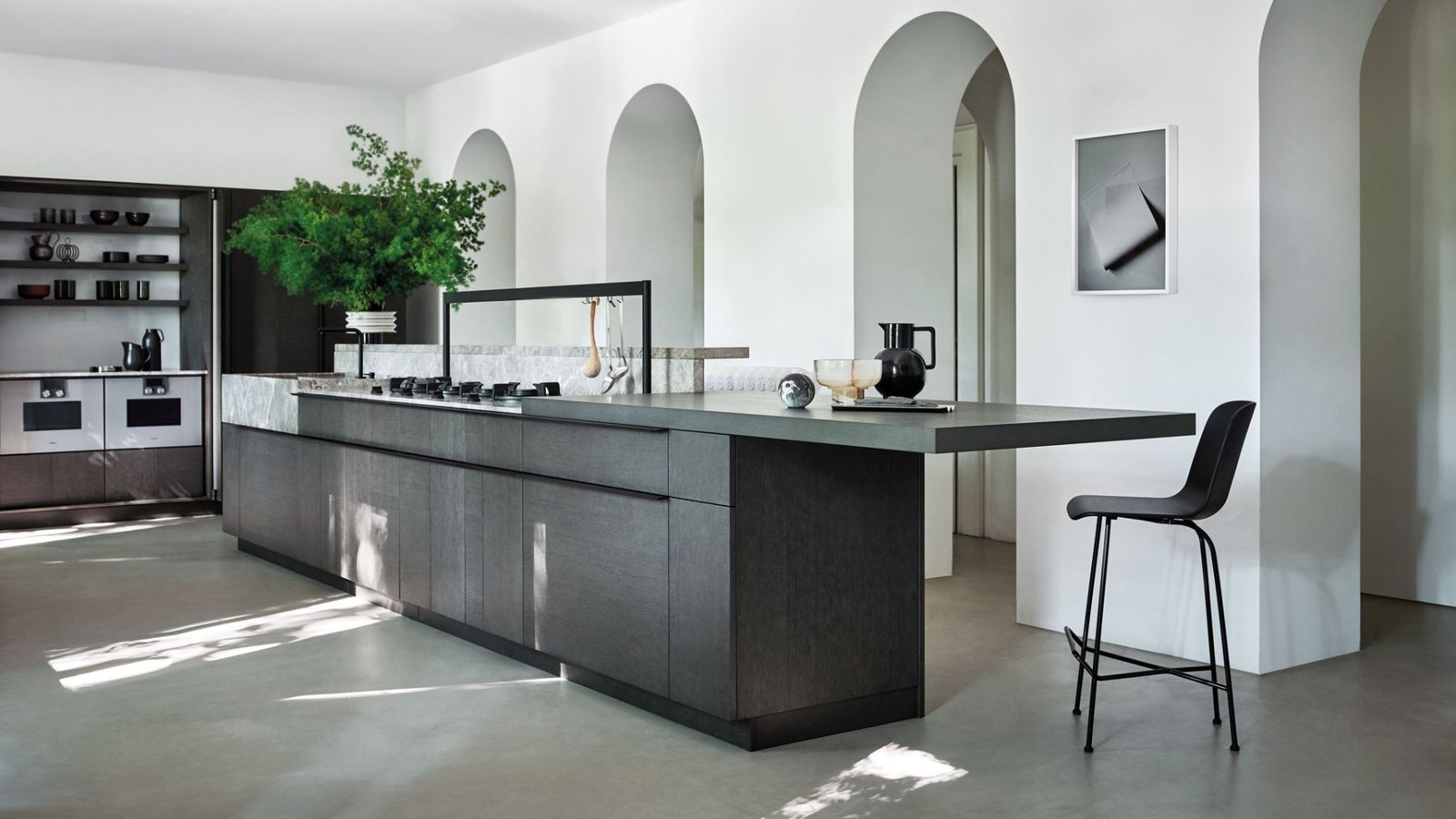
Our kitchens tend to follow one of two models - the old Yugoslav „kitchen-behind-the-door" with a small footprint and forced functionality, or the newer „American" open plan copied from catalogues. Both have problems. The first leaves no space for more than one cook. The second often uses the island as decoration, with no real function.
Zoned organisation is a practice that fits Balkan life by nature - in our houses there are always more people in the kitchen. A wedding, a birthday, when guests show up, the kitchen is the centre of action. The triangle never worked for us. Now we have an official excuse to abandon it - and to build kitchens that actually match how we live, instead of how American designers lived in the 1940s.
The latest 10 news from this category
Luxury isn't about showing off, it's about detail, says the architect. That's why the best light in this flat went...
The exposed brick and ribbon windows stayed, and the entire palette came out of a single painting above the sideboard....

An Eames lounge chair from 1956, a Fratini shelving unit and a concave cobalt mirror that reflects the room curved....
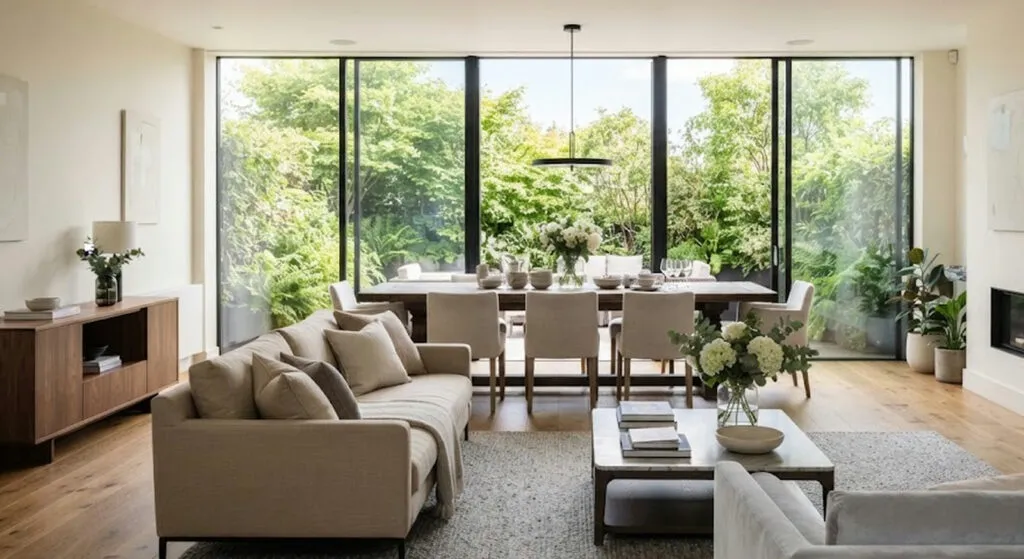
Four bedrooms, four bathrooms and one rug that keeps the dining area separate without a wall. Three things in this...

She did not decorate a house - she built a world. And behind all that fantasy there is no inheritance,...
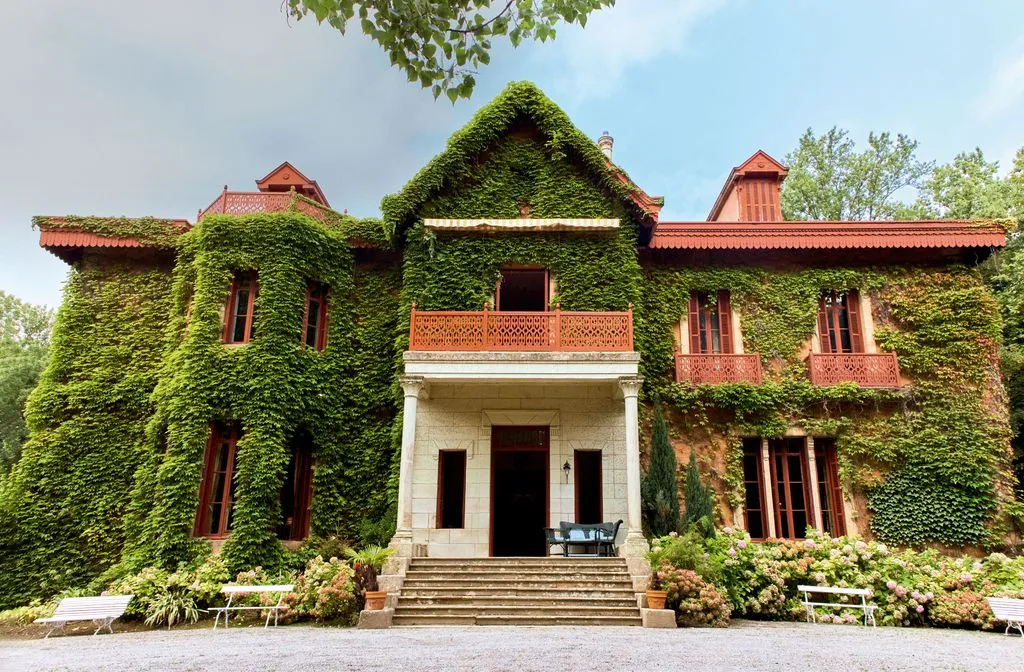
The stairwell has been turned into a gallery, and in the bedroom there is not a single attempt at an...

In the vast majority of flats the ceiling stays white because that is how it was found - not because...
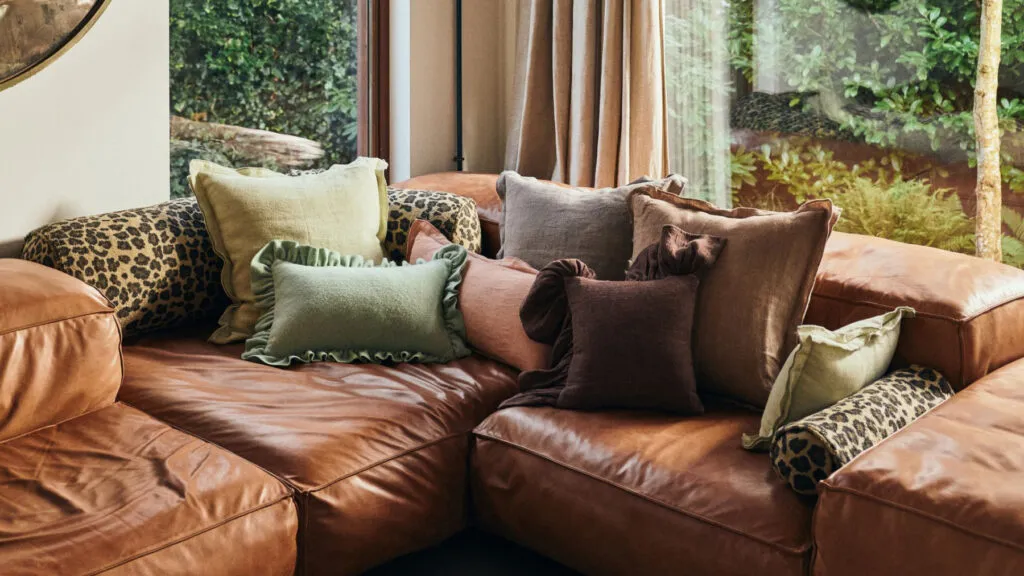
It is not hoarding and it is not maximalism. Ten things that used to be hidden when guests came and...
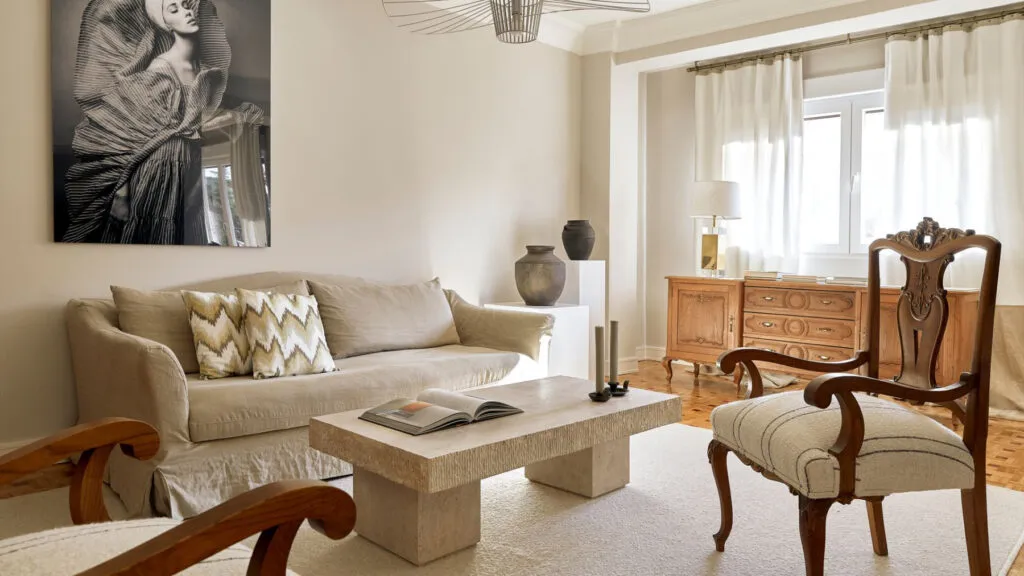
A bespoke console, reupholstered armchairs and wallpaper hung like art. The most expensive thing in the flat is the decision...
For years the rule was everything neutral and everything from the same collection. The result is a living room that...
This site uses cookies - is that okay? Learn more
Be the first to know when Metla launches something new
Leave your email and we will write when there is a new guide or something new on Metla.
