The "Lottery" Trial: 231 Pieces of Evidence, and So Far Not a Single Message Between Grubi and Bajrami
24.09.2026


24.09.2026
24.09.2026

24.09.2026

24.09.2026

24.09.2026
24.09.2026

24.09.2026
23.09.2026
22.09.2026

24.09.2026

24.09.2026
23.09.2026
24.09.2026

24.09.2026

24.09.2026
24.09.2026
23.09.2026
22.09.2026

24.09.2026

24.09.2026
24.09.2026

24.09.2026
23.09.2026
23.09.2026

09.03.2026

27.02.2026

19.02.2026

24.09.2026
23.09.2026
22.09.2026

23.04.2026

23.04.2026

12.04.2026

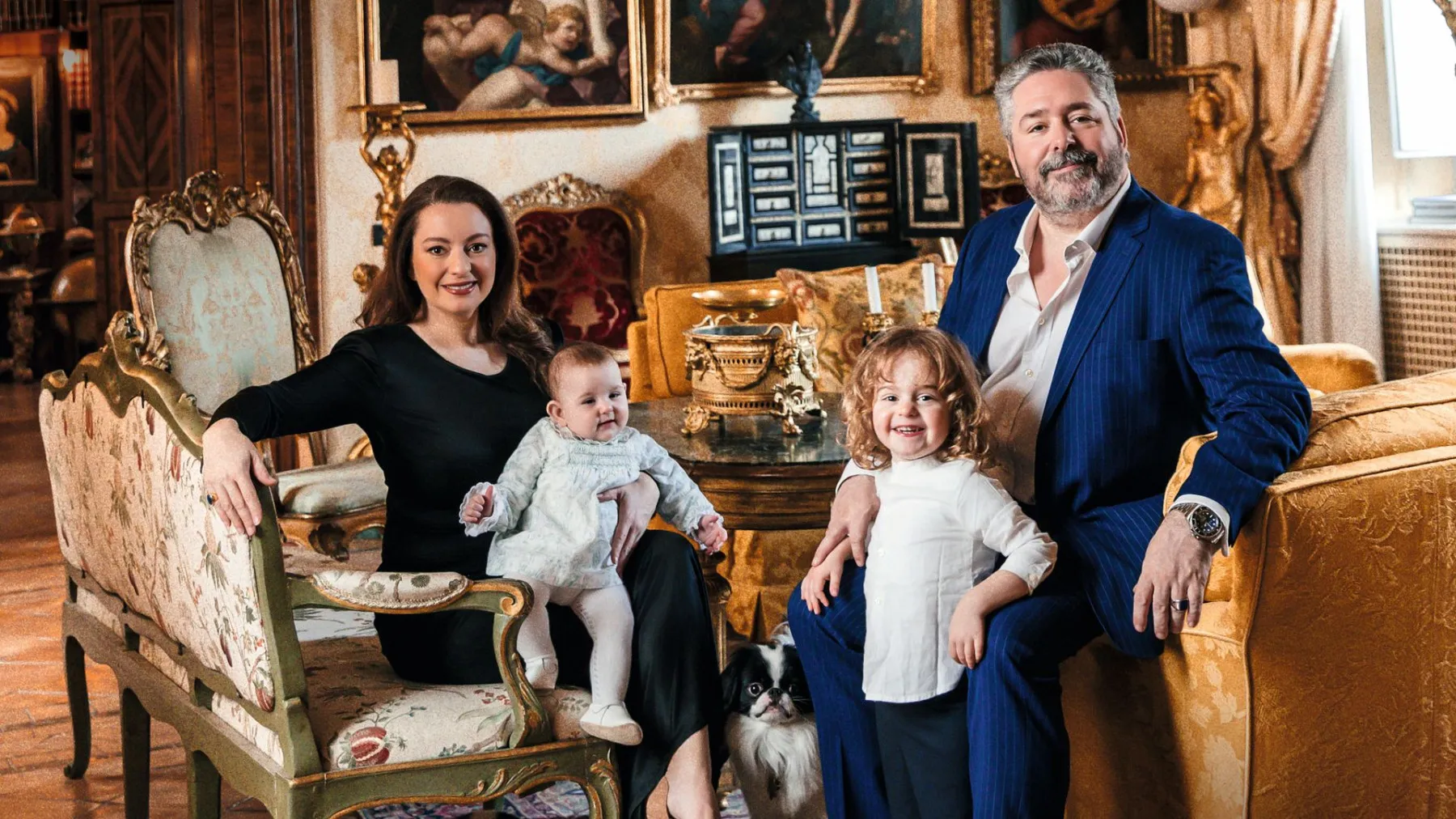
A 16th-century palace, a step from the Pantheon, built from materials taken from the ruins of pagan temples. These walls know more than every European history textbook - and today the Grand Duke George Romanov lives in them with his wife Victoria and two children.
He doesn't sit on a throne. Nobody today sits on the Russian throne - the last tsar, Nicholas II, was killed in Yekaterinburg in 1918, and his grandchildren, great-grandchildren and great-great-grandchildren live across Europe with titles that today are part of history, not of politics. George Romanov takes the role of head of the Russian Imperial House in a form he himself describes as "responsibility, not pretension". He's not fighting for restoration - he's fighting for the preservation of culture and memory.
The palace in Rome is 20 years older than the discovery of America - and the tower even older than that. It was built from stone pulled out of the ruins of ancient Roman and pagan temples, a typical medieval practice in Rome. When Victoria's parents bought it in the 1970s, it had neither water nor electricity. Cooking was done over an open flame. The restoration took years.
Seven salons, each with its own story
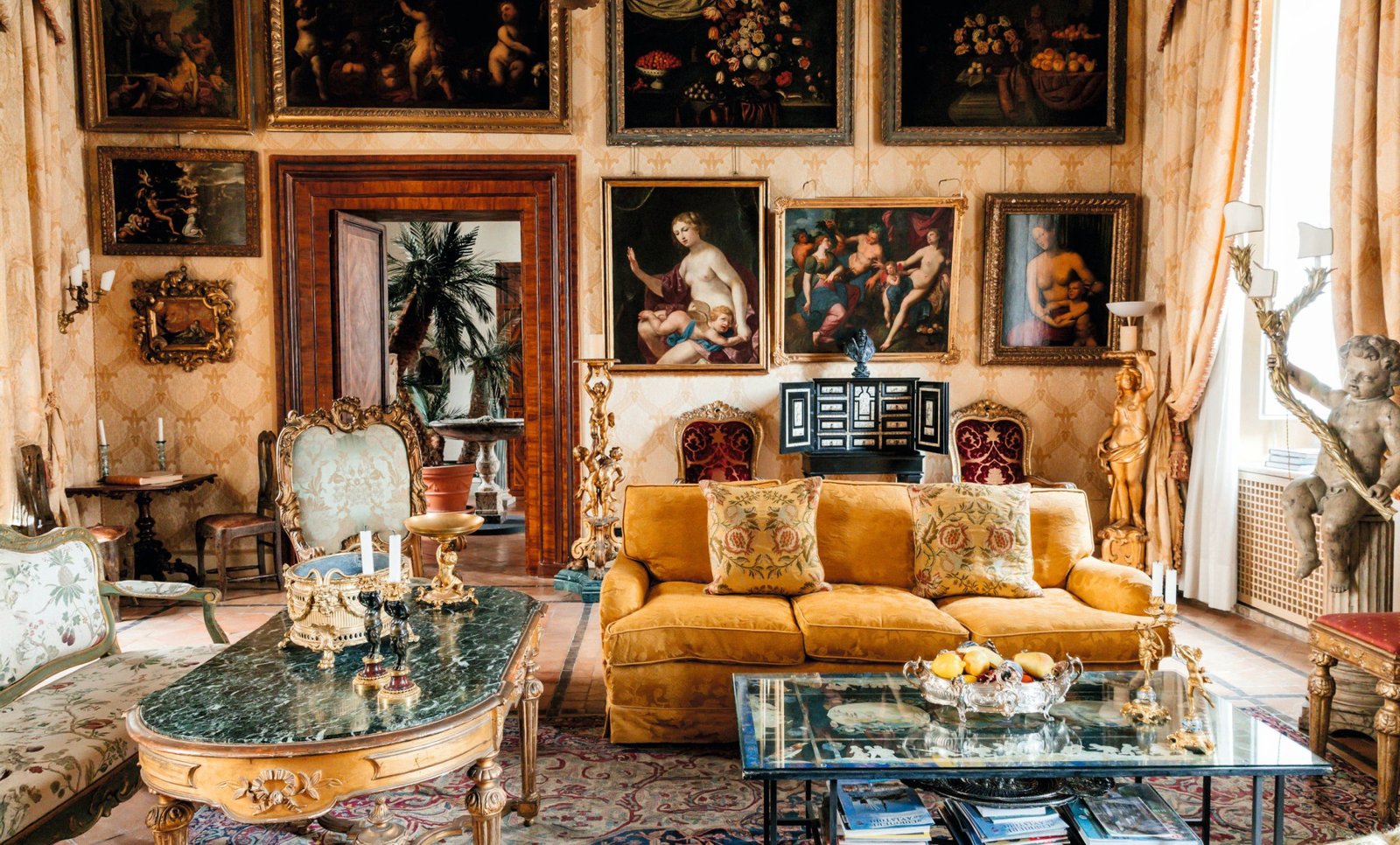
The Red Salon is the scene for the visual idea of what is "authentically Roman" - Venetian tapestries, Renaissance paintings, Roman busts, a terracotta floor from Minturno. The library has two floors, incunabula, rare books, red upholstery and again Venetian tapestries. The main salon has ochre damask, angelic statues, Baroque paintings and a 17th-century bargueño.
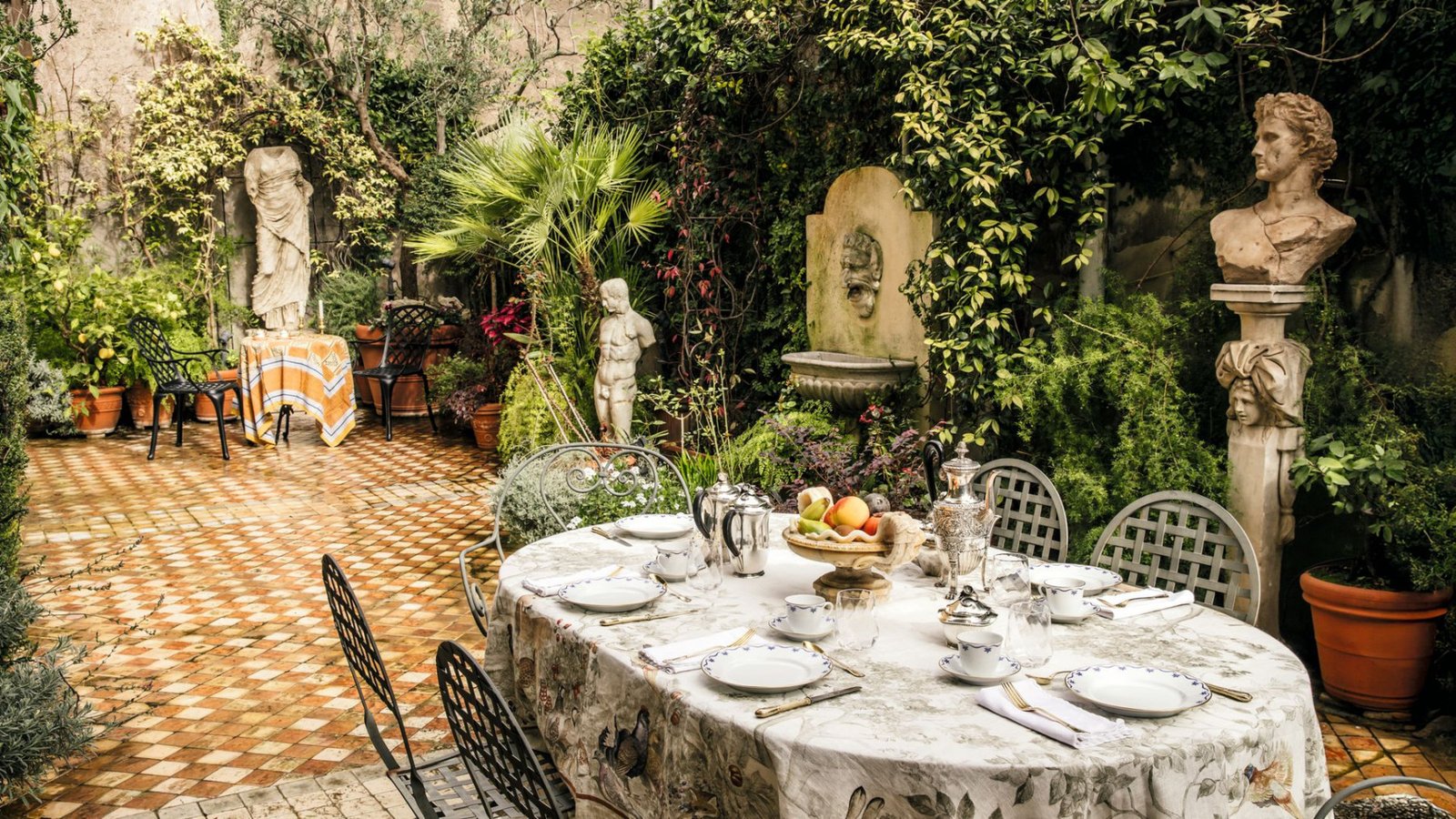
The White Salon has a French lit bateau bed. The medieval tower is the family refuge. On the terrace there are century-old olive and lemon trees, antique statues and a Roman fountain. Everything is arranged as if in a film - and everything is authentic.
Victoria and George have two children: Alexander (3 years old) and Kira Leonida (turning 1 on June 2). The family spends about three months a year in Rome - the rest they live discreetly. "We want the children to grow up in anonymity", George says. "Not in titles, but in a house with grandparents."
They themselves compare their role to the Spanish royals - and that's not by accident. In the interview for the original report, Victoria stresses that she looks to Felipe and Letizia as an example of how a royal family can be close to its citizens and at the same time maintain institutional weight.
The wedding of George and Victoria was the first royal wedding in the Romanov dynasty in a century - in Saint Petersburg, in 2021. It wasn't a political declaration. It was a celebration in a country that still doesn't know what to do with its own dynastic history.
The family looks to the future with quiet optimism. George has taken on philanthropic and cultural initiatives as his main work - not activism for political change, but support for Orthodox churches, museums, restorations. Fatherhood, as he himself says, has taught him that children have no need for titles. They have a need for time.
In the Balkans this is interesting because our history is also full of royal houses - the Karađorđević in Serbia, the Glücksburgs in Greece. All of them today exist as families, not as institutions. Romanovs in Rome is a version of the same question: what is a royal family without a throne? The answer - a guardian of memory, a cultural authority, and a palace that is poised next to Columbus.
The latest 10 news from this category
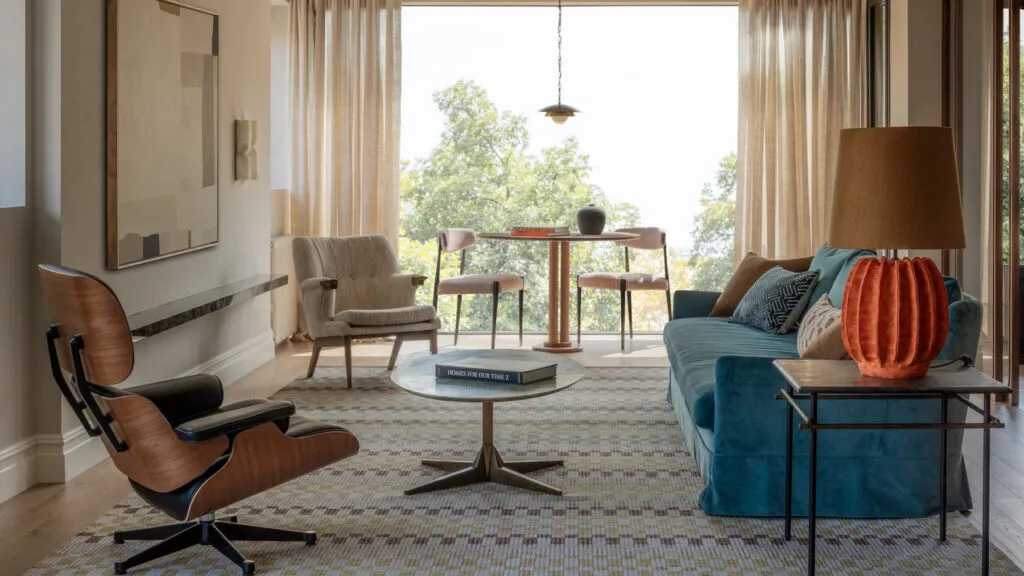
Luxury isn't about showing off, it's about detail, says the architect. That's why the best light in this flat went...
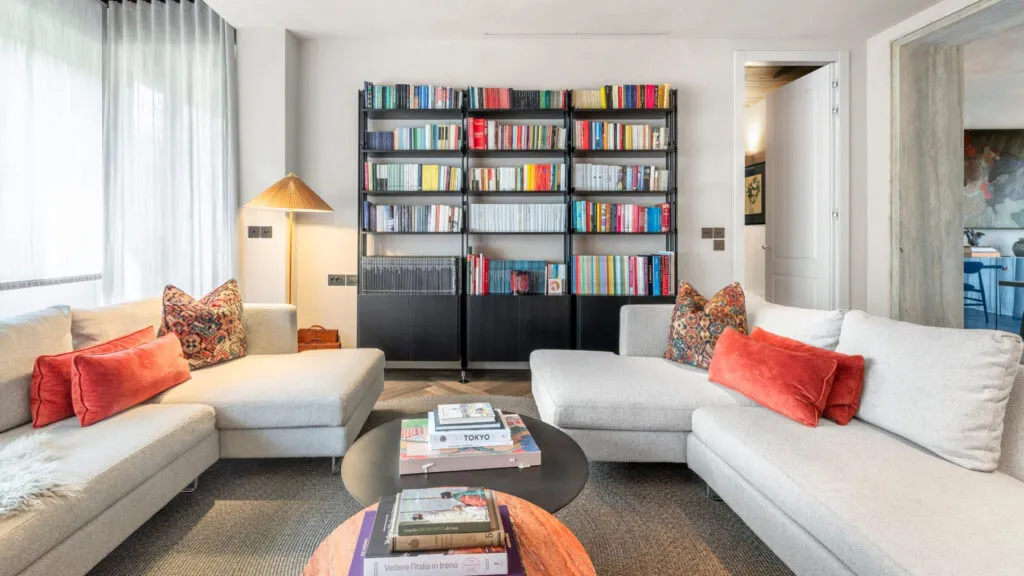
The exposed brick and ribbon windows stayed, and the entire palette came out of a single painting above the sideboard....

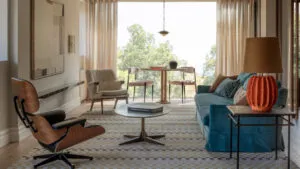
An Eames lounge chair from 1956, a Fratini shelving unit and a concave cobalt mirror that reflects the room curved....
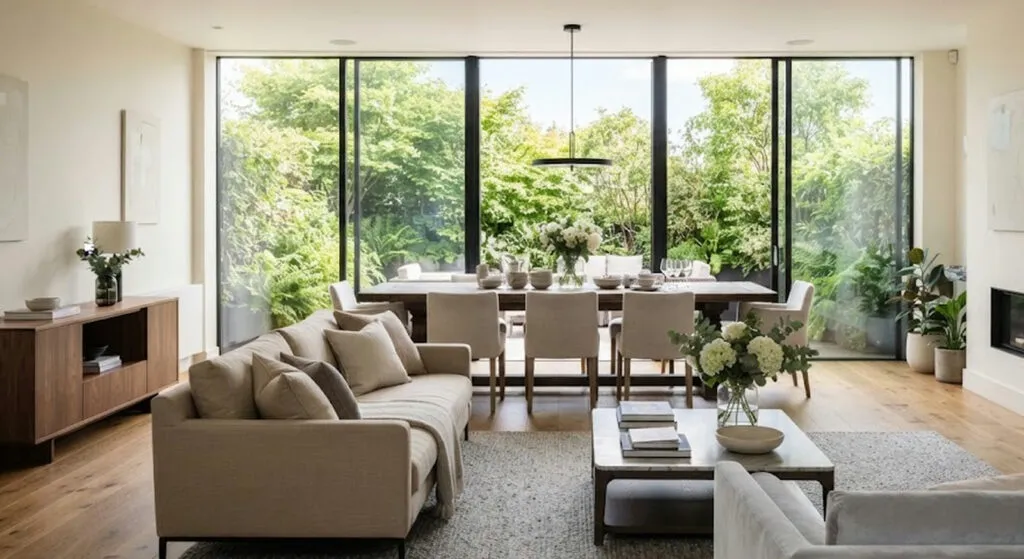
Four bedrooms, four bathrooms and one rug that keeps the dining area separate without a wall. Three things in this...
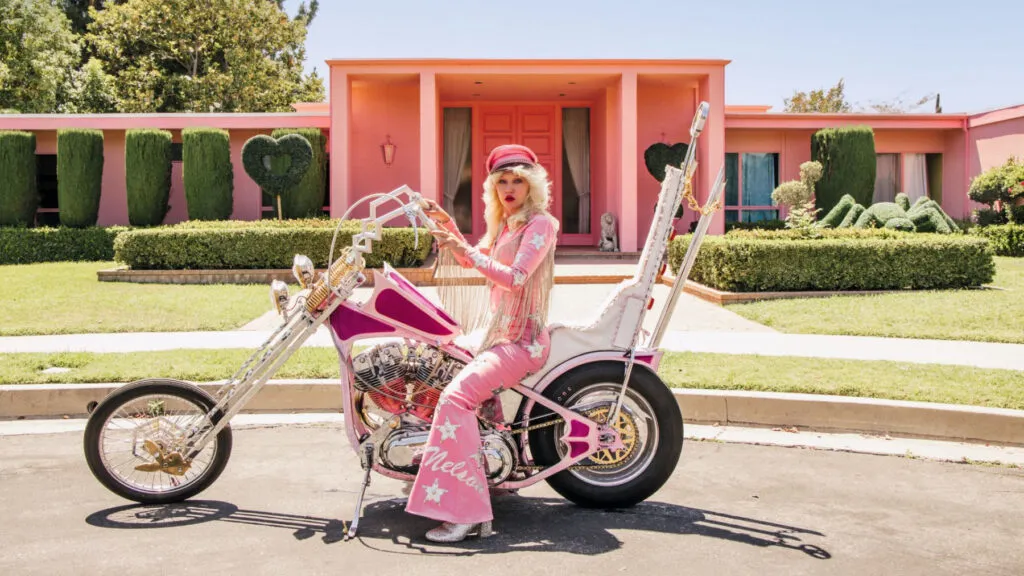
She did not decorate a house - she built a world. And behind all that fantasy there is no inheritance,...
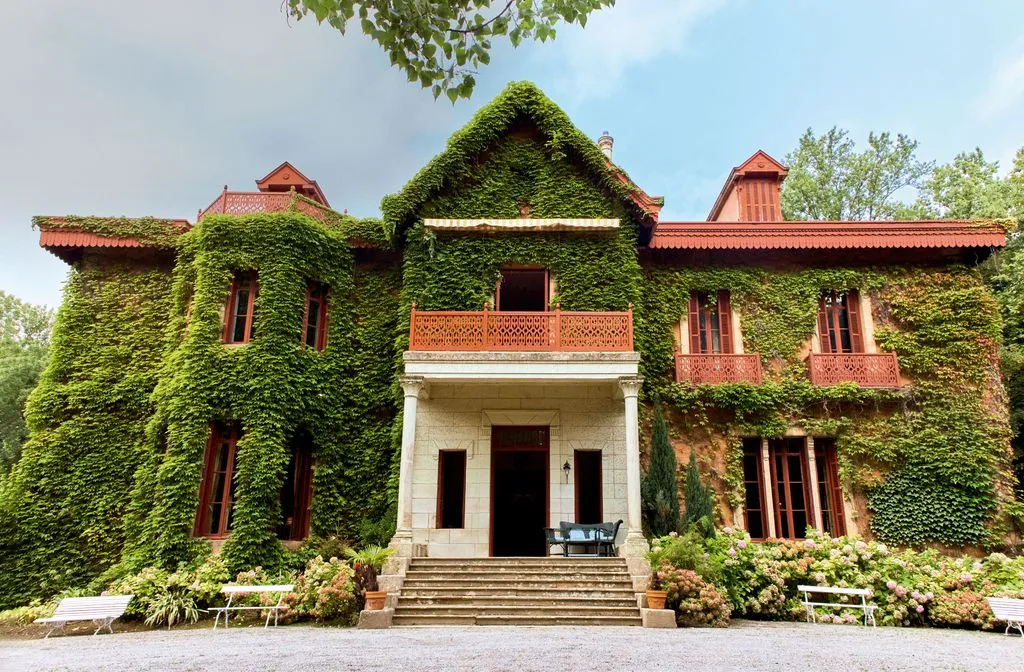
The stairwell has been turned into a gallery, and in the bedroom there is not a single attempt at an...

In the vast majority of flats the ceiling stays white because that is how it was found - not because...
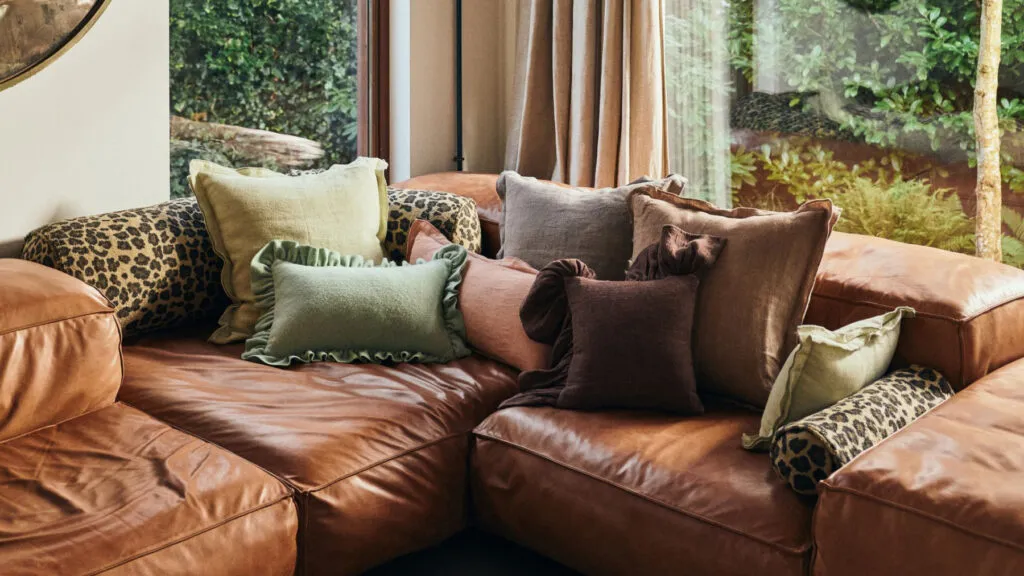
It is not hoarding and it is not maximalism. Ten things that used to be hidden when guests came and...
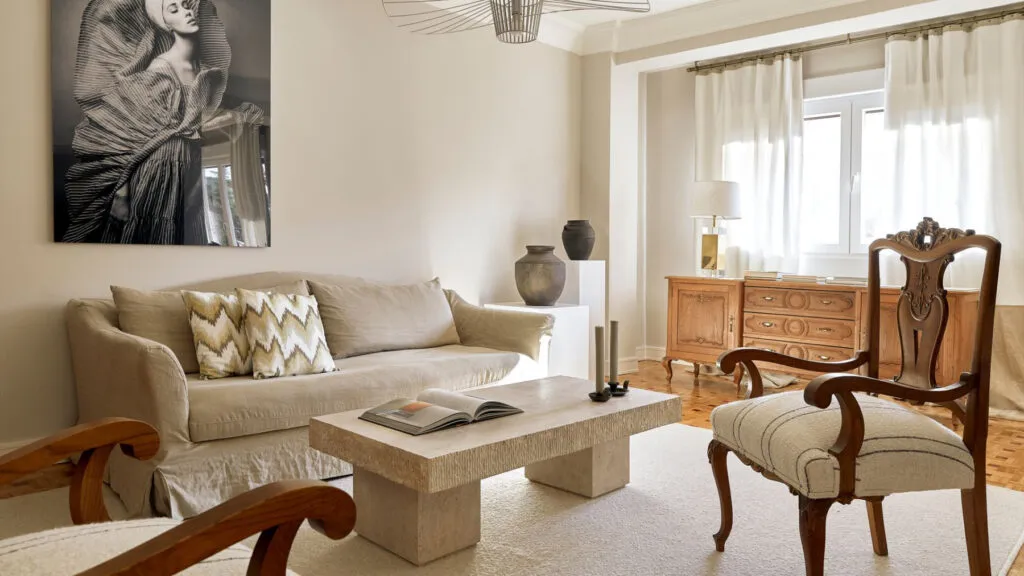
A bespoke console, reupholstered armchairs and wallpaper hung like art. The most expensive thing in the flat is the decision...
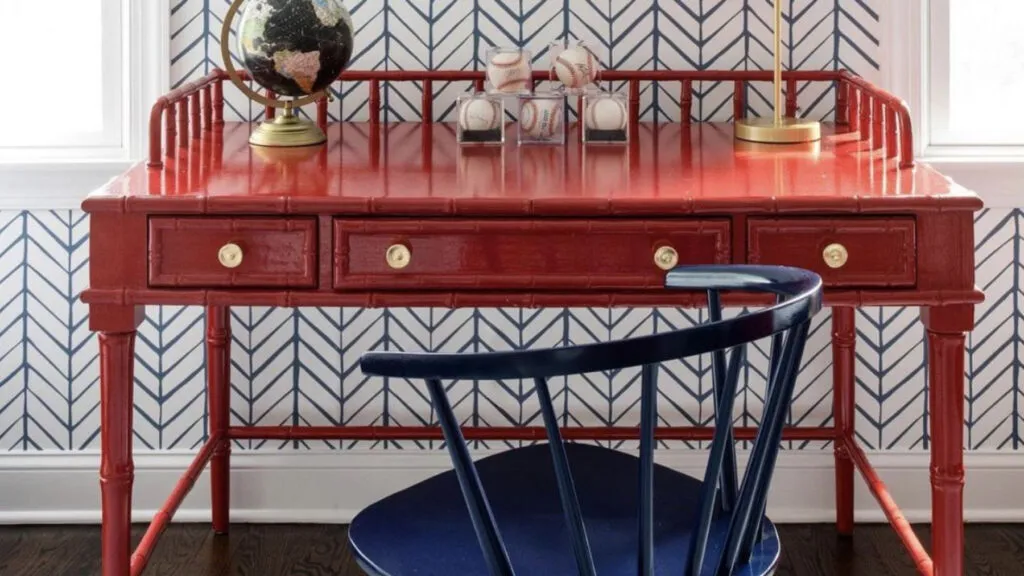
For years the rule was everything neutral and everything from the same collection. The result is a living room that...
This site uses cookies - is that okay? Learn more
Be the first to know when Metla launches something new
Leave your email and we will write when there is a new guide or something new on Metla.