

Studeničani: 35-year-old dies after being electrocuted while washing his car with a pressure washer
18.09.2026


18.09.2026

18.09.2026

18.09.2026

18.09.2026
18.09.2026
18.09.2026
18.09.2026
17.09.2026
16.09.2026
18.09.2026
18.09.2026
17.09.2026
18.09.2026
18.09.2026

18.09.2026
18.09.2026
17.09.2026
16.09.2026

18.09.2026

18.09.2026

18.09.2026

18.09.2026
17.09.2026
17.09.2026

09.03.2026

27.02.2026

19.02.2026

18.09.2026
17.09.2026
16.09.2026

23.04.2026

23.04.2026

12.04.2026

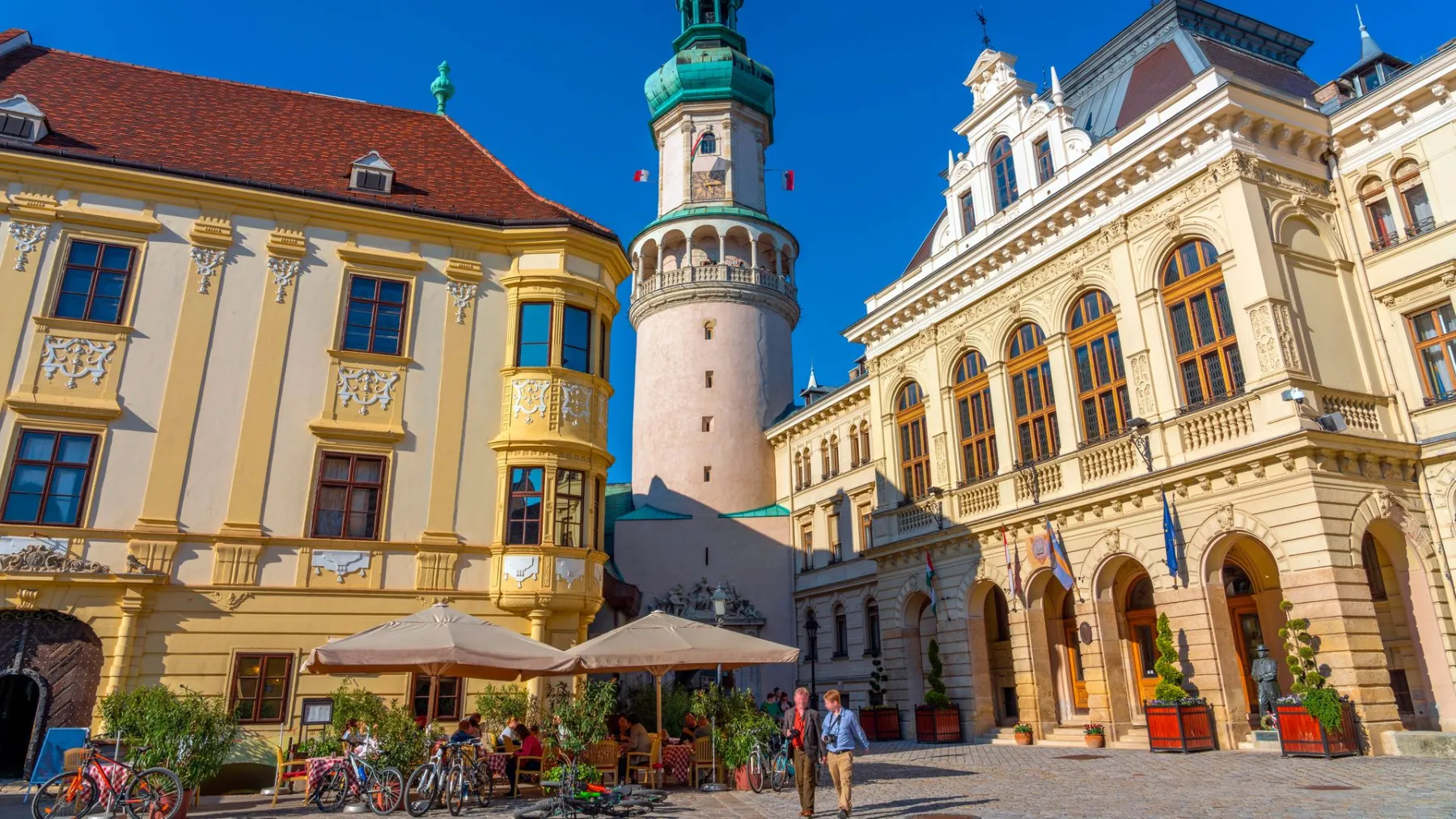
Sixty kilometres from Vienna - on the border between Austria and Hungary, in the north-western corner of the Hungarian map - sits a town the tourist catalogues rarely highlight. Sopron, in Hungarian Sopron, is the story of a town that isn't a Central European marketing product. It's a medieval place with Roman roots, vineyards and a precisely accurate history of loyalty that in 1921 chose to stay Hungarian - at a moment when nothing was obliging it to.
The main building is the Fire Tower (Tűztorony) - 58 metres tall, built in the 13th century, with 200 steps to the viewing platform that looks out over the whole flat landscape and the vineyards that surround the town. From there you can also see over 1,500 hectares of wine country - production mostly of white varieties like Veltliner, and the red Kékfrankos („grey-blue"), a name that goes back to the Napoleonic occupation.
The main square is an architectural feat all on its own. The Holy Trinity column from 1701 is the oldest votive column in all of Hungary. On the same square stands the Goat Church (Kecske templom), a 13th-century temple with a Gothic façade and a Baroque interior - it got its name from the city legend that it was built with money from a rich shepherd. Further on, one of the three medieval synagogues in Europe that still have a tripartite structure is right here.
Sopron was founded on top of the Roman settlement Scarbantia, and was historically a key point on the Amber Road - the trade route that linked the Baltic with the Mediterranean. And unlike many other Hungarian cities, the Ottoman-Habsburg wars did not leave deep wounds here. The architecture is almost untouched. On the streets you can see Storno Palace - a Baroque residence turned museum, the modernist Petőfi theatre, Roman amphitheatre remains, and streets shaped like a horseshoe around the old town.
Why did this town get the epithet „the most loyal city"? Because in 1921, in a plebiscite, the citizens refused to join Austria and chose to stay Hungarian - even though geographically and culturally it could easily have gone the other way. After that vote, the Gate of Loyalty was built. A gesture you rarely see in European history - people go to vote for who will be their boss. And they pick the more complicated side.
For Balkan readers, Sopron is reachable. One hour by car from Vienna, or a direct train connection for the slow-travel crowd. Unlike Budapest which is over-photographed and saturated with Airbnb, here you can still find a restaurant where the owner will himself recommend what to order. The local beer Soproni has been brewed since 1895 - as old as many cult Alpine brands. The vineyards take visitors without needing a booking two weeks in advance.
It's a place for the reader who wants to find a Hungary without the brocade of the tourism industry. And for the reader thinking - „why would I travel five hours to find something similar to what I have two hours away"? Sometimes the answer isn't in the difference of destination, but in a slightly different angle of looking.
The latest 10 news from this category
The royal couple walked yesterday into a pub the village bought back for itself. How many buildings like that sit...

Of twenty-five new inscriptions, five are natural - and only one is in Europe. For the richest of them, the...
Fifty beaches, more than 120 villages and a trail France voted its favourite. Monet came for a few days and...
Restored carriages, a locomotive they call the Japanese Woman and a 28.95 euro return ticket. What it sells is not...
Two hundred and fifty tree species from every corner of the world, a monastery from 1628 and a palace that...
The same places cost more in August, look crowded and are experienced at half strength. The difference is made by...
The Beckhams have a place there, so do Kate Moss and Ellen DeGeneres. But the Cotswolds needs none of those...

Down on the coast the buses pass each other with centimetres to spare and all you see is people. Up...
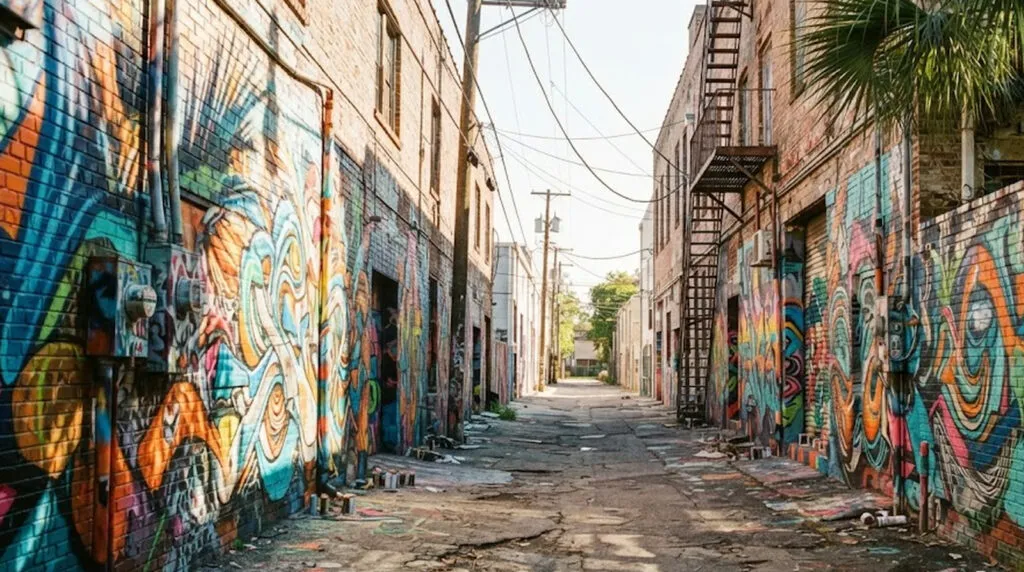
Empty warehouses, low rents and one real estate developer. A model we know without flying to Florida.
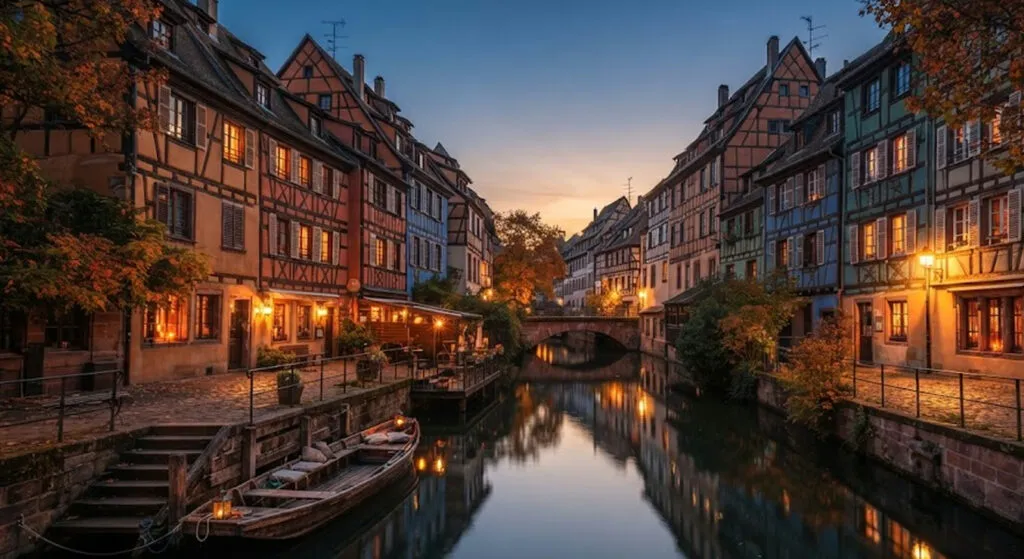
Old tanners' and dyers' workshops, built directly over the river. From 10 to 13 September the town puts boats and...
This site uses cookies - is that okay? Learn more
Be the first to know when Metla launches something new
Leave your email and we will write when there is a new guide or something new on Metla.
