
"That's not my job": the trial of the 13 Puls police officers restarted from scratch, and witnesses describe help being refused
22.09.2026


22.09.2026

22.09.2026

22.09.2026

22.09.2026

22.09.2026

22.09.2026

22.09.2026

21.09.2026

20.09.2026

22.09.2026

22.09.2026

21.09.2026

22.09.2026

22.09.2026

22.09.2026

22.09.2026

21.09.2026

20.09.2026

22.09.2026

22.09.2026

22.09.2026

22.09.2026

22.09.2026

22.09.2026

09.03.2026

27.02.2026

19.02.2026

22.09.2026

21.09.2026

21.09.2026

23.04.2026

23.04.2026

12.04.2026


That a woman's hormones affect acne - everyone knows that. That a facial care routine should change throughout the monthly cycle - almost no one practises that. According to dermatologist Lorea Bagazgoitia, cited in the Spanish source: „The drop in progesterone before menstruation can worsen acne in those days."
The cycle, in simple terms:
What to do in each phase - according to dermatologists:
Follicular phase: this is the moment when the skin accepts active ingredients. Vitamin C, retinol (if you are already on a retinol routine), a mild AHA exfoliant. The skin is stable and can „learn" a new product without irritating.
Luteal phase: focus on sebum regulation. Niacinamide and caffeine are two ingredients that work for normalising oil. Salicylic acid (BHA) is the best one here - it enters the pores, cleans them, and prevents acne from forming before it surfaces.
Pre-period and menstruation: this is not the moment for new experiments. If you put on retinol now, when the skin is reactive, you will pay for it with redness and irritation. Switch to protective routines - ceramides, natural moisturising factors, gentle oils. The goal is not to cure, but to do no harm.
Pregnancy and menopause - two separate chapters. According to pharmacist Héctor Núñez: „Because of the natural menstrual cycle, cyclical hormone fluctuations are produced." In pregnancy melasma is common (dark patches on the face), and the skin needs strict sun protection - SPF 50+, every day, no exceptions. In menopause, estrogen falls long-term, and the result is loss of collagen, elasticity and thickness of the dermis. Here is where peptides, low-concentration retinol and serums that support the barrier come in.
The Balkan recommendation: break the culture of „the same products all year". A woman in her 30s does not need the same routine in the first week of the cycle and in the last. It is not complicated - 4 or 5 small bottles, rotation depending on the day, and more attention on the „critical" days. What the cosmetics industry sells as „universal moisturisers 24/7" is to a large extent marketing. Hormones are not universal. Skin is not universal. Solutions shouldn't be either.
The latest 10 news from this category

Here, half a wardrobe is bought by calculating how many years it will last. The brown leather one will look...

A decade in which aesthetic medicine sold transformation ends with one sentence: they want to look better, not different.

The catering was run by an uncle, the music was played by an uncle. If that sounds familiar, you have...

Three days in a lab coat with colorimetry scientists to produce a collection in lime and tangerine. The design director...
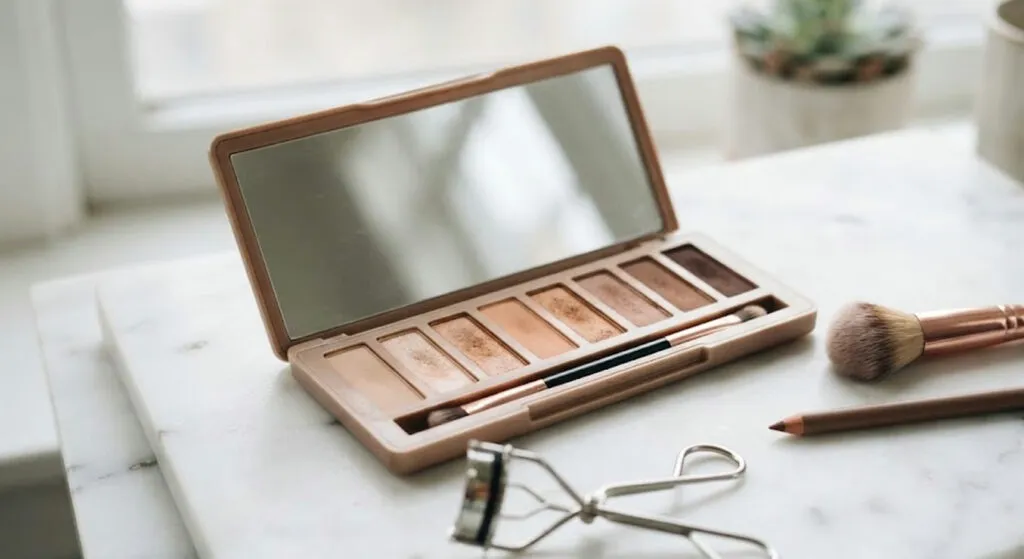
Cream concealer instead of powder, a brown pencil instead of black eyeliner, and a curler before the mascara. Not one...

A boat-neck gown and wildflowers that deliberately refuse to compete with the jewellery. A fourth generation under the same diadem,...

A communications expert says the trouser suit sidesteps sexist readings of hemlines and necklines. The same expert warns that the...
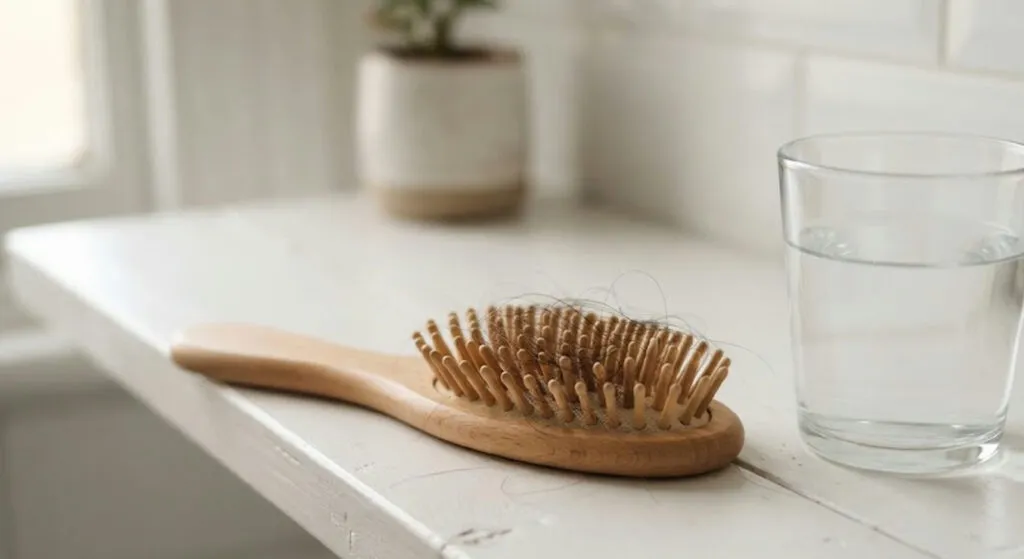
Dermatologists explain why the shedding arrives with a two to three month delay and why iron and vitamins do not...

Silk bambula muslin, a hand-draped waist and a veil of crystal organza. The wedding was held in Cadiz, where the...

An industry that spent decades selling a flawless illusion is suddenly showing the shoot itself. That is not candour -...
This site uses cookies - is that okay? Learn more
Be the first to know when Metla launches something new
Leave your email and we will write when there is a new guide or something new on Metla.