


Studeničani: 35-year-old dies after being electrocuted while washing his car with a pressure washer
18.09.2026


18.09.2026

18.09.2026

18.09.2026

18.09.2026

18.09.2026
18.09.2026
18.09.2026

17.09.2026
16.09.2026
18.09.2026
18.09.2026
17.09.2026

18.09.2026
18.09.2026

18.09.2026
18.09.2026
17.09.2026
16.09.2026

18.09.2026

18.09.2026
18.09.2026

18.09.2026
17.09.2026

17.09.2026

09.03.2026

27.02.2026

19.02.2026

18.09.2026
17.09.2026
16.09.2026

23.04.2026

23.04.2026

12.04.2026

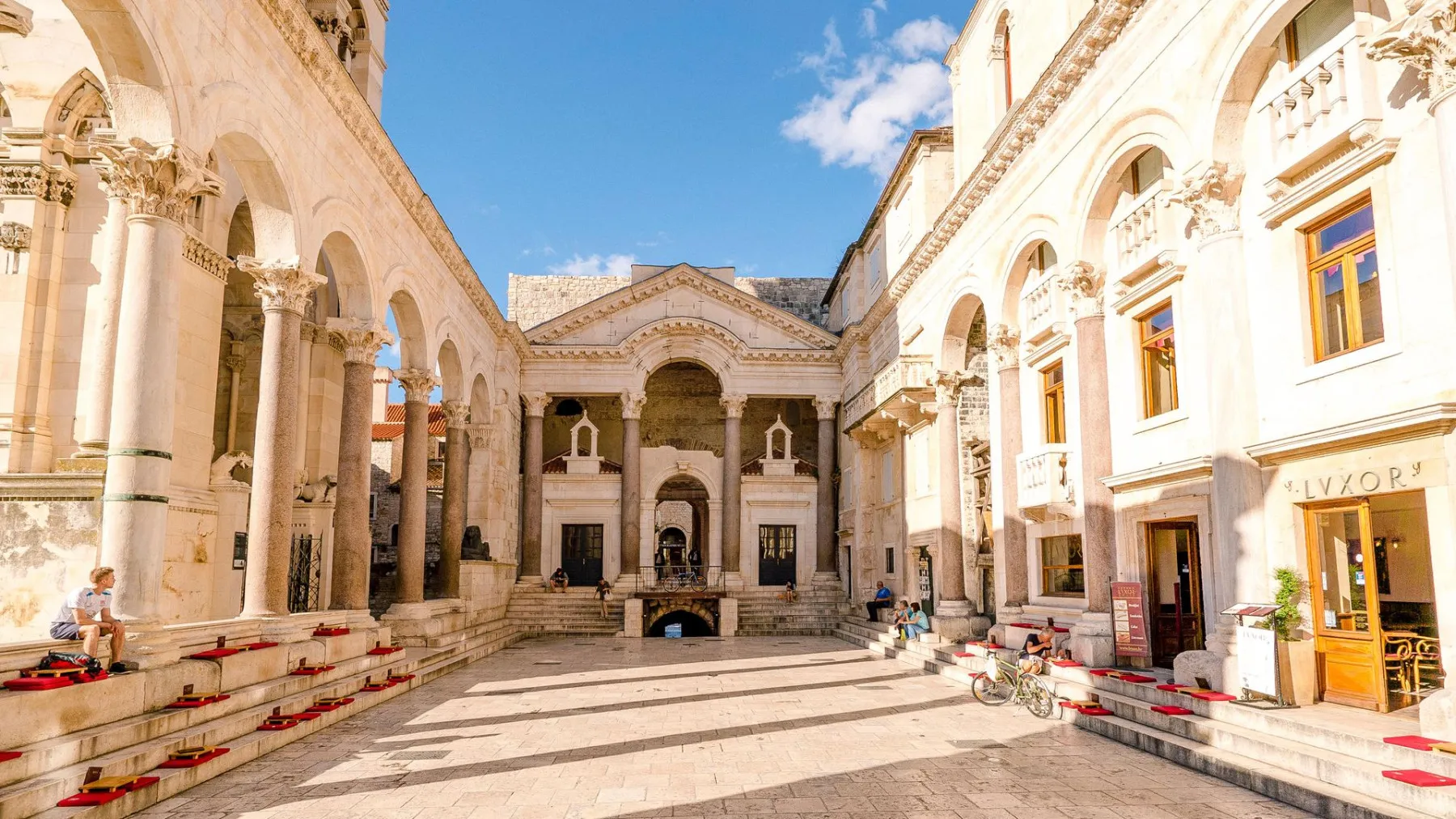
Split is not a port to Hvar, Brač or Korčula. Split is the story. The Balkans often treats the city as a transit point on the way to the islands - parking lot, ferry, queue, get out. That is the biggest tourist mistake you can make. Split is one of the few places in Europe where a Roman palace lives as a neighbourhood, not as a museum.
The estate of emperor Diocletian, built between 295 and 305 AD as a place for his retirement, today is the heart of the city - 17 centuries of marble in which cafés, apartments, bakeries, boutiques, churches and hairdressing salons have nested. This needs to be emphasised - people LIVE in the palace. It hasn't been cordoned off for tourists, it hasn't been locked down for conservation, it hasn't been turned into an open-air museum with a ticket. It is a living city, and that is why UNESCO doesn't describe the city walls but the entire central living organism.
The Peristyle - the old ceremonial courtyard where the emperor received his envoys - is now a terrace. People drink cappuccino in its shade, on the same stone where 1,700 years ago the imperial guard once stood. A Balkan reader will recognise this scene - not as exotic, but as normal. With us, even church courtyards have tables for dominos. History is not locked under glass. It is used.
A short walk from the Peristyle is the Cathedral of Saint Domnius - built directly over Diocletian's own tomb. The irony is enormous. The same emperor who persecuted Christians now lies under a Christian altar. The bell tower can be climbed (a steep climb, not for those with a fear of heights), but the view from the top opens to the Dinarides on one side and the Adriatic on the other.
Leaving the palace doesn't mean the end of the experience. Riva - the seafront promenade - is the city's main living room. Palm trees, terraces, white facades, a slowly-burning tempo. Locals spend their evenings here with a glass of pošip (the Dalmatian white wine) and a conversation that doesn't rush toward a conclusion. That is the „Mediterranean" tempo the Balkans often talks about with envy, even though we have the same rituals - just with a smaller marketing machine behind us.
For food Split offers three levels: Fife is the best popular risk - cheap, generous, traditional. Zoi, the restaurant by the old palace walls, is elegant and intimate. Dvor, by the sea, is known for grilled fish in its garden. All three have one thing in common - a brutal respect for the freshness of the product. There is no molecular gastronomy or French sauces here. There is clean fish, olive oil, lemon, herbs and seasonal vegetables.
Split also has its green other half - the hill Marjan, a forest park with pines and paths climbing above the city. Ten minutes from the centre and you are in silence, looking at the whole of Split as a model in a child's hands. On the paths up to the top is the Meštrović Gallery, dedicated to Ivan Meštrović - the greatest Croatian sculptor of the 20th century. The building is surrounded by gardens, opens to the sea, and his sculptures are in dialogue with the landscape, not locked in a vault.
The beaches - Bačvice is urban and popular, famous for picigin, the local game in shallow water with small balls and a lot of running. Kašjuni, further to the west, is quieter and wilder - the water like glass, the evening pink and dark blue, and Joe's Beach Lounge with one of the most beautiful Dalmatian sunsets in the region. Both beaches are reachable on foot from the centre, which is why Split - unlike the islands - does not demand a drive or a ferry. Everything is in one city.
How do we look at Split from a Balkan perspective? It is not „Croatia we don't have a visa for" - it is a piece of home being sold to us as a foreign country. A few hours by car from Tetovo, Skopje or Bitola. A history we share (Illyria, Byzantium, Venice, Austria-Hungary), a language understood with little effort, and food that smells of the familiar. The city's tourist narrative is written for German and Scandinavian markets, but Split truly works when you visit without a guide, without a schedule, and with the readiness to sit at the same table for four hours.
The latest 10 news from this category
The royal couple walked yesterday into a pub the village bought back for itself. How many buildings like that sit...

Of twenty-five new inscriptions, five are natural - and only one is in Europe. For the richest of them, the...
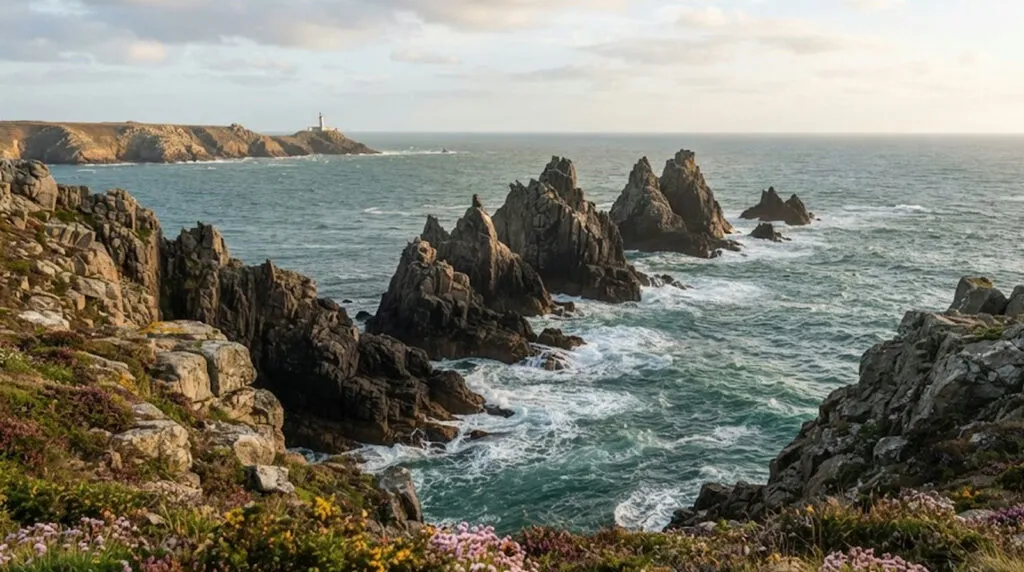
Fifty beaches, more than 120 villages and a trail France voted its favourite. Monet came for a few days and...
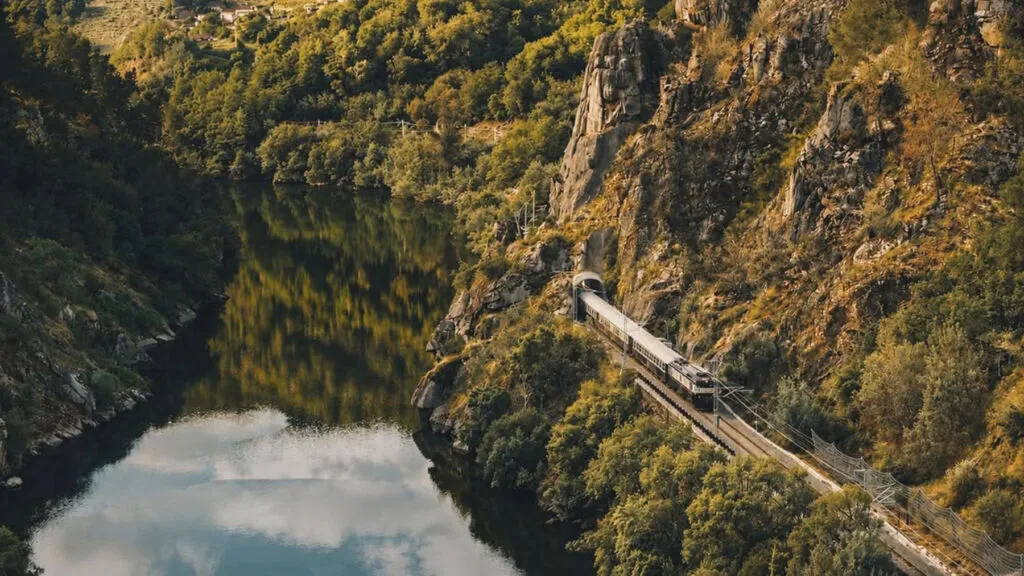
Restored carriages, a locomotive they call the Japanese Woman and a 28.95 euro return ticket. What it sells is not...
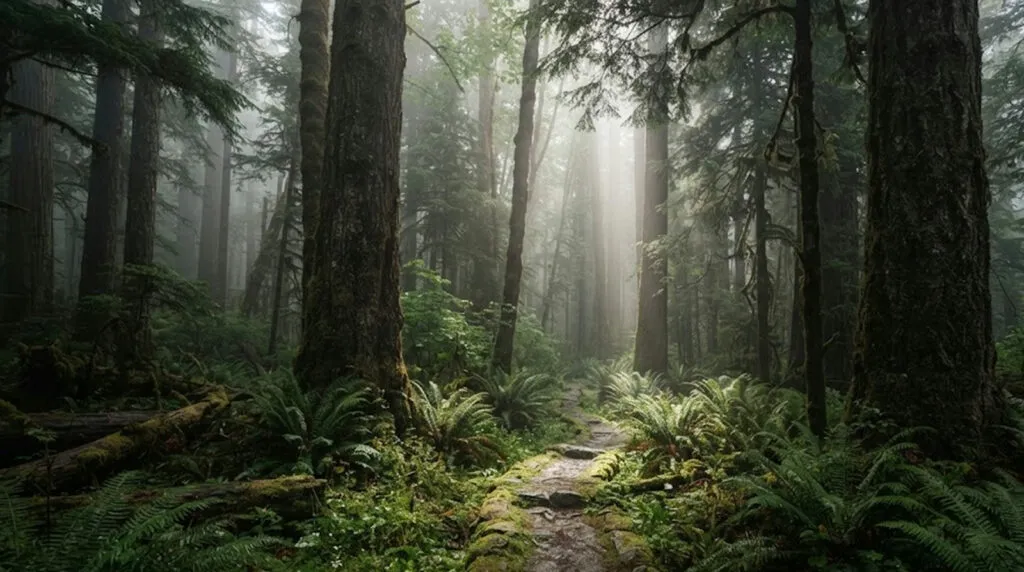
Two hundred and fifty tree species from every corner of the world, a monastery from 1628 and a palace that...
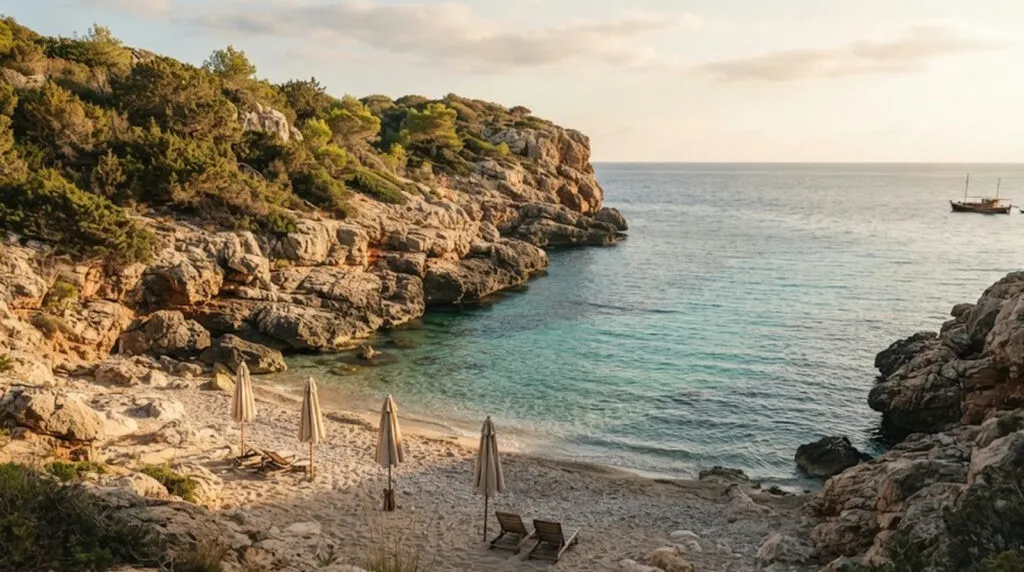
The same places cost more in August, look crowded and are experienced at half strength. The difference is made by...
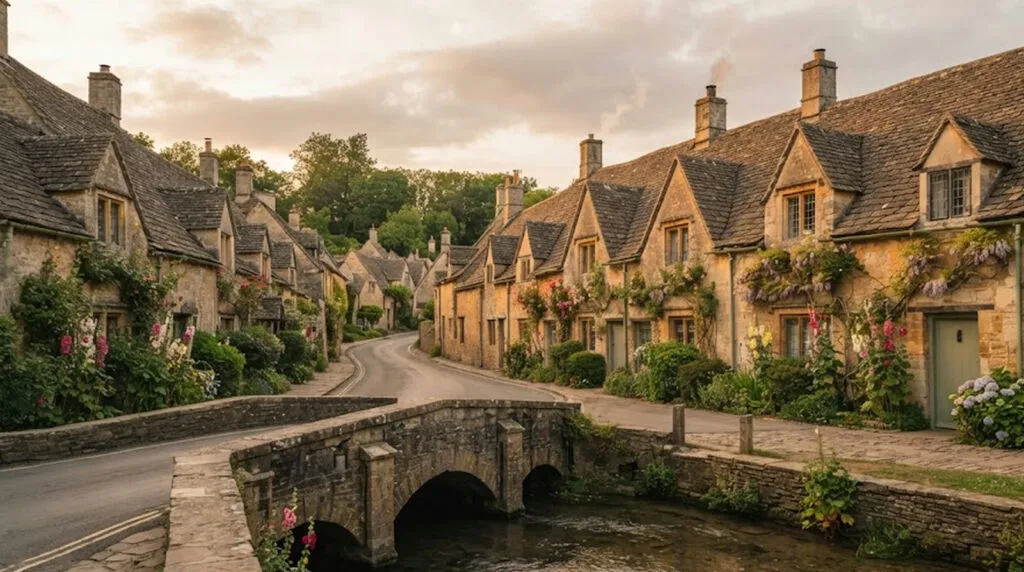
The Beckhams have a place there, so do Kate Moss and Ellen DeGeneres. But the Cotswolds needs none of those...

Down on the coast the buses pass each other with centimetres to spare and all you see is people. Up...
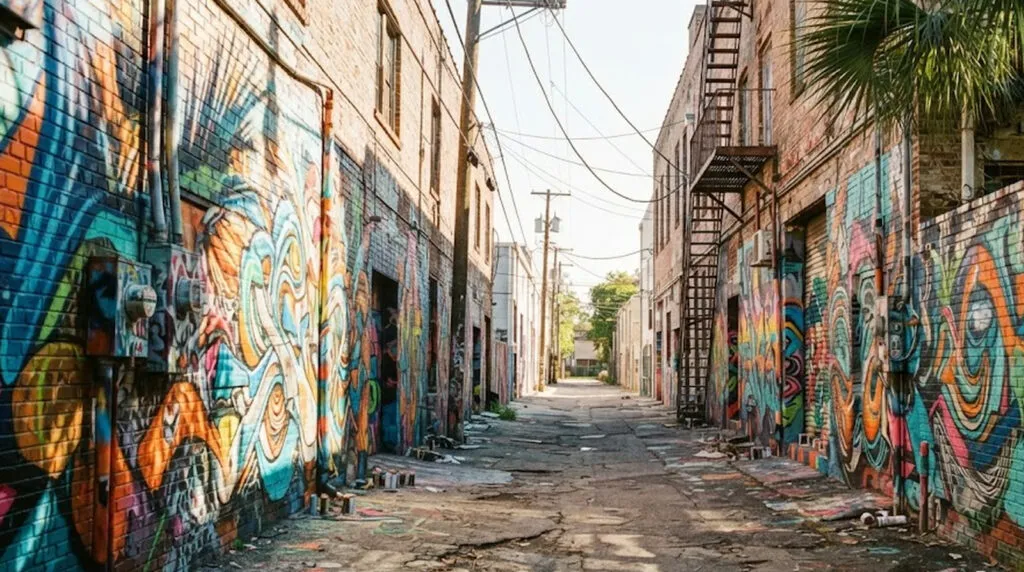
Empty warehouses, low rents and one real estate developer. A model we know without flying to Florida.
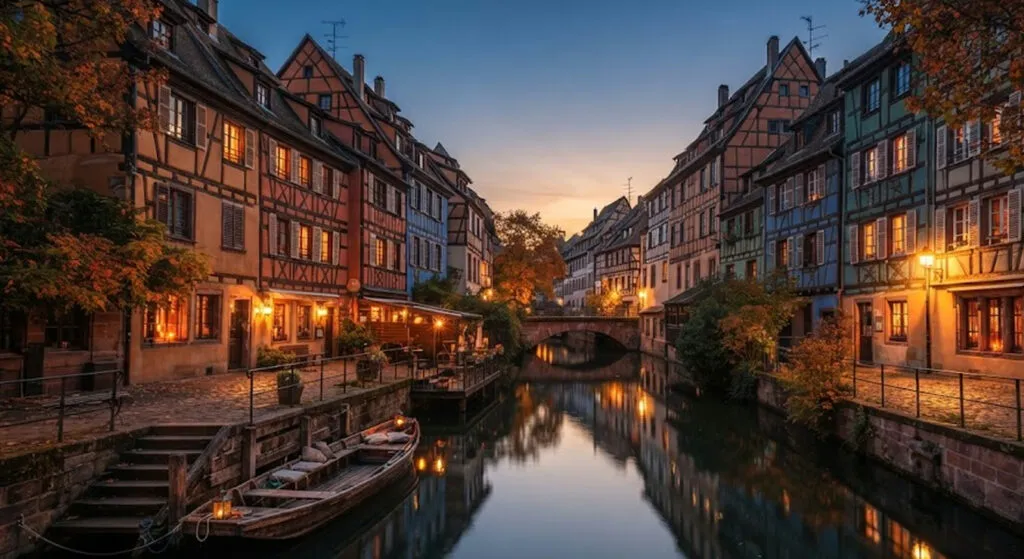
Old tanners' and dyers' workshops, built directly over the river. From 10 to 13 September the town puts boats and...
This site uses cookies - is that okay? Learn more
Be the first to know when Metla launches something new
Leave your email and we will write when there is a new guide or something new on Metla.
