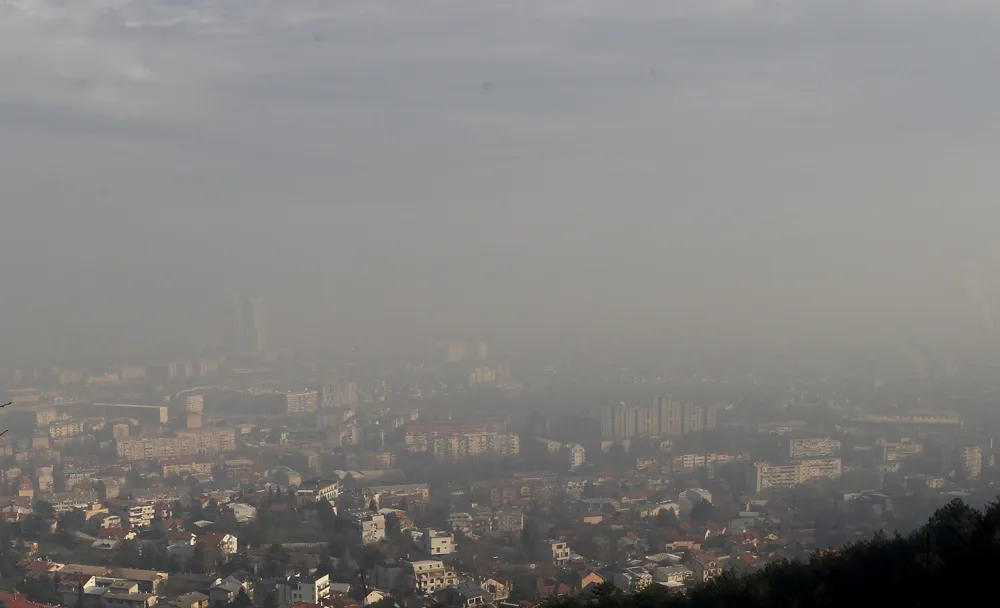
The Balkans In The Red: 90% of Europe Breathes Bad Air - We Pay With Our Lives
06.05.2026


06.05.2026
06.05.2026
06.05.2026
06.05.2026
05.05.2026
04.05.2026

06.05.2026

06.05.2026
05.05.2026

06.05.2026

06.05.2026

06.05.2026

06.05.2026

05.05.2026

04.05.2026

06.05.2026

06.05.2026
06.05.2026

09.03.2026

27.02.2026

19.02.2026

14.04.2026

07.11.2025
07.11.2025

23.04.2026

23.04.2026

12.04.2026

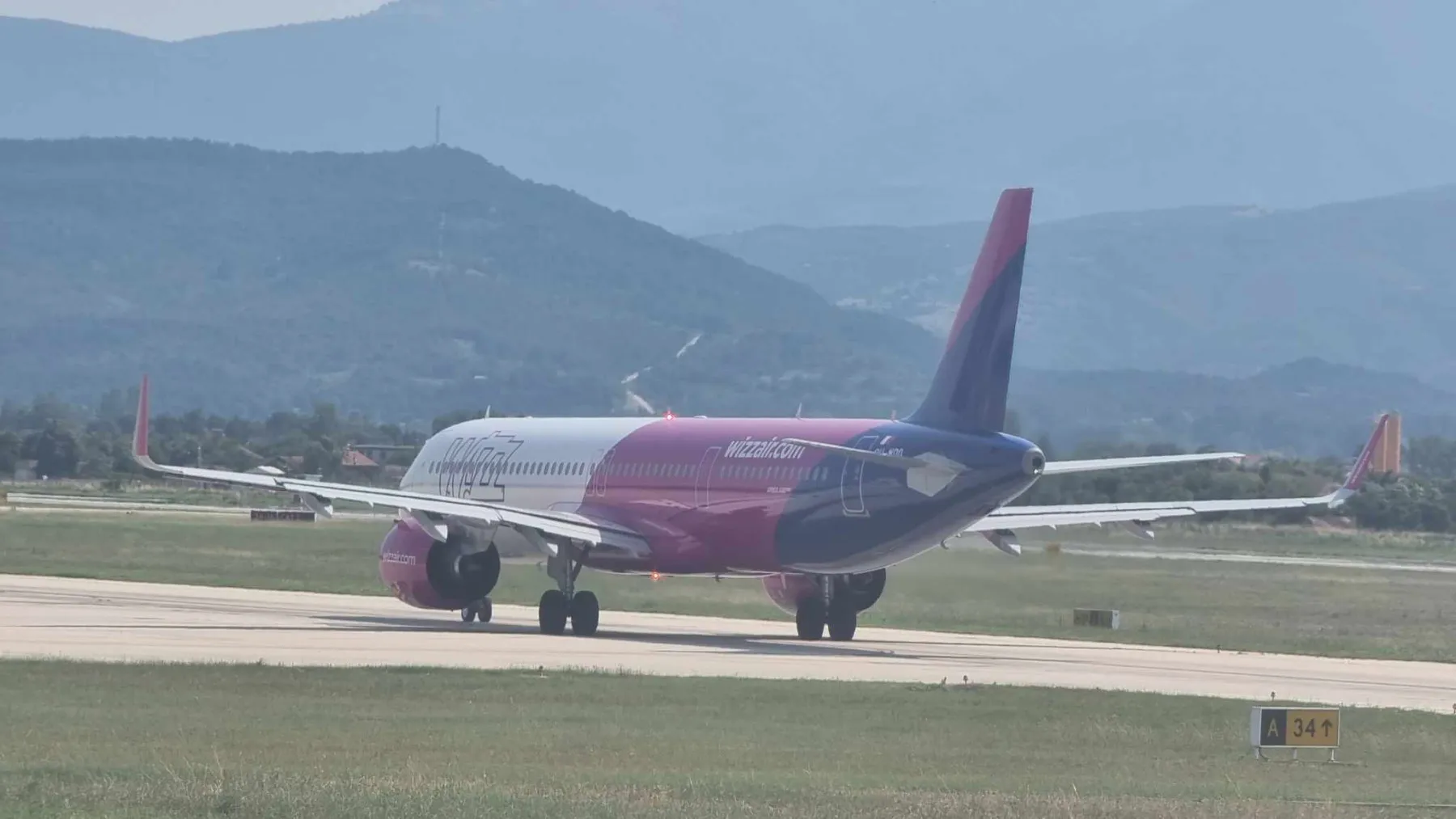
In the month of April alone, airlines around the world cancelled around 13,000 flights. That means two million fewer seats, two million passengers asking for their money back, and two million trips that won't happen. And all of it - thanks to the wars, expensive oil, and the escalation in the Strait of Hormuz.
Lufthansa scrapped around 20,000 short-haul flights. Turkish Airlines is making serious reshuffles. The airports in Istanbul and Munich are recording the biggest drops. Carriers are adjusting to the new reality - smaller aircraft on the same routes, the killing off of unprofitable lines, and reduced flight frequencies.
Plainly put: when rockets fall on oil facilities in the Emirates, the price is paid by your grandmother who used to fly to her grandkids in Germany.
What does this do to a Balkan passenger? First - higher ticket prices this summer. Second - fewer direct routes out of Skopje and fewer seats on the ones that remain. Third - more transfers through „cheaper" hubs that are themselves overloaded.
And let's not forget the diaspora. Hundreds of thousands of Macedonians, Serbs, Bosniaks and Albanians were planning to come home this summer. When Lufthansa cancels, they have no alternative - the train from Munich to Skopje takes two days, and the bus is barely cheaper than a flight that doesn't exist.
Low-cost carriers like easyJet and Wizz Air remain optimistic - they claim they'll keep the schedule, even believe seasonal demand will lift them up. But if fuel rises another 15 per cent, the optimism will pour into the same hole that buried Lufthansa.
Experts warn that if instability continues and fuel prices stay high, the sector could slide into long-term losses. And when airlines lose - passengers pay twice. First through cancelled flights, then through expensive tickets for the ones that remain.
For the region, this summer won't be „the same as last year". It'll be a summer with fewer passengers, more frayed nerves, and a lot more long journeys over land.
The latest 10 news from this category
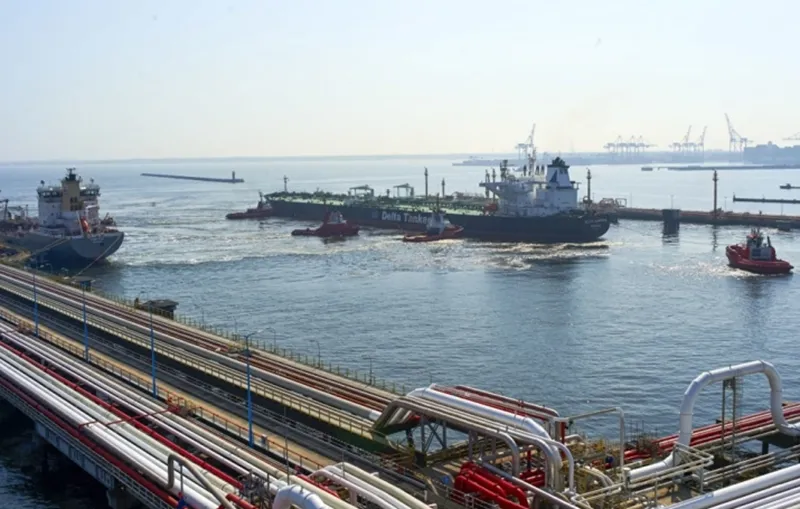
Brent dropped to 108 dollars on news of a possible deal. But if they sign tomorrow - when will our...

Алгоритам кој скенира фотографии и ги мери коскените пропорции за да процени дали си помлад од 13 - тоа е...
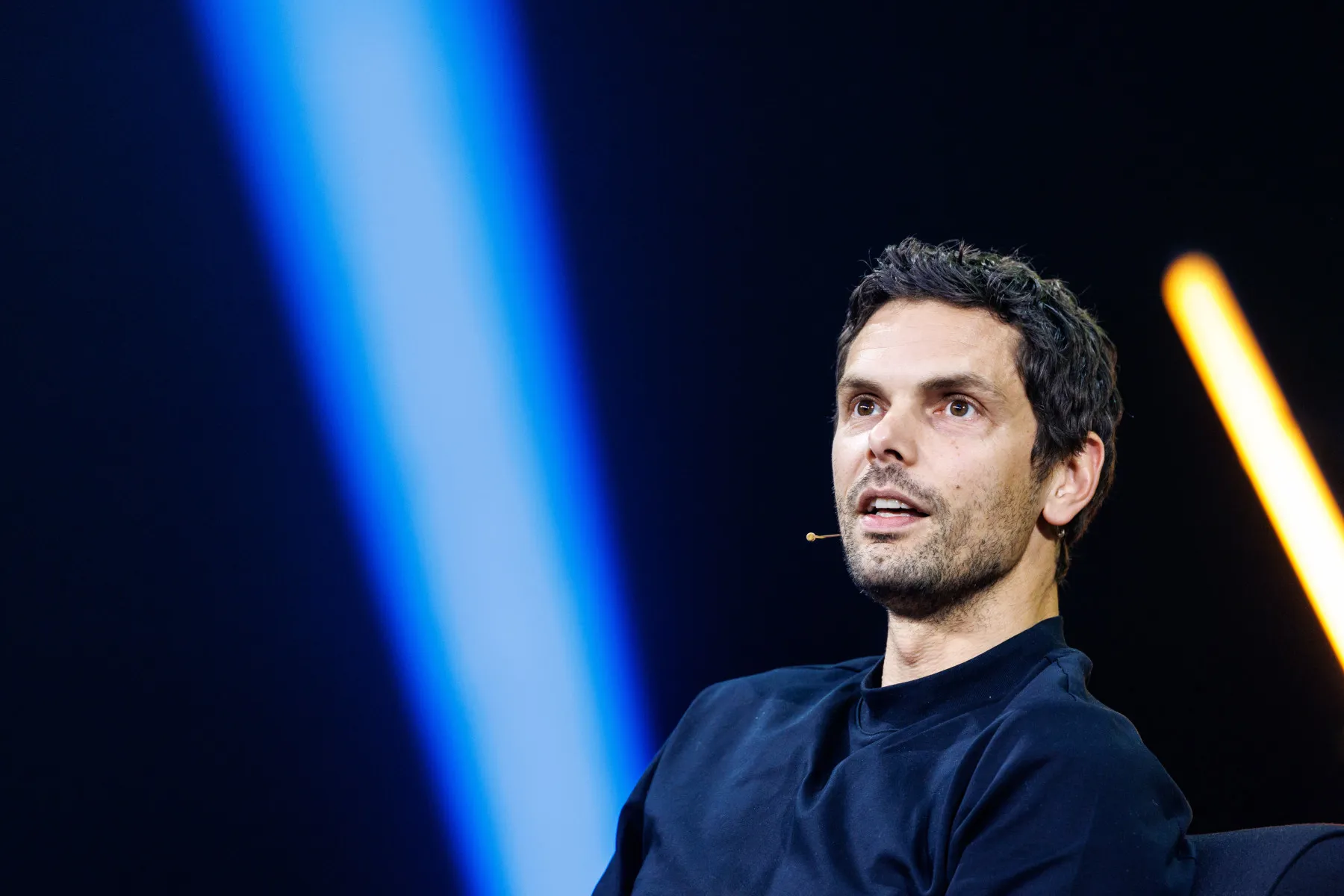
Peter Sarlin собра 25 милиони евра во ангелски круг, без венчер фондови, со јасна порака - не сакаме американски капитал....

Германскиот SAP оди агресивно во AI трката - купи берлински стартап и ќе вложи 1 милијарда евра во наредните четири...

200-300 euros in extra annual cost for an average family with one car. Strategic reserves exist - but activating them...
The Greek central bank governor Stournaras talks about „inflation shocks comparable to post-COVID". The Balkans live in a permanent-adjustment mode,...

5.8 billion parcels entered the EU - a 26 percent rise. Prices for the European buyer will jump 15-30 percent....
„Pre-filled" doesn't mean „correct." The responsibility for mistakes falls on the citizen. And for many - 30 pages of codes...
The US government is warning all federal agencies to patch by May 15. Data centres, banks, public administration - everyone...
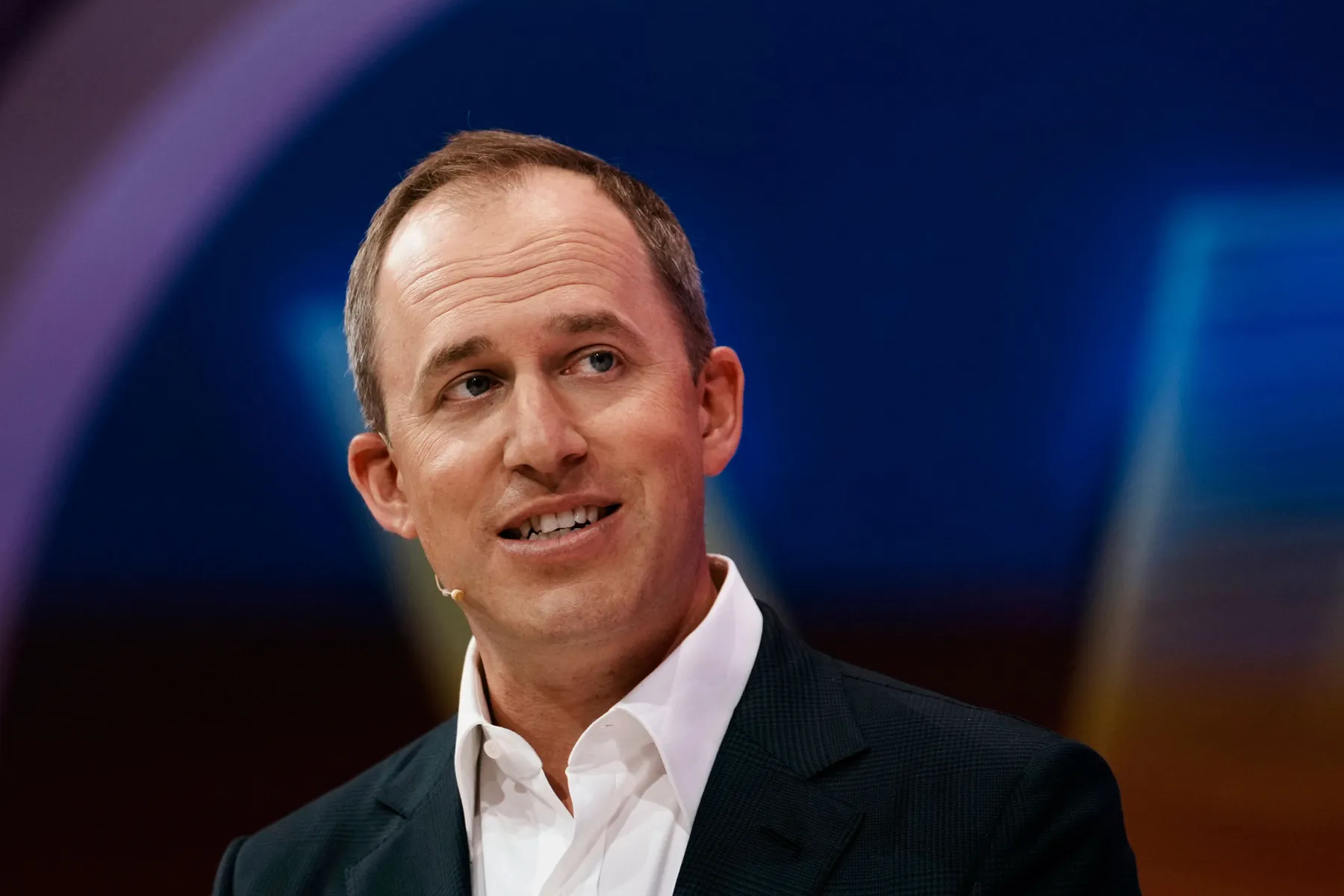
Bret Taylor's startup - former Salesforce co-CEO, now OpenAI chairman - hits 15 billion dollar valuation. Uber is already writing...